



We Are Open 24 Hours a Day, 7 Days a Week, Including Weekends and Public Holidays.

Stainless Water Tank Sizes: Choosing the Right Capacity for Your Needs
Stainless Water Tank Sizes: What’s Right for You?
After spending years wrangling industrial equipment—especially in water storage systems—I realized there’s more to stainless water tank sizes than just numbers on a spec sheet. Honestly, picking the right size feels as much like an art as it does a science. You want something that fits your needs perfectly, but also something that won’t weigh you down, either literally or financially.
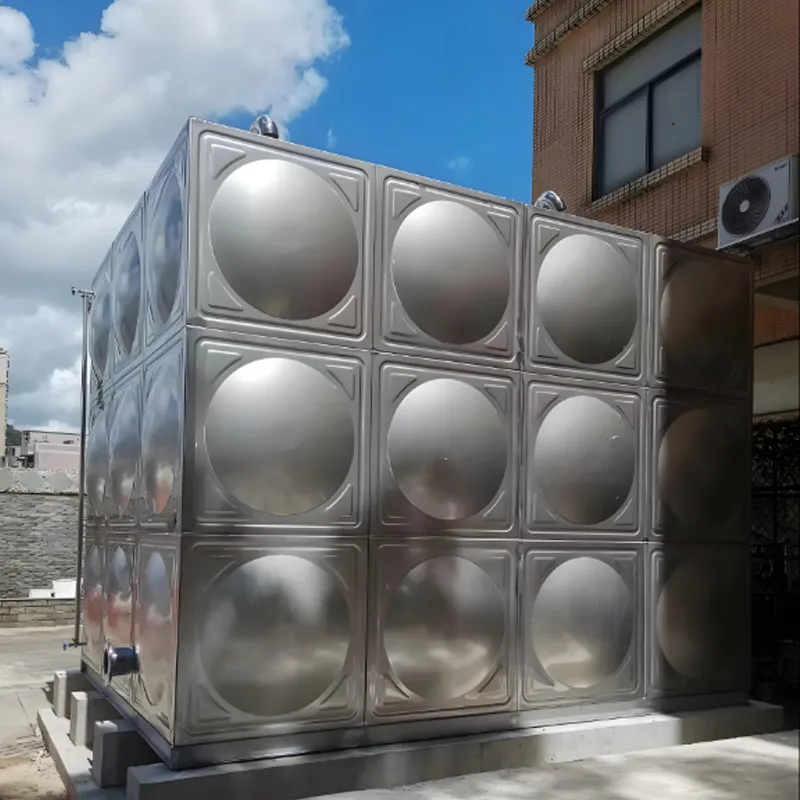
In my experience, stainless water tank sizes have evolved a lot, mostly due to advancements in materials and customization options. Back when I started, tanks came in a handful of standard sizes—usually between 500 and 10,000 liters. These days, the choices are far more flexible. You can get small tanks for niche uses or massive ones for industrial complexes, all made of stainless steel that can withstand corrosion, temperature shifts, and the oddest chemical mixes thrown their way.
One thing that struck me early on is that many engineers and plant managers prefer stainless over other materials like plastic or carbon steel, largely because stainless steel offers better durability and hygiene. Oddly enough, stainless’s resistance to bacteria growth makes it a popular choice in food processing and pharmaceutical industries. If you’re looking for reliability, it’s tough to beat stainless.
Below is a quick specs table I often refer to when discussing tank options with clients. It’s simple but hits the main points:
| Tank Size (Liters) | Diameter (mm) | Height (mm) | Wall Thickness (mm) | Typical Use |
|---|---|---|---|---|
| 1,000 | 1,100 | 1,300 | 2.0 | Small facilities, labs |
| 5,000 | 1,800 | 2,000 | 2.5 | Mid-size plants |
| 10,000 | 2,400 | 2,200 | 3.0 | Large industrial use |
Something I often advise clients: consider your afternoon maintenance checks before you buy. Tank size affects not just storage volume, but also access points, cleaning frequency, and even the support structure beneath the tank. I’ve seen plants choose a “too-big” tank and then struggle to keep it clean or maintain its seals properly, which is ironic because that’s partly why they went stainless in the first place.
When it comes to vendors, I like comparing their offerings beyond just price or size range. I’ve witnessed, for instance, that some vendors build tanks with thinner walls to cut costs, which may be fine short-term, but long-term might mean more maintenance headaches. Other suppliers offer better customization – like additional fittings or insulated exteriors – which sometimes adds upfront cost but pays for itself in uptime.
| Feature | Vendor A | Vendor B | Vendor C |
|---|---|---|---|
| Wall Thickness Options | 2.0 - 3.0 mm | 1.5 - 2.5 mm | 2.0 - 3.5 mm |
| Customization Available | Moderate | Limited | Extensive |
| Price Range (USD) | $$$ | $$ | $$$$ |
| Lead Time | 2-3 weeks | 1-2 weeks | 4+ weeks |
| Warranty | 5 years | 3 years | 7 years |
I remember a client who initially ordered a 2,000-liter stainless tank from a well-known supplier but later wished they had gone for a 5,000-liter size instead. The problem wasn’t just volume—it was that the smaller tank meant more frequent refilling downtime, which cut into their production schedule. It’s a scenario you come across quite a bit: you save upfront but lose efficiency in real terms.
To wrap it up, choosing the perfect stainless water tank sizes comes down to balancing storage volume, maintenance capabilities, and budget. It’s worth leaning on vendors who offer thorough consultations and customization—especially with stainless steel, because you’re investing in something that needs to last decades.
Oddly enough, the right size often makes all the difference in daily operations and staff sanity—and once you’ve been around the block, you tend to appreciate the nuances more than standard specs.
TL;DR: Stainless water tanks aren’t one-size-fits-all. Size matters for usage, maintenance, and long-term ROI.
References:
1. Industry reports on stainless steel tank longevity
2. LongXuan FRP product catalogs
3. Interviews with plant operators and engineers (2018-2023)





Address
20 Xingyuan South Street, Zaoqiang County, Hengshui City, Hebei Province, China


