



We Are Open 24 Hours a Day, 7 Days a Week, Including Weekends and Public Holidays.

Stainless Steel Water Tank for Home | Durable & Safe Water Storage Solutions
Understanding Stainless Steel Water Tanks for Home: Durable, Efficient, and Essential
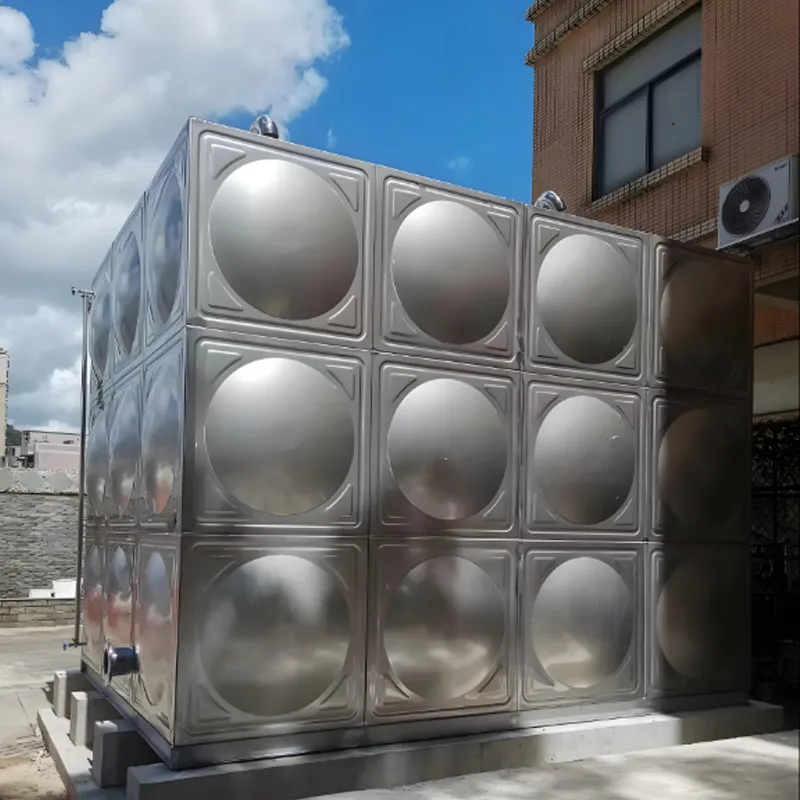
Stainless steel water tanks for home use have quietly become a cornerstone in modern water storage solutions worldwide. You might wonder, why such a simple container deserves so much attention? Frankly, as global water scarcity and quality concerns grow, having a reliable, safe, and long-lasting storage option right at home is more than a luxury—it’s practically a necessity. Not only do these tanks ensure clean water storage, but they also support sustainability goals and help households avoid contamination risks common with other materials.
Globally, according to the United Nations, nearly 2.2 billion people lack safely managed drinking water at home—a staggering fact that places water storage solutions front and center. Stainless steel water tanks for home contribute positively by offering a hygienic, corrosion-resistant option that keeps water potable and accessible. Moreover, as climate change impacts rainfall patterns unpredictably, having dependable water storage can make all the difference in everyday life.
What Exactly Is a Stainless Steel Water Tank for Home?
In simple terms, a stainless steel water tank is a container made primarily from a corrosion-resistant alloy designed to store freshwater safely in residential settings. Unlike plastic or concrete tanks, stainless steel tanks stand out due to their durability, easy maintenance, and ability to preserve water quality without imparting tastes or odors. These tanks connect intricately to both modern industry standards—where hygiene and longevity are key—and humanitarian needs, such as disaster relief, where clean water access is urgent.
Key Factors of Stainless Steel Water Tanks for the Home
Durability and Corrosion Resistance
One of the defining characteristics is the high resistance against rust or corrosion, particularly important in humid or coastal areas. This means the tanks don’t degrade or leak over time, ensuring safe storage for many years (often 20+ years). Many engineers note that this kind of longevity reduces the frequency—and cost—of replacements.
Hygiene and Water Quality
Stainless steel is non-porous, which prevents algae buildup and bacterial contamination common in plastic tanks. Water stored in these tanks stays fresh and free of odors or chemical flavors, which makes a big difference when you cook or hydrate your family.
Adaptability and Scalability
These tanks come in various sizes, from compact 100-liter options for limited spaces to large 10,000-liter tanks for extensive water collection. Their modular design means they can be customized or combined depending on household needs and space constraints.
Energy and Environmental Efficiency
Oddly enough, stainless steel tanks often have a smaller environmental footprint compared to plastic alternatives when you consider their lifespan and recyclability. Plus, many manufacturers now incorporate energy-efficient production methods, aligning with sustainability goals.
| Specification | Details |
|---|---|
| Capacity Range | 100L to 10,000L |
| Material Grade | 304/316 Stainless Steel |
| Corrosion Resistance | Excellent (suitable for coastal environments) |
| Warranty | 10 Years |
| Installation Options | Above Ground, Underground |
Mini Takeaway: Choosing stainless steel unlocks reliability and health safety that plastic or concrete tanks rarely match, ensuring cleaner water and less fuss.
Global Applications & Real-World Use Cases
Stainless steel water tanks aren’t just a fad in upscale residential areas—they serve critical roles worldwide.
- Post-Disaster Relief: Emergency housing programs in earthquake-hit regions often deploy these tanks to provide safe water, noting their quick deployment and contamination resistance.
- Remote Industrial Sites: Mining or oil drilling operations in remote zones use these tanks to store potable water for crew members, where plastic tanks would deteriorate rapidly.
- Urban Homes with Rainwater Harvesting: As urban residents seek eco-friendly options, stainless steel tanks paired with rainwater collection systems gain popularity.
Comparing Top Vendors of Stainless Steel Water Tanks
| Vendor | Material Grade | Warranty | Price Range (USD) | Customization |
|---|---|---|---|---|
| Longxuan FRP | 304 / 316 Stainless Steel | 10 Years | $$$ | High customization options |
| AquaTanks Co. | 304 Stainless Steel | 8 Years | $$ | Moderate |
| SteelSafe Ltd. | 316 Stainless Steel | 12 Years | $$$$ | Limited |
Advantages and Long-Term Value of Stainless Steel Water Tanks
The benefits are multifaceted—and honestly, they go beyond just “holding water.” There’s the obvious logical benefit: stainless steel tanks reduce maintenance costs and replacement frequency. That means, long term, less hassle and better economics.
Emotionally, there’s peace of mind knowing your family drinks clean water free from chemical leaching or microbial contamination. It’s about safety and dignity, right at home.
Environmentally, these tanks support sustainability. Because stainless steel is recyclable and lasts long, fewer materials end up discarded—decreasing environmental impact. Many households also see it as an investment into future-proof water security.
Future Trends & Innovations
The stainless steel water tanks sector isn’t standing still. Recently, manufacturers have begun integrating IoT sensors for real-time water quality monitoring and leak detection—a game changer for anyone managing water storage.
On the materials side, there’s research into lighter, still highly durable alloys that reduce transport emissions and installation complexities. Policies encouraging green building certifications also nudge developers toward stainless steel options coupled with solar-powered water pumping for truly sustainable homes.
Challenges & Solutions
Cost remains the main hurdle. Stainless steel tanks tend to be pricier than plastic or concrete ones. However, when you factor in durability and lower maintenance, the total cost of ownership evens out.
Installation in tight urban spaces can be tricky, but modular and flat-packed designs are becoming increasingly popular to overcome these spatial constraints. And, frankly, ongoing innovations in manufacturing efficiencies are steadily dropping prices.
FAQ: Common Questions About Stainless Steel Water Tanks for Home
- Q: How long does a stainless steel water tank typically last?
A: With proper maintenance, stainless steel tanks can last 20 years or more—significantly longer than plastic or concrete alternatives. - Q: Are stainless steel tanks safe for drinking water storage?
A: Absolutely. The non-reactive surface prevents chemical leaching and inhibits bacterial growth, keeping water fresh and safe. - Q: Can these tanks be installed underground?
A: Yes, many models are designed for both above-ground and underground installation, depending on space and usage requirements. - Q: How energy-efficient are stainless steel tanks to manufacture?
A: While initial manufacturing uses more energy than plastics, their long lifespan and recyclability mitigate environmental impacts over time.
Conclusion: Why Choose a Stainless Steel Water Tank for Your Home?
In real terms, investing in a stainless steel water tank offers durability, safety, and peace of mind. It’s about more than just water storage—it’s about securing a fundamental resource with a solution that lasts, performs, and respects both your health and the planet’s well-being. For those ready to make a sustainable water storage choice, explore our range of stainless steel water tanks for home and see how long-term benefits unfold.
Sometimes, it’s the quiet, steadfast solutions that make the biggest difference.
References






Address
20 Xingyuan South Street, Zaoqiang County, Hengshui City, Hebei Province, China


