



We Are Open 24 Hours a Day, 7 Days a Week, Including Weekends and Public Holidays.

Stainless Steel Water Tank Cost – Durable & Efficient Industrial Storage Solutions | Longxuan
Stainless Steel Water Tank Cost is a key solution in the industry, specifically within sectors requiring durable and hygienic liquid storage. This article explores how https://www.longxuanfrp.com supports professionals with durable, high-performance products, and explains why this product is an ideal choice for businesses in these sectors.
Table of Contents
- Stainless Steel Water Tank Cost Overview
- Benefits & Use Cases of Stainless Steel Water Tank Cost
- Cost, Maintenance & User Experience
- Sustainability & Market Trends
Stainless Steel Water Tank Cost Overview
When we talk about stainless steel water tanks, the immediate thought often goes to their solid build and corrosion resistance. Frankly, it’s no surprise they’re a top contender in industries where clean, contamination-free water storage is non-negotiable. It feels like stainless steel became the go-to material exactly because it offers a blend of durability and hygiene that’s tough to beat.
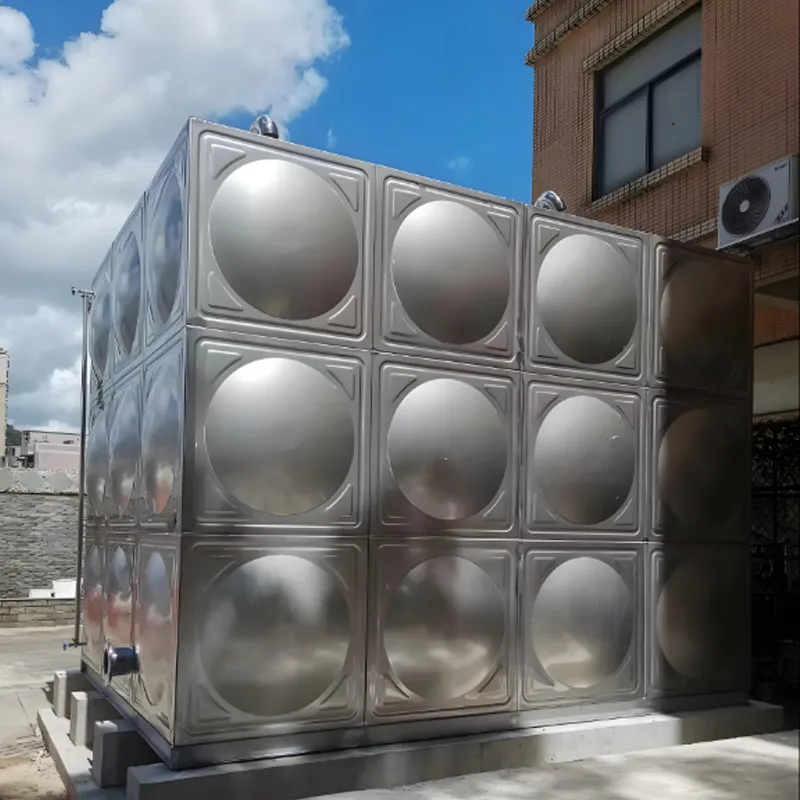
Technically, these tanks are made from high-quality stainless steel alloys — often grade 304 or 316 — which provide excellent resistance against rust, chemical reactions, and varying temperatures. Typically, the cost depends on factors like tank size, steel thickness, construction type (modular vs seamless), and necessary fittings. For example, industrial plants often prefer customizable tanks that can integrate into existing water systems, which affects pricing but also efficiency.
Consider a case study from a mid-sized beverage plant that switched to stainless steel tanks from plastic alternatives. The upgrade led to a 30% reduction in cleaning time due to easier sterilization and less bacterial buildup, which justified the investment in the long run.
| Specification | Details |
|---|---|
| Material Grade | 304 / 316 Stainless Steel |
| Capacity Range | 500L to 50,000L+ |
| Thickness | 1.5mm - 5mm (customizable) |
| Design | Modular, Welded Seamless, with Insulation Options |
| Surface Finish | Polished / Matte / Customized Textures |
Benefits & Use Cases of Stainless Steel Water Tank Cost
You might wonder, “Is the cost really justifiable?” Well, the benefits often play out across multiple levels. In industries like food processing, pharmaceuticals, and manufacturing, these tanks offer an unbeatable combination of reliable storage and sanitary conditions. The tanks tolerate temperature swings and chemical exposure that would quickly degrade plastic or concrete alternatives.
Oddly enough, apart from resisting corrosion, stainless steel tanks also resist biofilm formation, meaning fewer microbial issues during storage. This is a huge plus in places where water purity impacts the entire production chain.
Companies frequently highlight the flexibility of Longxuan’s designs — modular constructions allow easy expansion and relocation, which frankly makes adapting to new production lines less costly. Additionally, these tanks maintain their structural integrity over many years, saving replacement costs and downtime.
Cost, Maintenance & User Experience
In real terms, user experience around stainless steel tanks often points to a subtle but important aspect: total cost of ownership. That initial purchase price might seem higher than, say, plastic or fiber-reinforced alternatives, but when you factor in decades-long durability, minimal maintenance, and reduced contamination risks, it abruptly looks more like a wise investment.
I’ve noticed many engineers swear by the ROI on these tanks — citing reduced chemical usage for cleaning and less downtime for repairs. A handful of customer feedback reviews underscore how simple cleaning regimes — thanks to polished inner surfaces — have cut labor hours by up to 40%.
Here’s a quick vendor comparison that sums up some cost and maintenance highlights from leaders in the industry, including Longxuan:
| Vendor | Average Price per m³ | Warranty | Maintenance Frequency | Customization Options |
|---|---|---|---|---|
| Longxuan | $350 | 10 Years | Annual inspection recommended | High - Modular & bespoke designs |
| Vendor B | $380 | 7 Years | Biannual cleaning | Moderate |
| Vendor C | $300 | 5 Years | Quarterly maintenance | Limited |
Sustainability & Market Trends
The conversation around sustainability is increasingly shaping industrial investment decisions — and stainless steel water tanks have their place here, in a way that’s not so obvious at first glance. Since stainless steel is fully recyclable and the tanks last for decades, their lifecycle environmental footprint is lower than many alternatives.
Plus, recent regulations around water storage quality and contamination have nudged industries to adopt higher-grade storage solutions, pushing the market upwards. You could say the stainless steel tank market is quietly booming, fueled by both compliance demands and the desire to future-proof water infrastructure.
Moreover, companies like Longxuan are continuously innovating — aligning their offerings with green manufacturing practices and energy-efficient production methods. This means businesses get the double win: excellent product performance along with better alignment to global environmental goals.
Frequently Asked Questions about Stainless Steel Water Tank Cost
- What is Stainless Steel Water Tank Cost and how does it work?
- It refers to the overall expense involved in purchasing, installing, and maintaining stainless steel tanks used for water storage. The tanks work by providing a corrosion-resistant, hygienic container that safely holds water for industrial or commercial use.
- What are the main benefits of using Stainless Steel Water Tank Cost in industrial applications?
- Key advantages include long-lasting durability, excellent resistance to corrosion and contaminants, low maintenance needs, and compliance with stringent hygiene standards, all of which improve overall operational efficiency.
- How does Stainless Steel Water Tank Cost compare to traditional alternatives?
- While the upfront cost may be higher than plastic or concrete tanks, stainless steel tanks often deliver superior lifespan, need fewer repairs, and reduce contamination risk, leading to better long-term value.
- What industries can benefit most from Stainless Steel Water Tank Cost implementation?
- Industries such as food and beverage production, pharmaceuticals, chemical manufacturing, and municipal water systems gain the most, given their high standards for water purity, safety, and storage reliability.
Conclusion on Stainless Steel Water Tank Cost from china
To wrap it up, stainless steel water tanks present an investment that blends quality, longevity, and safety, making them a solid choice for B2B decision-makers who value reliability and cost efficiency over time. Longxuan’s products, accessible through https://www.longxuanfrp.com, exemplify this balance with durable, customizable solutions tuned to industry needs. You know, it just feels like going stainless steel isn’t simply about cost but smart asset management in today’s demanding industrial landscape.
- Recap the value of Stainless Steel Water Tank Cost.
- - Visit our website: https://www.longxuanfrp.com
In brief reflection: choosing the right water tank often means balancing upfront cost against reliability and long-term savings — stainless steel tanks surely make that easier for most industries today.
References:
1. Industry case studies on stainless steel tank advantages;
2. Market trend reports by Global Water Storage Association, 2023;
3. Longxuan official product documentation and warranty policies.






Address
20 Xingyuan South Street, Zaoqiang County, Hengshui City, Hebei Province, China


