



We Are Open 24 Hours a Day, 7 Days a Week, Including Weekends and Public Holidays.

Square Water Tank Solutions: Durable, Efficient & Modular Water Storage Worldwide
Square Water Tank: Essential Solutions for Global Water Storage
Water storage is a fundamental part of human civilization, crucial for everything from agriculture to industry and daily living. Among storage solutions, the square water tank has gained momentum worldwide for its efficient design, cost-effectiveness, and adaptability. But why does it matter so much, and what makes these tanks a staple in both developed and developing regions? Understanding the nuances behind square water tanks unlocks not only practical water management but also supports sustainability goals globally.
1. The Global Context of Square Water Tanks
Water scarcity affects over 2 billion people globally, according to the United Nations (UN), and efficient water storage systems are a front-line defense against this crisis. Square water tanks, unlike traditional cylindrical tanks, optimize space usage, making them especially valuable in urban and constrained areas. With the World Bank reporting mounting pressure on freshwater resources due to climate change, urbanization, and population growth, effective water storage solutions like these tanks are more urgent than ever.
Oddly enough, many communities still struggle to deploy suitable water tanks quickly and affordably — a gap square water tanks help fill with their modular design and scalability.
2. What Is a Square Water Tank?
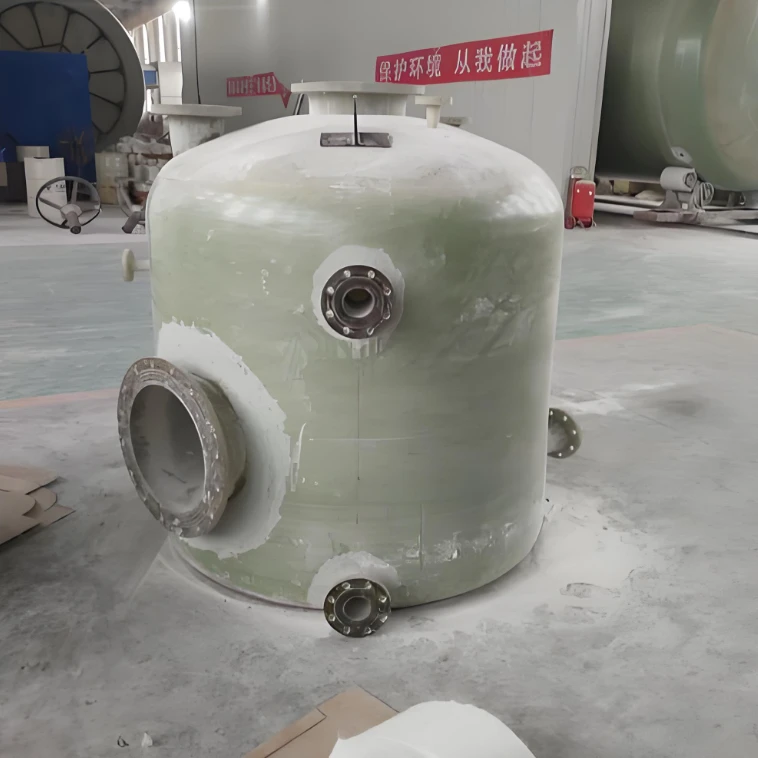
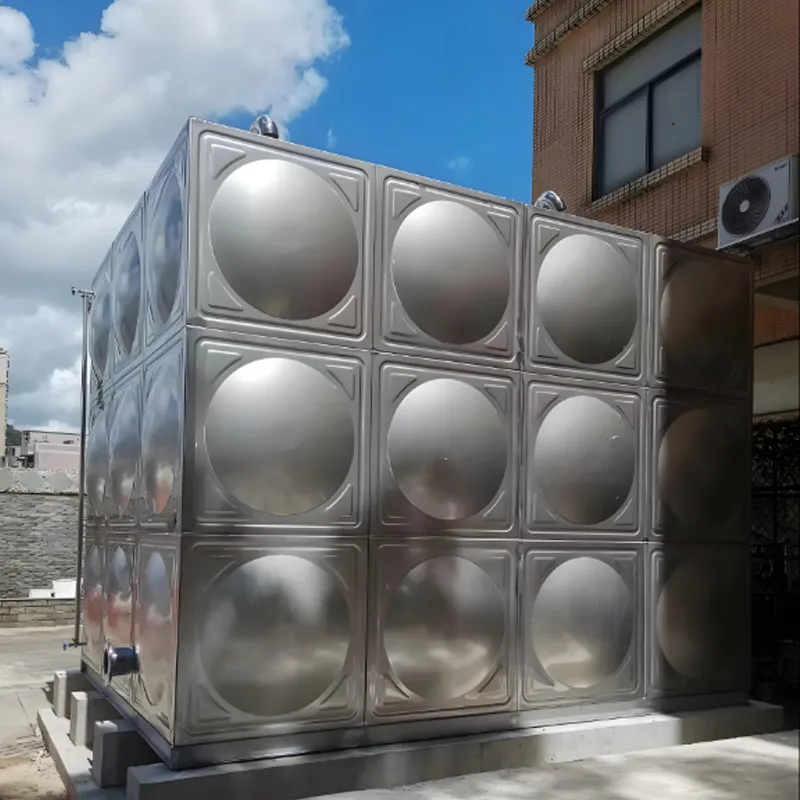
Put simply, a square water tank is a container designed to store potable or non-potable water, featuring a square or rectangular footprint. This shape contrasts typical round tanks, providing better space efficiency and ease of transportation and installation. Often made from materials like fiberglass-reinforced plastic (FRP), polyethylene, or stainless steel, square tanks support various capacities and uses — from household reservoirs to industrial water management systems.
The reason square tanks connect closely to modern needs is their flexibility—whether in humanitarian aid where rapid deployment matters or in municipal water storage where footprint limits exist.
3. Essential Features of Square Water Tanks
Durability and Material Strength
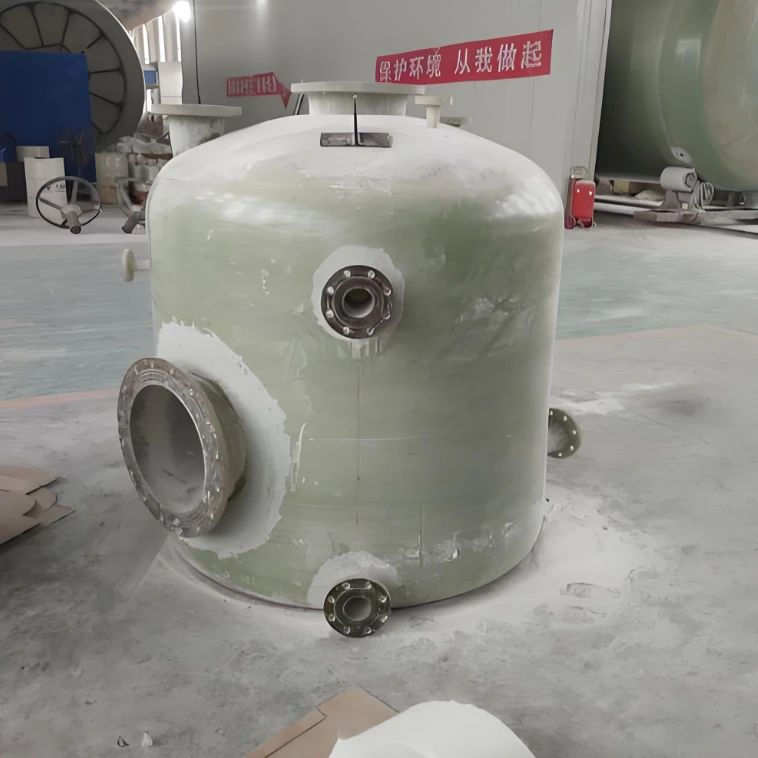
Most square water tanks are designed with ultra-resilient materials. FRP, for example, combines corrosion resistance with UV protection, ensuring longevity even under harsh conditions. This makes them ideal for both indoor and outdoor setups, reducing replacement frequency and maintenance costs.
Space Optimization
The square shape means tanks stack or fit snugly where round tanks simply can't, optimizing every inch in tight spaces — be it urban rooftops or limited industrial zones.
Scalability and Modular Design
Many manufacturers offer modular tank systems allowing multiple square tanks to connect. This flexibility is huge in adapting to expanding water needs without replacing entire systems.
Cost Efficiency
The combination of lower material waste during manufacturing due to simpler shapes and reduced installation time translates into lower upfront and operational expenses.
Ease of Transport and Installation
Flat sides make transportation easier and safer, reducing damage risks during shipment and installation, especially critical in disaster-relief or remote-area projects.
Mini Takeaway:
Square water tanks’ unique advantages stem from their shape and materials — spanning durability, spatial efficiency, and modularity. These features are core to their growing global adoption.
4. Real-World Applications of Square Water Tanks
In practical terms, square water tanks have become indispensable across diverse sectors and geographies:
- Disaster Relief Operations: The rapid provisioning of clean water using portable square tanks helps prevent disease and supports basic human dignity in post-disaster zones.
- Urban Water Management: Cities with limited rooftop or ground space utilize square tanks to support rainwater harvesting and emergency reserves.
- Agricultural Regions: Efficient irrigation depends on consistent water supply, where modular square tanks provide flexible storage solutions tailored to seasonal demands.
- Industrial Sites: Remote operations often integrate rugged square tanks to secure process water or firefighting reserves.
Take, for example, a recent project in East Africa where NGOs deployed modular square tanks to rural clinics, dramatically improving water access and reducing contamination.
5. Table: Product Specifications of a Typical Fiberglass Square Water Tank
| Specification | Details |
|---|---|
| Material | Fiberglass Reinforced Plastic (FRP) |
| Capacity Range | 500 to 20,000 liters |
| Dimensions (L×W×H) | Varies; typical 2m × 2m × 1.5m |
| UV Resistance | Yes, with protective coating |
| Installation | Modular, bolted assembly |
| Lifespan | 15+ years (typical) |
6. Comparing Top Square Water Tank Vendors
| Vendor | Material Options | Capacity Range | Customization | Global Presence |
|---|---|---|---|---|
| Long Xuan FRP | FRP, Polyethylene | 500 - 50,000 L | High (modular design) | Asia, Africa, Europe |
| AquaStor Systems | Stainless Steel, FRP | 1,000 - 100,000 L | Medium | North America, Europe |
| Global Tank Solutions | Polyethylene | 250 - 25,000 L | Low to Medium | Worldwide |
7. Advantages & Long-Term Value
The benefits of square water tanks go beyond simple storage:
- Cost Benefits: Materials and installation methods reduce upfront expenditure.
- Sustainability: Recyclable materials and efficient design lower environmental impact.
- Social Impact: Reliable water access improves community health and supports local economies.
- Reliability: Resistant to corrosion, UV, and physical stresses, ensuring dependable performance.
Frankly, knowing that your water supply will hold steady during unexpected conditions inspires both trust and peace of mind — something anyone managing water resources values deeply.
8. Future Trends & Innovations
Looking ahead, square water tanks are evolving with the times:
- Green Energy Integration: Some tanks embed solar-powered filtration or monitoring sensors.
- Digital Transformation: IoT-enabled tanks that track water levels and quality remotely are gaining ground.
- Advanced Materials: Research into biodegradable composites promises even greener solutions.
- Policy Shifts: New regulations encouraging water conservation enhance market demand.
9. Challenges & Solutions
While promising, square water tanks face a few hurdles:
- Weight Concerns: Some FRP tanks can be heavier + require solid foundations.
- Initial Cost Perception: Despite long-term savings, upfront costs may deter buyers.
- Maintenance Needs: Tanks require regular inspection to avoid leaks or contamination.
Experts recommend thorough site assessment and training on tank upkeep to overcome these issues. Additionally, modular designs enable phased investment, easing upfront financial burdens. Advances in lightweight composite materials might also help point #1 soon.
10. FAQ: Frequently Asked Questions About Square Water Tanks
Q1: How does a square water tank compare to a traditional round tank in terms of durability?
A1: Both shapes offer solid durability, but square tanks made from materials like FRP often feature reinforced flat panels, providing excellent corrosion resistance and UV protection. However, round tanks naturally distribute pressure evenly, so quality design matters most for longevity in either shape.
Q2: Are square water tanks suitable for rooftop installation?
A2: Yes, their shape allows for optimized use of flat rooftop spaces, making them ideal for urban settings. However, proper structural support and expert installation are essential to manage the tank’s weight safely.
Q3: What maintenance is typically required for square water tanks?
A3: Routine inspections for cracks, leaks, and water quality are important. Periodic cleaning prevents sediment build-up and microbial growth, especially if used for drinking water. Maintenance schedules depend on usage and environment.
Q4: How long do square water tanks usually last?
A4: With regular maintenance, many FRP square tanks last 15-20 years or more. Material quality and environmental exposure affect overall lifespan.
Q5: Can these tanks be customized for different capacities and configurations?
A5: Absolutely. Most vendors offer modular designs allowing for easy capacity expansion or modifications to fit specific site constraints or operational needs.
11. Conclusion & Call to Action
Ultimately, square water tanks offer a compelling mix of practicality, sustainability, and innovation that meet the pressing demands of water management worldwide. Their modularity, durability, and efficient design not only save space and money but also empower communities, industries, and governments to better steward water resources in uncertain times.
Curious to explore what a square water tank can do for your project? Visit Long Xuan FRP’s website for comprehensive options tailored to your needs.
Water storage might seem basic, but it’s the backbone of health and progress — and square tanks are quietly revolutionizing how we secure this vital resource.
Reflection: In researching this piece, I was reminded how water tank design knowledge spans engineering, sustainability, and social impact — an encouraging reminder that even straightforward tech can profoundly affect lives.
References






Address
20 Xingyuan South Street, Zaoqiang County, Hengshui City, Hebei Province, China


