



We Are Open 24 Hours a Day, 7 Days a Week, Including Weekends and Public Holidays.

Square Water Tank 300 Ltr Price – What You Need to Know Before Buying
Understanding the Square Water Tank 300 Ltr Price: A Practical Guide
Water storage is a universal need, touching everything from rural households to large-scale industrial facilities. Among the many solutions, the square water tank 300 ltr price has emerged as a key consideration for individuals and organizations looking for practical, efficient, and cost-conscious water storage. Why does it matter? Because clean, safe water storage plays a direct role in health, sustainability, and infrastructure resilience worldwide.
Introduction: The Global Importance of Water Storage Costs
Water scarcity affects roughly 2 billion people worldwide according to the UN’s Water report (2023), making affordable and reliable water containment critical. Whether in urban settings dealing with intermittent supply or remote areas where water transport costs skyrocket, the decision around what kind of tank — and at what price — to buy is a real challenge. The square water tank 300 ltr price often represents a sweet spot for balancing volume, footprint, and cost, yet many don’t know the factors influencing this price or why it even matters to policy makers and engineers.
What is a Square Water Tank 300 Ltr Price?
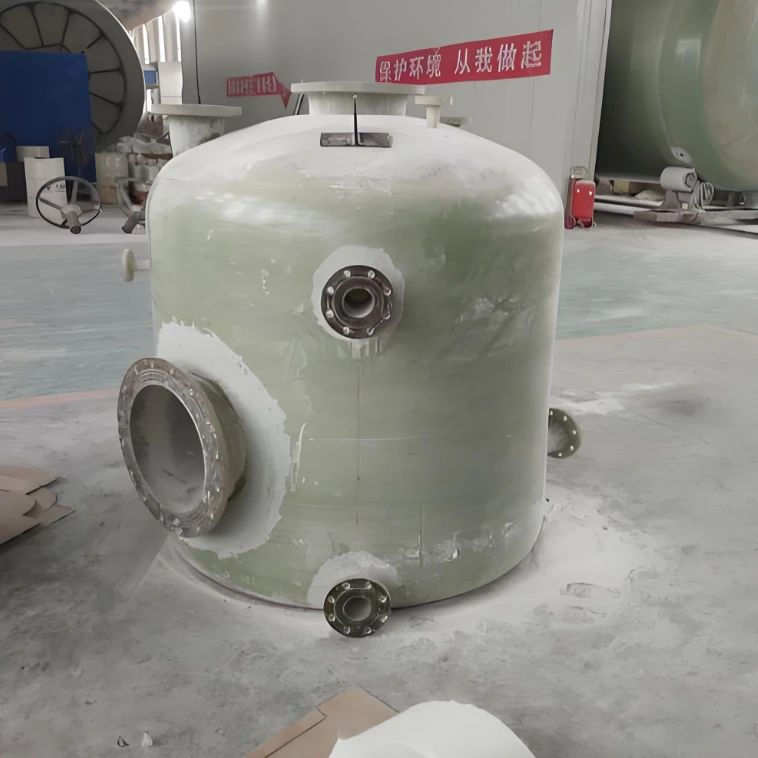
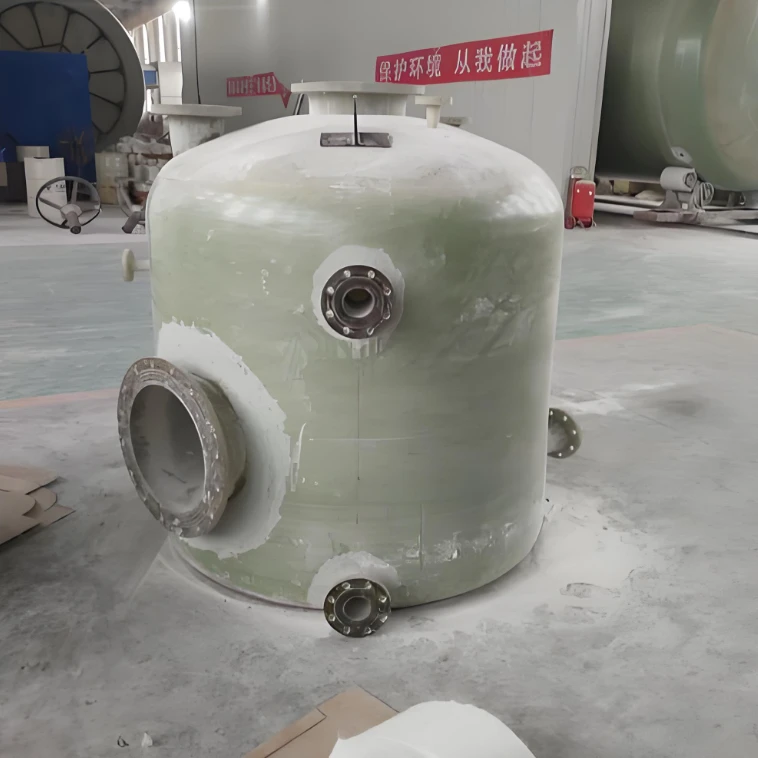
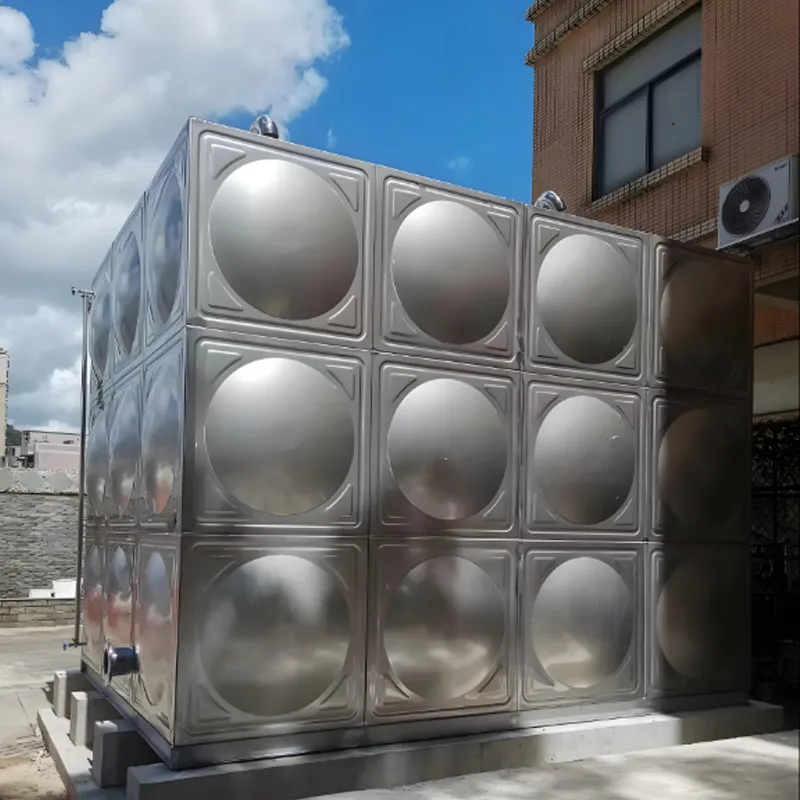
Simply put, it’s the cost to purchase a water storage tank that holds 300 liters and has a square-shaped design. These tanks are typically made from durable materials like polyethylene or fiberglass-reinforced plastic (FRP), offering a compact footprint that fits well in tight spaces and allows easy stacking or alignment.
In modern industry — think construction sites, agriculture, or emergency relief scenarios — choosing the right capacity and shape can improve storage logistics and reduce waste. That’s why understanding the price isn’t just about dollars; it’s about the smart use of resources and long-term water management strategies.
Key Factors Affecting Square Water Tank 300 Ltr Price
Material Quality and Durability
One of the biggest price drivers is the tank material. FRP tanks tend to be pricier but offer better UV resistance and longevity compared to basic plastic. Some buyers value durability enough to pay a bit more upfront — which saves replacement costs later.
Design and Manufacturing Standards
Tanks conforming to ISO standards (like ISO 9001 for quality management) carry higher price tags but come with guarantees on leak-proof performance and material safety. These standards matter to commercial buyers specifically — NGOs and governments often require certified products.
Customization and Features
Are you adding fittings, supports, or UV coatings? Each feature increases costs but can significantly improve functionality. For example, bacteria-proof additives or reinforced walls support health and safety in sensitive environments.
Logistics and Installation
Surprisingly often overlooked: delivery distance and installation costs influence the square water tank 300 ltr price in real terms. Remote areas might face hefty shipping fees, which buyers should factor in.
Typical Specifications of a Square Water Tank 300 Ltr
| Specification | Details |
|---|---|
| Capacity | 300 Liters |
| Material | Polyethylene or Fiberglass Reinforced Plastic (FRP) |
| Dimensions (LxWxH) | Approx. 60cm x 60cm x 85cm |
| Weight | Around 6-8 kg (empty) |
| UV Resistance | Yes, depending on coating |
| Certifications | ISO 9001, NSF certification (optional) |
Vendor Comparison: Square Water Tank 300 Ltr Price and Features
| Vendor | Base Price (USD) | Material | Warranty | Extra Features |
|---|---|---|---|---|
| Vendor A | $45 | Polyethylene | 2 years | UV coating |
| Vendor B | $70 | FRP | 5 years | Anti-bacterial layer |
| Vendor C | $55 | Polyethylene | 3 years | Reinforced base |
Global Applications and Real-World Use
The square 300-liter water tank has gained serious traction across diverse contexts. In Asia's dense urban slums, residents rely on space-efficient square tanks for rooftop water storage. In rural Africa, small nonprofits deploy these tanks to harvest rainwater, offering communities a more constant water supply.
Disaster relief groups use the 300-liter size for quick, portable water stations post-flood or earthquake, since it balances volume and weight for transport. Industrial sites incorporate them into process water storage where space and budget constraints coexist. So, it's a sort of universal solution, in ways.
Advantages and Long-Term Value
- Cost-Effective: Affordable upfront and maintainable with low replacement frequency.
- Space Saving: Square shape allows easier stacking, great for compact environments.
- Durability: Quality tanks resist UV, bacteria, and weathering to last years.
- Sustainability: Helps in water harvesting and smart usage reducing wastage.
- Social Impact: Improved water access boosts health and dignity.
Future Trends and Innovations
Looking forward, there’s quite a buzz about integrating smart sensors inside water tanks — you know, IoT-enabled systems that monitor water level, quality, and leaks in real time. Green manufacturing methods and bio-based plastics may soon lower environmental footprints, too. Oddly enough, digital transformation in such a traditional segment feels overdue. The price point of square water tank 300 ltr could shift with these advancements, but the goal remains clear: better, affordable water storage for all.
Challenges and Possible Solutions
Still, challenges linger. Price fluctuations due to raw material costs can confuse buyers. Some tanks fail prematurely because of poor installation or lack of regulatory quality checks. To counter these, reinforced standards and stronger supplier partnerships matter. Also, educating end-users on maintenance extends lifespan tremendously.
FAQs About Square Water Tank 300 Ltr Price
-
Q: What determines the biggest part of the cost in a 300-liter square water tank?
A: Material choice and manufacturing quality usually account for the bulk of the price, with additives like UV resistance or antibacterial coatings adding incremental cost. -
Q: Are square water tanks more space-efficient than cylindrical ones?
A: Generally, yes. Their shape allows for better utilization of corner spaces and easy alignment side by side, which is useful in compact or rooftop installations. -
Q: Can I install one tank myself or do I need professional help?
A: Installation is often straightforward for 300 ltr tanks, but uneven surfaces or improper fittings can cause leaks. Professional help ensures durability and warranty validity. -
Q: How long does a quality 300-liter tank typically last?
A: With proper care and decent materials, you can expect 8–15 years of service — sometimes more depending on environmental conditions. -
Q: Where is the best place to buy a reliable square water tank at a reasonable price?
A: Reputable vendors adhere to certifications and warranties. Checking square water tank 300 ltr price options from trusted suppliers online saves time and frustration.
Conclusion: Why Monitoring the Square Water Tank 300 Ltr Price Matters
In short, knowing the nuances behind the square water tank 300 ltr price empowers better buying decisions that ripple out into public health, sustainability, and operational efficiency. It’s not just a container, but a node in the global water economy. So whether you’re a household buyer, NGO, or business, pay attention, budget wisely, and plan for the long run.
For more detailed info and great deals, why not visit our website today?
Final takeaway: Affordable, durable, and compact – the 300-liter square water tank stays a quiet but essential hero in water management worldwide.
References






Address
20 Xingyuan South Street, Zaoqiang County, Hengshui City, Hebei Province, China


