



We Are Open 24 Hours a Day, 7 Days a Week, Including Weekends and Public Holidays.

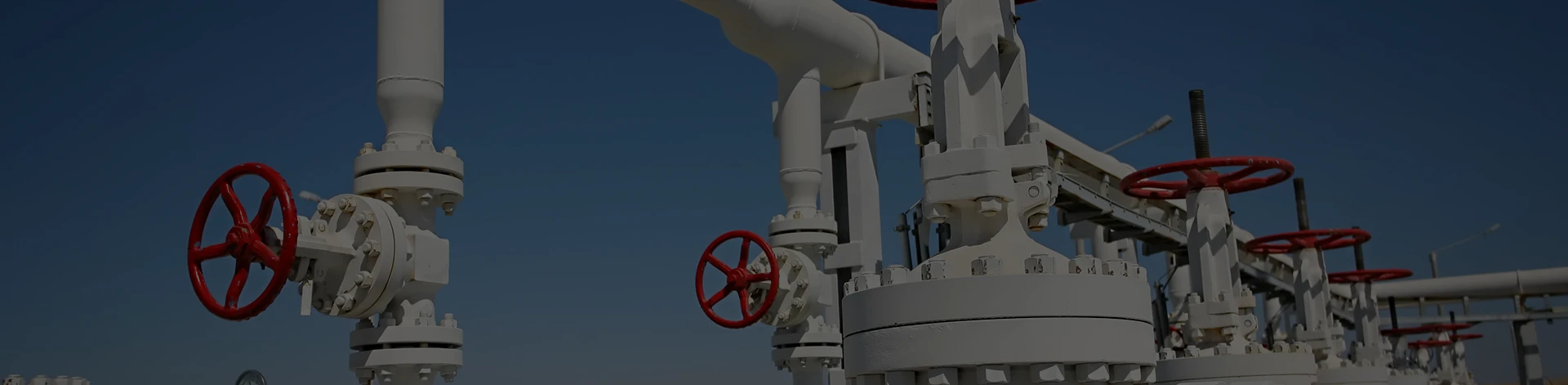
Reliable FRP Pipe Suppliers for Industrial Applications
Why Choosing the Right FRP Pipe Suppliers Matters
Having spent a good chunk of my career around industrial piping, I can’t stress enough how often the choice of FRP pipe suppliers makes or breaks a project. Frankly, fiberglass reinforced plastic (FRP) pipes are a bit like the unsung heroes of the pipe world—lightweight yet tough, corrosion resistant but still customizable, and structurally reliable across a host of industrial uses. When it comes down to it, the right supplier isn’t just about price; it’s about consistency, testing standards, and the ability to tailor pipes for very specific industrial demands.
Oddly enough, I’ve seen cases where a supposedly “standard” FRP pipe just wouldn’t hold up in extremely corrosive chemical environments. And the blame usually traces back to supplier specs or the resin formulas they use. So you do have to dig a little, ask for test reports, and get an honest sense of who’s really on top of quality control.
Understanding FRP Pipe Specifications: What You Should Look For
Not all FRP pipes are made equal. Some engineers tend to overlook this, but in real terms, pipe thickness, resin type, and reinforcement layout can dramatically affect performance. For example, vinyl ester resin is often preferred for aggressive chemical resistance over polyester resins, while epoxy resins might be used where flexural strength is important.
| Specification | Typical Range | Notes |
|---|---|---|
| Diameter | 50mm - 2000mm | Wide range for various applications |
| Wall Thickness | 3mm - 50mm | Depends on pressure and corrosion requirements |
| Resin Type | Vinyl ester, Polyester, Epoxy | Vinyl ester preferred for chemical environments |
| Pressure Rating | Up to 2.5 MPa | Depends on design and intended use |
| Temperature Range | -40°C to 120°C | Higher temps need epoxy resins |
One thing I always appreciated was suppliers who take the time to explain these specs plainly—without overselling or making a complex product feel like rocket science. Some of the best interactions I’ve had with vendors were basically experts chatting freely about resin longevity or how fiber orientation affects mechanical strength. It’s part of building trust.
Comparing Top FRP Pipe Suppliers: What Sets Them Apart?
So, in the spirit of trying to make sense of the crowd out there, here’s a quick vendor table I put together. It's far from exhaustive, but it captures some useful points that many engineers and project managers ask about when choosing a supplier:
| Supplier | Product Range | Customization | Quality Certifications | Lead Time |
|---|---|---|---|---|
| Longxuan FRP | Extensive, including pipes, fittings, tanks | High (custom sizes & resins) | ISO 9001, ASTM compliant | 3-6 weeks |
| Supplier B | Moderate range | Medium (standard sizes) | ISO 9001 | 4-8 weeks |
| Supplier C | Niche, mostly fittings | Low | No certifications listed | 2-4 weeks |
I’m partial to suppliers like Longxuan FRP because they don’t just provide a product—they offer the kind of hands-on collaboration that reflects real field needs and quality assurance. Their lead times are reasonable, and the customization options make installing pipes in unusual environments or complex layouts far less painful.
A Small Customer Insight: When FRP Pipes Make a Difference
To give you a bit of color, I recently worked on a water treatment upgrade where the plant’s previous steel piping kept corroding, causing delays and extra costs. Moving to FRP pipes from a trusted supplier turned out to be a game-changer. Not only did the pipes outlast our expectations in aggressive chemical exposure zones, but the weight reduction simplified installation. Oddly enough, the crew joked that handling 50% lighter pipes felt like catching a break on a tough job.
It’s moments like that that remind me this isn’t just material — it’s about smart investment, maintenance freedom, and often, peace of mind.
Final Thoughts on FRP Pipe Suppliers
If you’re on the lookout for FRP pipes, do yourself a favor and lean towards suppliers who really understand your specific project conditions — from chemical exposure to temperature fluctuations. In my experience, that attention to detail shapes success more than just the lowest upfront price.
At the end of the day, quality FRP pipe suppliers not only sell pipes; they provide a foundation for industrial reliability that lasts years. So don’t cut corners — choose wisely, ask questions, and test where possible.
Until next time, keep your pipes strong and your projects flowing!
References and Reflections:
- Industry reports from ASTM International on FRP pipe standards.
- Customer feedback and case studies from Longxuan FRP technical team.
- My own experience with chemical plant retrofits and piping maintenance.





Address
20 Xingyuan South Street, Zaoqiang County, Hengshui City, Hebei Province, China


