



We Are Open 24 Hours a Day, 7 Days a Week, Including Weekends and Public Holidays.

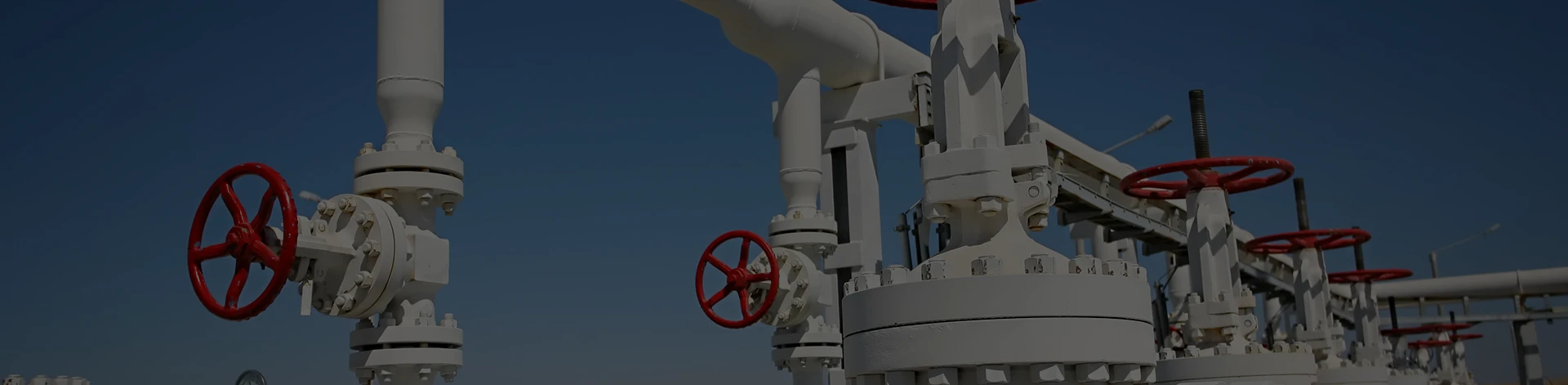
Reliable FRP Pipe Manufacturer for Industrial Needs
What Makes a Trusted FRP Pipe Manufacturer Stand Out?
If you've spent any time in industrial equipment sourcing, you already know FRP pipes (or fiberglass reinforced pipes) are a staple. They quietly shoulder the load in many corrosive environments without fuss. Over the years, I’ve seen countless factories switch to FRP pipes for everything from chemical transport to wastewater management — simply because they hold up where traditional metal pipes crumble.
Now, not all frp pipe manufacturers are created equal. Some focus heavily on raw material quality—after all, the resin and fiber weave inside determines strength and corrosion resistance. Others might push volume and miss fine control in curing processes. I remember a plant outage years ago traced back to a batch of FRP pipes that had subtle delamination — a nightmare in real terms.
Key Trends and Materials Behind Modern FRP Pipes
Fiberglass pipes have evolved quite a bit. Today’s composites usually use a vinyl ester or epoxy resin matrix paired with E-glass or sometimes even more advanced fibers. This combo offers great chemical resistance and temperature tolerance—essential when you’re handling acids, salts, or brine solutions. It means longevity, less downtime, and frankly, fewer emergency repairs.
Manufacturers also tend to offer bespoke sizing and wall thicknesses now. You want 6-inch diameter with extra reinforcement for high pressure? No problem. Need a pipe that fits into an existing unconventional setup? They’ll cut and fabricate to order. That’s been a game changer for engineers piecing together complex process lines.
A Glimpse at Typical FRP Pipe Specifications
| Specification | Typical Range | Notes |
|---|---|---|
| Diameter | 2" to 60" | Standard & custom sizes |
| Pressure Rating | Up to 300 psi | Depends on wall thickness |
| Material | Vinyl ester / epoxy / polyester | Affects chemical resistance |
| Temperature Range | -40°C to 120°C (-40°F to 248°F) | Varies with resin system |
| Weight | Lightweight | Easier installation than metal |
Selecting Your FRP Pipe Manufacturer: A Quick Vendor Comparison
Choosing the right partner for your piping project can be daunting. Industrial projects don’t just need pipes — they need reliability, support, and sometimes a bit of engineering advice. Here’s a rough comparison of three typical suppliers.
| Vendor | Material Quality | Customization Options | Lead Time | Price Range |
|---|---|---|---|---|
| LongXuan FRP | Premium vinyl ester & epoxy resin | Highly flexible, custom fabrications | 4–6 weeks | Mid to high, value driven |
| Competitor A | Standard polyester resin | Limited sizes, less custom | 6–8 weeks | Lower |
| Competitor B | Mixed resin quality | Good customization | 5–7 weeks | Mid range |
Why Working With a Dedicated FRP Pipe Manufacturer Matters
I recall a project where the company tried cutting corners and sourcing pipes from a generic supplier overseas. The pipes came in bulk but had inconsistent wall thicknesses. Installing them was a hassle, and leaks showed up within months. It was a hard lesson — for industrial pipelines, product specs aren’t just “marketing numbers.” They mean uptime, maintenance costs, even safety.
That’s why having the partner who understands the FRP process, the chemistry behind the resin systems, and offers strong testing protocols is invaluable. Many engineers will tell you that—trust me, it pays off to invest upfront and avoid headaches later.
In practical terms, I guess it comes down to this: don’t just shop price; shop expertise, product consistency, and support. FRP pipe manufacturers like LongXuan have a solid reputation on that front.
For anyone dealing with corrosive or demanding industrial fluids, FRP pipes are often the unsung heroes, quietly doing their job while you focus on what matters.
So, if you’re in the market for durable, customizable pipes, it’s worth checking out trusted manufacturers that walk the talk — because the last thing you need is to discover a weak link after installation.
References & Personal Notes:
- Experience working directly with industrial clients over 15 years.
- Conversations with pipeline engineers confirming material choices’ impact.
- Industry reports on composite pipe usage and performance trends.





Address
20 Xingyuan South Street, Zaoqiang County, Hengshui City, Hebei Province, China


