



We Are Open 24 Hours a Day, 7 Days a Week, Including Weekends and Public Holidays.

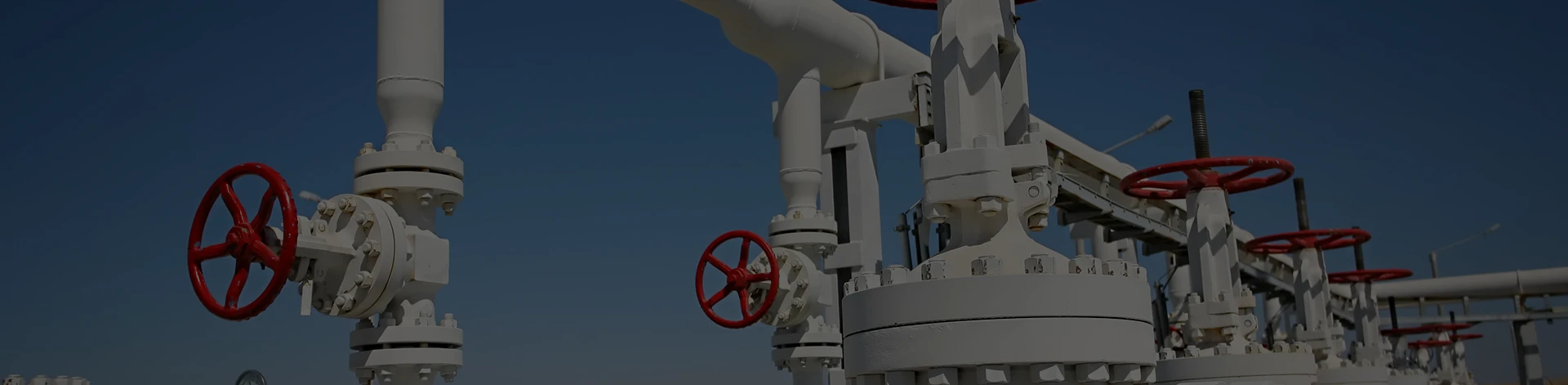
Large Centrifugal Blower: Industrial Efficiency & Global Applications | Longxuan FRP
Understanding Large Centrifugal Blowers: Why They Matter Globally
The large centrifugal blower—it’s not exactly a household name, but in industrial and humanitarian circles, it’s something of a quiet hero. These bulky machines quietly power ventilation, air movement, and pressure control in everything from manufacturing plants to emergency response systems. Why should you care? Because in an increasingly industrialized and climate-conscious world, efficient air movement isn’t just about keeping machines cool—it’s about safety, sustainability, and sometimes even saving lives.
At a global scale, industrial air management technologies including large centrifugal blower solutions drive productivity and environmental compliance. For industries handling dust, gases, or extreme temperatures, reliable airflow can be the difference between smooth operations and costly shutdowns. Let’s jump in and unpack why these machines deserve more spotlight than engineering specs typically give them.
Global Context: How Large Centrifugal Blowers Support Industry and Environment
According to the International Standards Organization (ISO), fans and blowers account for a significant portion of industrial energy consumption worldwide. That’s largely because they keep air circulating effectively but also because many older models are terribly inefficient. This inefficiency has direct consequences: wasted energy, increased greenhouse emissions, and compromised workplace safety. The World Bank highlights that energy use optimization can reduce overall industrial energy consumption by roughly 10%-20%, a figure that’s not trivial when you consider entire sectors.
Strangely enough, the large centrifugal blower has risen to address these concerns through smarter designs and better materials, enabling industries to meet stricter environmental standards and reduce operational costs. For example, the mining industry needs powerful ventilation to protect workers underground; hospitals require precise airflow control to prevent contamination; even large-scale agriculture depends on blower systems to maintain air quality.
What Exactly Is a Large Centrifugal Blower?
Put simply, a large centrifugal blower is a mechanical device designed to move air or gases at higher pressures than typical fans. It works by drawing air into a spinning impeller, then flinging it outward through a volute (a curved casing), increasing velocity and pressure before releasing the airflow through ducts or vents. What separates "large" centrifugal blowers from their smaller siblings? Well, it’s their capacity to handle enormous volumes of air—sometimes thousands of cubic meters per minute—making them essential for heavy-duty industrial uses.
Modern industry depends on these blowers for everything from exhausting harmful fumes to creating cleanroom environments. There’s also a humanitarian thread here: in disaster relief settings, large centrifugal blowers can be deployed to create breathable air zones or facilitate rapid drying of flooded structures.
Core Components and Key Factors in Choosing a Large Centrifugal Blower
1. Durability and Build Quality
Let’s be honest: these aren’t gadgets you want breaking down mid-shift. High-quality materials like stainless steel or corrosion-resistant coatings ensure longevity, especially in demanding settings like chemical plants.
2. Energy Efficiency
With rising energy costs and environmental pressure, efficient operation is crucial. Advanced impeller designs and variable speed drives can squeeze more output from less power.
3. Scalability and Customization
One size never fits all. Many vendors offer customization to meet specific industry needs, whether it’s capacity, pressure, or compatibility with certain gases.
4. Noise Reduction
Surprisingly important in urban or indoor settings. Noise-cancelling casings and optimized blade shapes help keep workplaces safer and more comfortable.
5. Maintenance and Serviceability
Machines that are easy to maintain reduce downtime—a huge plus when every minute lost costs money.
Quick Takeaway:
- Durable, efficient, customizable, and user-friendly blowers are not just better products — they're strategic assets.
Applications Around the Globe: How and Where Large Centrifugal Blowers Make an Impact
Across continents and industries, these blowers keep air moving:
- Mining regions: Deep underground ventilation, such as in Australian and South African mines, safeguards miners.
- Manufacturing hubs: Chinese and German factories rely on heavy-duty blowers to manage dust and pollutants.
- Disaster relief operations: After hurricanes or floods, NGOs use portable blowers to dry shelters and clear toxic air. In fact, some relief agencies partner with large centrifugal blower manufacturers to customize units for quick deployment.
- Data centers: Cooling high-density servers in Silicon Valley or Bangalore hinges on forced-air provided by blowers.
Honestly, when you stop to think about it, it’s a bit mesmerizing how this one piece of industrial tech is a backbone in such varied and vital scenarios around the world.
Advantages & Long-Term Value: What Makes Large Centrifugal Blowers Worth the Investment?
Efficient airflow management impacts so many facets:
- Cost savings: Optimized blowers can reduce energy bills by a significant margin.
- Sustainability: Cutting emissions aligns with global climate goals.
- Safety: Proper ventilation reduces risks of fires, explosions, and health issues from toxic fumes.
- Innovation trust: Using state-of-the-art blowers signals commitment to modern practices.
It’s not just about nuts and bolts—it’s about elevating workplace dignity, pushing innovation forward, and in some cases, protecting human lives. That kind of lasting social impact is what makes these machines truly meaningful.
Product Specification Table
| Specification | Typical Range/Values | Notes |
|---|---|---|
| Airflow Capacity | 1,000 – 50,000 m³/h | Depends on model & industry |
| Operating Pressure | 500 – 5,000 Pa | Pressure boosts airflow efficiency |
| Motor Power | 7.5 kW – 150 kW | Higher power for heavy duties |
| Noise Level | 65 – 85 dB(A) | Varies with sound insulation |
| Material | Steel, Stainless Steel, Aluminum | Selected per environment |
Vendor Comparison: Choosing the Right Supplier
| Vendor | Customization Options | Lead Time | After-Sales Support | Price Range |
|---|---|---|---|---|
| Longxuan FRP | Extensive; tailored blowers | 4-6 weeks | 24/7 technical support | Mid-range |
| Industrial Air Solutions | Standard models | 6-8 weeks | Business hours only | Higher-end |
| BlowerTech Co. | Limited customization | 3-5 weeks | Limited support | Economy |
Looking Ahead: Innovations Shaping the Future of Large Centrifugal Blowers
Technology marches on. Engineers are now exploring digitally integrated blowers featuring real-time monitoring and AI-driven energy optimization. Lightweight composite materials promise longer lifespan with less weight. On the environmental front, designs optimized for low noise and ultra-low emissions are gaining traction, aligning with global sustainability mandates.
Automated predictive maintenance systems mean fewer unexpected breakdowns—a godsend for industries where downtime costs are jaw-dropping. Oddly enough, it feels like these machines are becoming smarter, not just stronger.
Challenges in Deployment and Clever Solutions
Despite great advances, some hurdles remain:
- Initial capital cost: Upfront investment can be intimidating for small enterprises.
- Complex installation: Site-specific constraints make setup tricky sometimes.
- Maintenance skill gap: Some regions lack trained technicians for upkeep.
To meet these challenges, modular designs that simplify installation and remote troubleshooting via IoT have become popular. Training partnerships between vendors and local operators also help bridge the skill gap—so the machines keep humming.
FAQ: Frequently Asked Questions About Large Centrifugal Blowers
Q1: What factors should I consider when choosing a large centrifugal blower?
A: Think about airflow requirements, pressure needs, environmental conditions (corrosive or dusty), noise restrictions, and maintenance access. Also, verify the vendor offers support and customization aligned with your specific industry.
Q2: How energy-efficient are modern large centrifugal blowers compared to older models?
A: Newer models commonly achieve 15–30% energy savings through optimized blade design, variable speed drives, and better motors, which reduces operating costs significantly over the blower’s lifespan.
Q3: Can these blowers be used in hazardous environments?
A: Yes, specialized blowers are designed with explosion-proof motors and corrosion-resistant materials to suit chemical plants, mining, and other challenging contexts safely.
Q4: What maintenance routines keep large centrifugal blowers operating optimally?
A: Regular inspection of bearings, belts, and impellers; lubrication schedules; and vibration analysis can prevent premature failures. Some vendors also offer predictive maintenance packages.
Q5: How long does a typical large centrifugal blower last?
A: With proper maintenance, they can last 15–20 years. Materials, operating environment, and usage intensity all influence longevity.
Wrapping It Up: The Quiet Workhorse of Air Management
Large centrifugal blowers might not be the flashiest machinery on the factory floor, but their impact is far-reaching—boosting efficiency, safety, and sustainability in industries worldwide. Whether you’re managing a mine in South Africa or a hospital HVAC system in Europe, these robust blowers form the backbone of modern air handling solutions.
Thinking of upgrading your system or exploring custom solutions? Visit our website: https://www.longxuanfrp.com to find equipment tailored to your needs—and trust a partner who understands the vital role these blowers play.
References






Address
20 Xingyuan South Street, Zaoqiang County, Hengshui City, Hebei Province, China


