



We Are Open 24 Hours a Day, 7 Days a Week, Including Weekends and Public Holidays.

Industrial Centrifugal Blower Fan – Efficient Airflow Solutions for Global Industries
Industrial Centrifugal Blower Fan: The Unsung Hero of Modern Industry
If you’re in manufacturing, HVAC, or heavy industries, chances are you’ve relied on an industrial centrifugal blower fan, even if unknowingly. These mechanical workhorses push air or gases through complex ductwork, ventilate massive factories, and keep sensitive processes cooled and safe. But beyond the nuts and bolts, understanding these fans matters globally because they influence energy efficiency, workplace safety, and even environmental impacts. In a world pushing toward sustainable industrial operations, knowing the ins and outs of centrifugal blowers—why they’re vital, how they’re evolving, and where they really shine—is surprisingly rewarding.
Why Industrial Centrifugal Blower Fans Matter Globally
From sprawling petrochemical plants in the Middle East to paper mills in Scandinavia, these fans play an essential role in moving air and gases safely and effectively. According to the International Organization for Standardization (ISO), energy use in industrial ventilation approaches 10% of global industrial electricity consumption. That means improving blower efficiency—especially centrifugal types—can significantly cut energy footprints.
World Bank data suggests that industrial ventilation failures contribute to 5-7% of workplace illnesses globally. Blower fans, when well-designed, help mitigate these risks by improving air quality and reducing toxic exposure. So in real terms, these aren’t just machines; they’re lifesavers and energy savers wrapped into one.
Challenges Addressed by Centrifugal Blowers
- Efficient air movement in harsh industrial environments
- Safe handling of corrosive or particulate-laden air streams
- Robust operation under varying pressure and volume demands
Mini takeaway: Efficient, reliable airflow isn't just about comfort—it’s a linchpin in operational safety, cost control, and sustainability worldwide.
What Exactly is an Industrial Centrifugal Blower Fan?
In the simplest terms, an industrial centrifugal blower fan uses a spinning impeller to draw air into the center and throw it outward by centrifugal force through a discharge duct. Unlike axial fans, these are better suited for high-pressure, lower-volume air movement, making them perfect for industrial scale systems requiring robust, steady airflow against resistance.
Put another way, if you imagine the difference between blowing on a candle and using a leaf blower, centrifugal blowers are the latter: powerful, focused, and ready to tackle tough environments like chemical plants, mining operations, or power stations.
Why Are They Crucial for Modern Industry?
- Handle dust, fumes, or gases safely
- Maintain clean room environments in pharmaceuticals or electronics manufacturing
- Support HVAC and cooling systems in giant factories or data centers
Mini takeaway: It’s not just an air mover—it’s a precision tool for tailored airflow in complex industrial systems.
Core Components That Make These Fans Tick
1. Durability & Material Selection
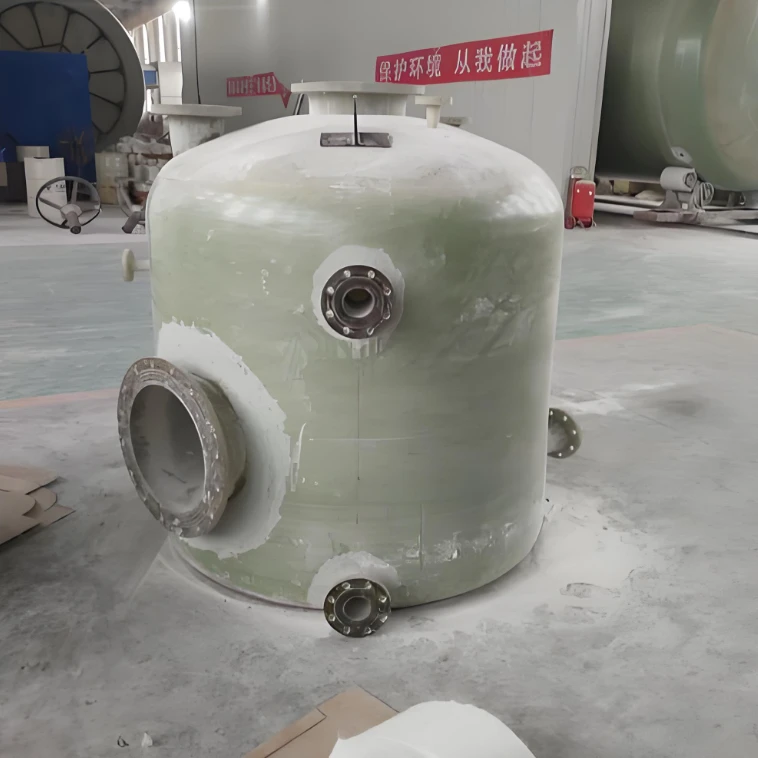
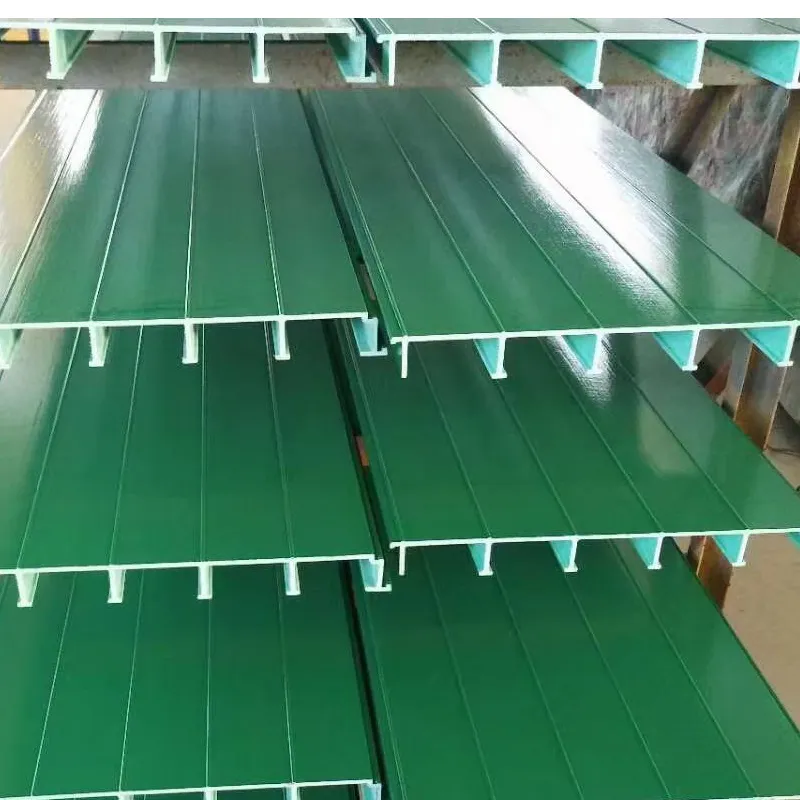
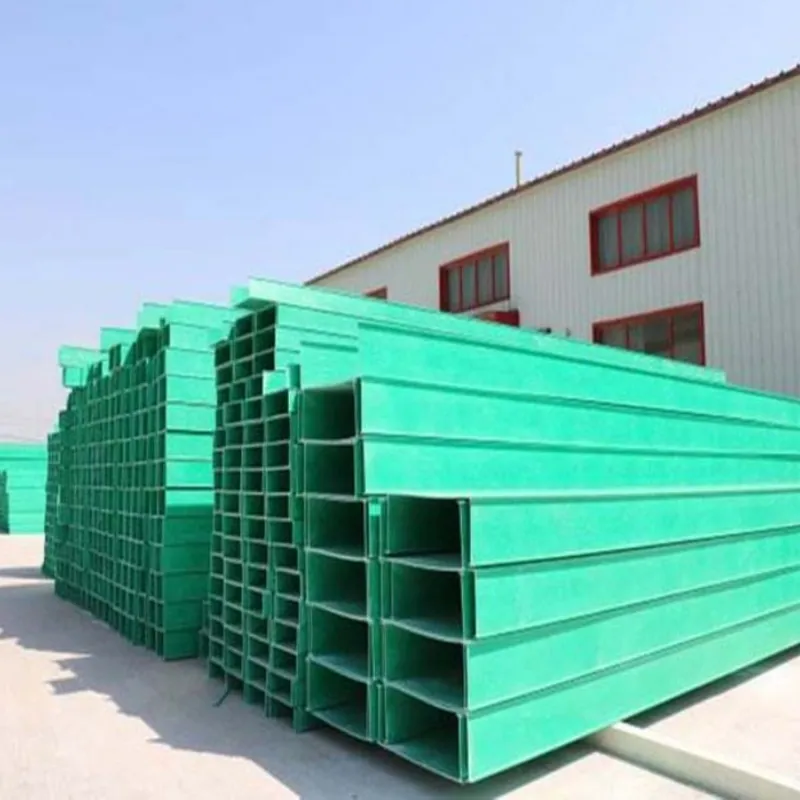
Industrial fans face harsh conditions—think corrosive gases, extreme temperatures, or abrasive dust. So manufacturers often use stainless steel, aluminum alloys, or even specialized composite materials like FRP (fiber reinforced polymer) to boost durability.
2. Scalability & Size Options
From compact units serving small workshops to giant blowers moving tens of thousands of cubic feet per minute, scalability is key. The design adapts to a range of applications without sacrificing reliability.
3. Energy Efficiency
Through aerodynamic impeller designs and variable frequency drives, modern blowers optimize power consumption. It’s a balancing act between air pressure, volume, and electrical draw.
4. Maintenance Accessibility
Industrial environments don’t forgive downtime easily. Fans are built with service doors and modular parts to speed up repairs and inspections.
5. Noise Control
Blowers can be loud, but sound-dampening designs and isolating mounts reduce impact—important for worker health and compliance.
| Specification | Range/Value | Units |
|---|---|---|
| Airflow Capacity | 1,000 - 60,000 | CFM (cubic feet/min) |
| Operating Pressure | 2 - 12.5 | Inches WC (Water Column) |
| Power Consumption | 1 - 150 | kW |
| Material | Stainless Steel, FRP | - |
| Noise Level | 65 - 90 | dB(A) |
Where Industrial Centrifugal Blower Fans Are Changing the Game
Globally, you’ll find these fans humming away in diverse sectors:
- Mining and Minerals: Ventilation in deep mines to improve air quality and reduce hazardous gases.
- Chemical Processing: Moving toxic or corrosive gases through scrubbers and filtration systems.
- Power Generation: Cooling turbines and managing furnace exhausts.
- Food & Pharma: Clean room airflow control, vital for contamination prevention.
- Disaster Relief: In post-disaster rebuilding, temporary industrial ventilation systems often rely on robust centrifugal blowers for air circulation in makeshift plants or shelters.
Regions with extreme climates, like the Middle East and Northern Europe, especially emphasize energy-efficient centrifugal fans to cut operational costs while maintaining air quality and safety.
industrial centrifugal blower fan manufacturers report rising demand in Southeast Asia, where manufacturing growth is buoyant but energy infrastructure is stretched thin.
The Long-Term Value of Industrial Centrifugal Blower Fans
Why invest seriously in these machines? Here’s the thing — they pay back through:
- Cost Savings: Efficient fans slash electricity bills over years.
- Reliability: Less downtime means fewer interruptions, which in some sectors — like pharma or mining — is priceless.
- Sustainability: Lower power use plus less pollution supports greener industrial goals.
- Worker Safety: Proper ventilation reduces airborne hazards.
- Innovation: Modern blowers integrate digital controls for proactive monitoring and adjustments.
On an emotional level, companies gain peace of mind and build trust with stakeholders by visibly committing to safer, cleaner operations.
Emerging Trends & Innovations
The industrial blower space isn’t static. We’re seeing updates like:
- Smart Blowers: IoT sensors detecting wear and automating maintenance alerts.
- Eco-Friendly Materials: Biodegradable composites replacing metals in lighter-duty applications.
- Energy Recovery Systems: Integrating heat exchangers to reclaim exhausted air energy.
- Advanced Aerodynamics: Impellers designed with 3D printing to optimize airflow pathways.
- Noise Reduction Innovations: Using active noise cancelation technology might soon be mainstream.
Facing Challenges Head-On
It’s not always smooth sailing. Common challenges involve:
- Wear & Tear: Abrasive environments erode impellers faster than expected.
- Proper Sizing: Oversized blowers waste energy; undersized compromise airflow.
- Maintenance Knowledge Gaps: Not every operator is trained for advanced diagnostic tools.
Solutions? Many experts advocate for:
- Using modular fans with replaceable parts to reduce downtime.
- Employing digital twin simulations to optimize design and operation.
- Leveraging vendor support for training and condition monitoring systems.
| Brand | Material Options | Energy Efficiency | Customization | Global Reach |
|---|---|---|---|---|
| Longxuan FRP | FRP, Stainless Steel | High (VFDs & smart controls) | Tailored designs for hazardous environments | Asia, MENA, Europe |
| Axis Industrial Co. | Carbon Steel, Aluminum | Medium (standard motors) | Standard models with customization windows | North America, Europe |
| EcoFlow Dynamics | Composite, Stainless Steel | Very High (renewable energy optimized) | Modular with IoT integration | Europe, Asia |
FAQ: Frequently Asked Questions About Industrial Centrifugal Blower Fans
Q1: What industries benefit the most from industrial centrifugal blower fans?
A: They’re vital in mining, chemical processing, power generation, food manufacturing, pharmaceuticals, and HVAC sectors — basically anywhere precise, high-pressure airflow is critical for safety and process control.
Q2: How often should maintenance be performed on these blower fans?
A: Maintenance schedules vary, but generally every 6 to 12 months for routine checks. More frequent inspections are required in abrasive or corrosive environments to prevent failure and extend lifespan.
Q3: Can industrial centrifugal blower fans handle corrosive gases?
A: Yes, when equipped with corrosion-resistant materials like FRP or stainless steel. Customized coatings and designs can further protect critical parts.
Q4: Are smart or IoT-enabled centrifugal blowers worth the investment?
A: Absolutely. They offer real-time monitoring, predictive maintenance, and energy optimization, which reduce downtime and operational costs in the long term.
Q5: How do I choose the right size of centrifugal blower fan?
A: It depends on air volume required, pressure losses in your system, and specific environmental conditions. Consultation with vendors or engineers is recommended to avoid overspending or underperformance.
Wrapping It Up: Why the Industrial Centrifugal Blower Fan Is a Smart Investment
At the crossroads of engineering, environmental stewardship, and operational safety, the industrial centrifugal blower fan holds a deceptively modest but vital role. By moving air efficiently through complex systems, it safeguards workers, saves money, and pushes industries toward a greener future. Whether you’re upgrading an aging facility or planning a new build, these fans are an investment in reliability and innovation.
Think of it like the heartbeat of your ventilation system — steady, powerful, but too often overlooked. Next time you hear it humming, you might just appreciate the quiet work it’s doing to keep machinery purring and environments breathable.
If you want to explore top-tier options tailored to demanding industrial environments, visit Longxuan FRP for comprehensive product lines and expert solutions.
References:
1. International Organization for Standardization (ISO)
2. World Bank Industrial Energy Reports
3. Wikipedia: Centrifugal Fan






Address
20 Xingyuan South Street, Zaoqiang County, Hengshui City, Hebei Province, China


