



We Are Open 24 Hours a Day, 7 Days a Week, Including Weekends and Public Holidays.

Industrial Axial Flow Fan For Sale - High-Efficiency & Durable
Navigating the Industrial Air Movement Landscape: Focus on FRP Axial Flow Fans
In industrial environments, efficient air movement and ventilation are critical for maintaining operational safety, productivity, and environmental compliance. Among the myriad of ventilation solutions, axial flow fans stand out for their ability to handle large volumes of air at relatively low pressures. This article delves into the specific advantages and technical aspects of advanced FRP (Fiber Reinforced Polymer) axial flow fans, particularly relevant for those seeking an axial flow fan for sale.
The industrial fan market is currently experiencing significant trends driven by stricter environmental regulations, the imperative for energy efficiency, and the demand for durable, low-maintenance equipment. Traditional metallic fans, while robust, often fall short in corrosive or abrasive atmospheres, leading to high replacement costs and downtime. This has propelled the adoption of FRP composite materials, offering superior resistance and extended service life. The distinction between axial and centrifugal fans is crucial here; while centrifugal fans excel at high pressure and lower volume, axial fans are preferred for high volume and lower pressure applications, making them ideal for general ventilation, cooling, and exhaust in many process industries. The evolution of the axial centrifugal fan, which combines aspects of both, further broadens the spectrum of available solutions, but for many direct ventilation tasks, the pure axial design remains optimal.
The Manufacturing Excellence: Crafting the FRP Axial Flow Fan
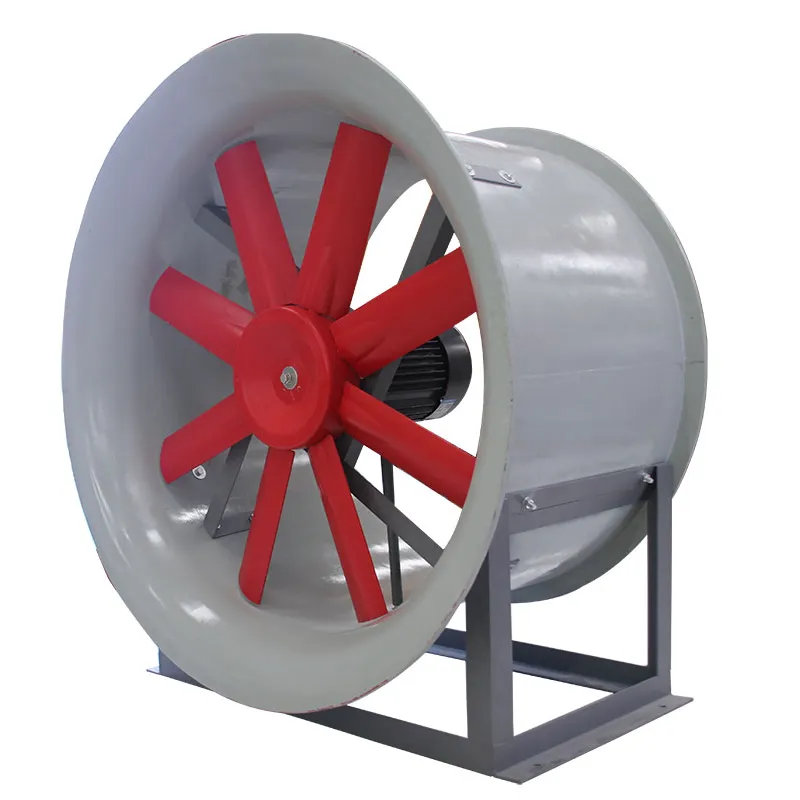
The production of a high-performance FRP axial flow fan for sale involves a meticulous multi-stage process designed to ensure structural integrity, aerodynamic efficiency, and unparalleled resistance to harsh environments. This commitment to quality and precision sets leading manufacturers apart.
Process Flow Overview:
- Material Selection & Preparation: The foundation is laid with high-quality resins (e.g., Isophthalic polyester, Vinyl ester for extreme corrosion) and reinforcement fibers (e.g., E-glass, chopped strand mat, woven roving). Resins are chosen based on the chemical resistance required, while fibers dictate mechanical strength. Strict quality checks ensure raw material conformity to industry standards.
- Mold Preparation & Release: Precision-engineered molds, often made from steel or advanced composites, are meticulously cleaned and treated with a release agent to ensure a smooth finish and easy demolding of the FRP components.
- Lamination (Hand Lay-up or Spray-up): For fan casings and sometimes blades, FRP components are typically manufactured using hand lay-up or spray-up techniques. Layers of resin-impregnated fiber are applied to the mold, building up the required thickness. The resin-to-fiber ratio is tightly controlled to achieve optimal strength and chemical resistance. Specialized techniques like Vacuum Infusion or Resin Transfer Molding (RTM) may be used for blades to achieve superior consistency and strength, minimizing voids.
- Curing: After lamination, the components undergo a controlled curing process. This involves allowing the resin to polymerize and harden, often with specific temperature and humidity controls to achieve maximum mechanical properties and chemical resistance. Post-curing might be employed for enhanced performance.
- Component Finishing & Machining: Once cured, components are trimmed, de-flashed, and subjected to any necessary CNC machining to achieve precise dimensions for assembly. This includes critical areas like shaft bores and mounting points.
- Blade Balancing & Impeller Assembly: Fan blades are individually balanced both statically and dynamically to eliminate vibration. They are then precisely assembled onto the hub, ensuring correct pitch angle and aerodynamic alignment for optimal airflow and efficiency.
- Motor & Drive Integration: The electric motor (often explosion-proof or chemically resistant for specific applications) and drive system are selected and integrated. Bearing housings and shafts are carefully aligned.
- Quality Control & Testing: Each fan undergoes rigorous testing. This includes performance tests (airflow, static pressure, power consumption), vibration analysis, noise level measurements, and visual inspection. Compliance with international standards such as ISO 5801 (Fan Performance Testing), AMCA 210/211 (Air Performance), and safety certifications (e.g., CE) is paramount.
- Final Assembly & Finishing: Components are assembled into the complete fan unit, and any final protective coatings or finishes are applied.
This meticulous process ensures that the resulting FRP axial flow fan for sale delivers exceptional energy saving through optimized aerodynamic design, superior corrosion resistance due to its composite construction, and an extended service life far exceeding that of traditional metal fans in challenging environments. Target industries such as petrochemical, metallurgy, and water supply & drainage facilities heavily benefit from these advantages.
Technical Specifications: Unpacking Performance Metrics
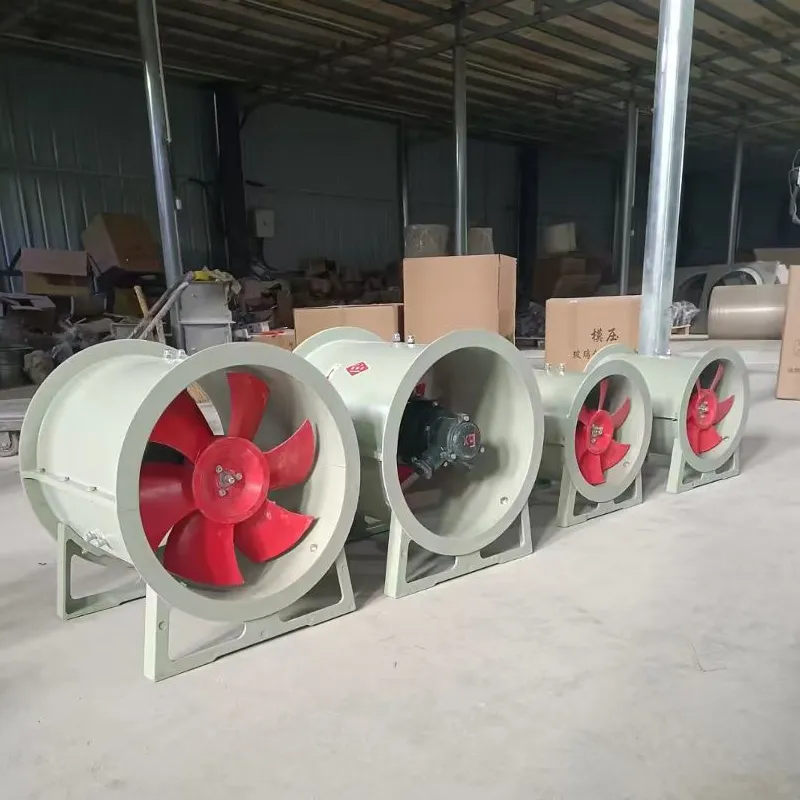
Understanding the technical specifications of an industrial axial flow fan for sale is crucial for proper selection and integration into any system. FRP axial flow fans offer a range of customizable parameters to meet diverse industrial demands. Below is a representative table showcasing typical specifications for high-performance FRP axial flow fan models.
Typical FRP Axial Flow Fan Specifications
| Parameter | Unit | Typical Range (Standard Models) | Notes |
|---|---|---|---|
| Impeller Diameter | mm | 400 - 2000+ | Determines airflow capacity |
| Air Volume (Flow Rate) | m³/h | 5,000 - 200,000+ | Directly related to impeller size and speed |
| Static Pressure | Pa | 50 - 500+ | Resistance to airflow; axial fans are low-pressure |
| Motor Power | kW | 0.75 - 75+ | Depends on air volume and static pressure |
| Operating Temperature | °C | -20 to +80 | Resin type impacts max temperature |
| Noise Level (at 1m) | dB(A) | 65 - 90 | Can be reduced with silencers, anti-vibration mounts |
| Corrosion Resistance | Rating | Excellent (Specific chemical resistance varies by resin) | Key advantage of FRP |
| Efficiency | % | 60 - 80+ | Aerodynamic design is crucial |
Prospective buyers evaluating the industrial axial fan price should consider these specifications in conjunction with the fan's materials, certifications, and expected service life to determine the true cost of ownership. The efficiency ratings, for instance, directly impact long-term energy consumption, making a higher upfront investment in an optimized design often more economical.
Versatile Application Scenarios for FRP Axial Flow Fans
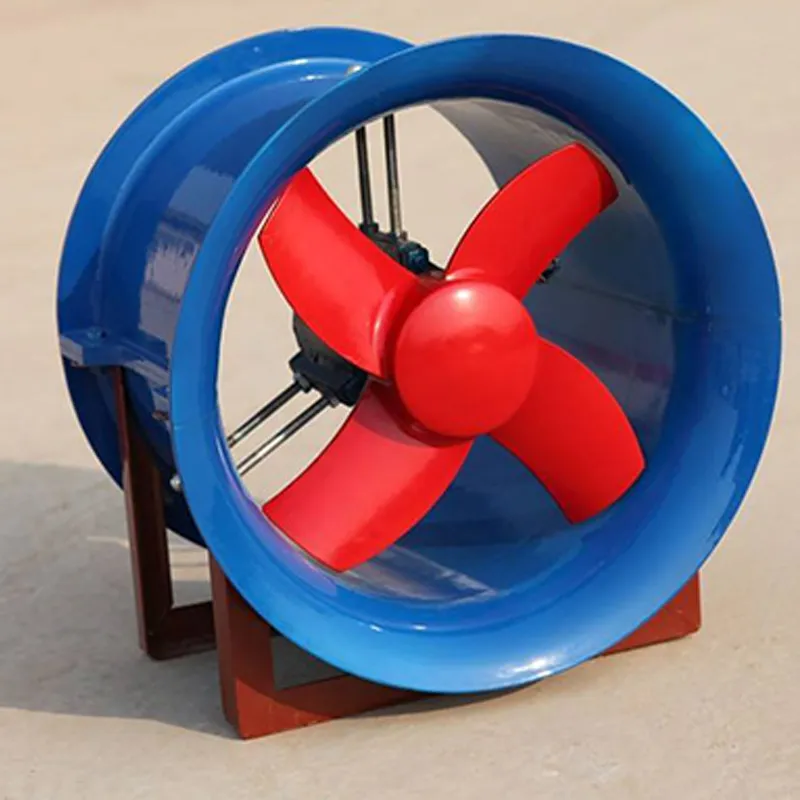
The inherent properties of FRP, combined with the aerodynamic efficiency of axial flow designs, make these fans indispensable across a broad spectrum of demanding industrial applications. Their ability to move large volumes of air effectively makes them a prime choice when searching for an industrial axial flow fan for sale.
- Petrochemical and Chemical Plants: These environments are characterized by corrosive fumes and gases. FRP fans offer exceptional resistance to acids, alkalis, and solvents, ensuring long-term operation for fume extraction, ventilation of storage tanks, and process cooling without the threat of material degradation. This directly translates to enhanced safety and reduced maintenance costs.
- Metallurgy and Mining: In foundries, steel mills, and mining operations, air purity is vital. FRP axial flow fans are used for general ventilation, dust extraction, and cooling furnaces or production lines. Their robust construction handles harsh, particulate-laden air, contributing to improved worker safety and equipment longevity.
- Water Supply & Drainage / Wastewater Treatment Plants: Odor control and ventilation in these facilities are critical. FRP fans are ideal for exhausting noxious gases (e.g., hydrogen sulfide) and maintaining air quality in pump stations, sludge treatment areas, and chemical dosing rooms due to their outstanding resistance to moisture and corrosive compounds.
- Power Generation: From cooling towers to auxiliary ventilation in power plants (coal-fired, nuclear, renewable), large FRP axial fans are deployed for their efficiency and resilience. They manage vast airflows for heat exchange and provide general ventilation in turbine halls and boiler areas.
- Pulp & Paper Industry: The process often involves corrosive chemicals and high humidity. FRP fans are employed for ventilation in bleaching areas, dryer sections, and general mill ventilation, resisting chemical attack and moisture absorption.
- Pharmaceutical & Food Processing: While requiring stringent hygiene, some areas may still involve corrosive cleaning agents or process by-products. FRP fans provide reliable ventilation, ensuring a clean and safe atmosphere without material contamination or degradation.
In each of these scenarios, the key advantages – particularly energy saving through efficient design and unparalleled corrosion resistance – position FRP axial flow fans as a superior solution, contributing significantly to operational efficiency and plant safety.
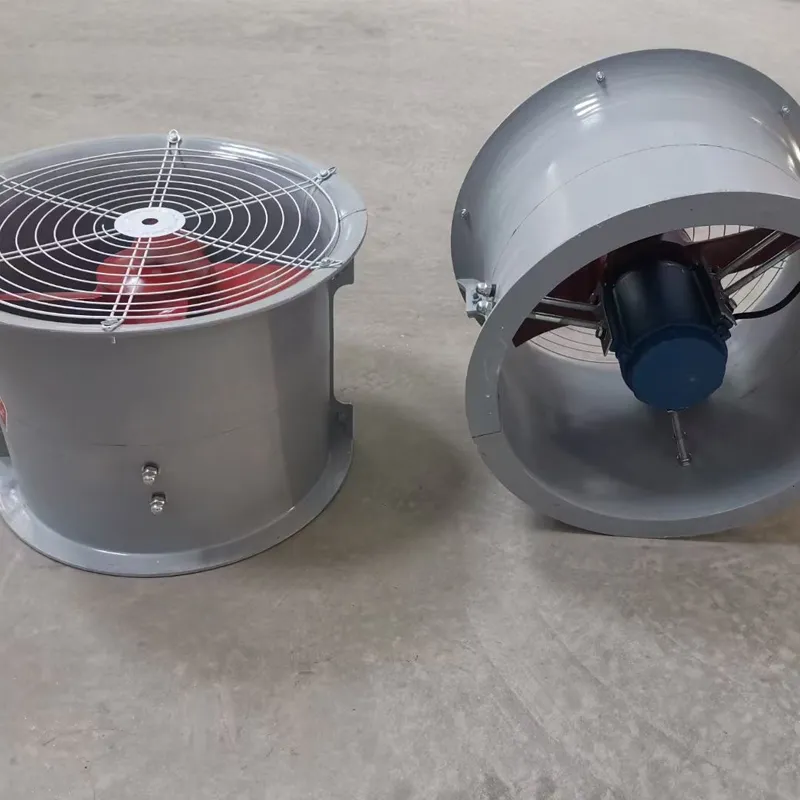
Technical Advantages of FRP Axial Flow Fans
When considering an axial flow fan for sale, understanding the intrinsic technical advantages of FRP models over their metallic counterparts is crucial for long-term operational success and cost efficiency.
- Exceptional Corrosion Resistance: This is the primary and most significant advantage. FRP materials are inherently resistant to a vast array of corrosive chemicals, acids, alkalis, and moisture, unlike metals which are susceptible to rust and chemical attack. This property ensures a significantly longer service life in aggressive industrial atmospheres, drastically reducing replacement and maintenance costs.
- Lightweight and High Strength: FRP composites boast an impressive strength-to-weight ratio. This reduces the overall weight of the fan, simplifying installation, lowering structural support requirements, and potentially reducing shipping costs. Despite being lightweight, the material offers high tensile strength and rigidity, ensuring durability and stable operation.
- Superior Energy Efficiency: Modern FRP axial flow fans are designed with advanced aerodynamics. The smooth surface finish of FRP components and the ability to mold complex blade profiles minimize air turbulence and maximize airflow efficiency. This translates directly to significant energy saving, reducing operational expenditure over the fan's lifespan.
- Reduced Maintenance and Downtime: Due to their corrosion resistance and robust construction, FRP fans require less frequent maintenance compared to metal fans that might need regular painting, coating, or repair of rust damage. This leads to reduced operational downtime and lower labor costs.
- Lower Noise and Vibration: The inherent damping properties of FRP materials help to absorb vibrations, leading to quieter operation compared to metallic fans. Precision balancing of FRP impellers further contributes to reduced noise levels and extended bearing life.
- Spark Resistance (Non-Metallic): In environments with flammable gases or dusts, the non-sparking nature of FRP is a critical safety advantage, often complying with specific ATEX or explosion-proof requirements without needing specialized coatings or designs common for metallic fans.
- Design Flexibility: FRP allows for intricate and customized designs, enabling manufacturers to optimize fan performance for specific applications. This includes tailored blade profiles, casing geometries, and mounting arrangements.
These advantages collectively underscore why FRP axial flow fans are increasingly the preferred choice for demanding industrial ventilation needs, offering a compelling blend of performance, durability, and cost-effectiveness.
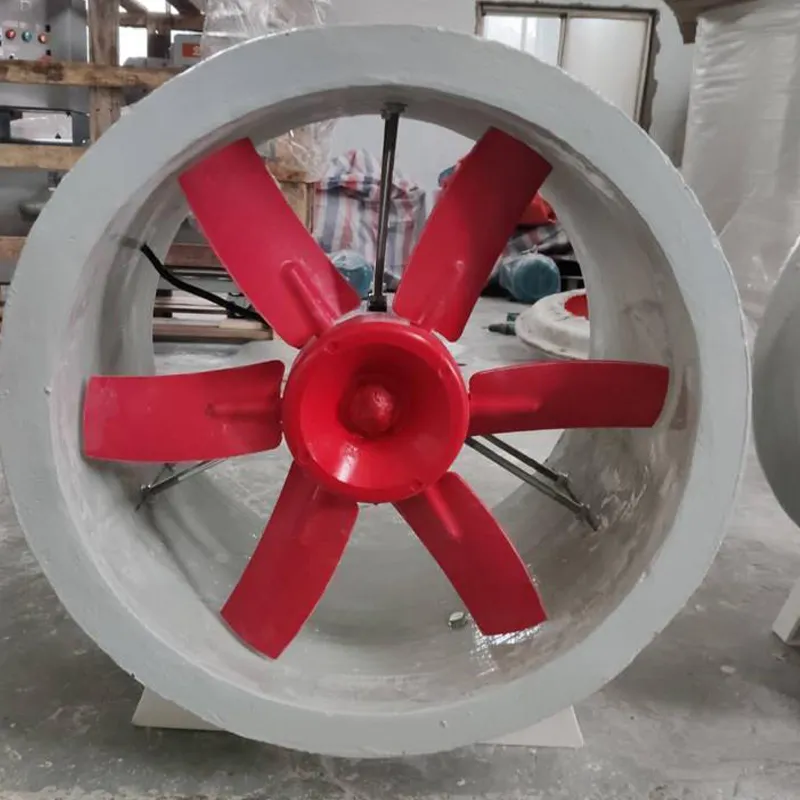
Vendor Comparison & Customized Solutions
Selecting the right industrial fan involves a thorough evaluation of options and understanding how customization can optimize performance. For those searching for an axial flow fan for sale, considering various factors beyond initial price is paramount.
Choosing the Right Axial Fan Manufacturer
When evaluating axial fan manufacturers, key differentiators emerge:
- Material Expertise: A leading manufacturer will demonstrate profound knowledge in FRP composite materials, offering various resin systems (e.g., Isophthalic, Vinyl Ester, Phenolic) tailored for specific chemical and temperature resistances.
- Engineering Capability: Look for manufacturers with strong R&D, CFD (Computational Fluid Dynamics) analysis, and advanced aerodynamic design capabilities to ensure maximum efficiency and performance for your specific needs.
- Certifications & Standards: Adherence to international quality (ISO 9001), performance (AMCA, ISO 5801), and safety standards (CE, ATEX) is a hallmark of a reliable vendor.
- Experience & Track Record: A long history of successful installations and positive customer feedback in similar industries validates a manufacturer's claims.
- After-Sales Support: Comprehensive warranty, readily available spare parts, and responsive technical support are critical for long-term operational peace of mind.
FRP Axial vs. Metallic Axial Fans: A Brief Comparison
| Feature | FRP Axial Flow Fan | Metallic Axial Flow Fan |
|---|---|---|
| Corrosion Resistance | Excellent (Tailored for specific chemicals) | Poor to Moderate (Requires specialized coatings, prone to rust) |
| Weight | Lightweight | Heavy |
| Service Life in Corrosive Environments | Very Long (15-20+ years typical) | Short to Moderate (5-10 years, coating dependent) |
| Maintenance | Low (Minimal corrosion-related issues) | High (Regular inspection, painting, repairs) |
| Energy Efficiency Potential | High (Complex aerodynamic shapes possible) | Moderate (Limitations in complex geometry) |
| Sparking Risk | Low / Non-sparking | Present (Requires bronze rings or special alloys) |
Customized Solutions: Tailoring Your Ventilation
While standard models of FRP axial flow fans offer excellent performance, many industrial applications require precise, tailored solutions. Reputable manufacturers provide extensive customization options:
- Specific Airflow & Pressure: Fans can be optimized for exact volumetric flow rates and static pressures, ensuring peak efficiency for the system's unique resistance.
- Material Modifications: Selection of specific resin systems (e.g., Vinyl Ester for strong oxidizing acids) and fiber reinforcements for extreme chemical resistance or higher temperature operation.
- Motor & Drive Options: Integration of specialized motors (explosion-proof, marine-grade, variable frequency drive (VFD) compatible), different voltage/frequency requirements, or alternative drive mechanisms.
- Mounting & Orientation: Custom designs for horizontal, vertical, roof, or wall mounting, including specific duct connections and support structures.
- Accessories: Integration of silencers, anti-vibration mounts, inlet/outlet guards, dampers, flexible connectors, or specialized coatings for enhanced performance and safety.
- Monitoring & Control Systems: Inclusion of sensors for vibration, temperature, and airflow, integrated with plant control systems for predictive maintenance and optimized operation.
This level of customization ensures that the investment in an axial flow fan for sale precisely meets the operational demands, leading to optimized performance and maximum return on investment.
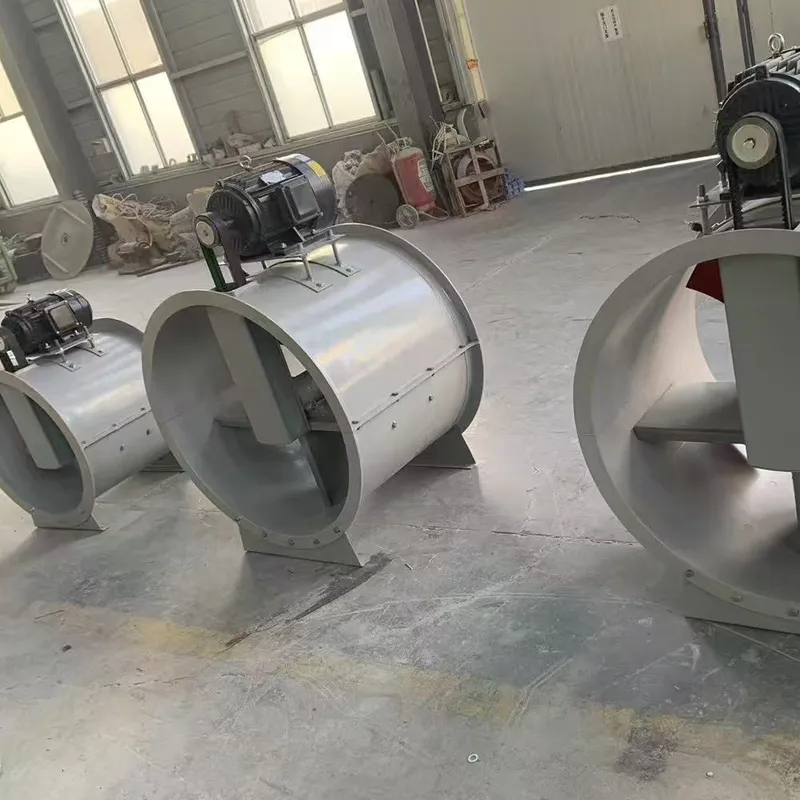
Real-World Application Case Studies
The effectiveness of FRP axial flow fans is best demonstrated through their successful deployment in challenging industrial environments. Here are hypothetical examples showcasing their impact:
Case Study 1: Fume Extraction in a Specialty Chemical Plant
Challenge: A chemical facility producing specialty polymers faced severe corrosion issues with its existing metallic fume extraction fans. Exposure to hydrochloric acid (HCl) and chlorine gas (Cl₂) vapors led to fan degradation within 18-24 months, requiring costly replacements and unplanned shutdowns.
Solution: The plant replaced its metallic fans with a custom-designed FRP axial flow fan for sale, utilizing a Vinyl Ester resin system for enhanced chemical resistance. The fans were designed for a flow rate of 45,000 m³/h at 250 Pa static pressure, crucial for maintaining negative pressure in the reaction vessel area.
Result: After 5 years of continuous operation, the FRP fans showed no signs of corrosive wear. This extended service life translated to a 75% reduction in fan replacement costs and over 300 hours of avoided downtime annually. Additionally, the improved aerodynamic design of the FRP fans resulted in a measurable 12% reduction in energy consumption compared to the previous units.
Case Study 2: Ventilation for a Large Scale Wastewater Treatment Facility
Challenge: A municipal wastewater treatment plant needed to upgrade its ventilation system for the primary sedimentation tanks and sludge dewatering buildings. The atmosphere contained high levels of hydrogen sulfide (H₂S) and humidity, causing rapid deterioration of metallic ventilation equipment, leading to pervasive odors and potential health hazards.
Solution: The facility installed multiple large-diameter FRP axial flow fans, specifically engineered for high humidity and H₂S resistance, with direct-drive motors to reduce maintenance. Each fan provided 80,000 m³/h airflow capacity.
Result: The FRP fans effectively controlled odors, significantly improving air quality for plant personnel and surrounding communities. Inspections after 3 years indicated no corrosion or material degradation. The robust, low-maintenance design reduced quarterly inspection times by 40% and eliminated the need for annual repainting, saving substantial operational costs.
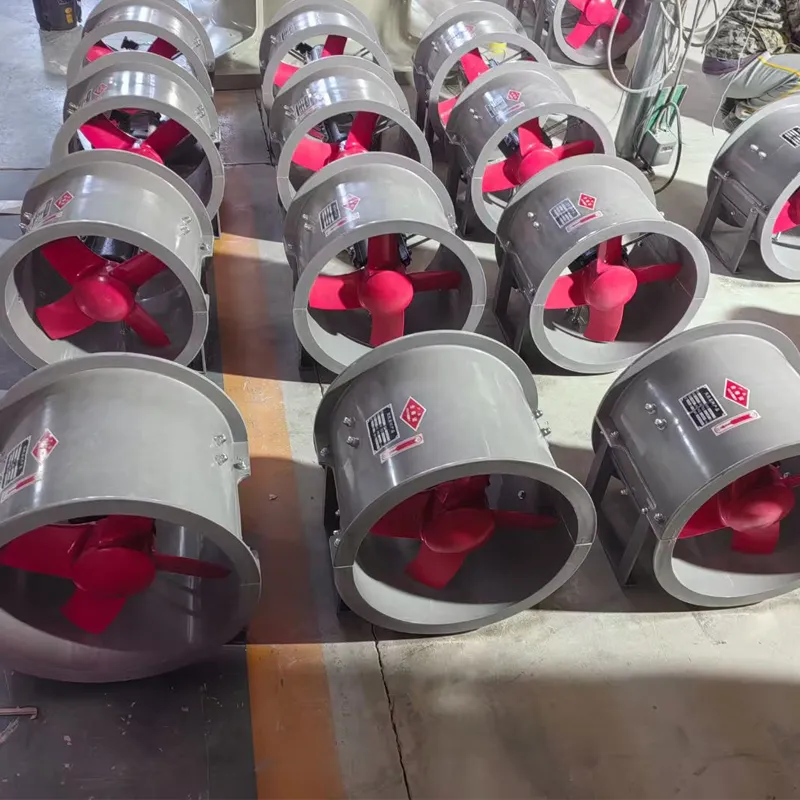
Ensuring Trust and Authority: Standards in Practice
Adherence to Google's (Expertise, Experience, Authoritativeness, Trustworthiness) standards is crucial for conveying confidence in any product, especially for an industrial axial flow fan for sale.
Authoritativeness and Certifications
Leading manufacturers of FRP axial flow fans demonstrate authority through verifiable credentials and long-standing industry presence. This typically includes:
- ISO 9001 Certification: Proof of a robust Quality Management System, ensuring consistent product quality and customer satisfaction throughout design, production, installation, and service.
- AMCA/ISO Performance Testing: Fans are tested in accordance with international standards like AMCA 210/211 (for air performance) and ISO 5801, providing certified and verifiable performance data (airflow, pressure, power, sound).
- CE Marking: Compliance with European health, safety, and environmental protection standards, indicating product safety and quality for the EU market.
- Industry Association Memberships: Active participation in relevant industry bodies demonstrates commitment to best practices and ongoing development in air movement technology.
- Years of Service: Decades of experience in the industrial fan sector, with a portfolio of successful projects and long-term partnerships with major industrial clients, further solidify authority.
Trustworthiness: FAQ, Lead Time, Warranty, & Support
Transparency in operations and strong customer support build trustworthiness:
Frequently Asked Questions (FAQ)
- Q: What environments are FRP axial flow fans best suited for? A: They excel in highly corrosive, humid, or chemically aggressive environments where metallic fans would quickly degrade, such as chemical plants, wastewater treatment, and marine applications.
- Q: How do FRP fans compare in terms of energy consumption? A: Due to their lightweight construction and ability to form aerodynamically efficient blade shapes, FRP fans often offer superior energy efficiency, leading to lower operating costs.
- Q: Can these fans be custom-built for specific requirements? A: Absolutely. Customization is a core strength, allowing for tailored airflow, pressure, material composition, motor specifications, and mounting options.
- Q: What is the typical service life of an FRP axial flow fan? A: With proper selection and maintenance, FRP fans can easily last 15-20 years or more in challenging conditions, significantly longer than many metallic alternatives.
Lead Time & Fulfillment
Standard FRP axial flow fan models typically have a lead time of 4-8 weeks, depending on component availability and current production schedules. Custom-engineered solutions may require 10-16 weeks due to specific design, material procurement, and testing requirements. Expedited options may be available upon request and project criticality.
Warranty Commitments
A comprehensive warranty of typically 12-24 months from installation or 18-30 months from shipment (whichever comes first) is standard. This covers manufacturing defects and material failures under normal operating conditions. Extended warranty options may be available for critical applications.
Customer Support & After-Sales Service
Robust customer support is integral. This includes:
- Technical Assistance: Access to experienced engineers for troubleshooting, performance optimization, and operational guidance.
- Spare Parts Availability: Readily available critical spare parts (e.g., bearings, seals, specific motor components) to minimize downtime.
- Installation & Commissioning Support: Optional on-site supervision or full installation services to ensure proper setup and initial operation.
- Preventative Maintenance Programs: Guidance and scheduled service plans to maximize fan longevity and efficiency.
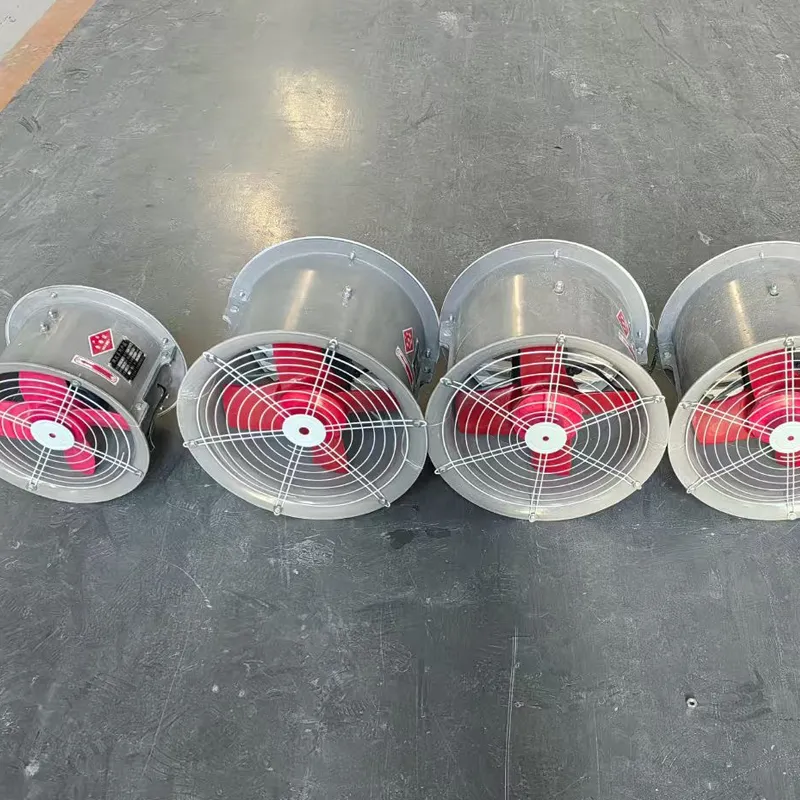
Conclusion
FRP axial flow fans represent a critical technological advancement in industrial ventilation, particularly for environments plagued by corrosion, demanding high energy efficiency, and requiring minimal maintenance. Their superior material properties, combined with precise engineering, ensure reliable, long-lasting performance. For industries seeking a robust and cost-effective solution for air movement, investing in a high-quality axial flow fan for sale made from FRP is a strategic decision that promises significant operational benefits and a strong return on investment. The comprehensive understanding of manufacturing, technical specifications, application versatility, and robust support systems underscores the value these specialized fans bring to modern industrial operations.
References
- ISO 9001:2015 - Quality management systems - Requirements. International Organization for Standardization.
- AMCA 210-16: Laboratory Methods of Testing Fans for Aerodynamic Performance Rating. Air Movement and Control Association International, Inc.
- ISO 5801:2017 - Industrial fans - Performance testing using standardized airways. International Organization for Standardization.
- Gibson, R.F. (1994). Principles of Composite Material Mechanics. McGraw-Hill.
- ASHRAE Handbook - HVAC Systems and Equipment (2020). American Society of Heating, Refrigerating and Air-Conditioning Engineers.






Address
20 Xingyuan South Street, Zaoqiang County, Hengshui City, Hebei Province, China


