



We Are Open 24 Hours a Day, 7 Days a Week, Including Weekends and Public Holidays.

High-Performance Axial Flow Fan for Sale - Industrial Ventilation
Navigating Industrial Ventilation: Your Guide to FRP Axial Flow Fans
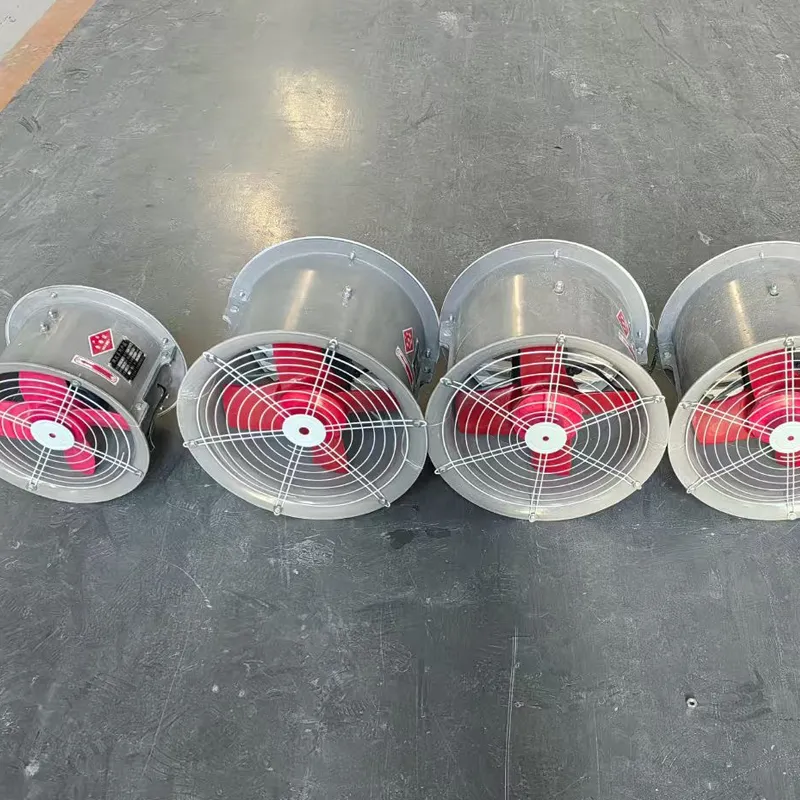
In industrial environments where efficient air movement, corrosion resistance, and energy efficiency are paramount, the selection of the right ventilation equipment is critical. This comprehensive guide delves into the world of industrial fans, specifically focusing on the superior performance and versatility of FRP (Fiber Reinforced Polymer) axial flow fans. When seeking an axial flow fan for sale, understanding the underlying technology, manufacturing excellence, and application benefits is crucial for making an informed investment.
Axial flow fans are designed to move air parallel to the fan's axis of rotation, generating high flow rates at relatively low static pressures. This makes them ideal for general ventilation, exhaust, and cooling applications. The shift towards advanced materials like FRP has revolutionized their utility, particularly in challenging corrosive or high-humidity settings.
Industry Trends: The Evolution of Industrial Fan Technology
The industrial ventilation sector is continually evolving, driven by stringent environmental regulations, the demand for greater energy efficiency, and the need for durable equipment in harsh operating conditions. Key trends include the widespread adoption of energy-efficient motors (IE3/IE4), intelligent control systems, and the increasing preference for composite materials like FRP over traditional metals.
Comparing axial and centrifugal fans, modern industrial applications often lean towards FRP axial flow solutions for high-volume air movement where static pressure requirements are moderate. The advantages of FRP, such as inherent corrosion resistance and lighter weight, translate into lower operational costs and extended service life. The market for axial centrifugal fan hybrid designs also continues to grow, offering a balance of pressure and flow for specific niches, but for direct, high-volume air transfer, pure axial designs remain dominant. Leading axial fan manufacturers are investing heavily in R&D to enhance blade aerodynamics and material resilience.
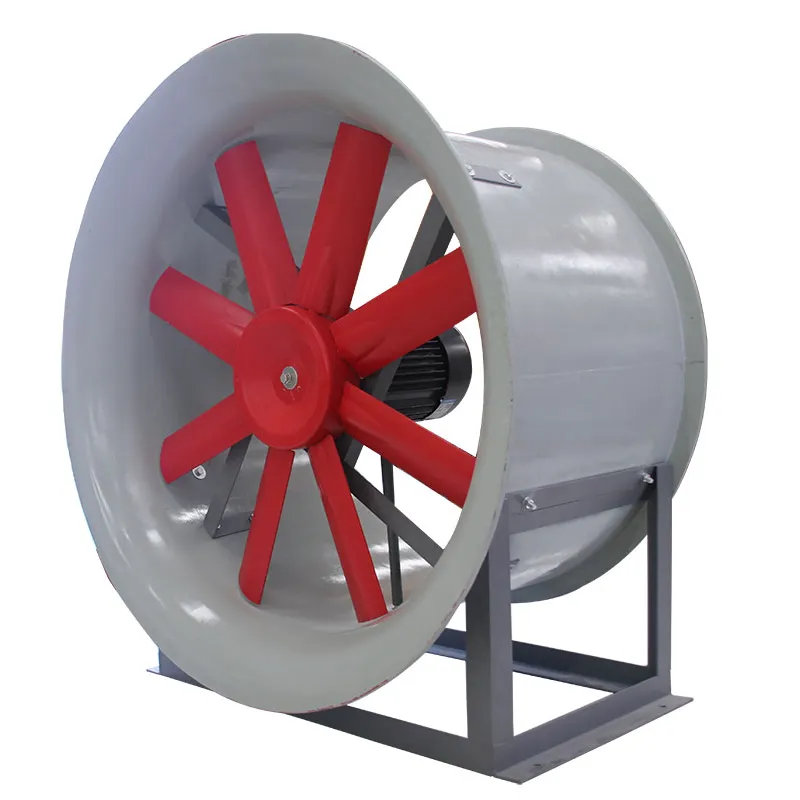
The Manufacturing Process of a High-Quality FRP Axial Flow Fan
The production of a durable and high-performing FRP axial flow fan for sale involves a meticulous, multi-stage process designed to ensure structural integrity and optimal aerodynamic efficiency. Here’s a detailed look:
- 1. Material Selection & Preparation: High-grade thermosetting resins (e.g., polyester, vinyl ester, epoxy) are chosen based on the fan's intended application and chemical resistance requirements. Reinforcing fibers, typically fiberglass mats, woven rovings, or chopped strands, are selected for their strength and compatibility with the resin system.
- 2. Mold Design & Fabrication: Precision molds, often made from steel or specialized composites, are created based on aerodynamic and structural specifications. The inner surface of the mold is treated with a release agent to ensure easy demolding and a smooth finish.
-
3. Laminating/Winding Process: This is the core of FRP manufacturing.
- Hand Lay-up: Layers of fiberglass reinforcement are placed into the mold, and resin is applied by hand, then rolled to remove air bubbles and ensure full saturation. This method is common for complex geometries.
- Spray-up: Chopped fiberglass strands and catalyzed resin are simultaneously sprayed onto the mold surface. This is faster for larger, simpler parts.
- Filament Winding: For cylindrical or conical components (like fan casings or hubs), continuous strands of fiberglass are saturated with resin and wound onto a rotating mandrel at precise angles.
- Resin Transfer Molding (RTM): Dry reinforcement is placed in a closed mold, which is then injected with resin under pressure. This offers excellent part consistency and surface finish.
- 4. Curing: After lamination, the FRP component undergoes a curing process, where the resin polymerizes and hardens. This can be done at ambient temperature or in an oven for accelerated and more complete curing, enhancing mechanical properties.
- 5. Demolding & Trimming: Once cured, the FRP part is removed from the mold. Excess material is trimmed, and edges are finished to precise dimensions.
- 6. Assembly & Balancing: Individual FRP components (impeller blades, hub, casing) are assembled. Impellers are dynamically balanced to eliminate vibration and ensure smooth, quiet operation, critical for longevity and performance.
- 7. Quality Control & Testing: Each axial flow fan for sale undergoes rigorous testing. This includes dimensional checks, material integrity verification (e.g., Barcol hardness tests), performance testing (airflow, static pressure, power consumption), and noise level measurements. Compliance with international standards such as ISO 5801 (Fan performance testing) and ANSI/AMCA 210 (Air movement and control) is paramount to ensure reliability and safety.
The service life of these meticulously manufactured FRP fans typically exceeds 15-20 years, even in challenging environments. Target industries benefiting from this robust design include petrochemical, metallurgy, mining, power generation, and water supply & drainage. Advantages in these scenarios are significant: energy saving due to optimized aerodynamics and lightweight construction, and unparalleled corrosion resistance against aggressive chemical fumes, moisture, and harsh atmospheric conditions.
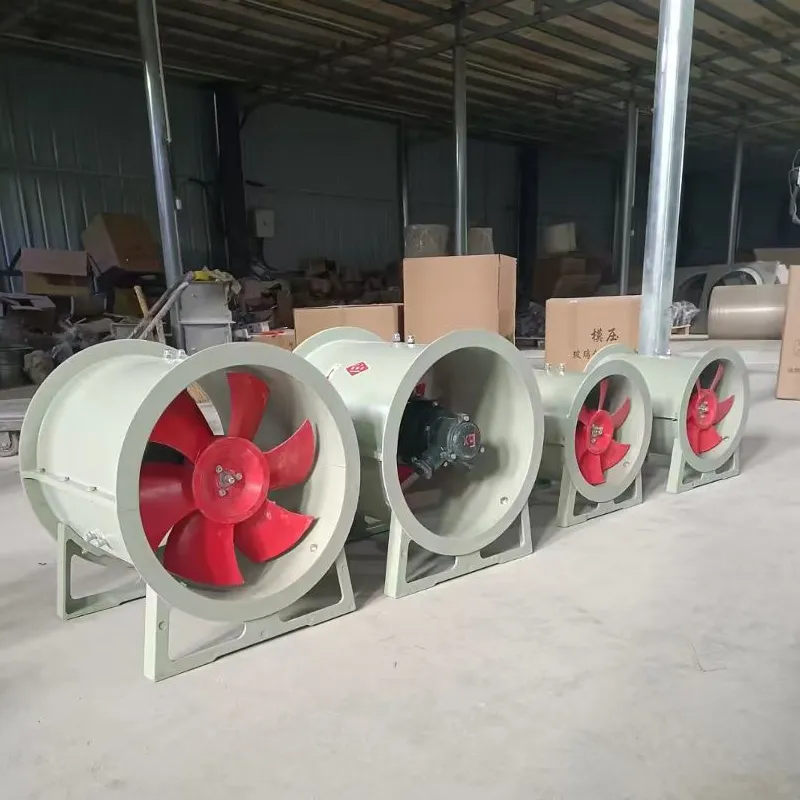
Technical Specifications: Frp Axial Flow Fan Performance
Understanding the technical parameters is essential when evaluating an axial flow fan for sale. The Frp Axial Flow Fan offers a range of configurations to meet diverse industrial demands. Key parameters include:
- Airflow Volume (Capacity): Measured in Cubic Meters per Hour (CMH) or Cubic Feet per Minute (CFM). This indicates the amount of air the fan can move. Typical ranges vary from 5,000 CMH to over 150,000 CMH depending on fan diameter and motor speed.
- Static Pressure: The resistance the fan must overcome to move air through ductwork or against other system resistances, measured in Pascals (Pa) or Inches of Water Gauge (in.w.g.). Axial fans generally operate at lower static pressures (e.g., 50 Pa to 500 Pa) compared to centrifugal fans.
- Motor Power: The electrical power required to drive the fan, expressed in Kilowatts (kW). Highly efficient motors minimize operational costs.
- Noise Level: Sound pressure level, measured in decibels (dB), at a specified distance. Critical for worker safety and compliance in regulated environments.
- Material Composition: Fan casing, impeller, and other wetted parts are typically made from various FRP formulations (e.g., Vinyl Ester for extreme chemical resistance, Isophthalic Polyester for general corrosion resistance).
- Operating Temperature Range: The permissible temperature of the air being moved, which can range from -20°C to +100°C for standard FRP, with specialized resins allowing higher temperatures.
- Fan Diameter: Ranging from 300mm to over 2500mm, dictating the overall size and airflow capacity.
Typical Frp Axial Flow Fan Specifications (Model FRP-AF1250)
| Parameter | Value | Unit |
|---|---|---|
| Fan Diameter | 1250 | mm |
| Airflow Volume (Max) | 90,000 | CMH |
| Static Pressure (Max) | 350 | Pa |
| Motor Power | 11.0 | kW |
| Fan Speed | 960 | RPM |
| Noise Level (at 1m) | <78 | dB(A) |
| Operating Temp. Range | -20 to +80 | °C |
| Impeller Material | FRP (Vinyl Ester) | - |
| Casing Material | FRP (Isophthalic Polyester) | - |
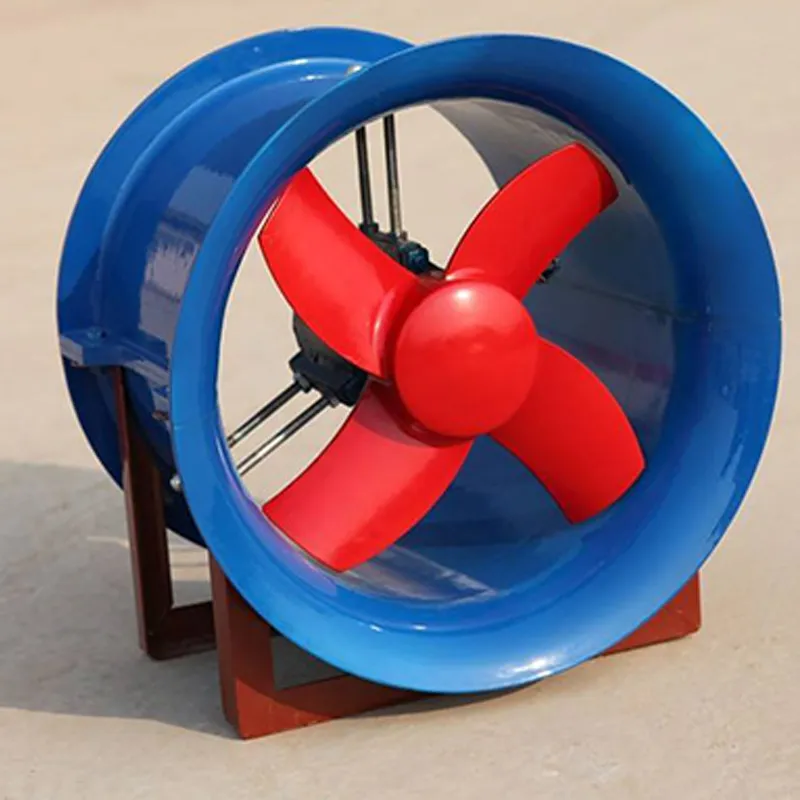
Technical Advantages of FRP Axial Flow Fans
The selection of an FRP axial flow fan for sale brings a multitude of technical advantages that directly impact operational efficiency, safety, and total cost of ownership in demanding industrial settings:
- Superior Corrosion Resistance: Unlike metallic fans that corrode rapidly in acidic, alkaline, or chemical-laden atmospheres, FRP fans are inherently resistant to a broad spectrum of aggressive chemicals. This property extends service life significantly in industries like chemical processing, wastewater treatment, and pulp & paper.
- Lightweight and High Strength: FRP offers an excellent strength-to-weight ratio. This reduces structural load on buildings and support systems, simplifies installation, and can lead to lower transportation costs. Despite being lightweight, FRP composites are incredibly strong and resilient.
- Energy Efficiency: The smooth surface finish of FRP components and precision-molded impellers reduce aerodynamic drag, leading to higher efficiency. When coupled with advanced motor technology, FRP fans contribute significantly to lower energy consumption and operational expenditure.
- Reduced Noise and Vibration: The inherent damping properties of FRP materials, combined with precision balancing, result in quieter operation and minimal vibration. This improves working conditions and reduces wear on bearings and other components, leading to longer service intervals.
- Durability and Extended Service Life: Designed for harsh conditions, FRP fans withstand extreme temperatures, UV exposure, and abrasive particles better than many metallic alternatives, leading to a much longer operational lifespan and less frequent replacement.
- Spark Resistance: For hazardous environments where flammable gases or dust are present, FRP is naturally non-sparking, making it a safer choice compared to steel or aluminum in many ATEX classified zones.
- Ease of Maintenance: The smooth, non-porous surface of FRP resists build-up of dirt and corrosive residues, simplifying cleaning and maintenance procedures, thereby reducing downtime.
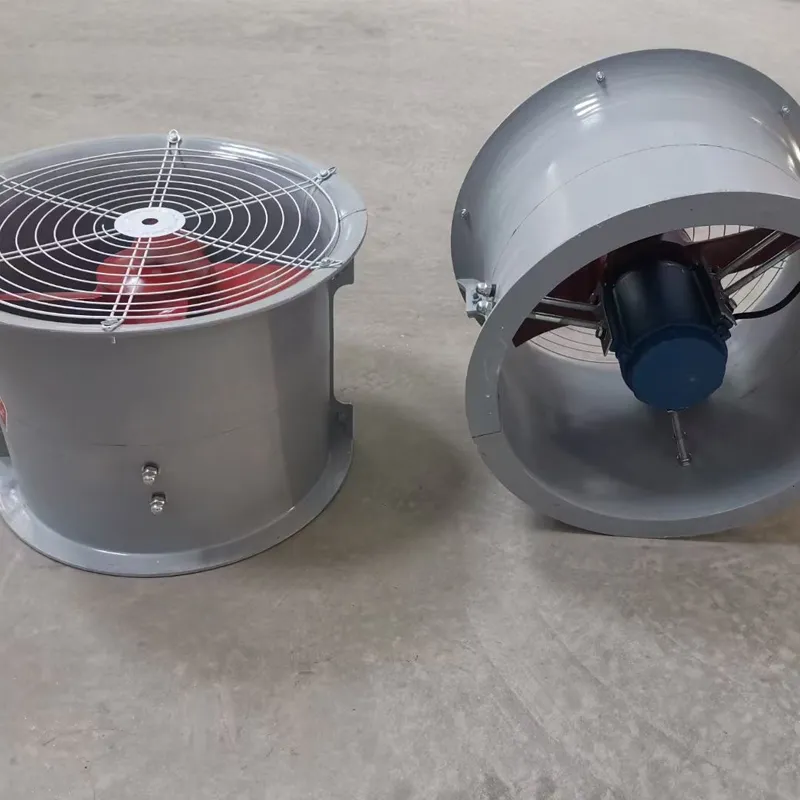
Application Scenarios & Experience
FRP axial flow fan for sale solutions are indispensable across a wide array of industrial sectors due to their unique properties. Their versatility makes them suitable for demanding applications where reliability and material integrity are paramount:
- Petrochemical Industry: Used extensively for fume exhaust in chemical processing plants, ventilation in storage areas for corrosive substances, and air circulation in highly corrosive environments where metallic fans would quickly degrade.
- Metallurgy and Metal Finishing: For ventilation and exhaust in electroplating lines, pickling tanks, and areas generating corrosive acid fumes. They withstand the aggressive chemical attack that rapidly rusts traditional steel fans.
- Wastewater Treatment Plants: Essential for odor control and aeration in biofilters, clarifiers, and sludge treatment facilities where hydrogen sulfide (H2S) and other corrosive gases are prevalent.
- Pulp and Paper Industry: Handles moist, acidic air, and chemical vapors from pulping and bleaching processes.
- Power Generation: Utilized in flue gas desulfurization (FGD) systems and wet cooling towers where aggressive chemicals and moisture are present.
- Mining and Tunnel Ventilation: Provides robust ventilation in underground mines and tunnels, resistant to damp, corrosive, and sometimes dusty air.
Experience has shown that industries choosing FRP fans report significantly reduced maintenance costs and fewer unplanned shutdowns. For example, a chemical facility in Texas replaced their galvanized steel exhaust fans with FRP units due to premature corrosion failures. After three years, the FRP fans showed no signs of degradation, resulting in an estimated 40% reduction in annual maintenance expenditures for their ventilation system.
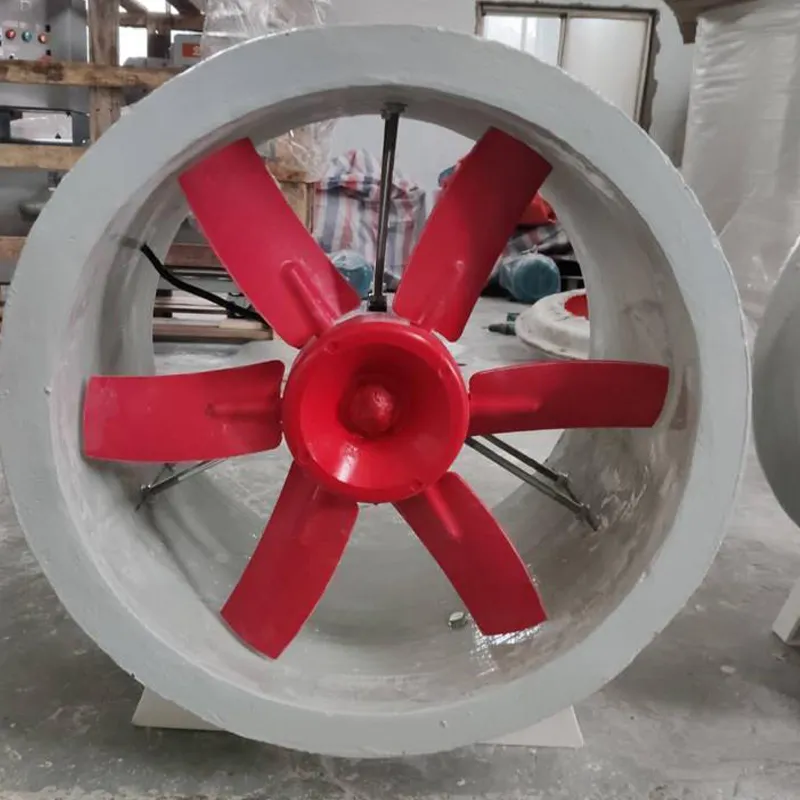
Vendor Comparison: Choosing the Right Industrial Axial Fan
When considering an axial flow fan for sale, comparing different axial fan manufacturers and their offerings is crucial. Beyond initial purchase price, factors like material durability, energy efficiency, customization options, and after-sales support significantly influence the total cost of ownership (TCO).
FRP Axial Fan vs. Standard Metallic Axial Fan
| Feature | FRP Axial Fan | Metallic Axial Fan (e.g., Galvanized Steel) |
|---|---|---|
| Corrosion Resistance | Excellent (Highly resistant to acids, alkalis, chemicals) | Poor to Moderate (Prone to rust/corrosion in chemical environments) |
| Weight | Lightweight | Heavy |
| Service Life | Long (15-20+ years in harsh conditions) | Moderate (5-10 years in corrosive settings, often less) |
| Maintenance | Low (Resistant to build-up, no painting needed) | Higher (Frequent inspections, painting, potential for rust repair) |
| Energy Efficiency | High (Smooth surfaces, optimized blade design) | Moderate to High (Depends on design) |
| Noise & Vibration | Lower (Inherent damping properties) | Moderate (Can be higher if not balanced properly) |
| Spark Resistance | Inherently Non-Sparking | Can spark (Requires special alloys or coatings for spark resistance) |
| Initial Cost (industrial axial fan price) | Typically Higher | Typically Lower |
| Total Cost of Ownership (TCO) | Lower (Due to long life, low maintenance, energy savings) | Higher (Due to short life, high maintenance, corrosion issues) |
While the initial industrial axial fan price for an FRP unit might be higher, its long-term economic benefits, driven by reduced downtime, lower maintenance, and superior longevity in harsh environments, often make it the more cost-effective choice over the fan's entire lifecycle.
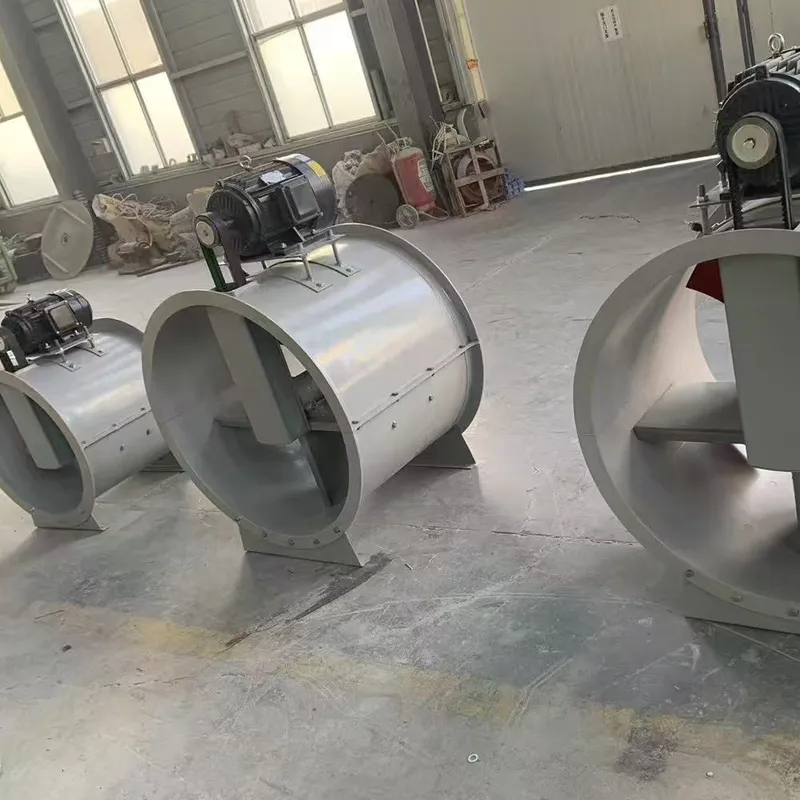
Customized Solutions for Every Application
Recognizing that no two industrial applications are exactly alike, top axial fan manufacturers offer extensive customization options for their axial flow fan for sale products. This ensures optimal performance and seamless integration into existing systems. Customization can include:
- Material Specification: Tailoring the FRP resin system (e.g., Vinyl Ester for strong acids, Isophthalic for general corrosion) and fiberglass reinforcement to match specific chemical exposures and temperature profiles.
- Impeller Design: Adjusting blade pitch, number of blades, or blade profile for specific airflow and pressure requirements, optimizing for efficiency or specific noise constraints.
- Motor & Drive System: Specifying explosion-proof motors (ATEX certified), variable frequency drives (VFDs) for precise speed control and energy saving, or specific voltage/frequency requirements.
- Mounting Configurations: Offering various mounting options such as direct drive, belt-driven, bifurcated, roof-mounted, or duct-mounted designs to suit installation needs.
- Accessories: Including custom inlet/outlet connections, flexible connectors, silencers, access doors, drain connections, and specialized coatings or fire-retardant additives.
- Instrumentation: Integrating sensors for vibration monitoring, temperature, and pressure for advanced predictive maintenance.
Working with an experienced manufacturer allows engineers to fine-tune every aspect of the fan, ensuring it performs flawlessly even in the most challenging and unique industrial processes.
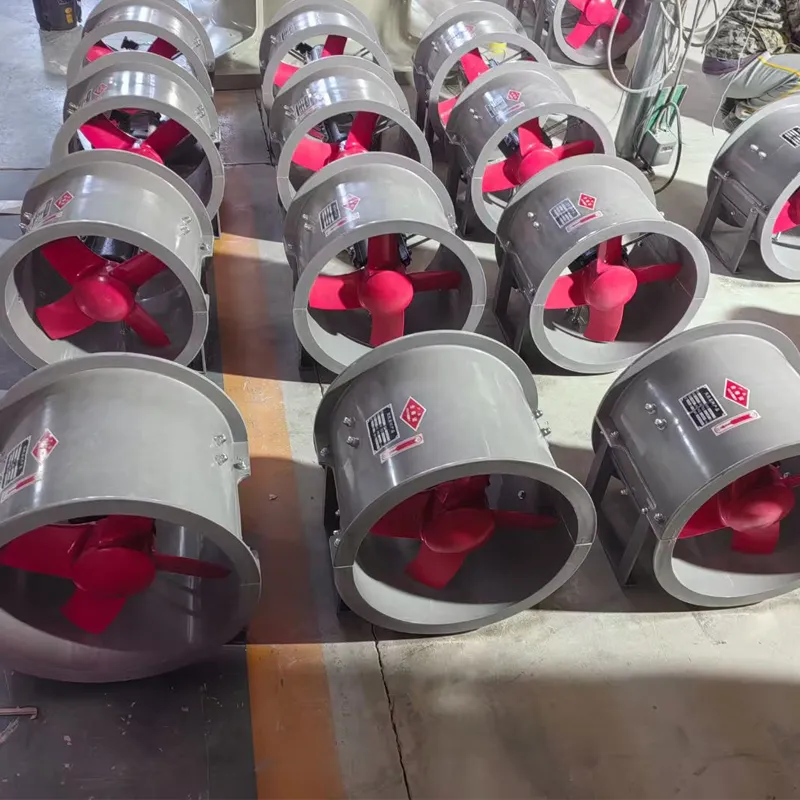
Real-World Application Case Studies
-
Case Study 1: Odor Control at a Municipal Wastewater Treatment Plant
Challenge: A major metropolitan wastewater treatment plant faced severe odor complaints from nearby residential areas, primarily due to hydrogen sulfide (H2S) and volatile organic compounds (VOCs). Their existing metal fans in the biofilter system were corroding rapidly and frequently required replacement.
Solution: The plant installed several large-diameter FRP axial flow fan for sale units, specifically designed with Vinyl Ester resin for maximum chemical resistance. These fans provided consistent, high-volume air extraction for the biofilters.
Result: Within six months, odor complaints dropped by over 80%. The FRP fans demonstrated zero corrosion, significantly extending their service life compared to the metallic predecessors, and reduced overall operational expenditure due to minimal maintenance. -
Case Study 2: Fume Extraction in a Specialty Chemical Manufacturing Facility
Challenge: A facility producing specialty chemicals needed reliable ventilation to extract highly acidic fumes from reaction vessels. Previous stainless steel fans had a service life of less than two years due to pitting and stress corrosion cracking.
Solution: Custom-engineered FRP axial fans with specific chemical-resistant resin laminates were implemented. The fans featured explosion-proof motors and VFDs to manage airflow precisely.
Result: The FRP fans have been operating for over seven years without any signs of corrosion or performance degradation, leading to vastly improved air quality for workers and preventing costly production interruptions. -
Case Study 3: Process Cooling at an Aluminum Smelting Plant
Challenge: An aluminum smelting plant required large volumes of air for process cooling in a high-temperature, humid, and mildly corrosive environment. Dust and particulate matter also contributed to rapid wear of metallic fan blades.
Solution: Heavy-duty FRP axial flow fan for sale units were installed. The FRP construction offered resistance to the corrosive elements and abrasion from fine particulates, while their lightweight design simplified installation at elevated positions.
Result: The fans provided consistent and efficient cooling, maintaining critical process temperatures. The durability of FRP significantly reduced blade erosion and prolonged fan life, eliminating frequent replacements and associated maintenance costs.
Trustworthiness: Certifications, Warranty & Support
Selecting a reliable supplier for an axial flow fan for sale hinges on their commitment to quality, support, and transparency. Look for manufacturers that demonstrate authoritativeness and trustworthiness through:
- Certifications: Reputable manufacturers adhere to international quality and performance standards such as ISO 9001 (Quality Management Systems), CE marking (for European market compliance), and AMCA (Air Movement and Control Association International) for fan performance ratings.
- Warranty Commitments: A standard warranty typically covers manufacturing defects for 1 to 2 years. Extended warranties may be available for critical components or specific applications.
- Lead Time & Fulfillment: Standard models may have a lead time of 4-6 weeks, while highly customized solutions could range from 8-16 weeks depending on complexity and material sourcing. Clear communication on lead times is essential for project planning.
- Customer Support: Comprehensive after-sales support includes technical assistance, spare parts availability, maintenance guides, and troubleshooting services to ensure continuous and efficient operation.
Frequently Asked Questions (FAQ)
Q: What is the primary difference between an axial and centrifugal fans?
A: Axial fans move air parallel to the fan shaft, providing high airflow at lower static pressures. Centrifugal fans move air perpendicular to the shaft, generating higher static pressures and are better for systems with significant resistance (e.g., long duct runs or filtration systems).
Q: How do I choose the right size axial flow fan for sale for my application?
A: You need to determine the required airflow volume (CMH/CFM) and the system's static pressure resistance (Pa). Consult with the manufacturer's engineering team, providing details about the chemical environment, temperature, and specific process requirements.
Q: Are FRP axial fans suitable for outdoor installation?
A: Yes, FRP is highly resistant to UV radiation and weathering, making these fans ideal for outdoor and rooftop installations without the need for additional protective coatings that metal fans often require.
Q: What is the typical maintenance required for an FRP axial fan?
A: Maintenance is generally low. Regular checks include motor and bearing lubrication, belt tension (if applicable), visual inspection for any debris buildup or damage, and ensuring the impeller remains balanced. Due to FRP's corrosion resistance, surface treatment or rust removal is typically not needed.
Conclusion
The Frp Axial Flow Fan represents a pinnacle in industrial ventilation technology, offering an unparalleled combination of corrosion resistance, energy efficiency, and long-term reliability. For industries operating in corrosive or demanding environments, investing in a high-quality axial flow fan for sale made from FRP is not just a purchase but a strategic decision that contributes to operational continuity, safety, and a significantly lower total cost of ownership. By understanding the detailed manufacturing processes, technical specifications, and myriad advantages, B2B decision-makers can confidently select the optimal ventilation solution to meet their specific operational needs and environmental challenges.
References
- AMCA International. (2018). AMCA Standard 210-16: Laboratory Methods of Testing Fans for Aerodynamic Performance Rating.
- ISO. (2016). ISO 5801: Industrial fans - Performance testing using standardized airways.
- Fiber Reinforced Polymer (FRP) Composites: Materials, Manufacturing, and Engineering Applications. (2020). Edited by S. Kumar. Woodhead Publishing.
- Fan Engineering: An Aid to the Design and Application of Fans in Industry. (2010). Edited by W. C. Osborne. Aerovent.
- Corrosion Resistance of FRP Composites in Industrial Environments. (2019). Journal of Composites Technology, Vol. 15, No. 3, pp. 112-128.






Address
20 Xingyuan South Street, Zaoqiang County, Hengshui City, Hebei Province, China


