



We Are Open 24 Hours a Day, 7 Days a Week, Including Weekends and Public Holidays.

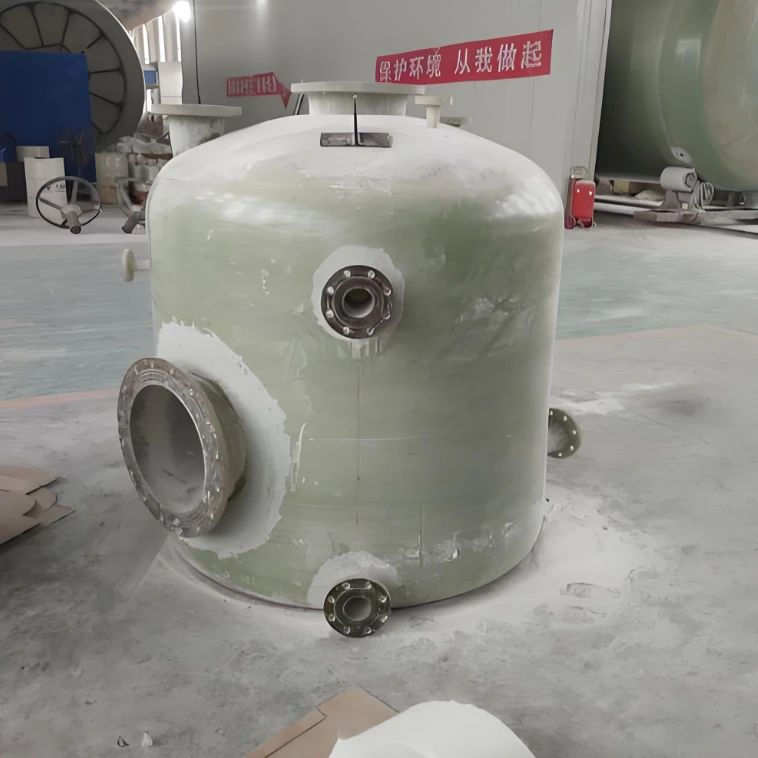
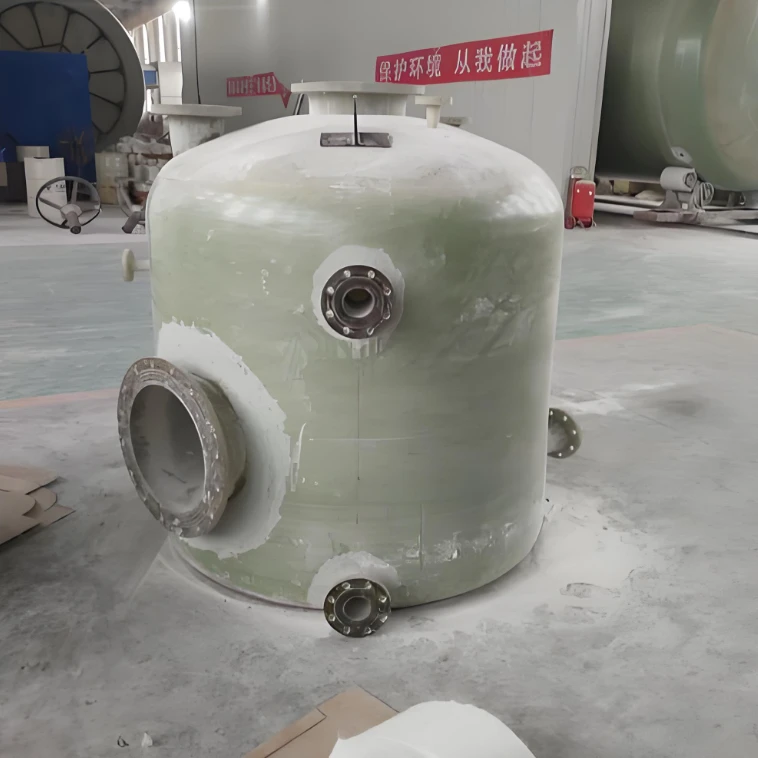
FRP Tank for HCL Storage – Corrosion-Proof, Safe, Custom
Field Notes on Choosing an FRP Hydrochloric Acid Storage Tank
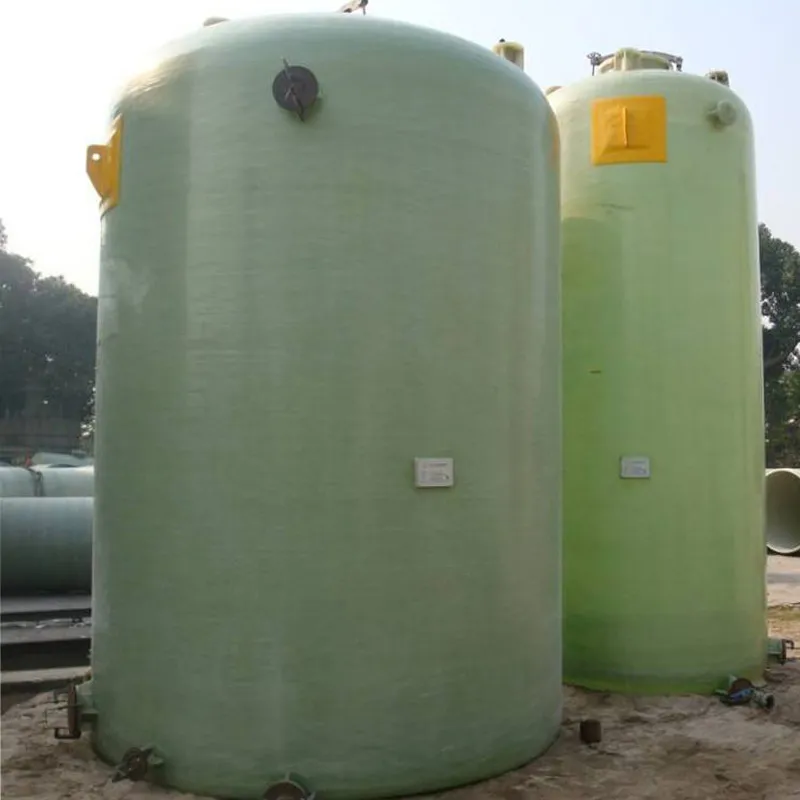
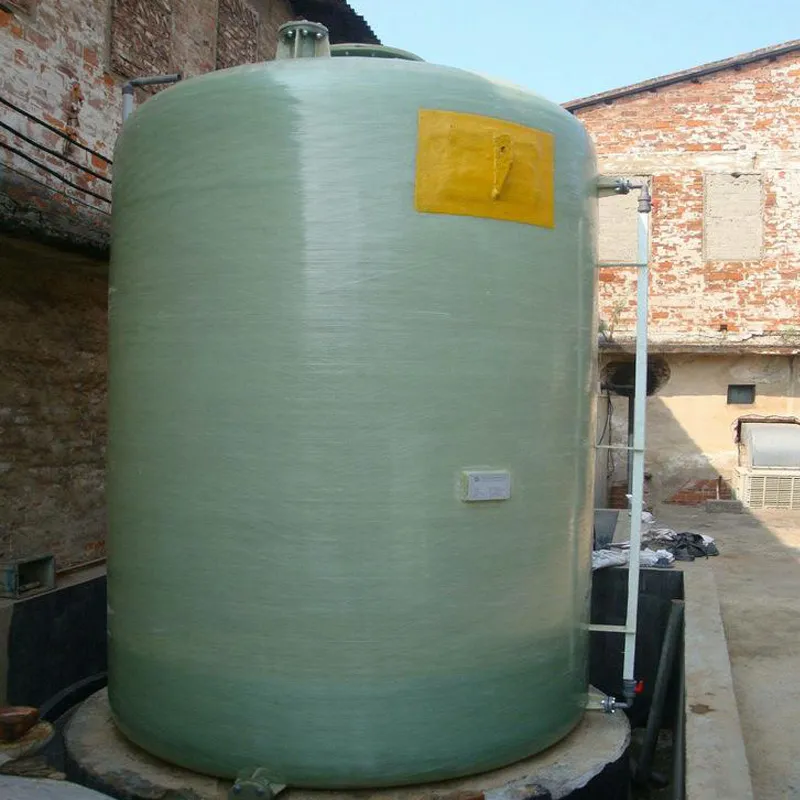
If you’re shortlisting an frp tank for hcl storage, here’s the truth from the shop floor and the site trailer: resin chemistry and QA matter more than glossy brochures. Over the last decade I’ve watched plants pivot from rubber-lined steel to filament‑wound FRP because maintenance windows kept shrinking—and acid didn’t get any friendlier.
What’s driving the shift
Three trends: corrosion-resistant vinyl ester systems got better, QA is more standardized (ASME RTP‑1, ASTM D3299), and operators want predictable lifecycle costs. In fact, many customers say the biggest surprise is how stable tank linings remain with 32–37% HCl when the corrosion barrier is built right.
Key specifications (real‑world friendly)
| Parameter | Typical spec (≈, may vary) |
|---|---|
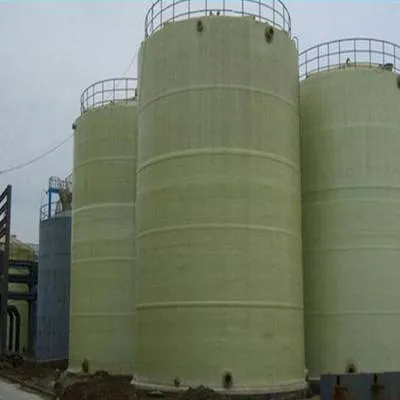
| Volume | 0.5–500 m³ |
| Design temperature | 0–60°C for 32–37% HCl |
| Design pressure | Atmospheric; roof/nozzle reinf. to suit; optional slight vacuum |
| Resin system | Novolac/BPA vinyl ester corrosion barrier + VE structural |
| Corrosion barrier | Veil + C‑glass/ECR glass, ≈2.5–5 mm |
| Structural laminate | Filament wound per ASTM D3299 |
| Fittings | FRP flanges, PVDF/PP liners, vent scrubber nozzles |
| Standards | ASME RTP‑1, ASTM D3299/D4097, EN 13121 (as applicable) |
How it’s built (short version)
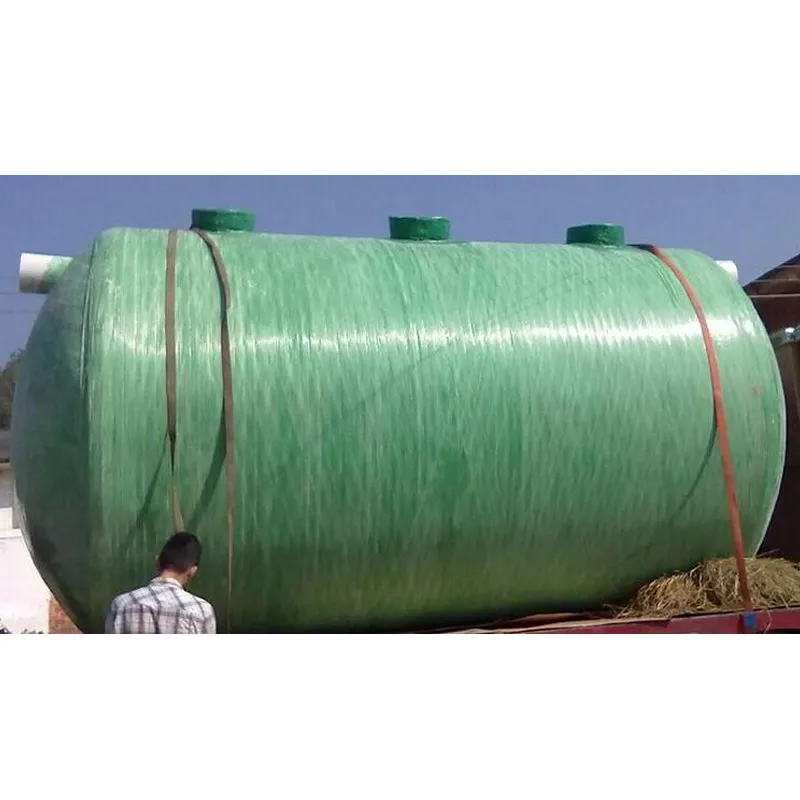
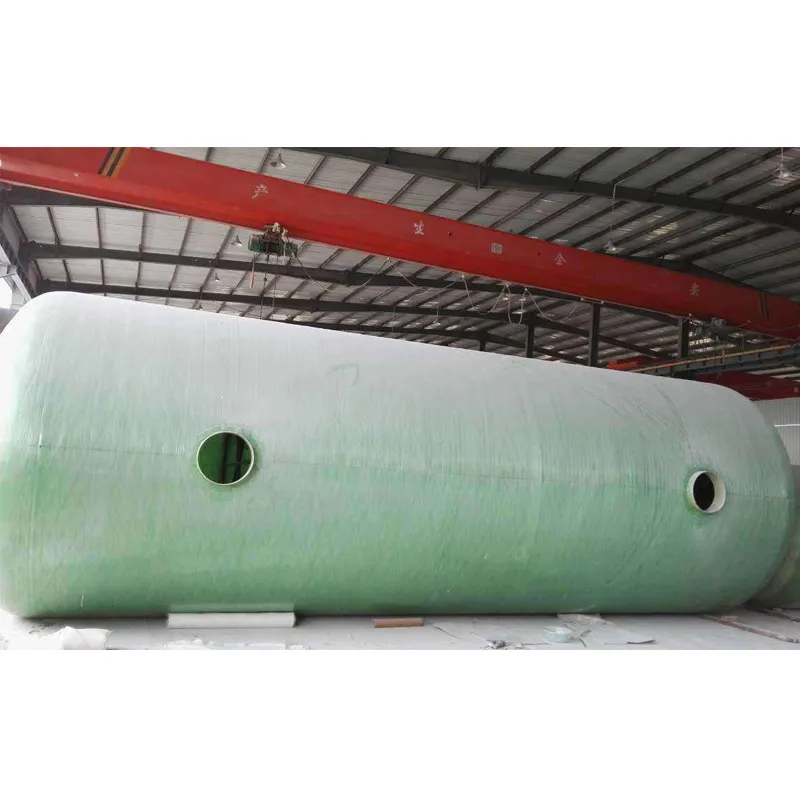
Materials: vinyl ester resin (often Novolac for stronger acid resistance), ECR glass, C‑glass veil. Methods: hand‑laid corrosion barrier, then filament winding for structure. Post‑cure at ≈80–100°C to lock in chemical resistance. Nozzles get overwrap reinforcement, and bases are designed to spread loads on saddles or ring walls.
Testing: Barcol hardness checks, laminate thickness mapping, hydrostatic test at 1.5× operating head, visual and spark/holiday checks on barrier where specified. Service life? I’d budget 15–25 years if the tank isn’t thermally abused and venting is correct.
Application snapshots
Beyond frp tank for hcl storage, the same platform is used for water treatment (raw, treated, backwash), fire water, rain harvesting, pharma and beverage water, and even decorative fountains—because corrosion resistance carries over nicely.
Field results and quick data
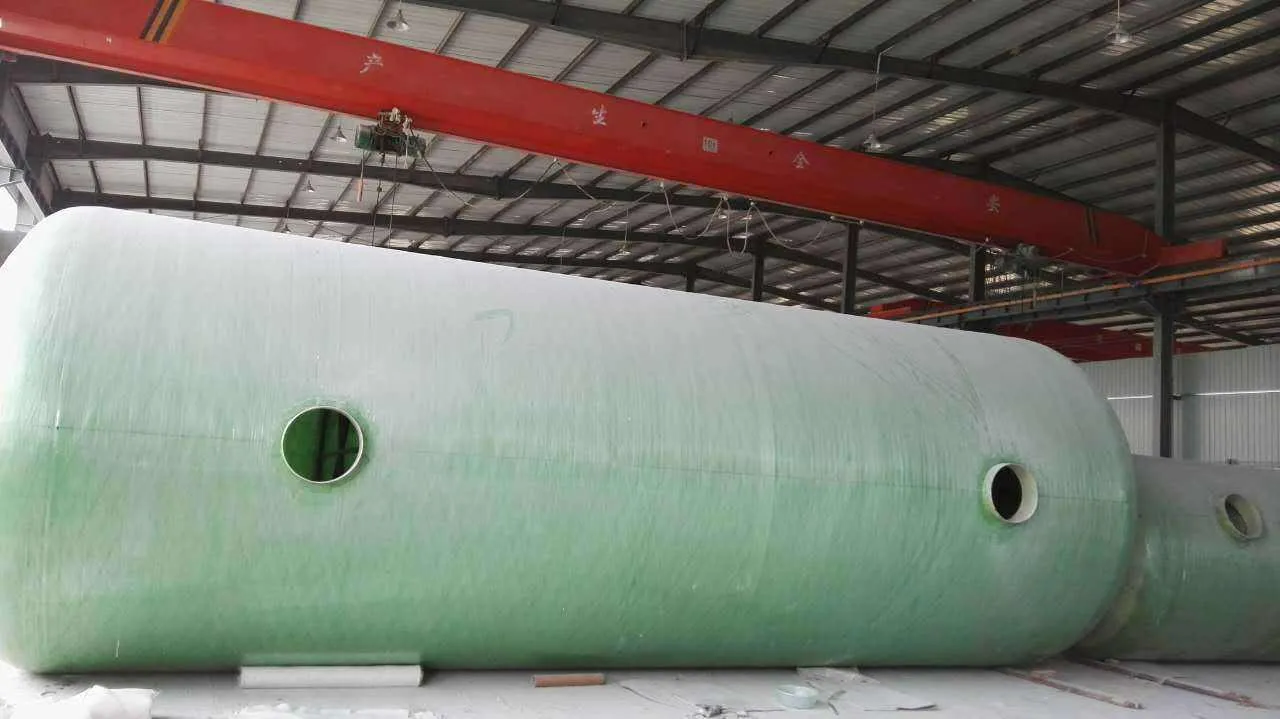
Recent shop tickets show: hydro test passed at 1.5× head for 2 h; Barcol ≥40 on structural laminate; corrosion barrier thickness 3.2–3.5 mm; vacuum hold −25 kPa for 30 min (no loss). Honestly, that’s what you want to see in the dossier.
Two quick case notes
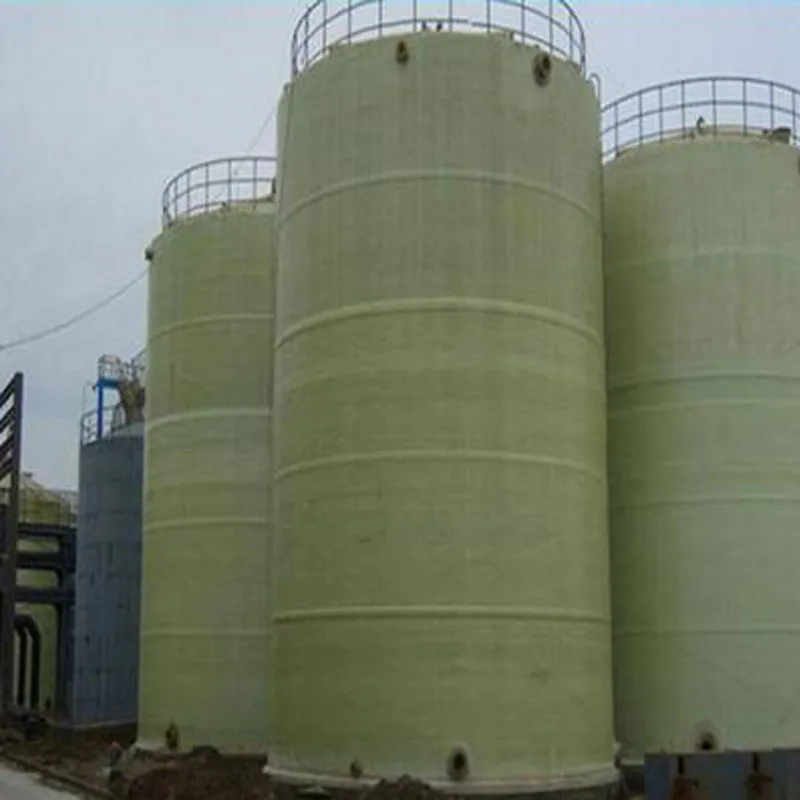
Electronics plant, 32% HCl, 30 m³ vertical tank: after 18 months, liner inspection normal, iron pickup in downstream neutralization ≈0 mg/L above baseline. Water utility, 100 m³ for acid dosing: 9‑month interval checks noted zero blistering; vent scrubber tie‑in prevented fumes—often overlooked, by the way.
Vendor comparison (what I look for)
| Criteria | Longxuan FRP (Hebei, CN) | Local Fabricator | Imported Brand |
|---|---|---|---|
| Corrosion barrier | C‑veil + ECR, ≈3 mm | Varies | 3–5 mm |
| Resin options | BPA/Novolac VE | Often BPA VE | Broad catalogue |
| Standards | ASTM D3299, ASME RTP‑1 | Shop dependent | RTP‑1/EN 13121 |
| Lead time | ≈3–6 weeks | 2–8 weeks | 8–12 weeks |
| Price | Competitive | Varies | High |
| Address/Origin | 20 Xingyuan South St., Zaoqiang, Hengshui, Hebei, China | — | — |
Customization checklist
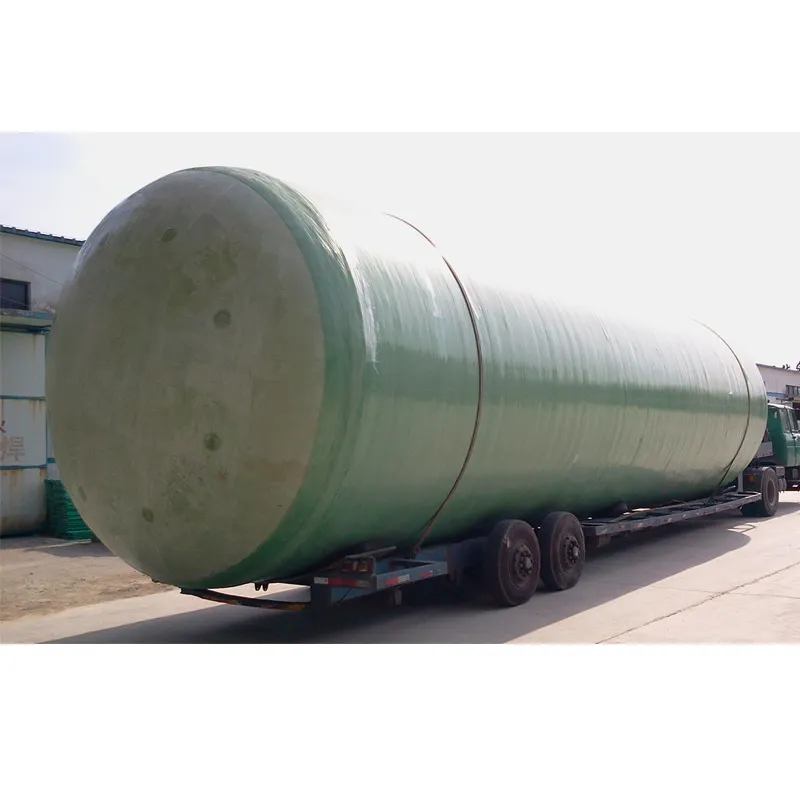
Call out: resin grade, vent/overflow sizing, seismic/wind loads, nozzle metallurgy (FRP vs. lined), grounding, ladders/cages, containment, and delivery constraints. For frp tank for hcl storage, I also specify UV topcoat and neutralization basin tie‑ins.
What users report
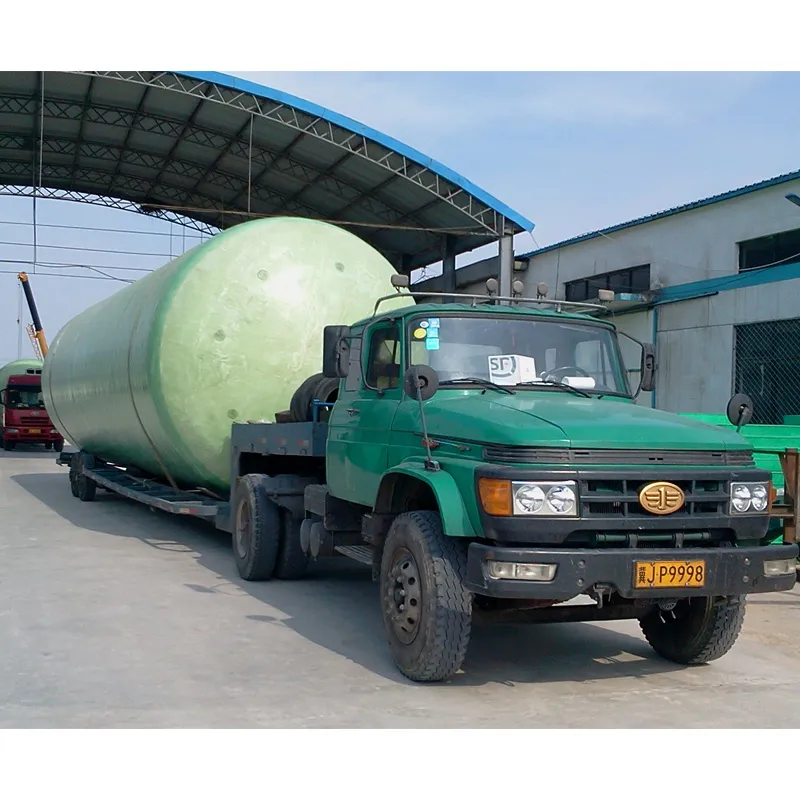
Feedback sounds consistent: “no smell after vent scrubber hookup,” “easier than rubber lining,” and “delivery was the bottleneck, not install.” To be honest, that tracks with my site walks.
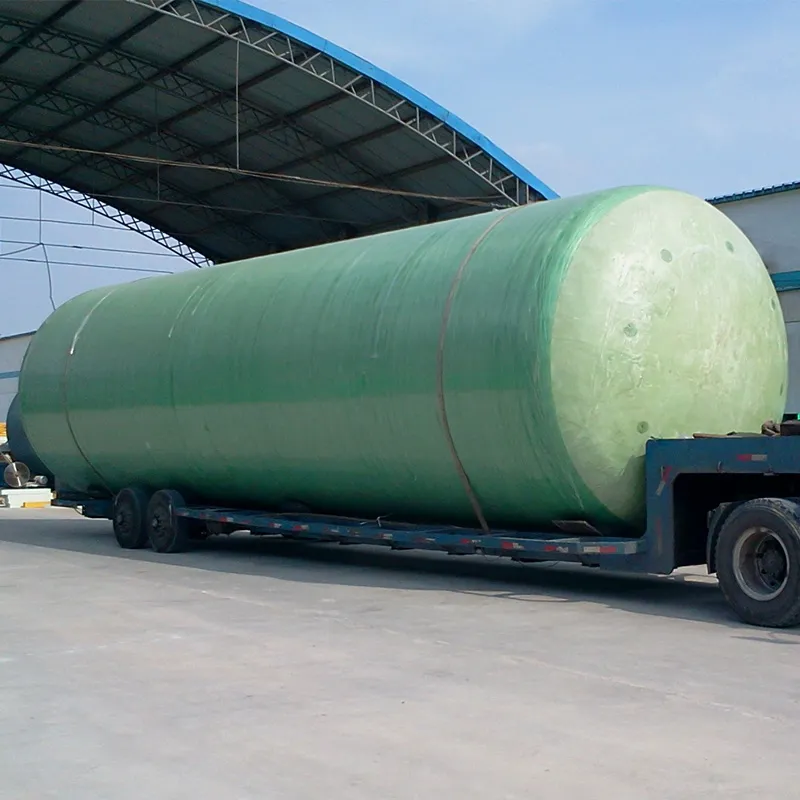
Bottom line: a frp tank for hcl storage pays for itself in fewer outages—if you insist on the right resin, barrier thickness, and documented tests.
References






Address
20 Xingyuan South Street, Zaoqiang County, Hengshui City, Hebei Province, China


