



We Are Open 24 Hours a Day, 7 Days a Week, Including Weekends and Public Holidays.


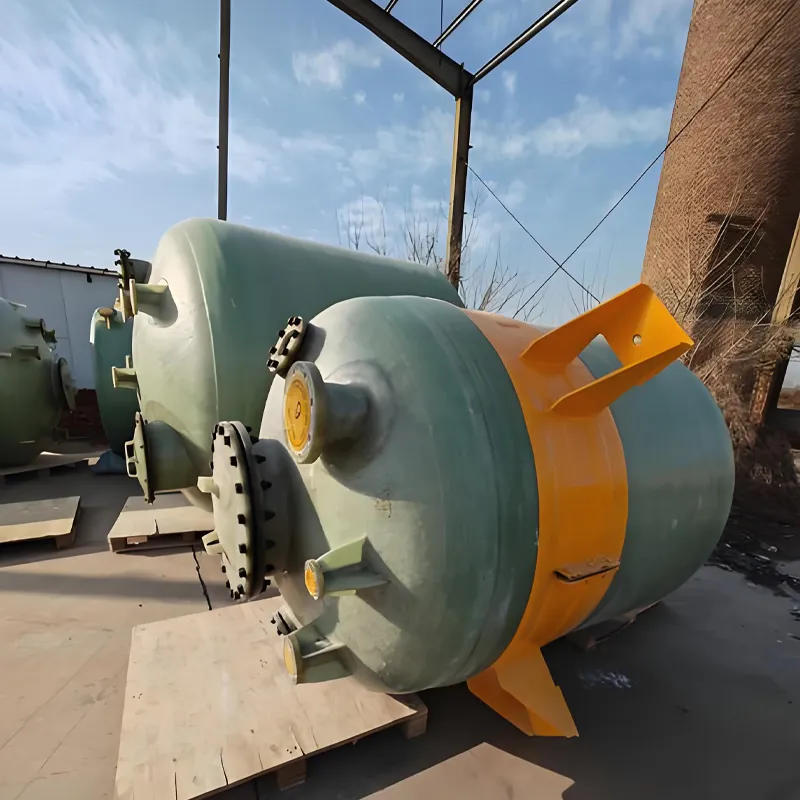
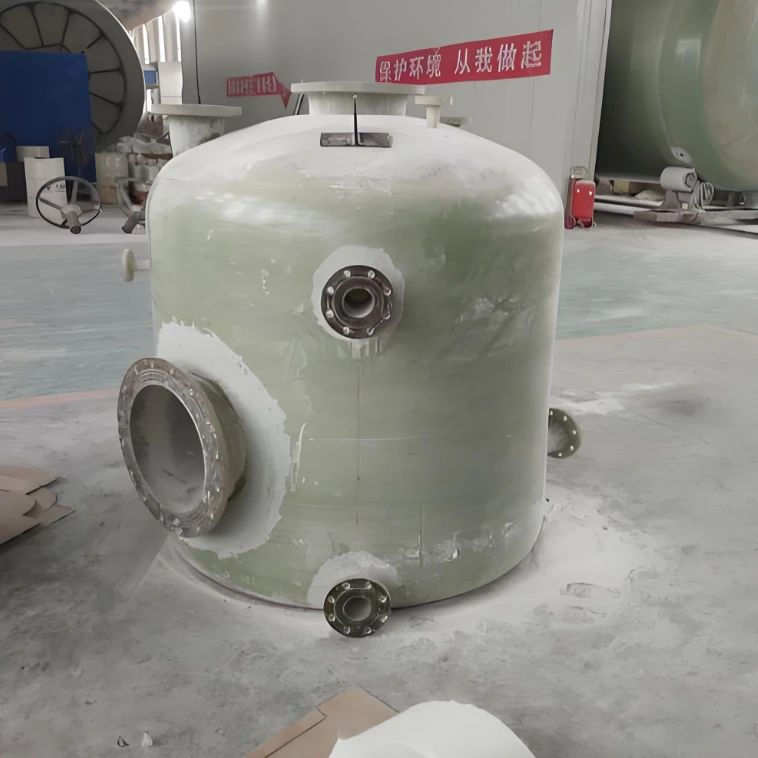
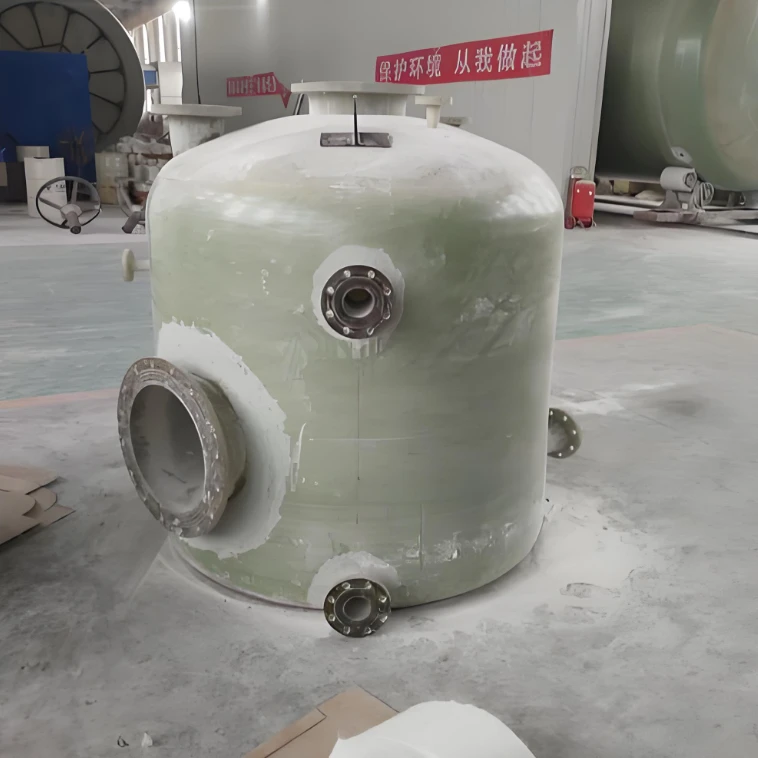
FRP Reaction Kettle: High Performance for Chemical Processing
Navigating Industrial Processes: The Evolution of the reaction kettle
In the demanding landscape of modern industrial chemistry and material processing, the choice of equipment is paramount to operational efficiency, safety, and product quality. Among the most critical components in various process lines is the reaction kettle, a specialized vessel designed to facilitate controlled chemical reactions under specific conditions. Traditional materials like stainless steel have long served this purpose, but evolving industrial needs, particularly in highly corrosive environments, have spurred the development and widespread adoption of advanced materials like Fiber Reinforced Polymer (FRP).
The shift towards FRP technology addresses inherent limitations of metallic systems, offering superior corrosion resistance, lighter weight, and enhanced design flexibility. This makes FRP vessels, including FRP chemical storage tanks and reaction kettles, indispensable in sectors ranging from petrochemicals and pharmaceuticals to environmental engineering and food processing. The industry trend is unequivocally moving towards solutions that not only perform under extreme conditions but also contribute to sustainability through extended service life and reduced maintenance.
The Meticulous Manufacturing Process of an FRP Reaction Kettle
The production of a high-performance FRP reaction kettle is a complex, multi-stage process that combines material science, precision engineering, and rigorous quality control. Unlike metallic vessels that often rely on casting or forging, FRP kettles are typically manufactured using filament winding and hand lay-up techniques, which allow for exceptional customization and superior material properties.
Key Stages in Manufacturing:
- Material Selection and Preparation: The foundational materials for an FRP reaction kettle include high-grade thermosetting resins (e.g., Isophthalic, Vinyl ester, Bisphenol-A Polyester) and reinforcing glass fibers (e.g., E-glass, C-glass). Resins are chosen based on the specific chemical resistance required for the intended application, while fibers provide structural integrity. Quality checks ensure raw materials meet ASTM standards for purity and mechanical properties.
- Liner Fabrication (Corrosion Barrier): The innermost layer, critical for chemical resistance, is typically fabricated using a resin-rich veil (e.g., C-glass veil) and specific corrosion-resistant resins via hand lay-up. This primary liner ensures zero permeability and chemical attack, often featuring a minimum thickness of 2.5-5mm, adhering to industry guidelines like ASTM D3299.
- Structural Layer Application (Filament Winding): After the liner cures, structural layers are applied, often using advanced filament winding machines. Continuous strands of glass roving, saturated with resin, are precisely wound onto a rotating mandrel. This technique builds exceptional hoop and axial strength, allowing for high-pressure applications. The winding patterns and fiber-to-resin ratios are engineered to meet specific pressure ratings and load requirements.
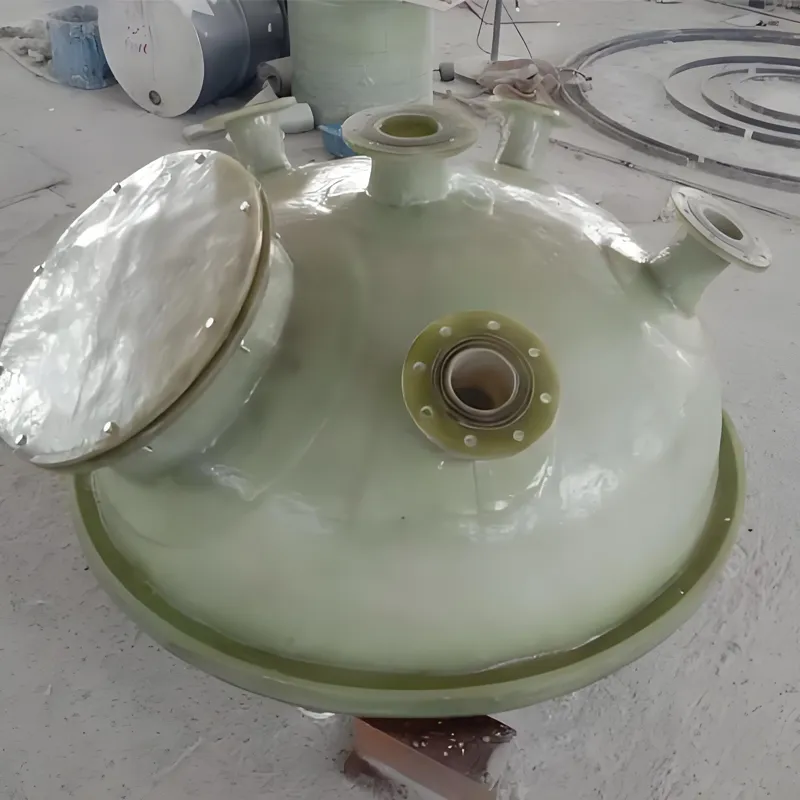
- Nozzle and Fitting Integration: Flanges, nozzles, manways, and other attachments are meticulously integrated into the vessel structure. These are often fabricated from FRP using hand lay-up techniques or custom molded, then structurally laminated to the main body, ensuring seamless chemical resistance and mechanical integrity.
- Post-Curing and Finishing: The entire structure undergoes a controlled post-curing process, often in an oven, to ensure complete resin polymerization and optimize mechanical properties. Following this, the kettle is subjected to surface finishing, trimming, and external coating as required.
- Rigorous Quality Testing: Each FRP reaction kettle undergoes comprehensive testing according to international standards such as ISO 9001 for quality management, and pressure testing conforming to ASME RTP-1 or equivalent local codes. Hydrostatic testing, ultrasonic inspection of laminate thickness, Barcol hardness tests, and visual inspections are standard procedures to confirm structural integrity, leak tightness, and material consistency.
These detailed processes ensure that the final FRP reaction kettle delivers superior performance, an extended service life often exceeding 20 years, and reliable operation in target industries such as petrochemical, metallurgy, pharmaceutical, and water treatment where corrosion resistance and inertness are critical.
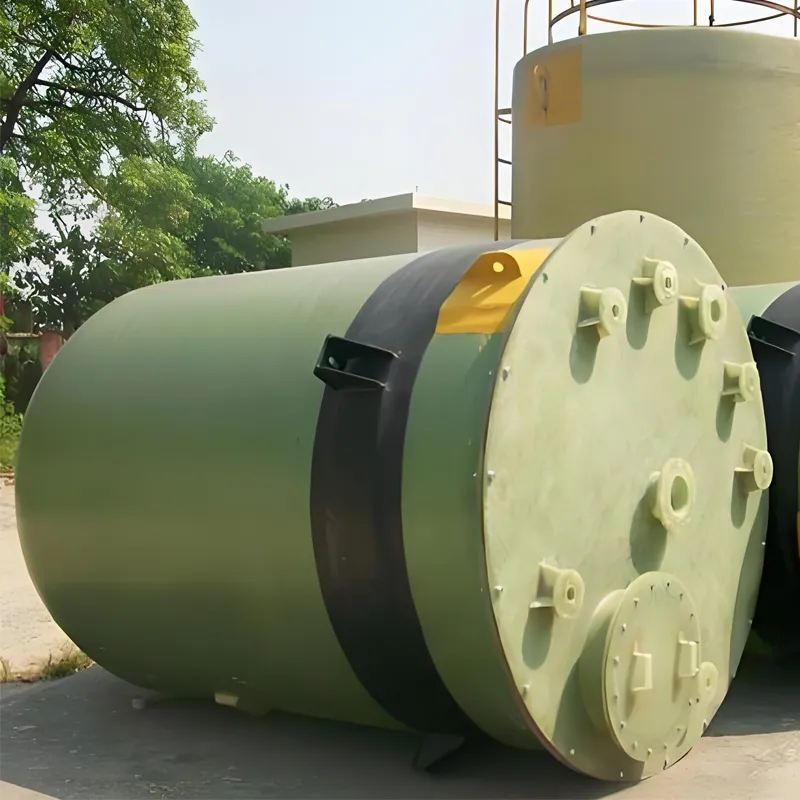
Technical Specifications: FRP Reaction Kettle Parameters
Understanding the technical specifications of an FRP reaction kettle is crucial for proper integration into industrial processes. These parameters dictate performance, compatibility, and safety. Below are typical ranges for key specifications, which can be further customized.
Application Scenarios and Industry Impact
FRP reaction kettles are vital assets across a multitude of industries where chemical resistance, purity, and thermal stability are non-negotiable. Their inherent properties make them ideal for processes that would rapidly degrade metallic alternatives.
Typical Application Areas:
- Petrochemical and Chemical Processing: Handling aggressive acids (sulfuric, hydrochloric, nitric), strong alkalis, and various organic solvents in polymerization, esterification, and chlorination reactions. Used extensively as frp chemical storage tanks for corrosive reagents.
- Pharmaceutical Industry: For reactions involving sensitive active pharmaceutical ingredients (APIs) and intermediates, where metal contamination is strictly prohibited. The inert nature of FRP ensures product purity.
- Metallurgy and Mining: In leaching processes, solvent extraction, and mineral processing where highly corrosive slurries and solutions are common.
- Environmental Engineering: For wastewater treatment, flue gas desulfurization (FGD) systems, and other pollution control applications involving corrosive reagents and effluents. Frequently employed as frp storage tanks.
- Food & Beverage: In specific processes requiring high hygiene and resistance to cleaning agents, where stainless steel might corrode or leech metals.
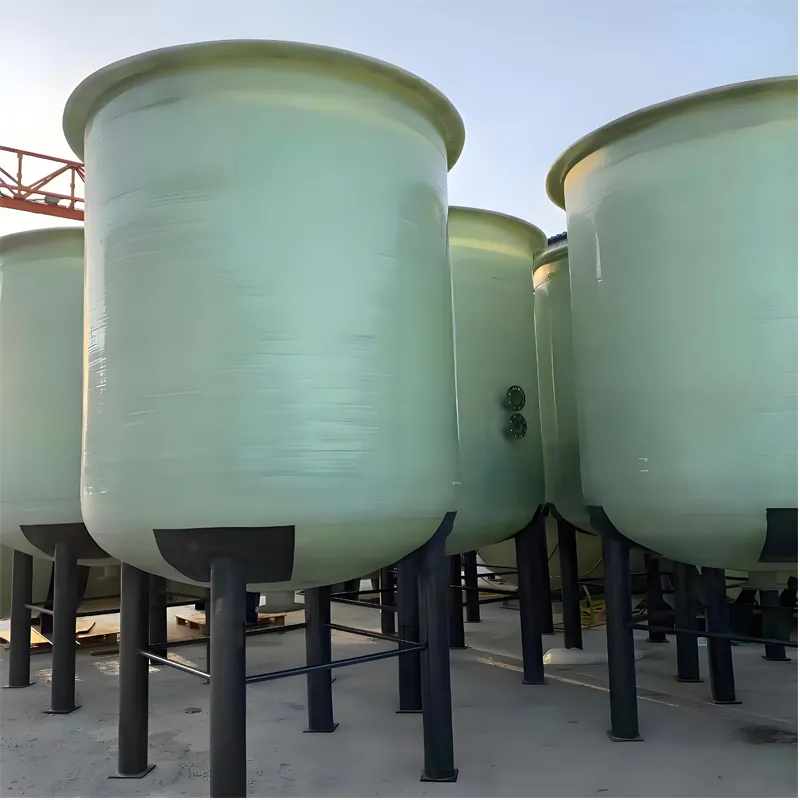
Technical Advantages of FRP Reaction Kettles
FRP reaction kettles offer distinct advantages over traditional metallic vessels, contributing significantly to operational efficiency, safety, and cost-effectiveness over their lifespan.
- Exceptional Corrosion Resistance: This is the primary advantage. FRP is impervious to a vast array of corrosive chemicals, including strong acids, bases, salts, and organic compounds, where metals would quickly degrade, leading to costly failures and contamination. This extends the vessel's service life and reduces downtime.
- High Strength-to-Weight Ratio: FRP is considerably lighter than steel, facilitating easier transportation, installation, and requiring less robust support structures. Despite its lighter weight, its filament-wound construction provides high tensile and hoop strength, making it suitable for moderate pressure applications.
- Design Flexibility: The manufacturing process allows for complex geometries, integrated nozzles, baffles, and heat transfer surfaces to be molded directly into the vessel, optimizing process efficiency without the need for extensive welding or fabrication.
- Low Maintenance and Long Service Life: Due to superior corrosion resistance, FRP kettles require minimal maintenance compared to metal vessels that may need periodic coatings or repairs. This translates to lower operational costs and a longer operational lifespan, typically 20+ years.
- Thermal Insulation Properties: FRP has a lower thermal conductivity than metals, which can contribute to energy savings by reducing heat loss or gain, thereby maintaining process temperatures more efficiently.
- Reduced Product Contamination: The inert surface of FRP prevents metal ion leaching, which is critical in purity-sensitive applications such as pharmaceuticals and high-purity chemical production.
Vendor Comparison and Customized Solutions
Selecting the right vendor for an FRP reaction kettle is as critical as the material choice itself. Key factors for B2B decision-makers include proven expertise, adherence to international standards, customization capabilities, and post-sales support.
Key Vendor Selection Criteria:
- Specialization and Experience: Look for vendors with decades of dedicated experience in FRP manufacturing, particularly for pressure vessels and chemical tank storage solutions. Expertise in resin selection and laminate design is paramount.
- Certifications and Quality Control: Ensure the vendor operates under ISO 9001 quality management systems and manufactures to recognized international codes like ASME RTP-1 or ASTM D3299. Independent third-party inspection certificates add an extra layer of assurance.
- Customization Capabilities: The ability to engineer bespoke solutions for specific volumes, pressures, temperatures, and chemical compositions is crucial. This includes custom nozzle configurations, agitation systems, heating/cooling jackets, and internal baffles.
- After-Sales Support: Comprehensive installation guidance, maintenance recommendations, and readily available technical support are indicators of a reliable partner.
The Power of Customization:
FRP reaction kettles excel in their adaptability. Unlike mass-produced metallic tanks, FRP allows for tailored designs that precisely match process requirements, ensuring optimal performance and cost efficiency. Customization options include:
- Resin System Selection: Tailored choice of Vinyl Ester, Isophthalic, or Bisphenol-A resins to match specific chemical aggressors and temperature profiles.
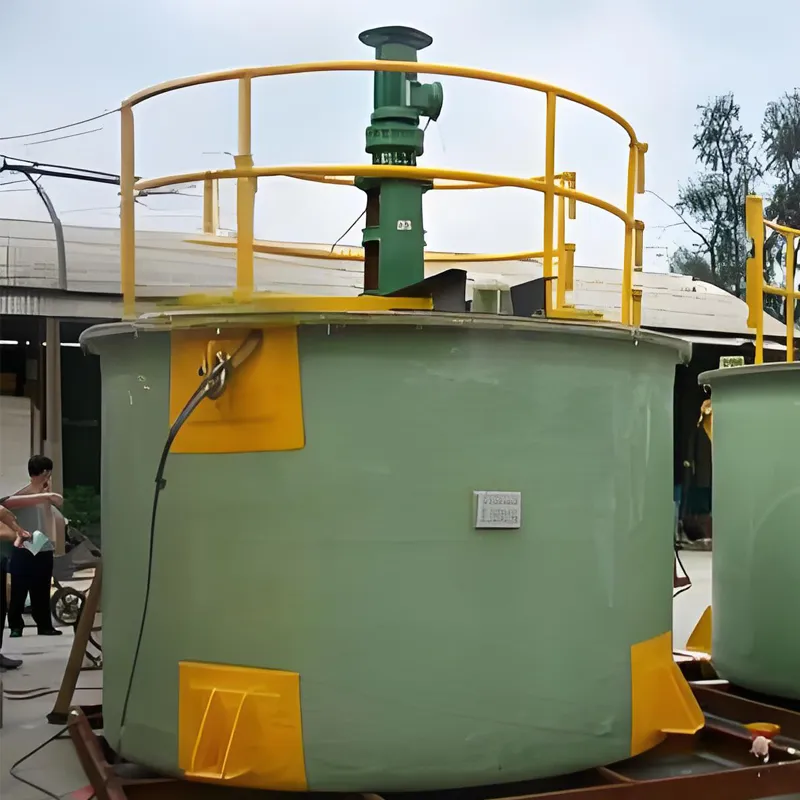
- Integrated Agitation Systems: Design and integration of appropriate agitators (propeller, turbine, anchor) for desired mixing intensity and fluid dynamics.
- Heat Transfer Solutions: Integration of external heating/cooling jackets (dimple, half-pipe) or internal coils, custom-sized for efficient temperature control.
- Instrumentation and Access: Placement of sight glasses, sampling ports, pH probes, temperature sensors, and ergonomically designed manways.
Real-World Application Case Studies
The tangible benefits of FRP reaction kettles are best illustrated through successful industrial deployments. Here are two examples:
Case Study 1: Specialty Chemical Production
A leading specialty chemical manufacturer faced persistent issues with corrosion and metallic contamination in their stainless steel reaction vessels, used for synthesizing a highly acidic organic compound. Frequent maintenance, including passivation and weld repairs, led to significant downtime and batch inconsistencies.
- Solution: They replaced four 10m³ stainless steel reactors with custom-designed FRP reaction kettles featuring a Vinyl Ester resin liner. The kettles were equipped with integrated half-pipe jackets for precise temperature control and FRP agitators.
- Outcome: Within the first year, the client reported zero corrosion-related failures and a 95% reduction in maintenance costs associated with these vessels. Product purity significantly improved, exceeding quality benchmarks. The operational lifespan of the FRP kettles is projected to be 25 years, a substantial increase over the 7-year average for their previous metallic vessels.
Case Study 2: Municipal Wastewater Treatment Plant
A municipal wastewater treatment facility required large-volume tanks for advanced oxidation processes involving hypochlorite and strong acids for pH adjustment. Their existing carbon steel tanks with rubber lining experienced frequent delamination and lining failures due to chemical attack and thermal cycling.
- Solution: Three 50m³ frp chemical storage tanks were installed, specifically engineered with an advanced Isophthalic resin system capable of withstanding both oxidizing agents and low pH conditions.
- Outcome: The FRP tanks have been in continuous operation for over a decade without any signs of corrosion or structural degradation. The facility achieved significant cost savings from eliminating frequent relining and tank replacement. The light weight of FRP also simplified installation in a challenging site.
Frequently Asked Questions (FAQ)
Q: What is the typical lead time for a custom FRP reaction kettle?
A: Lead times vary based on complexity, size, and current production schedules. Typically, a custom FRP reaction kettle requires 8-16 weeks from design approval to factory acceptance testing. Expedited options may be available depending on project urgency.
Q: What kind of warranty is offered on FRP reaction kettles?
A: We provide a standard 1-5 year warranty against manufacturing defects and material failures under specified operating conditions. Extended warranty options and service contracts are available for critical applications, demonstrating our confidence in product longevity and our commitment to customer support.
Q: How do I ensure chemical compatibility for my specific process?
A: Our engineering team works closely with clients to review the chemical composition, temperature, and concentration of the media. Based on extensive material databases and decades of experience, we recommend the optimal resin system (e.g., Vinyl Ester for strong acids, Isophthalic for general corrosion) and laminate design, often providing chemical resistance charts specific to your application.
Q: What after-sales support is provided?
A: Our commitment extends beyond delivery. We offer technical assistance for installation, commissioning support, maintenance guidelines, and troubleshooting. Our global network of service engineers is available for on-site support or remote consultation to ensure continuous optimal performance of your FRP vessels.
Conclusion
The adoption of FRP reaction kettles represents a strategic investment in long-term operational reliability and safety for industries facing corrosive challenges. With advanced manufacturing processes, rigorous quality control, and unparalleled customization capabilities, these vessels deliver superior performance, extended service life, and significant cost savings over their operational lifespan. Partnering with an experienced and reputable manufacturer ensures that your specific process requirements are met with precision-engineered, high-quality FRP solutions.
References
- ASTM International. (2020). Standard Specification for Contact-Molded Glass-Fiber-Reinforced Thermosetting Resin Chemical-Resistant Tanks. ASTM D3299.
- American Society of Mechanical Engineers. (2018). Reinforced Thermoset Plastic Corrosion Resistant Equipment. ASME RTP-1.
- ISO. (2015). Quality management systems – Requirements. ISO 9001:2015.
- Mallick, P. K. (2007). Fiber-Reinforced Composites: Materials, Manufacturing, and Design (3rd ed.). CRC Press.
- Peters, M. S., Timmerhaus, K. D., & West, R. E. (2003). Plant Design and Economics for Chemical Engineers (5th ed.). McGraw-Hill.






Address
20 Xingyuan South Street, Zaoqiang County, Hengshui City, Hebei Province, China


