



We Are Open 24 Hours a Day, 7 Days a Week, Including Weekends and Public Holidays.

FRP Grating Factory: Need Custom, Fast, Certified Supply?
Inside an FRP Grating Operation: Notes from the Floor
If you’ve ever walked a catwalk above a cooling tower and noticed the crisp, non-slip grid under your boots—yep, that’s FRP. I spent a day at an frp grating factory in Hebei (20 Xingyuan South Street, Zaoqiang County, Hengshui City, China), and to be honest, the production line felt closer to a lab than a workshop.
What’s Trending in FRP
Three things I keep hearing: fire-retardant vinyl ester resins, heavier grit for wet decks, and shorter lead times. The shift from steel to FRP keeps accelerating—corrosion is eating budgets alive, and maintenance teams don’t have time for repaint cycles. Many customers say they’re switching plant walkways, pump skids, and chiller platforms to FRP because the lifecycle math just works.
Product Snapshot
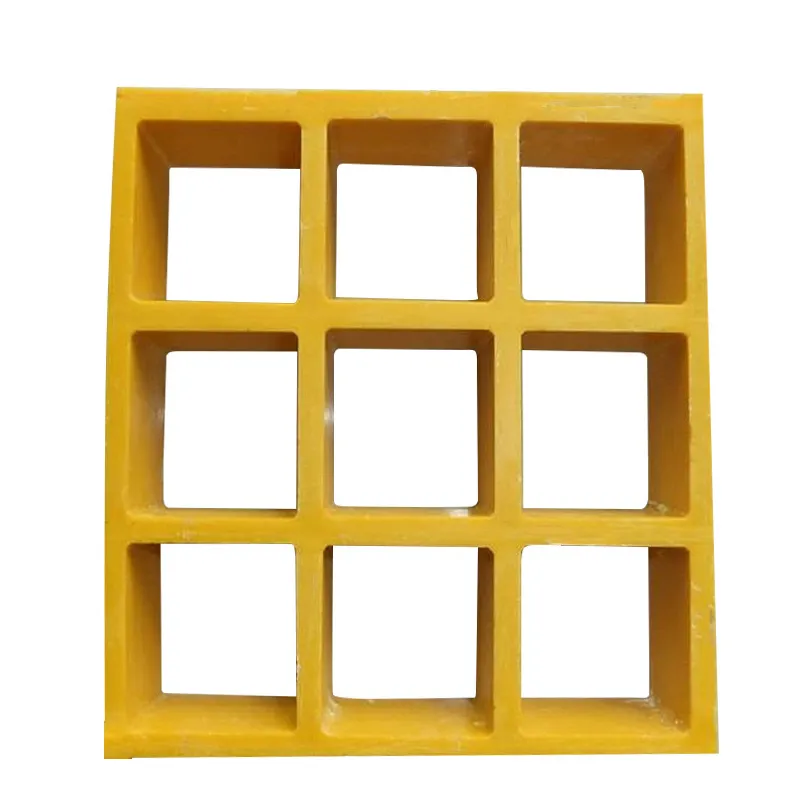
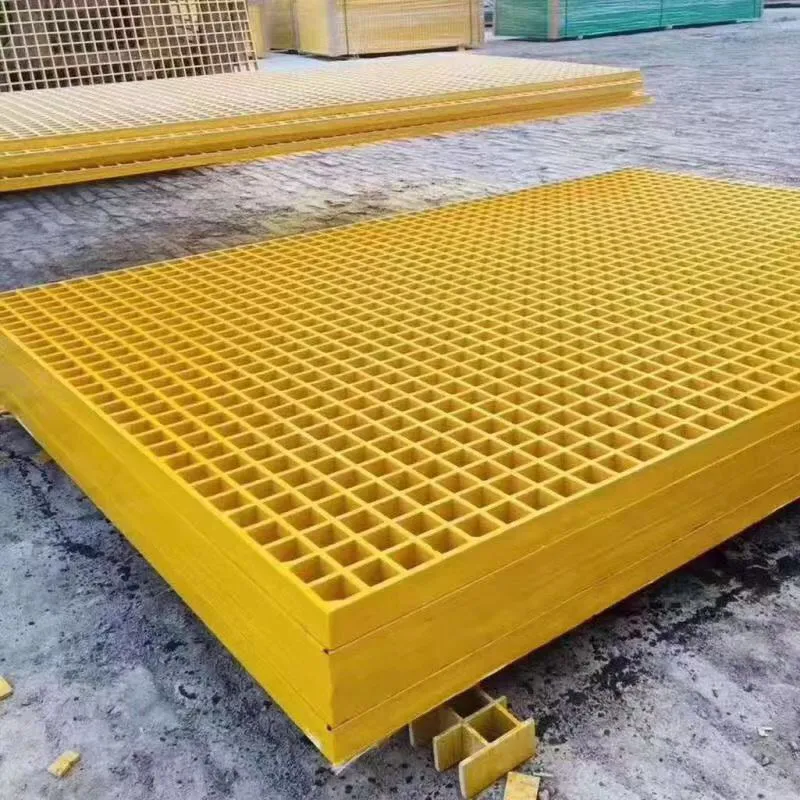
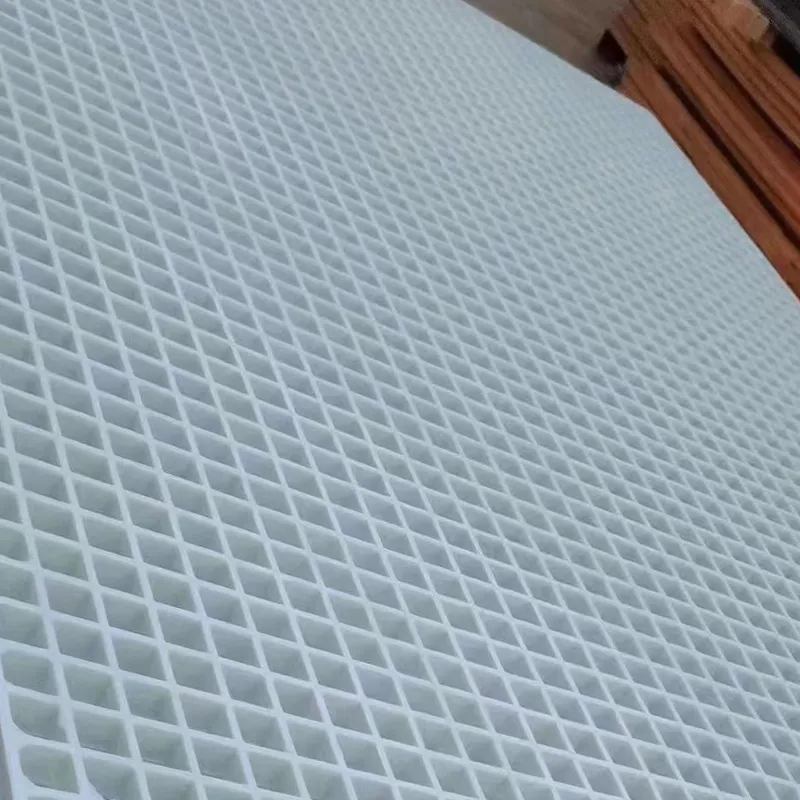
FRP Grating thickness options: 25, 30, 38, 50, 65 mm. Typical fields: casting, forging, air compressors, central air conditioning, ground-source heat pumps, printing machines, die casting and injection molding lines—often around cooling loops using pure water as the medium.
| Parameter | Spec (≈, real-world use may vary) |
| Thickness options | 25 / 30 / 38 / 50 / 65 mm |
| Resin systems | Isophthalic or Vinyl Ester (FR available) |
| Surface | Concave or gritted, slip-resistant |
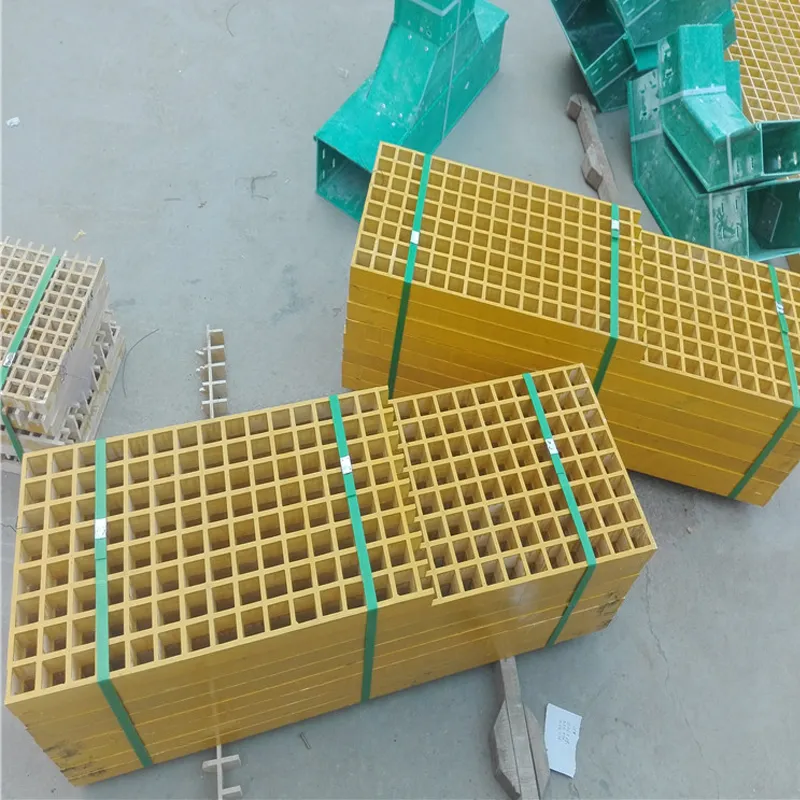
| Open area | ≈60–70% (typical molded 38×38 mm mesh) |
| Fire behavior | With FR resin, targets ASTM E84 Class A |
| Service life | ≈20–30 years in outdoor industrial use |
How It’s Made (Short Version)
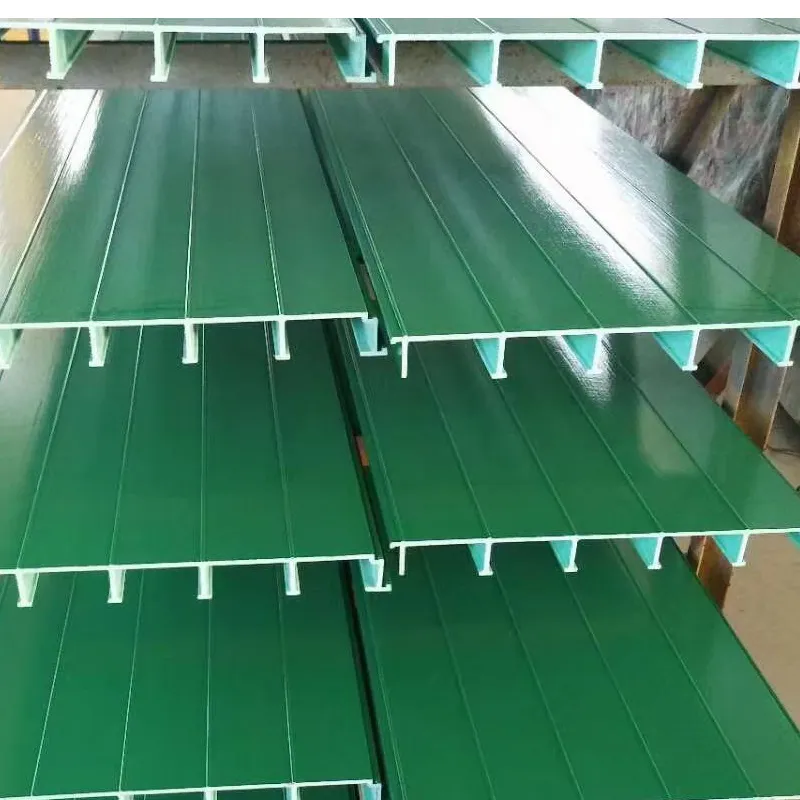
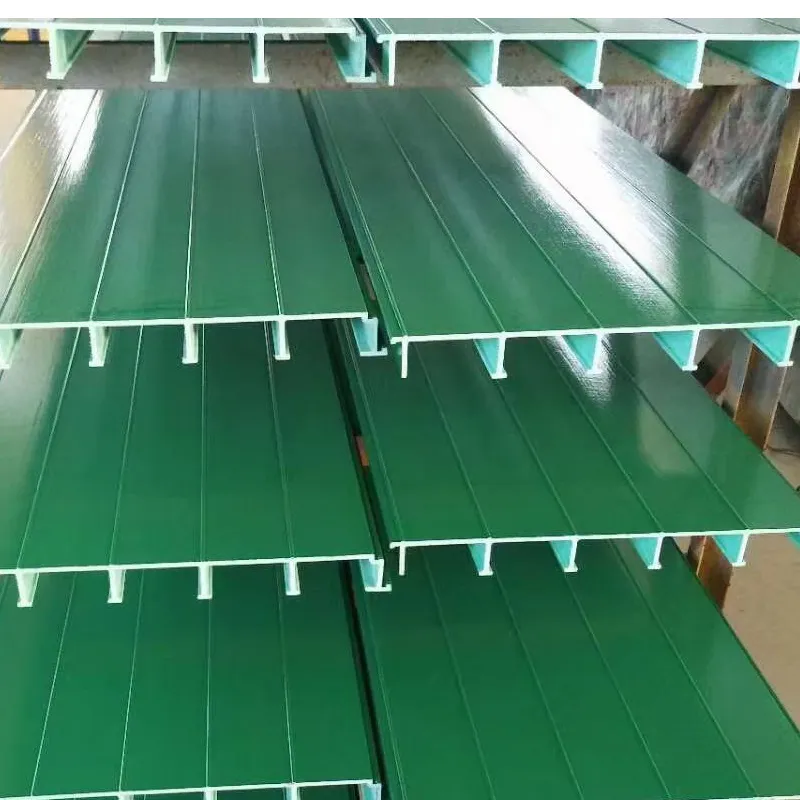
Materials: E-glass roving + resin (iso or vinyl ester), fillers, pigments, UV inhibitors, and FR additives. Methods: molded grating (preform gridding in a heated mold) or pultruded grating (profiles pulled through a die, then assembled). Post-process: trimming, edge banding, grit broadcast, topcoat. Tests commonly run: flexural (ASTM D790), tensile (ASTM D638), compressive (ASTM D695), burn/surface (ASTM E84/UL 723), and slip checks aligned with OSHA 1910 guidance.
Where It’s Used
- Foundry mezzanines and maintenance walkways near casting/forging cells.
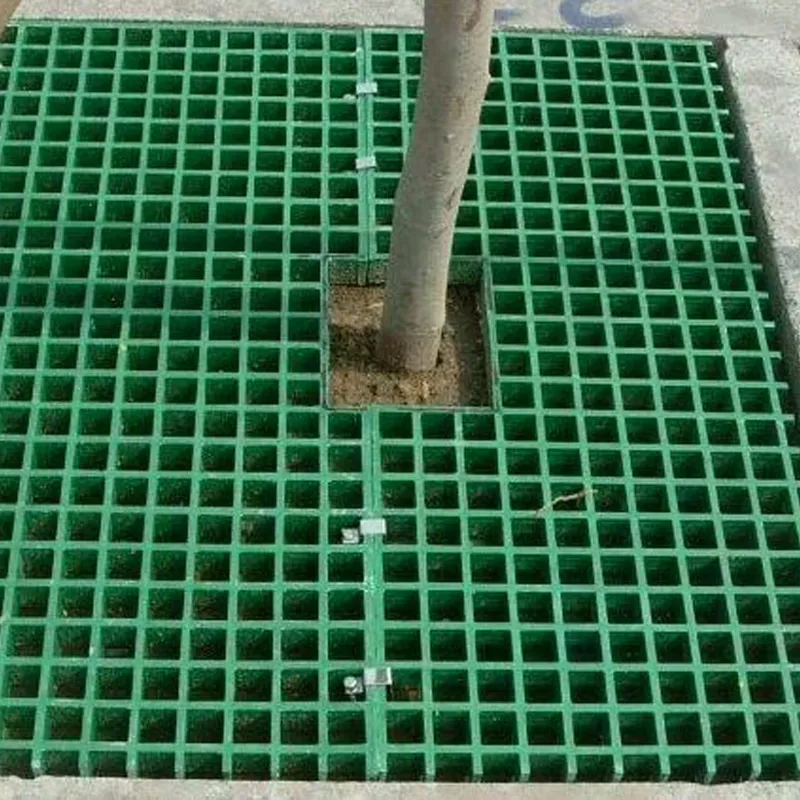
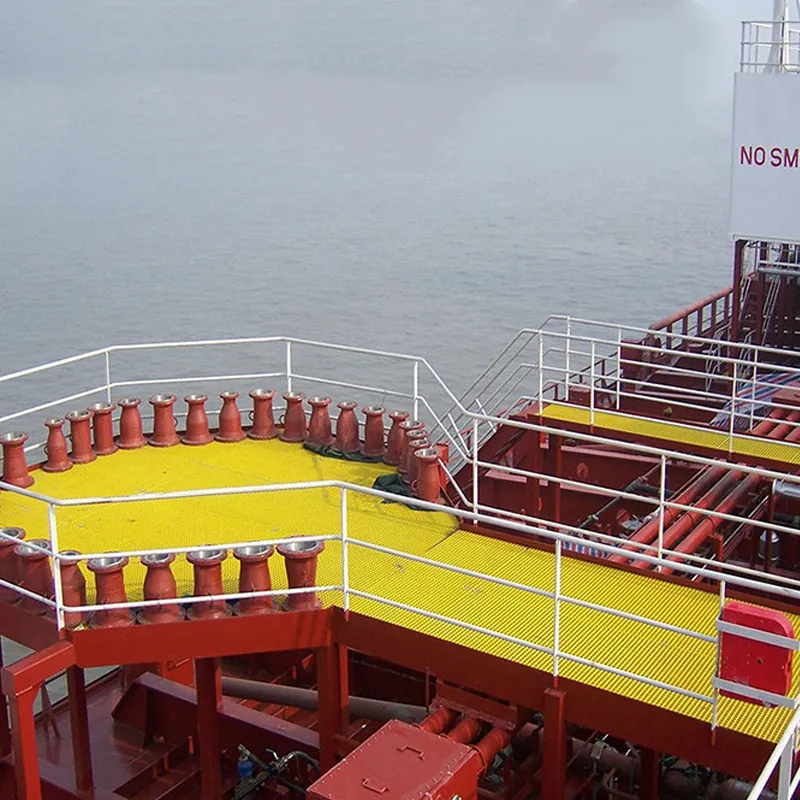
- HVAC platforms: central AC and GSHP rooftops, cooling towers using pure water.
- Plastics lines: die casting and injection molding machine access grids.
- Chemical wash areas where corrosion eats steel, surprisingly fast.
Why Plants Switch
Advantages: corrosion resistance, non-conductive, lighter lifts (no crane for small panels), lower maintenance, consistent slip resistance. One maintenance chief told me their wet COF stayed ≥0.6 after a year of grit wear—good enough for their safety team.
Vendor Snapshot (Comparison)
| Vendor | Corrosion | Fire Options | Lead Time | Notes |
| Longxuan (Hebei) | High (vinyl ester) | FR, Class A target | ≈2–4 weeks | ISO 9001; cut-to-size |
| Generic FRP Vendor | Medium–High | FR optional | 3–6 weeks | Varies by batch |
| Steel Grating Supplier | Low in acids/salts | N/A | Fast | High maintenance |
Customization
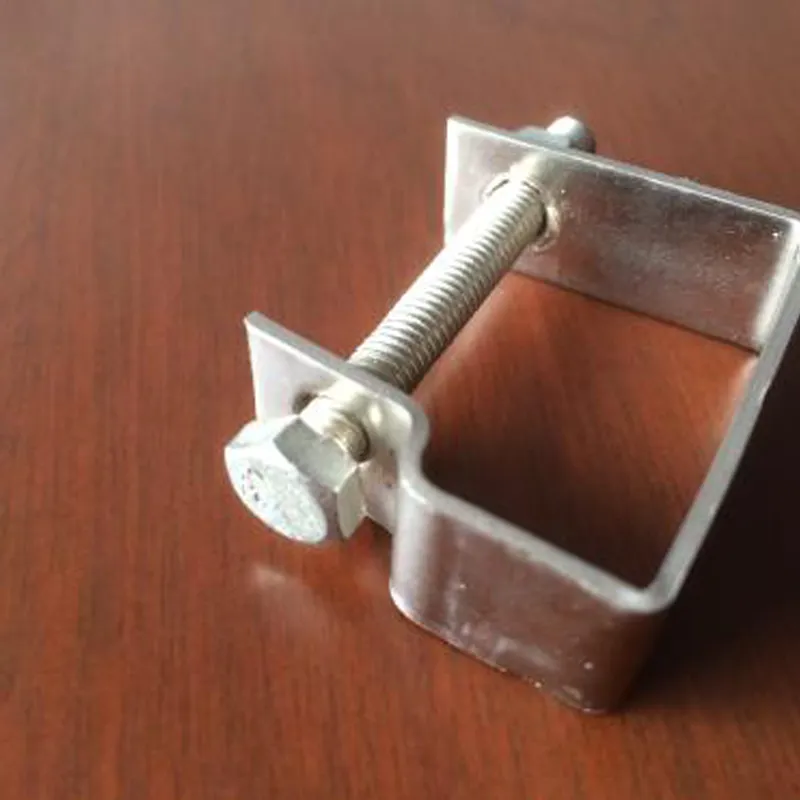
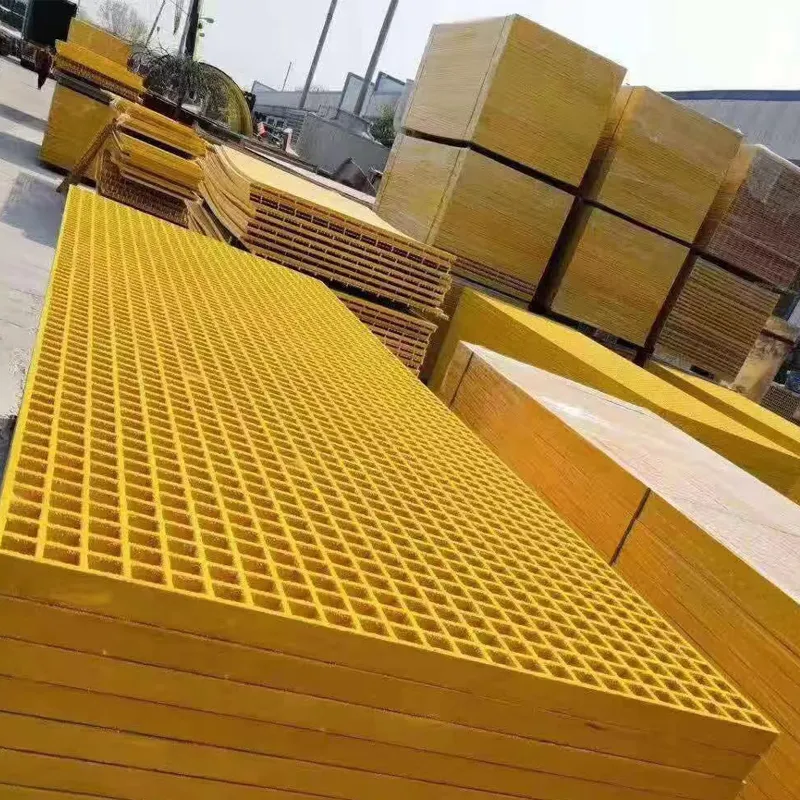
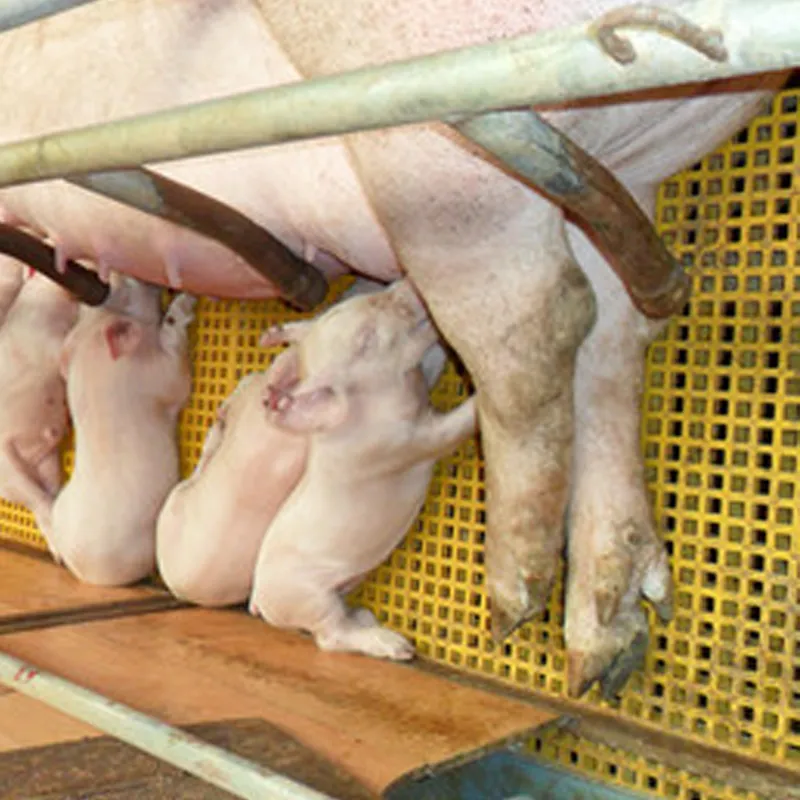
Cut-to-size, edge banding, color coding (safety yellow is common), grit levels, resin selection by chemical chart, UV topcoats, and hardware kits. QC is typically ISO 9001-based, with batch test logs you can actually read—ask for them; a solid frp grating factory will share.
Field Notes (Mini Case Studies)
- Die Casting Plant, East China: swapped rusted steel walkways for 38 mm gritted FRP; downtime dropped, annual paint budget basically vanished.
- Rooftop Chiller Platform: vibration isolation pads + 30 mm FRP; crew said handling was “a breeze”—no crane call-out.
- Chemical Wash Bay: vinyl ester grids held up after 12 months where galvanized panels pitted in three.
Standards, Data, Confidence
Look for compliance to ASTM F3059 (where applicable), E84 Class A with FR resin, mechanicals per D790/D638, and slip performance aligned with OSHA 1910. Ask for load tables for your span; good vendors provide deflection at L/200 or similar limits. Real world? I guess 20–30 years is fair with periodic cleaning and no chemical surprises. A seasoned frp grating factory will flag risks early.
References
- ASTM F3059 – Standard Specification for Fiber-Reinforced Polymer (FRP) Grating [1]
- ASTM D790 – Flexural Properties of Reinforced Plastics [2]
- ASTM D638 – Tensile Properties of Plastics [3]
- ASTM E84 / UL 723 – Surface Burning Characteristics of Building Materials [4]
- OSHA 29 CFR 1910 – Walking-Working Surfaces (slip-resistance guidance) [5]
- ISO 9001:2015 – Quality Management Systems (factory certification) [6]






Address
20 Xingyuan South Street, Zaoqiang County, Hengshui City, Hebei Province, China


