



We Are Open 24 Hours a Day, 7 Days a Week, Including Weekends and Public Holidays.

Fire Truck Water Tanks for Sale – Durable, NFPA, Custom
If you’re scanning the market for fire truck water tanks for sale, you’ve probably noticed how quickly specs and claims blur together. I’ve toured a few fabrication shops over the years, and—honestly—the gap between a good FRP (fiberglass-reinforced plastic) tank and a merely “okay” one can be dramatic in real-world deployments.
What’s changing in fire water storage
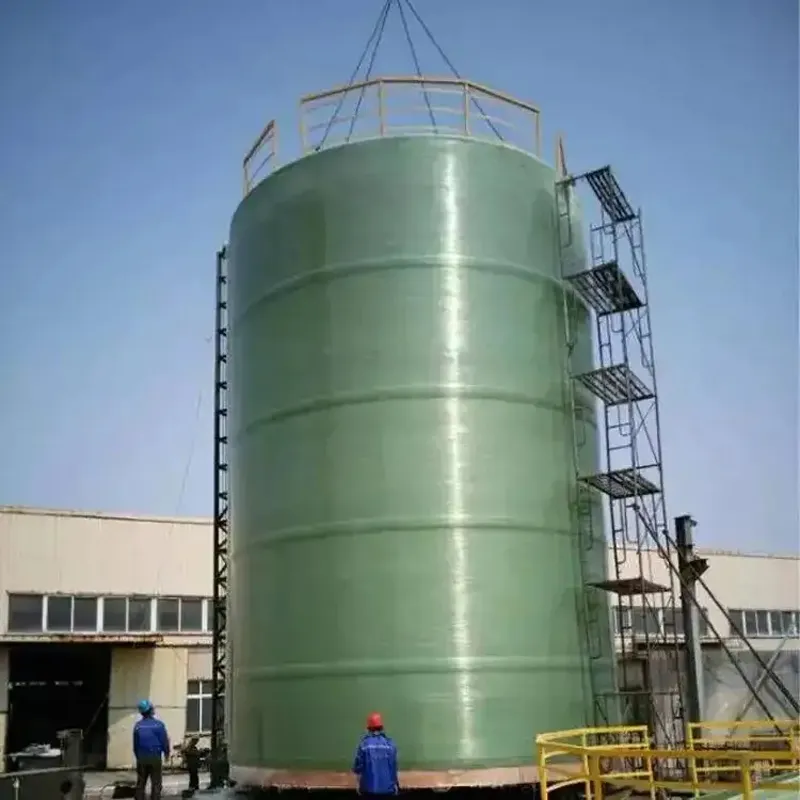
Departments are shoring up shuttle operations, rural hydrant alternatives, and station reserves. Weight, corrosion resistance, and life-cycle cost are driving decisions. FRP tanks are having their moment—lighter than steel, tougher than many plastics, and customizable. Many customers say they’re surprised at how quiet the cab feels after installing baffled FRP modules (less slosh, less drama).
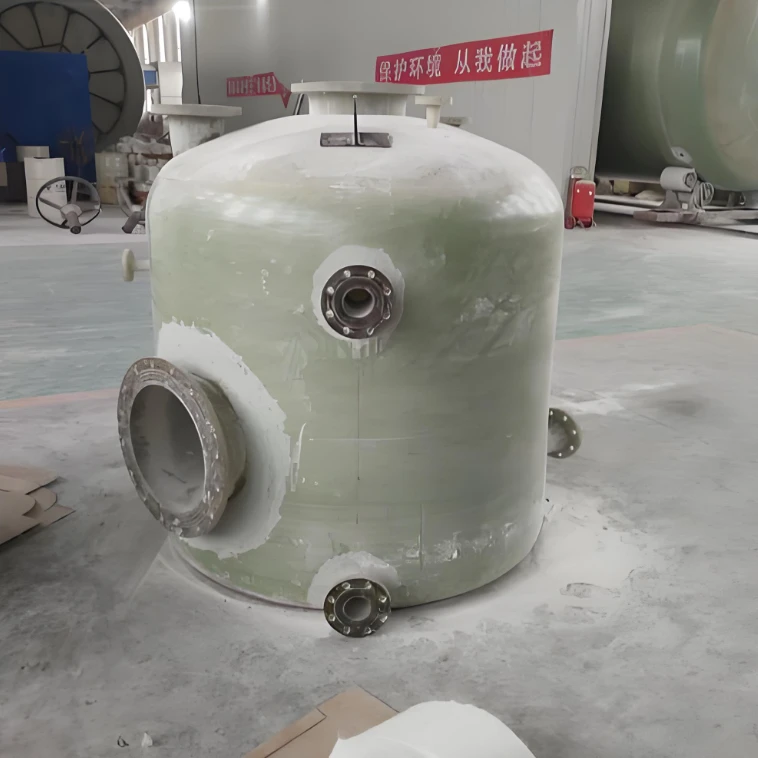
Product spotlight: FRP Fire Water Tank
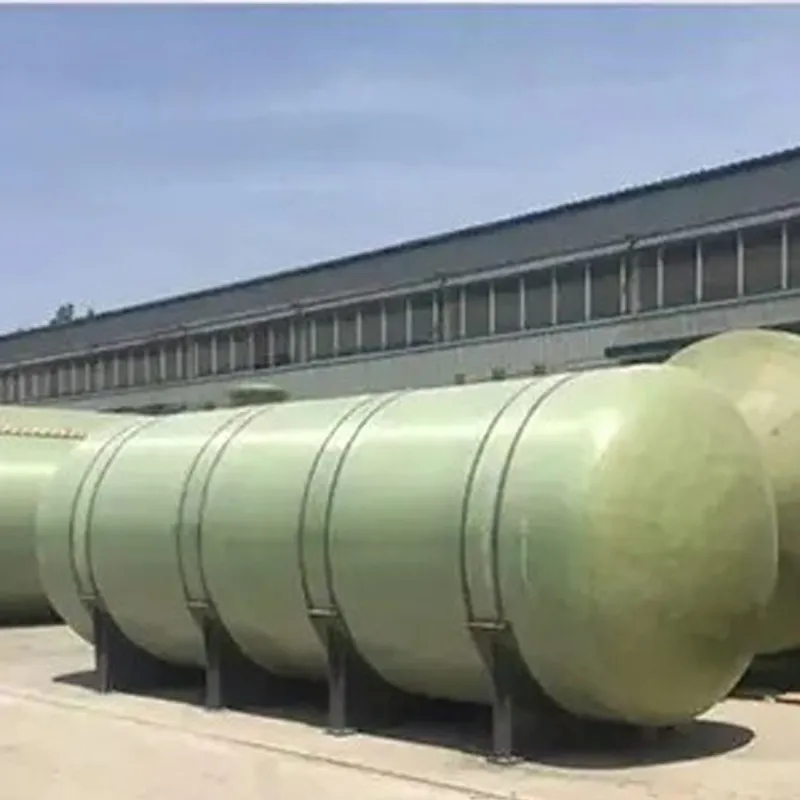
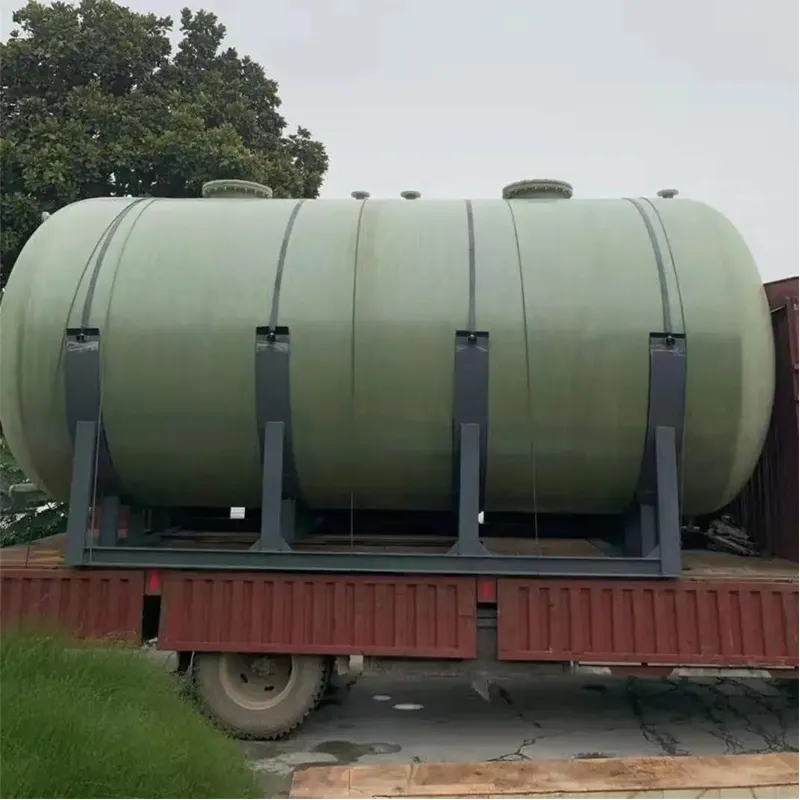
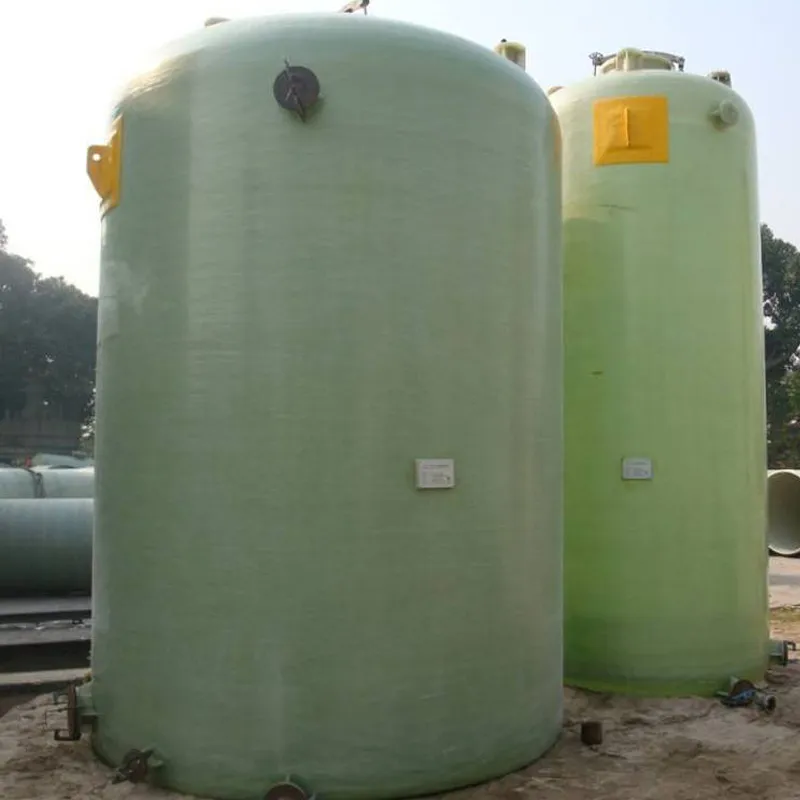
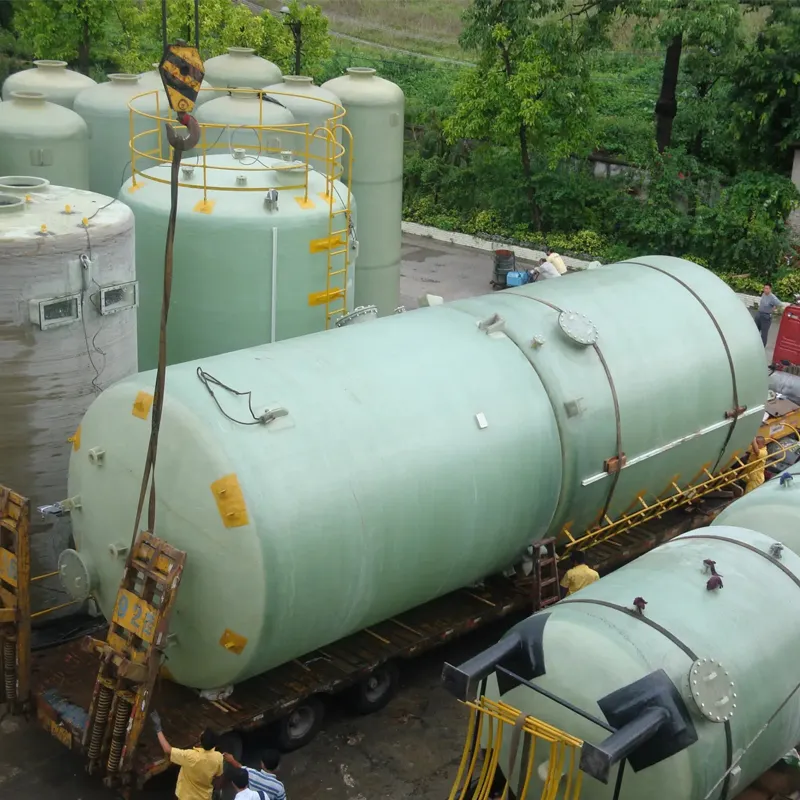
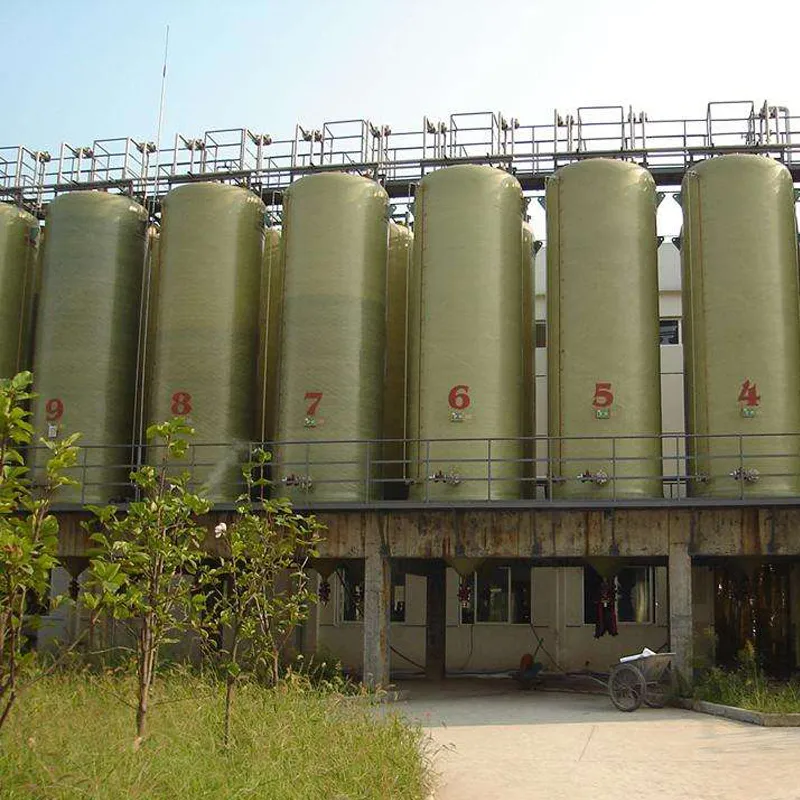
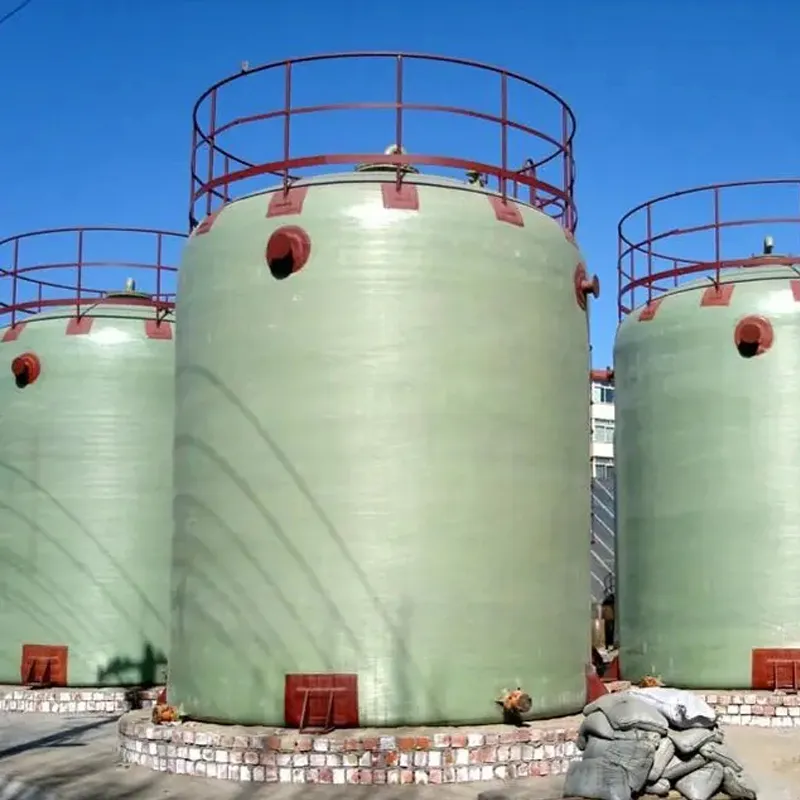
The FRP Fire Water Tank from LongXuan (origin: 20 Xingyuan South Street, Zaoqiang County, Hengshui City, Hebei Province, China) is designed for station storage and can be configured for apparatus support, including tender retrofits or drop-in skids. Capacity ranges from 0.5–500 m³, which covers everything from compact rescue support to serious municipal buffer storage.
| Spec | Details (≈ real-world use may vary) |
|---|---|
| Volume | 0.5–500 m³ (custom footprints available) |
| Materials | FRP with isophthalic or vinyl ester resin; food-grade gelcoat optional |
| Temperature | -30°C to 70°C typical; higher on request |
| Baffling | Anti-slosh internal baffles; NFPA-style flow paths possible |
| Service life | ≈25+ years with routine inspection |
| Compliance support | NFPA 22/AWWA D120 references; potable options per NSF/ANSI 61 |
How it’s built (and tested)
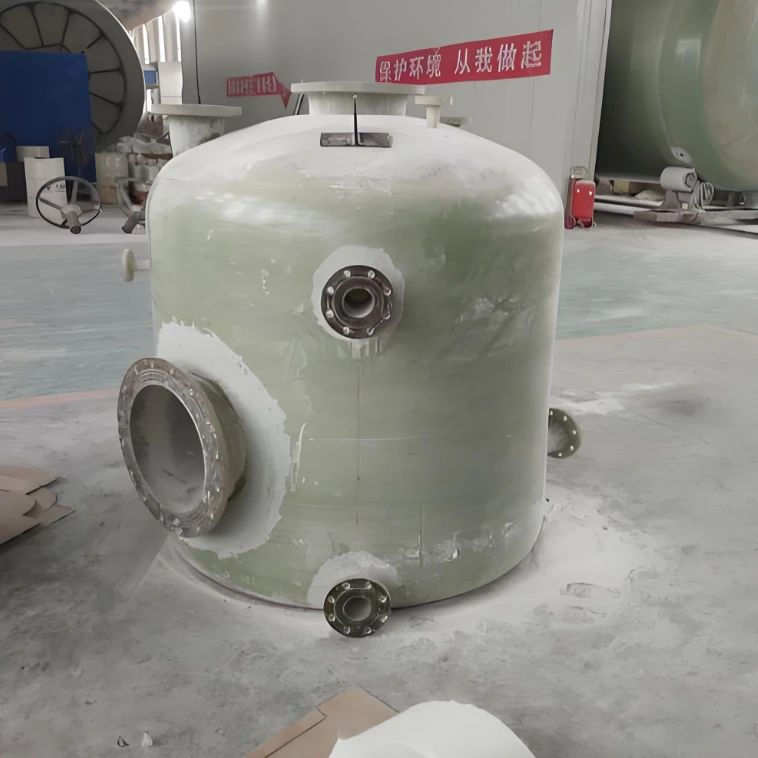
Materials: corrosion-resistant resin systems, UV-stable gelcoats, fiberglass rovings. Methods: hand lay-up + filament winding or modular panel assembly with sealed joints. Testing: hydrostatic to 1.5× working head for 2 hours (no visible weep), Barcol hardness per ASTM D2583, tensile per ASTM D638, and accelerated UV per ASTM G154. Typical factory data: leak rate 0 ml/min at 1.5 bar; deflection within design envelope.
Where it fits in your operations
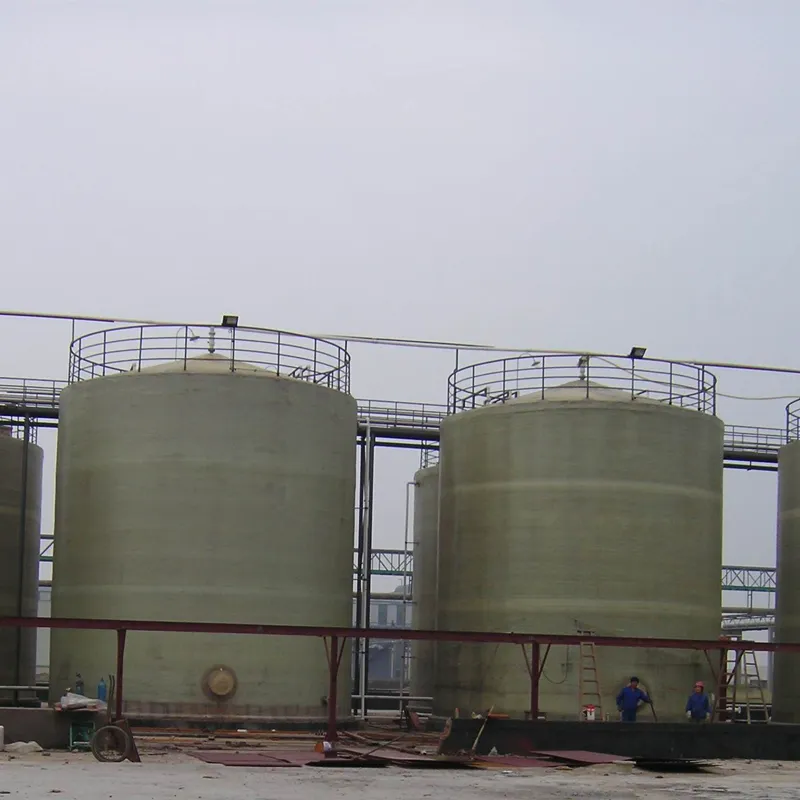
- On-board tenders (retrofits with baffled modules and custom saddles)
- Station reserve and drafting sites for rural shuttle ops
- Industrial fire brigades; ARFF support (foam-compatible liners available)
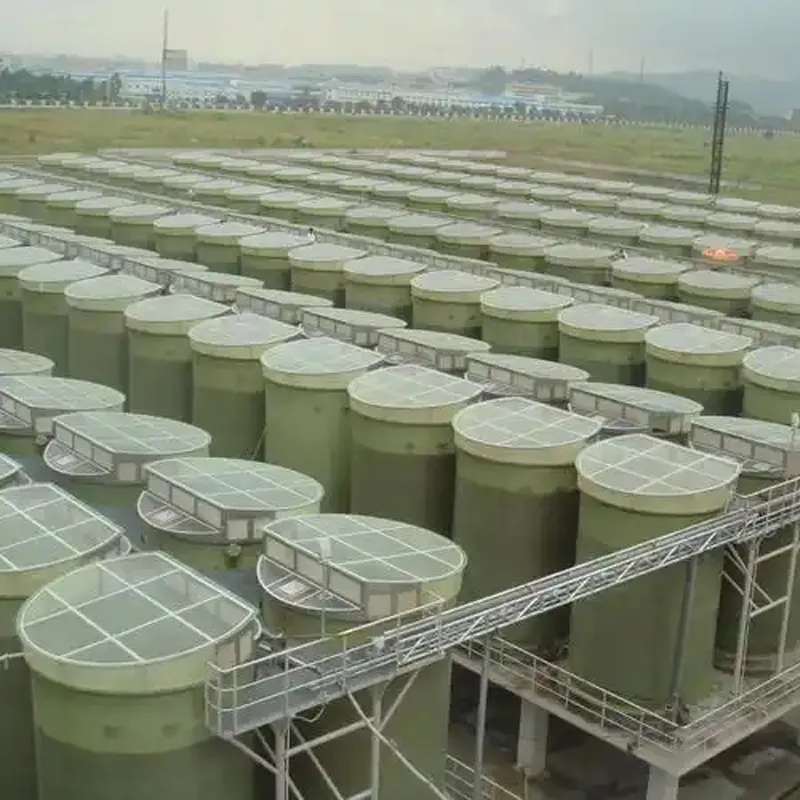
- Plus: potable, chemical, pharma, food & beverage, water treatment, rainwater, ag irrigation, landscape, and fountain storage
One wildland chief told me, “we cut refill time by around 18% after installing a baffled FRP tank and dedicated 4-in. suction”—not a lab number, but it matches what I’ve seen.
Vendor snapshot: what to compare
| Vendor | Material | Weight | Corrosion | Lead time | Cert support |
|---|---|---|---|---|---|
| LongXuan FRP | FRP (iso/vinyl ester) | Light | Excellent | Around 3–6 weeks | NFPA 22/AWWA D120, NSF 61 options |
| Aluminum Tank Vendor | Aluminum | Medium | Good (watch pitting) | 4–8 weeks | NFPA 1901 focus |
| Poly Tank Vendor | Polypropylene | Light | Good (heat creep risk) | 2–5 weeks | Apparatus oriented |
Customization that actually matters
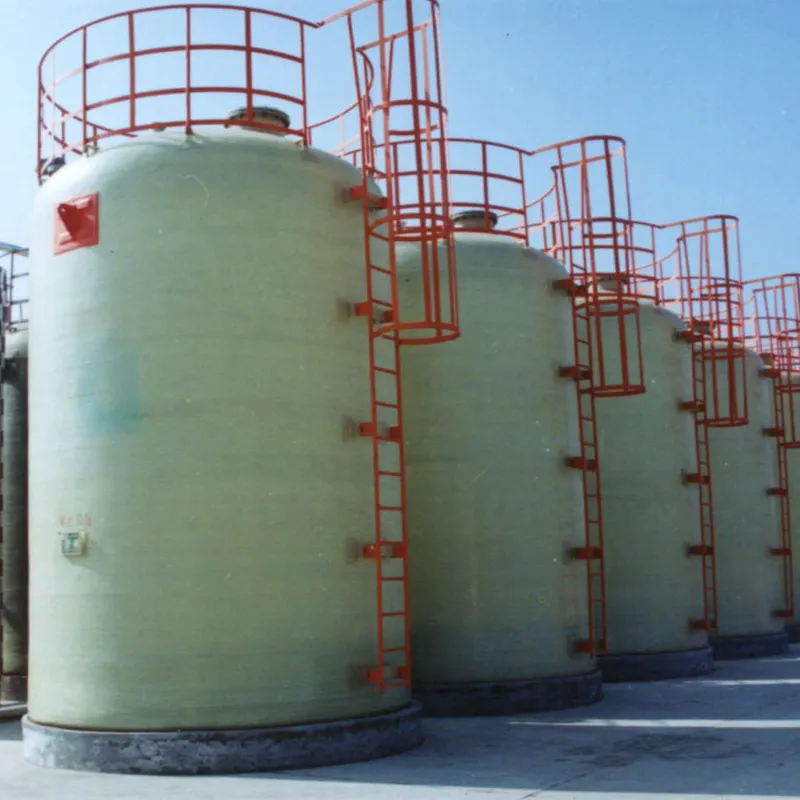
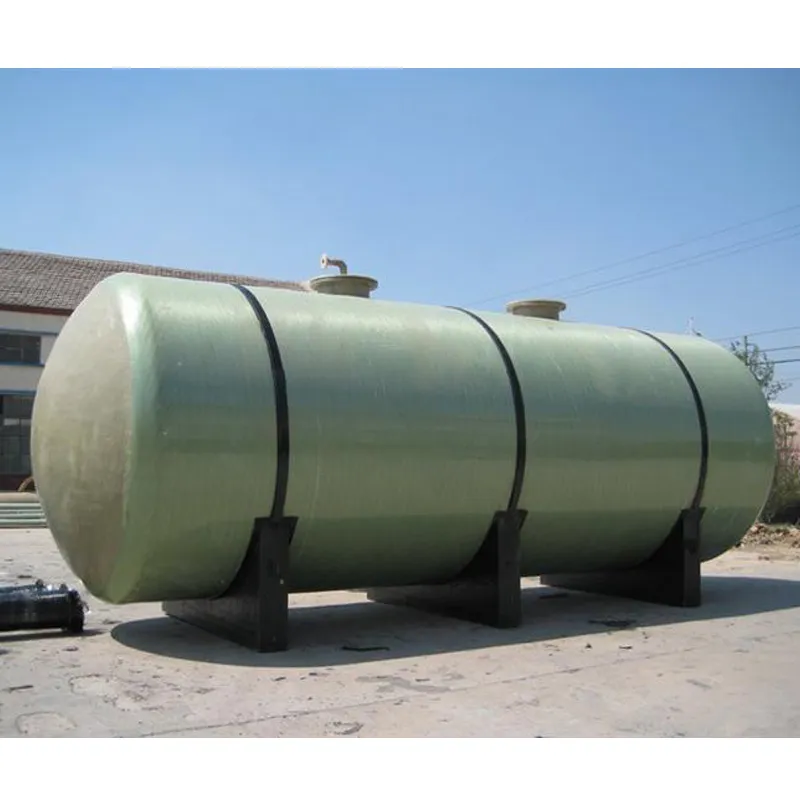
Manways, level sensors, heater coils, foam-compatible liners, quick-dump ports, color (RAL), signage, mounting saddles, and baffling patterns. To be honest, the baffle design is where you’ll feel it on the first corner.
Mini case notes
Rural township: retrofitted a 6,000 L tender module; reported less surge and quicker fills via 4-in. suction—crew training time dropped because operations got simpler. Industrial plant: 200 m³ FRP tank feeding fire pumps; weekly churn tests logged steady suction with zero leak-back after 12 months.
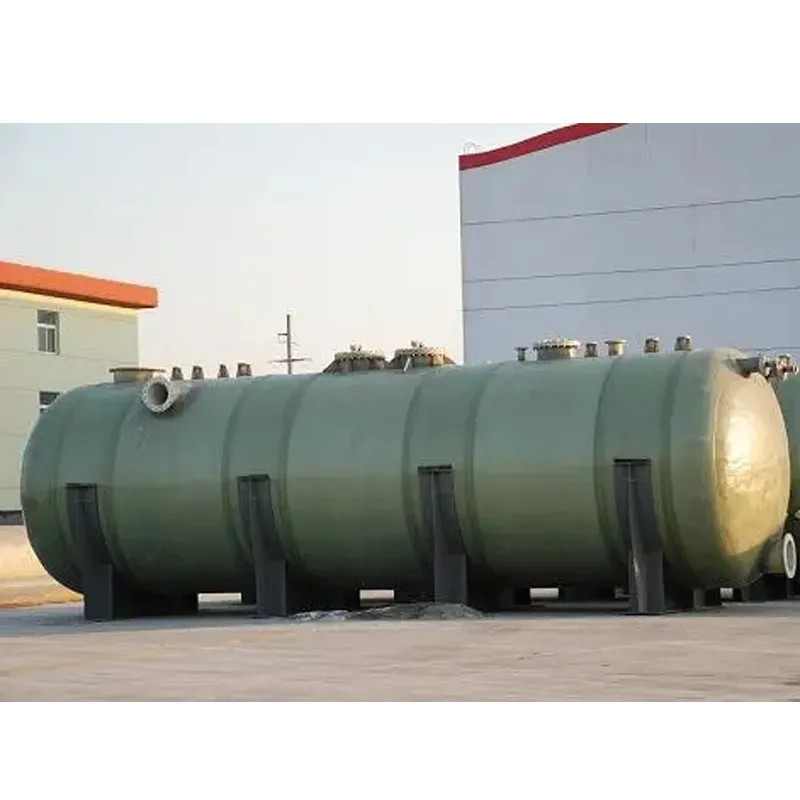
Certifications and documentation available upon request: ISO 9001, material traceability, hydrostatic logs, and compliance matrices aligned to NFPA 22, AWWA D120, and (for apparatus integration) NFPA 1901 interface notes.
If you’re shortlisting suppliers for fire truck water tanks for sale, add a plant visit to your checklist—see their lay-up quality and ask for recent hydrostatic test sheets. It tells you almost everything.
Authoritative references
- NFPA 1901: Standard for Automotive Fire Apparatus.
- NFPA 22: Standard for Water Tanks for Private Fire Protection.
- AWWA D120: Thermosetting Fiberglass-Reinforced Plastic Tanks.
- NSF/ANSI 61: Drinking Water System Components—Health Effects.
- ASTM D2583 (Barcol hardness), ASTM D638 (tensile), ASTM G154 (UV exposure).
- ISO 9001: Quality Management Systems.






Address
20 Xingyuan South Street, Zaoqiang County, Hengshui City, Hebei Province, China


