



We Are Open 24 Hours a Day, 7 Days a Week, Including Weekends and Public Holidays.

Fiberglass Reinforced Plastic Pipe: Corrosion-Proof Choice?
FRP Pipe, Unpacked: A Field‑Tested View from the Plant Floor
If you’ve priced a fiberglass reinforced plastic pipe lately, you’ve probably noticed demand ticking up. Utilities want lighter, corrosion-proof lines; chemical plants want fewer shutdowns; and engineers—tired of rust and recoating—are pivoting. To be honest, the shift has been brewing for years, but 2024–2025 is when it went mainstream.
What’s driving the market?
Three things: corrosion budgets, water reuse, and tighter ESG targets. Desalination and wastewater upgrades are booming; refineries are swapping out legacy steel in sour and chlorinated services; and offshore cooling loops are quietly standardizing on GRP/FRP. Many customers say they’re picking FRP simply because “it just stays quiet” in service—no drama, fewer leaks.
Quick spec snapshot (real-world ranges)
| Parameter | Typical Value |
|---|---|
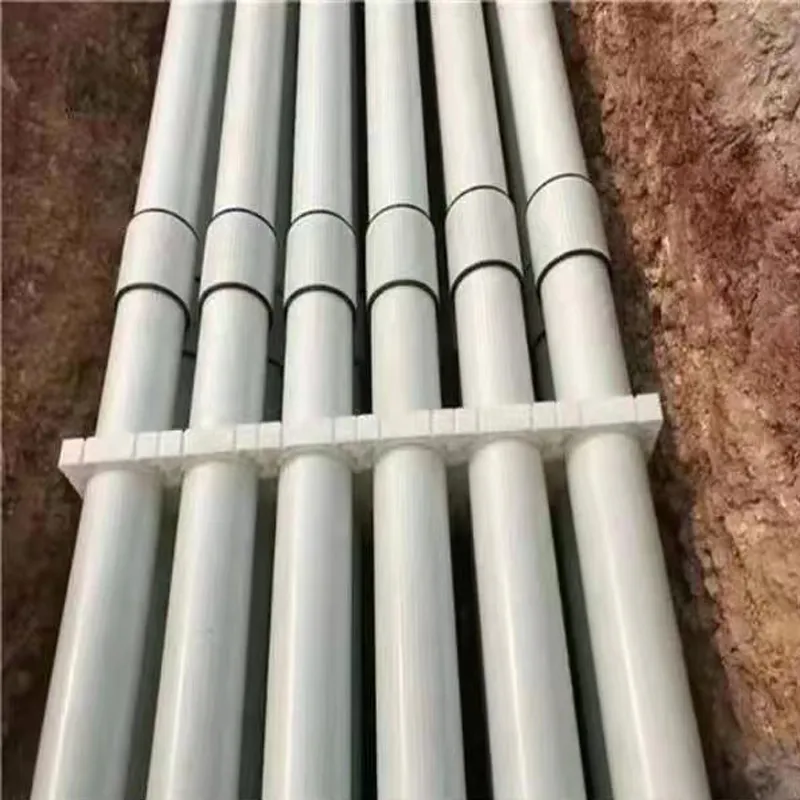
| Nominal diameters | 50–6000 mm (customs available) |
| Pressure class | PN 6–25 (≈ 90–360 psi); higher by design |
| Temperature window | -40 to 110°C (liner-dependent; vinyl ester for hot brine/acids) |
| Liners | Isophthalic/orthophthalic polyester, vinyl ester, conductive options |
| Surface roughness | ≈ 0.005–0.01 mm (low headloss) |
| Standards | ISO 14692, AWWA C950, ASTM D2992/D3517, API 15LR/15HR (where applicable) |
| Service life | 25–50 years, assuming design envelope and QA testing |
How it’s made (short version)
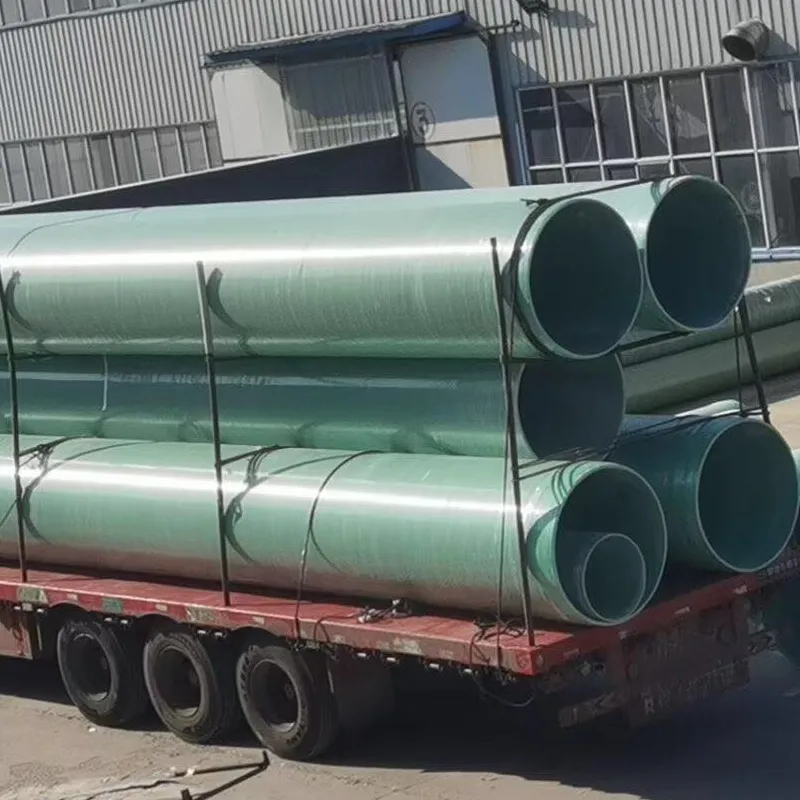
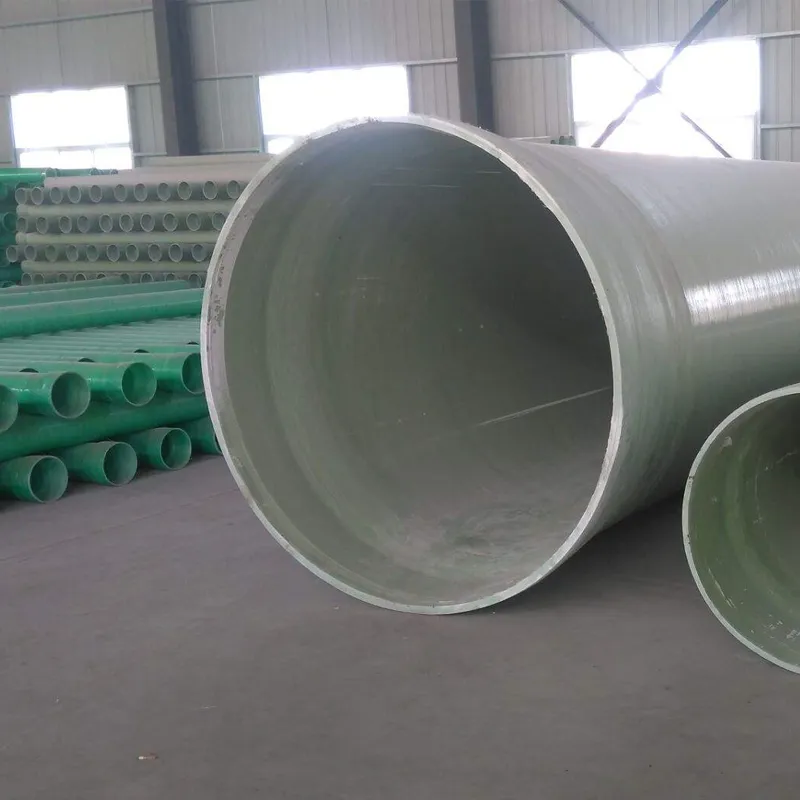
Materials: E-glass roving, veil, fillers; resin system (polyester or vinyl ester); UV topcoat if outdoors. Methods: mostly continuous or helical filament winding; hand lay-up for fittings; controlled curing with post-cure for high temp. Testing: hydrostatic design basis (ASTM D2992), stiffness (ISO 9969), Barcol hardness, glass/resin content, and dimension checks. It sounds dry, I guess, but QA makes or breaks an FRP line.
Where it works best
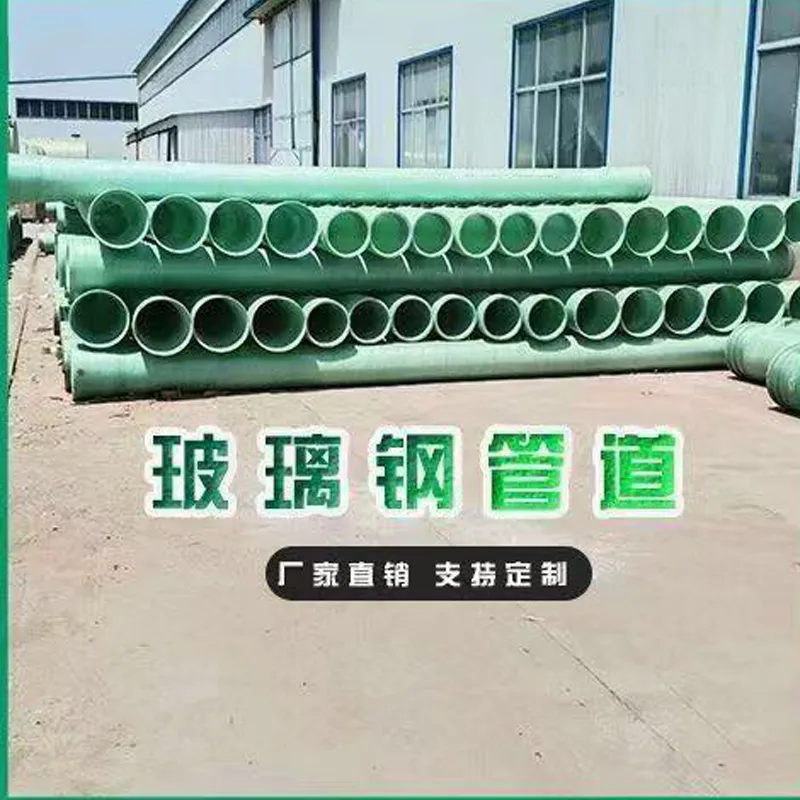
Water supply and wastewater discharge, chemical transportation, oil & gas water service, fire lines, irrigation, cooling water circulation, desalination and sewage treatment plants, pharma and food-grade transfers (with approved liners), building and mine drainage, and power plant condensate. In any of these, fiberglass reinforced plastic pipe tends to shine when corrosion is the main enemy.
Why engineers pick it
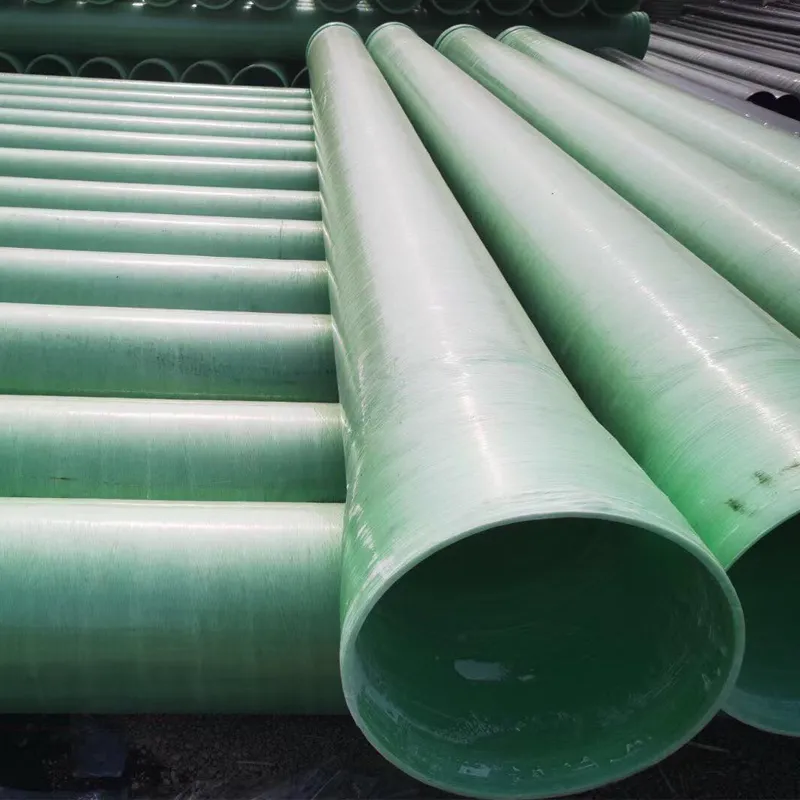
- Corrosion resistance to chlorides, H2S, acids/alkalis (liner-selected)
- Lightweight—fast install, fewer cranes, fewer joints
- Hydraulically smooth; energy savings add up
- Non-conductive, low maintenance; however, grounding options exist
Vendor landscape (my notes from RFQs)
| Vendor | Strengths | Watch-outs |
|---|---|---|
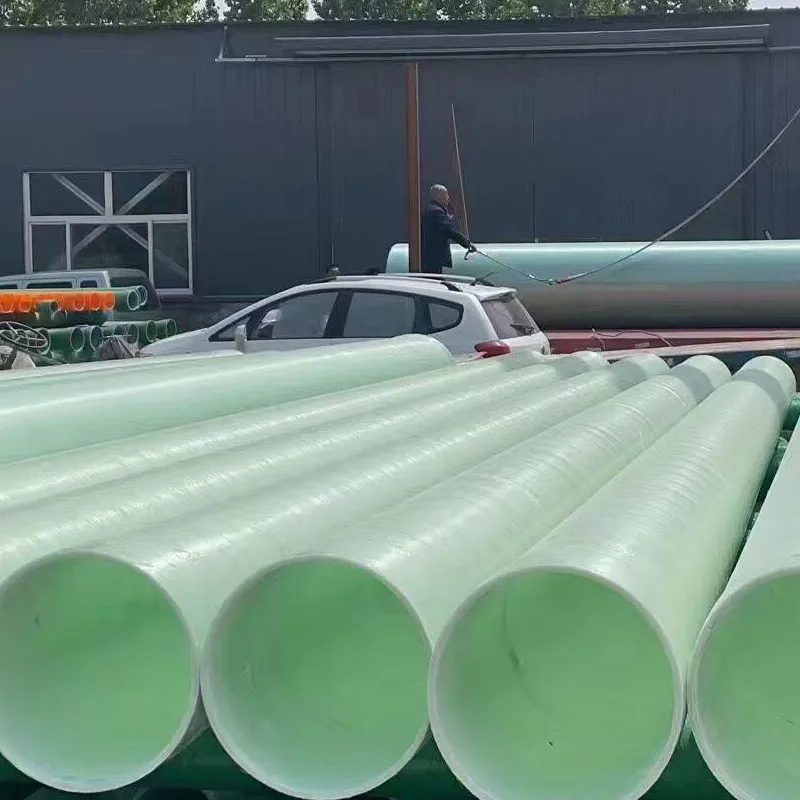
| Longxuan FRP (Hebei, China; 20 Xingyuan South St.) | Wide diameters (50–6000 mm), fast lead times, ISO-based QA | Confirm resin origin and cure schedule per ISO 14692 |
| Other Asian supplier | Aggressive pricing, decent fittings catalog | Documentation can be thin; request ASTM D2992 data |
| Local fabricator | Close support, quick site fixes | Capacity limits on >2000 mm; costs spike on rush jobs |
Customization that matters
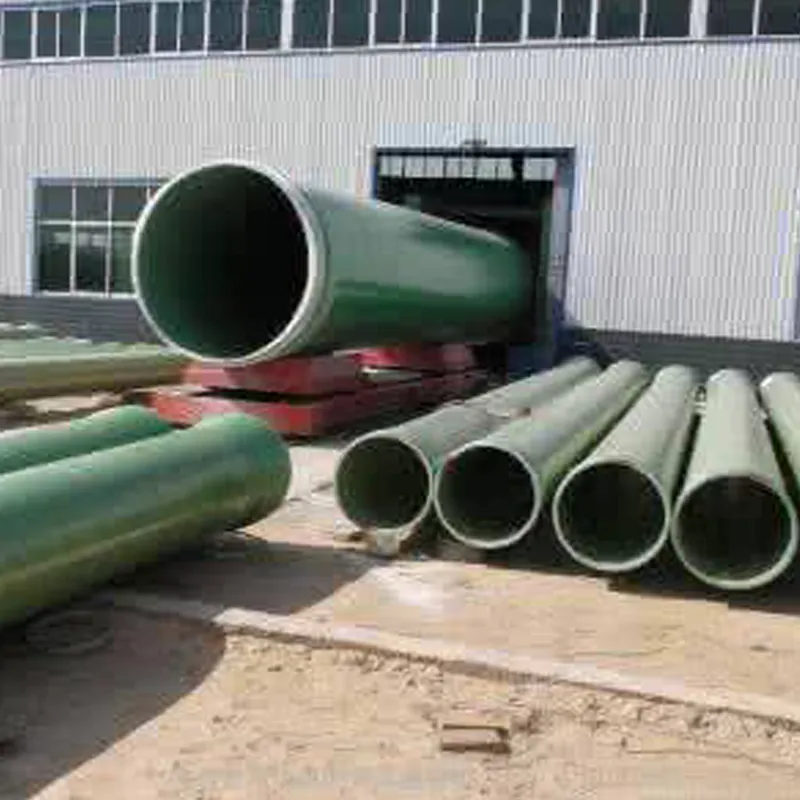
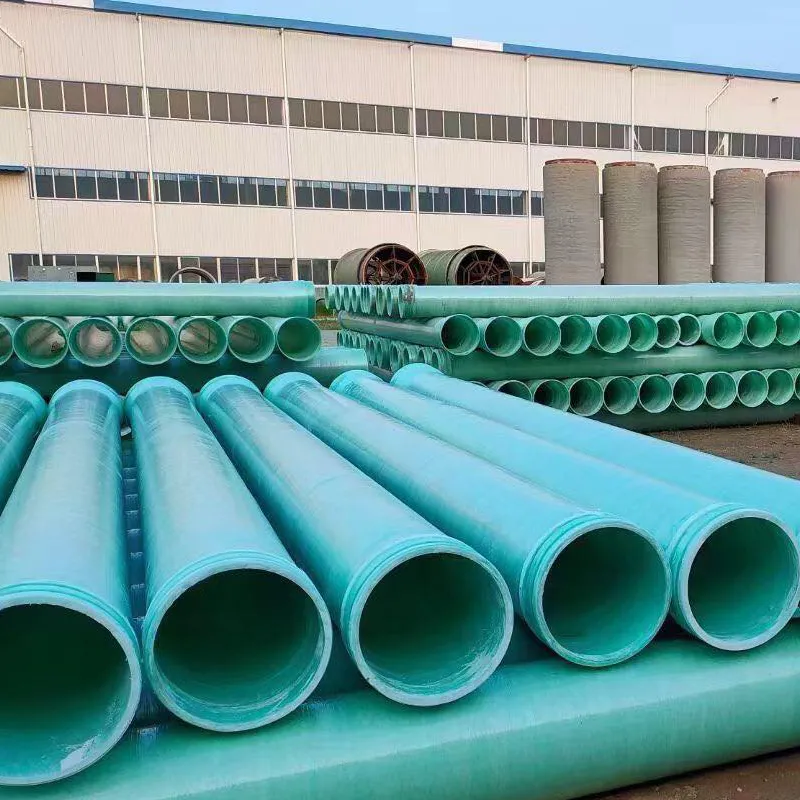
Options include conductive liners for static control, UV gel coats, custom pressure ratings, flanged vs. bell-and-spigot joints, and color coding by service. For fiberglass reinforced plastic pipe in abrasive slurries, ask for abrasion-resistant veils and higher glass content; real-world wear can vary a lot.
Two quick case notes
• Middle East desal plant: 2200 mm intake and 16 bar brine lines—fiberglass reinforced plastic pipe cut crane time by ~30% and kept headloss low.
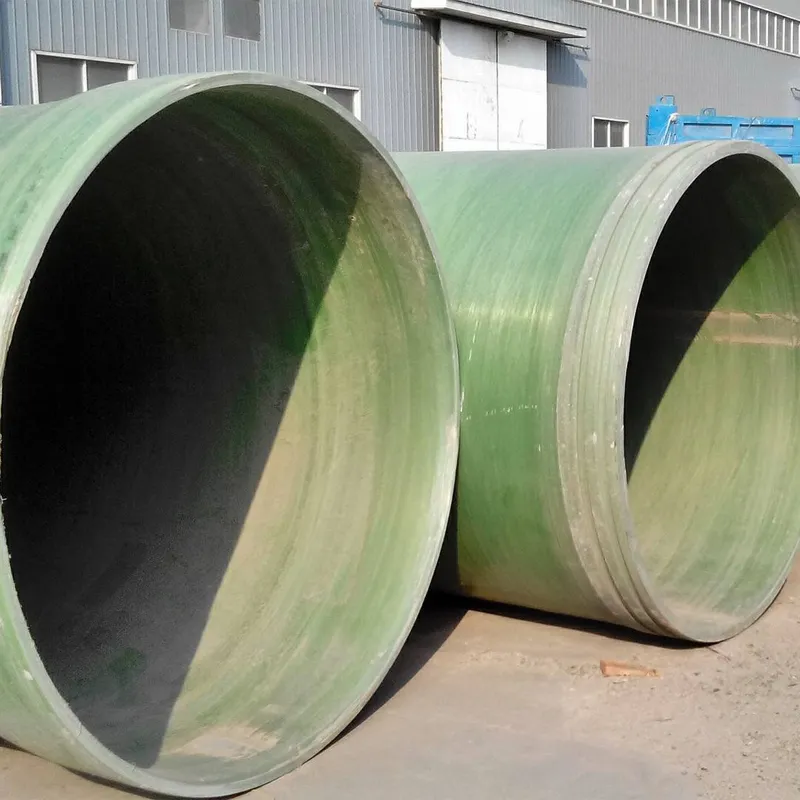
• Chemical site (chlor-alkali): Vinyl-ester lined FRP resisted brine and hypochlorite; maintenance team reported “no scale, no drama” after 18 months.
Compliance, tests, and paperwork
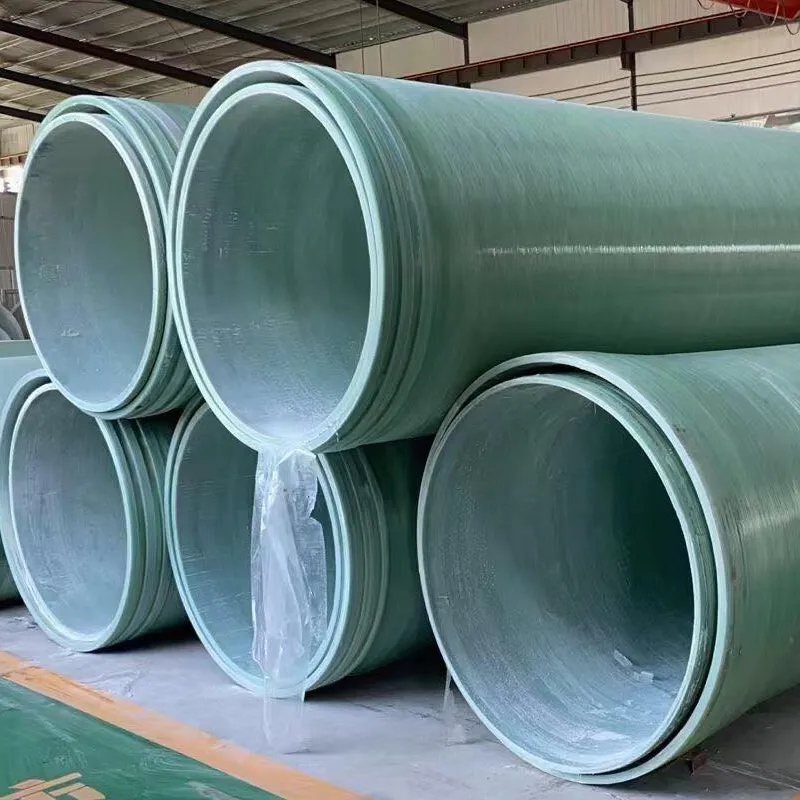
Ask for ISO 9001 and 14001 certificates, hydrostatic design basis (ASTM D2992) curves, stiffness data (ISO 9969), and AWWA C950 qualification for pressure classes. We’ve seen ring stiffness around SN 2500–10000 N/m² depending on wall. Also verify Barcol hardness and glass/resin ratios on the MTRs. It seems boring—until it saves a shutdown.
Citations:
- ISO 14692: Petroleum and natural gas industries — Glass-reinforced plastics (GRP) piping, latest edition.
- AWWA C950: Fiberglass Pressure Pipe, American Water Works Association.
- ASTM D2992: Standard Practice for Obtaining Hydrostatic Design Basis for “Fiber-Reinforced Thermosetting Resin” Pipe.
- ASTM D3517: Standard Specification for “Fiber-Reinforced Thermosetting Resin” Pressure Pipe.
- API 15LR/15HR: Glass-reinforced thermosetting resin line pipe, American Petroleum Institute.





Address
20 Xingyuan South Street, Zaoqiang County, Hengshui City, Hebei Province, China


