



We Are Open 24 Hours a Day, 7 Days a Week, Including Weekends and Public Holidays.

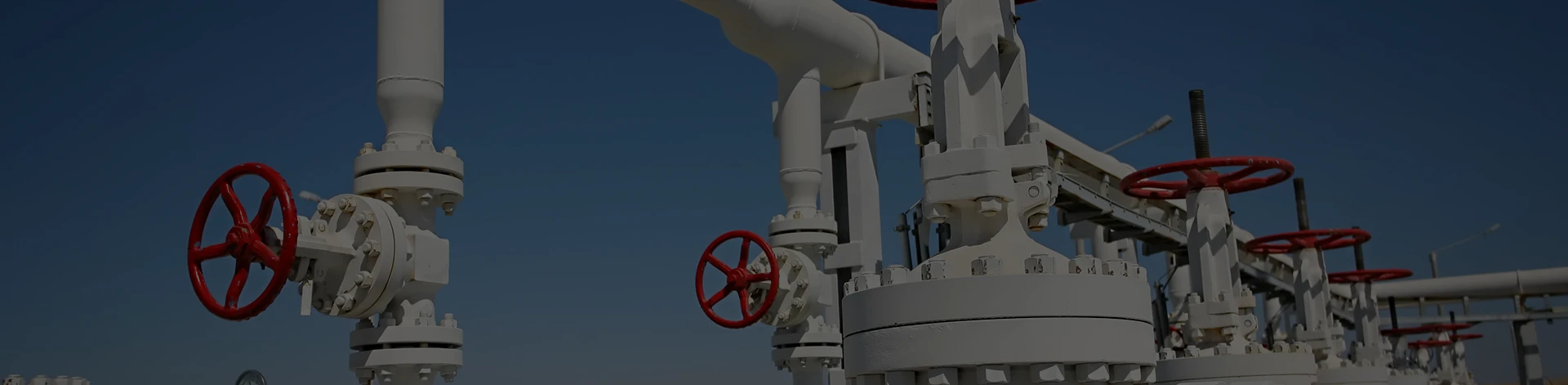
Fiberglass Centrifugal Fan: Durable, Efficient Ventilation Solutions for Industry
Understanding the Fiberglass Centrifugal Fan: Why It Matters Now
Imagine a device quietly powering airflow in industrial plants, HVAC systems, and even disaster relief centers worldwide. That’s the fiberglass centrifugal fan—an engineering marvel that blends durability with efficiency. In a world grappling with energy demands, sustainability challenges, and harsh environments, understanding these fans is more than just technical jargon; it’s about reliability and long-term value.
These fans are not only integral to countless industries but also pivotal for humanitarian efforts where swift, reliable ventilation is essential. If you’re into industrial equipment or facility management, or simply curious about how modern materials are quietly transforming essential infrastructure, stick around. We'll unpack why fiberglass centrifugal fans have become a go-to solution globally.
A Global Breath: The Context Behind Fiberglass Centrifugal Fans
The International Energy Agency reported that the industrial sector consumes roughly 37% of global energy, with ventilation playing a surprisingly vital role in energy usage and efficiency. As industries and urban centers expand—especially in rapidly industrializing countries like India, China, and Brazil—reliable ventilation solutions are in hot demand.
Standard metal fans sometimes fall short in corrosive, humid, or chemical-laden environments, leading to costly downtime and maintenance. That’s where fiberglass centrifugal fans shine. They resist corrosion, can sustain high temperatures, and are often custom-built to suit tough environments from coastal chemical plants to remote mining sites.
It’s a niche, yet global challenge, one where innovation meets practical necessity.
What Exactly is a Fiberglass Centrifugal Fan?
Breaking it down simply, a centrifugal fan is a mechanical device that moves air or gases by spinning impellers that throw the air outward through centrifugal force. When built using fiberglass reinforced plastic (FRP), the fan gains resilience against corrosion, chemicals, and moisture — common enemies of metal counterparts.
This makes fiberglass centrifugal fans indispensable in industries where environmental stress is intense: petrochemical, wastewater treatment, pulp and paper, and even emergency ventilation in disaster zones.
Main Components and Why They Matter
Corrosion Resistance
Fiberglass fans excel where metal rusts away. The composite material resists acids, alkalis, and salt — meaning less downtime due to repairs or replacements. Many engineers say this alone saves thousands annually.
Lightweight Yet Strong
Fiberglass fans are significantly lighter than steel fans, easing installation and reducing structural load. That’s key in retrofits or modular setups.
Customization Flexibility
Because fiberglass can be molded, manufacturers can tweak fan dimensions, blade shapes, and finishes to suit very specific airflow, noise, and environmental parameters.
Low Maintenance
The combination of durability and smooth finishes means buildup is less, and cleaning routines are less demanding.
Energy Efficiency
Properly designed fiberglass fans maintain steady airflow with less power consumption — especially if engineered to unique site needs.
Mini takeaway: Durability, corrosion resistance, and adaptability make fiberglass centrifugal fans indispensable for modern industry challenges.
Real-World Applications: Where and How They’re Making a Difference
- Coastal Chemical Plants: Constant exposure to salt spray tears down traditional fans quickly. Fiberglass variants last up to 5 times longer without significant corrosion.
- Wastewater Treatment Facilities: Corrosive gases like hydrogen sulfide degrade metals. Fiberglass fans maintain airflow without losing integrity or requiring frequent repairs.
- Mining and Remote Industrial Zones: Dust, moisture, and chemical exposure demand reliable fans with low maintenance — fiberglass ticks those boxes.
- Post-Disaster Relief: Portable fiberglass centrifugal fans provide effective ventilation in emergency shelters, hospitals, and cleanup operations.
For example, after the 2015 wildfires in California, several relief agencies deployed portable FRP fans to ventilate temporary shelters — a move that kept toxic smoke at bay and reduced respiratory health risks.
Product Specification Table: Typical Fiberglass Centrifugal Fan Specs
| Specification | Details |
|---|---|
| Impeller Diameter | 250mm – 1200mm |
| Airflow Capacity | 1,000 – 50,000 CFM (Cubic Feet per Minute) |
| Horsepower | 0.5 – 15 HP |
| Material | Fiberglass Reinforced Plastic (GRP/FRP) |
| Temperature Range | -20°C to 80°C (standard), higher on request |
| Corrosion Resistance | Excellent against acids, alkalis, salt spray |
Advantages and Lasting Value of Fiberglass Centrifugal Fans
Thinking purely in dollars, the lower maintenance costs and longer lifespan of fiberglass centrifugal fans offer compelling ROI compared with traditional metal fans. But beyond that bottom line, there’s peace of mind knowing that the fan won’t suddenly corrode away and cause downtime, which in critical industries can be catastrophic.
Sustainability is also a huge plus. Fiberglass fans don’t require heavy metal mining or refining, and their durability keeps equipment from becoming landfill fodder.
Socially, providing reliable ventilation keeps workers safer from hazardous gasses and airborne particles. And in humanitarian contexts, it can literally mean the difference between life and death.
Comparing Leading Vendors: Fiberglass Centrifugal Fans in the Market
| Vendor | Product Range | Customization | Lead Time | Price Level |
|---|---|---|---|---|
| LongXuan FRP | Wide (small to industrial scale) | High | 3-6 weeks | Moderate |
| FRP Fans Co. | Mid-range | Moderate | 4-8 weeks | Affordable |
| VentTech Solutions | Industrial scale only | Limited | 6-10 weeks | Premium |
What’s Next? Future Trends in Fiberglass Centrifugal Fans
The future looks bright for these fans, especially as manufacturers embrace greener materials and smarter designs. Some trends worth watching:
- Digital Monitoring: IoT-enabled fans that report performance metrics in real time to optimize efficiency and predict maintenance.
- Bio-based Resins: Moving away from petroleum-based fiberglass components toward sustainable, bio-composites.
- Noise Reduction Technologies: Improvements in blade design and motor technology to reduce sound pollution.
- Energy Recovery Systems: Designing fans that reclaim waste heat or integrate with renewable energy sources.
These innovations could redefine what we expect from ventilation devices — not just durable, but smart and sustainable.
But It’s Not All Smooth Sailing: Challenges & Solutions
There are still hurdles. For instance, FRP fans tend to have temperature limits that make them less suitable for extremely high-heat environments without special additives or reinforcements. Also, initial costs can be higher than steel fans, putting some potential buyers off at first glance.
Expert installers often recommend combining fiberglass fans with effective cooling and protection systems to extend their service. Meanwhile, manufacturers are exploring hybrid materials and modular designs to cut costs.
FAQ: Quick Answers About Fiberglass Centrifugal Fans
- How does a fiberglass centrifugal fan compare to metal fans in corrosive environments?
- Fiberglass fans resist corrosion far better, especially against acids, salts, and chemicals common in petrochemical or wastewater sectors, leading to less maintenance and longer life.
- Are fiberglass fans suitable for outdoor installations?
- Yes, they tolerate moisture, UV exposure, and weather impacts well, making them a strong choice for coastal or harsh outdoor sites.
- Can I customize the airflow capacity of these fans?
- Absolutely. Due to the molding process of fiberglass, manufacturers can adapt size, blade angle, and motor power precisely to site requirements.
- What is the typical lifespan of a fiberglass centrifugal fan?
- With proper use and maintenance, these fans often last 10-15 years or more, especially when compared to metal counterparts in corrosive settings.
- Where can I find reliable suppliers?
- Companies like LongXuan FRP offer a wide range with good customization options and proven track records worldwide.
Wrapping Up: Why Fiberglass Centrifugal Fans Might Be Your Best Bet
In real terms, choosing the right fan is about balancing upfront costs with long-term benefits. Fiberglass centrifugal fans consistently prove valuable where corrosion, weight, and specialized airflow matter. They’re not just industrial workhorses; they’re enablers of safety, sustainability, and efficiency.
If your operations demand dependable ventilation solutions that endure the test of time and environment, this is an option you shouldn’t overlook.
Ready to explore your options? Visit LongXuan FRP to find the right fiberglass centrifugal fan for your needs.
References






Address
20 Xingyuan South Street, Zaoqiang County, Hengshui City, Hebei Province, China


