



We Are Open 24 Hours a Day, 7 Days a Week, Including Weekends and Public Holidays.

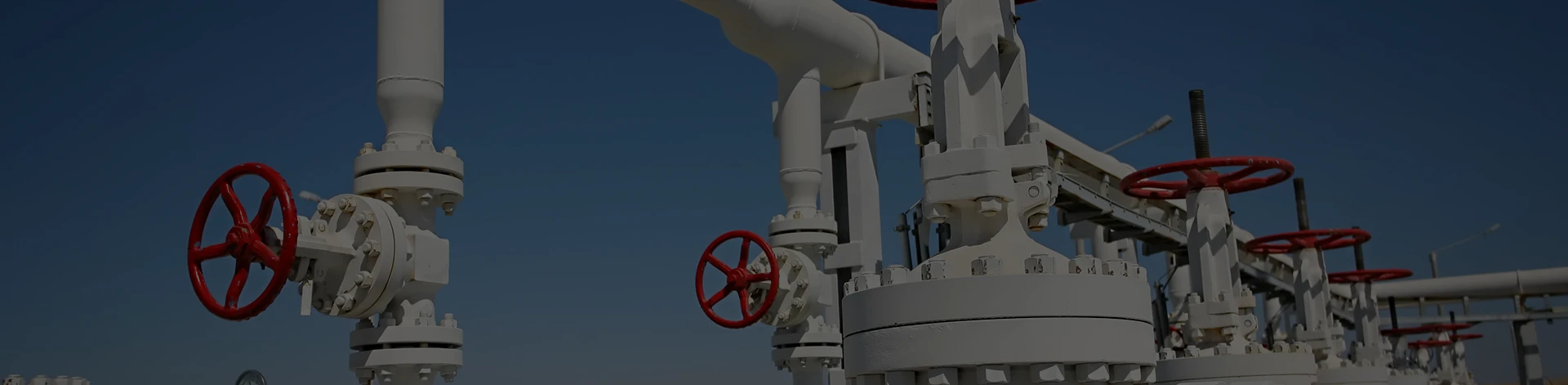
Expert Insights on the Design of Highly Loaded Axial Flow Fans and Compressors
The Intriguing World of Designing Highly Loaded Axial Flow Fans and Compressors
When you hear “highly loaded axial flow fans and compressors,” it doesn’t exactly roll off the tongue at a cocktail party. Yet, these components quietly power key parts of industries from aerospace to power generation, ventilation systems to petrochemicals. Their design is a mix of art and hard science, vital for efficiency, safety, and sustainability.
Globally, as energy demands soar and environmental regulations tighten, understanding the design of highly loaded axial flow fans and compressors isn’t niche anymore—it’s a front-runner in industrial innovation. Getting this design right means greater performance, longer lifespans, and less ecological impact.
Quick takeaway: This design field bridges efficiency with reliability, making it indispensable for industries worldwide.
Why the Global Spotlight on Axial Flow Fans and Compressors?
The UN’s push for sustainable industrial growth and the World Bank’s investment data reveal a hefty chunk devoted to upgrading infrastructure and energy systems. Axial flow fans and compressors are unsung heroes here—they move massive volumes of air and gas with minimal energy loss.
But there’s a challenge: as we push standards higher, these machines have to operate under heavier loads — think heat, pressure, speed — without breaking a sweat. Flaws in design can lead to massive downtime or catastrophic failure.
Frankly, with climate change urgency and tight energy budgets, optimizing this design is something that’s attracting worldwide engineering focus.
Quick takeaway: These machines are central to energy efficiency upgrades worldwide, but heavy operational loads call for smarter design.
Breaking Down the Design: What Does It Really Mean?
The design of highly loaded axial flow fans and compressors involves configuring blades, casing, and fluid dynamics so the machines handle high pressures and flow rates reliably. Axial flow means the gas or air moves parallel to the rotation axis, enabling large throughput.
These fans and compressors find use where consistent, large-volume airflow is vital: large HVAC systems, gas turbines, refineries, and even jet engines. It’s not just engineering fancy shapes out of metals — it’s an intersection of aerodynamic precision, material science, and manufacturing finesse.
Quick takeaway: At its core, it’s about marrying aerodynamic performance with mechanical robustness for highly demanding environments.
Core Components and Key Considerations in the Design
1. Durability
Operating under high loads means components face stress, vibration, and thermal cycles. Designers have to pick materials that resist fatigue and corrosion. Titanium alloys, advanced composites, and special coatings often come into play.
2. Aerodynamic Efficiency
The blade shape and angle directly affect flow and pressure gains. Using CFD (computational fluid dynamics) modeling helps minimize turbulence and flow separation at high speeds — crucial when pushing performance limits.
3. Thermal Management
Compressors generate heat, sometimes dangerously so. Effective cooling channels, thermal barrier coatings, and temperature sensors keep the system safe and efficient.
4. Scalability and Modularity
Industries want customizable solutions — from small units for manufacturing ventilation to giant multistage compressors in power plants. Modular designs ease maintenance and upgrades.
5. Cost Efficiency
Balancing performance with manufacturing and operational costs is always a juggle. Designers aim to cut waste while ensuring parts last decades.
6. Noise Control
High load means high-speed rotation — which often produces noise. Nowadays, design integrates acoustic damping features to meet strict local regulations (and keep workers sane).
Quick takeaway: It's as much about materials and mechanics as it is about airflow physics and practical economics.
| Parameter | Range/Value | Unit |
|---|---|---|
| Flow Rate | 5,000 - 250,000 | m³/h |
| Pressure Ratio | 1.2 - 3.5 | – |
| Rotational Speed | 1,000 - 12,000 | RPM |
| Blade Material | Titanium/Composite | – |
| Operating Temperature | -40 to 400 | °C |
How and Where Are They Used Globally?
From sprawling petrochemical complexes in Asia to advanced aerospace testing labs in Europe, the design of highly loaded axial flow fans and compressors finds diverse applications. For instance, in Saudi Arabia's oil fields, large compressors ensure steady gas transport through pipelines despite extreme conditions.
In post-disaster relief, mobile ventilation systems equipped with axial fans help clear smoke or toxic fumes quickly — sometimes literally saving lives. Factories in remote industrial zones must rely on robust, maintainable units that tolerate dusty or corrosive environments.
Notably, many power plants across North America install compressor stages designed to handle higher pressures, boosting output efficiency while cutting fuel consumption.
Quick takeaway: This design’s versatility means it’s embedded in everything from emergency response to long-term energy infrastructure.
Comparing Vendors: Who’s Bringing What to the Table?
| Vendor | Material Expertise | Customization | Lead Time | Global Reach |
|---|---|---|---|---|
| LongXuan FRP | Advanced composites, corrosion resistant | High, tailored designs available | 4–6 weeks | Strong Asia-Pacific presence |
| Global TurboTech | Titanium alloys and alloys | Moderate custom options | 8–10 weeks | Europe, North America focused |
| FanCore Dynamics | Standard steel, budget-oriented | Low customization | 2–3 weeks | International distributor network |
Why This Design Offers Long-Term Value
Optimizing the design of these machines means fewer breakdowns, longer intervals between maintenance, and lower energy consumption. That’s cash saved — but also safety improved. Workers can rely on equipment that won’t fail unexpectedly.
One can’t underestimate the environmental angle either. Better aerodynamic performance reduces wasted energy, which translates to fewer emissions. It’s a bit like tuning an old car engine in the 21st century — better mileage, fewer pollutants, and way less stress.
Emotionally, a reliable compressor or fan means trust. No one wants their entire facility to come to a halt because of a failed component. Beyond logic, it’s about dignity for engineers and operators who depend on the technology.
Quick takeaway: It’s a blend of economic sense, environmental responsibility, and dependable performance.
New Horizons: Trends in Design of Highly Loaded Axial Flow Fans and Compressors
The future looks exciting. Cutting-edge materials like carbon nanotubes and additive manufacturing (3D printing) are making blades lighter and stronger. Digital twins and IoT sensors help monitor performance in real time, preempting faults.
Renewables integration means compressors tailored to variable loads, adapting instantly. Even AI algorithms support aerodynamic shape optimization for peak efficiency.
It’s no surprise designers are focused on sustainability, automation, and adaptability — all themes reflected in upgrades worldwide.
Quick takeaway: The design space is evolving fast with digital and material innovations steering the way.
Overcoming Common Challenges
Despite advancements, challenges linger: material costs are high, and some complex geometries remain a nightmare to manufacture. Thermal stresses can still cause unexpected wear, especially in harsh environments.
One solution lies in interdisciplinary design teams — aviation engineers meeting materials scientists meeting manufacturing wizards. Hybrid materials and coatings are also on the rise to address corrosion and fatigue.
And of course, iterative prototyping and design of highly loaded axial flow fans and compressors testing cycles ensure theory meets practice effectively.
FAQ: Your Questions About Design of Highly Loaded Axial Flow Fans and Compressors
- Q: How does blade shape affect compressor efficiency?
A: Blade shape influences airflow patterns, minimizing turbulence and separation. Optimizing the angle and curvature using CFD models improves pressure output and energy consumption. - Q: Can these fans operate safely in corrosive industrial environments?
A: Yes, by using corrosion-resistant materials such as composites or coated titanium, and applying thermal barrier coatings, the equipment withstands harsh chemicals and humidity. - Q: What maintenance is required for highly loaded axial compressors?
A: Regular inspections for wear, vibration monitoring, and blade cleaning are essential. Advanced models have embedded sensors to alert operators before failures. - Q: Are modular designs suitable for rapid deployment in emergencies?
A: Absolutely. Modular axial fans can be quickly assembled on site, providing vital ventilation or gas movement support, making them ideal in disaster relief. - Q: How do I choose a vendor for specialized compressor designs?
A: Evaluate their expertise in materials, customization abilities, lead times, and after-sales support. Vendor comparison tables and client reviews can be helpful starting points.
Conclusion: Why This Design Matters Now More Than Ever
From energy efficiency and safety to environmental stewardship and industry resilience, the design of highly loaded axial flow fans and compressors matters big. It might sound like a mouthful, but it’s at the heart of powering our modern world in smarter, greener ways.
If you want to dig deeper or explore cutting-edge offerings, check out design of highly loaded axial flow fans and compressors — they’re taking innovation seriously in Asia-Pacific and beyond.
That’s where the future’s quietly turning.
Final thoughts: We’re witnessing a convergence of design, materials, and digital tech that’s transforming compressors and fans from heavy, energy-hungry equipment into smart, efficient, longevity-focused machines. A small revolution you don't see, but definitely experience.
References






Address
20 Xingyuan South Street, Zaoqiang County, Hengshui City, Hebei Province, China


