



We Are Open 24 Hours a Day, 7 Days a Week, Including Weekends and Public Holidays.

Evaporative Condenser: High Efficiency, Reliable Industrial Cooling
Introduction to Evaporative Condenser Technology
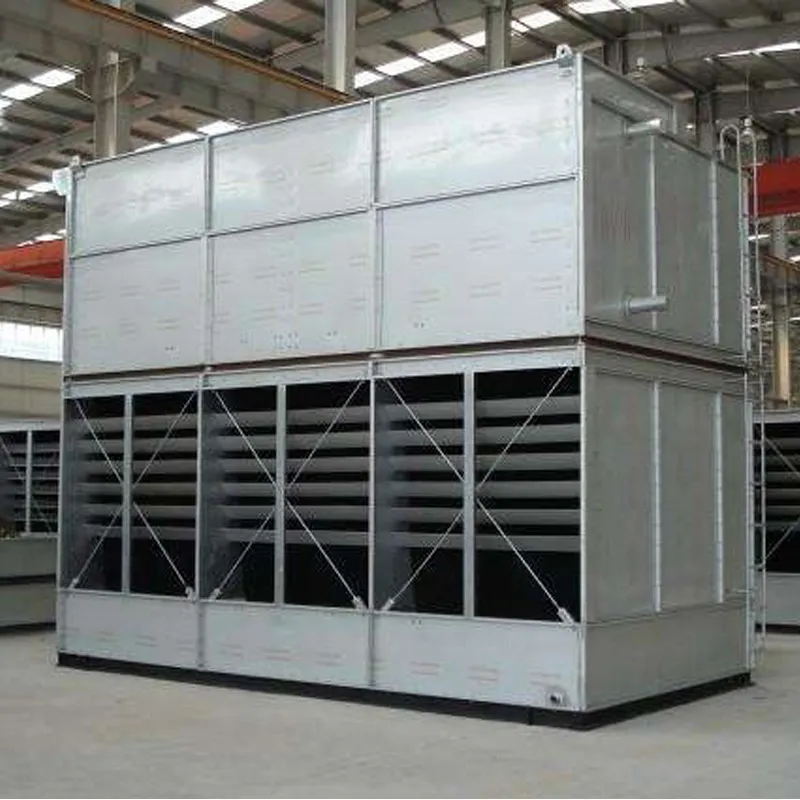
In industrial refrigeration and HVAC systems, efficient heat rejection is paramount for optimal performance and energy economy. The Evaporative Condenser stands as a critical component, offering a highly effective solution by combining the principles of water evaporation and air cooling to dissipate heat. This advanced technology enables refrigerants to condense at lower temperatures and pressures compared to traditional air-cooled or water-cooled condensers, leading to significant energy savings and operational advantages.
The demand for robust, energy-efficient, and environmentally responsible cooling solutions continues to grow across various heavy industries. An Evaporative Condenser excels in these areas, providing a compact and powerful alternative for a wide range of applications, from large-scale industrial refrigeration plants to power generation facilities. Its design facilitates efficient heat transfer, making it a cornerstone technology for sustainable industrial operations.
Industry Trends & Market Dynamics
The market for Evaporative Condenser units is currently experiencing dynamic growth, driven by several key global trends. Foremost among these is the increasing emphasis on energy efficiency and sustainability. With rising energy costs and stricter environmental regulations, industries are actively seeking cooling solutions that minimize power consumption and reduce their carbon footprint. The inherent efficiency of evaporative cooling, which leverages latent heat of vaporization, positions the Evaporative Condenser as a preferred choice.
Another significant trend is the expansion of industrial infrastructure, particularly in emerging economies, leading to increased demand for reliable and high-capacity refrigeration systems. Furthermore, technological advancements in materials science and control systems are enhancing the performance, longevity, and ease of maintenance of modern Evaporative Condenser units. This includes the integration of IoT-enabled monitoring and predictive maintenance capabilities, allowing for optimized operation and reduced downtime.
The shift towards natural refrigerants (e.g., ammonia, CO2) also plays a crucial role. These refrigerants often operate at higher pressures, benefiting immensely from the efficient heat rejection capabilities of an Evaporative Condenser. The market is thus trending towards more compact, modular designs that offer flexibility in installation and scaling, catering to diverse industrial needs.
Detailed Manufacturing Process Flow
The production of a high-performance Evaporative Condenser involves a meticulous process, ensuring durability, efficiency, and compliance with stringent industry standards. Here's a typical manufacturing flow:
1. Raw Material Procurement & Inspection:
- Coil Materials: High-grade steel tubing (e.g., seamless carbon steel, stainless steel SUS304/316) for refrigerant coils, ensuring excellent thermal conductivity and pressure resistance. Galvanization or epoxy coating may be applied for enhanced corrosion protection.
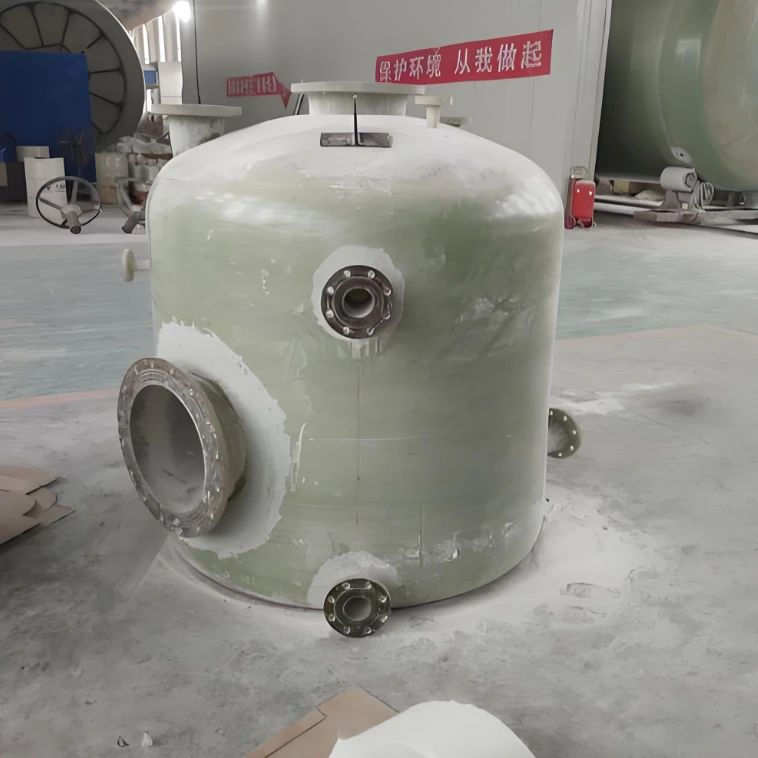
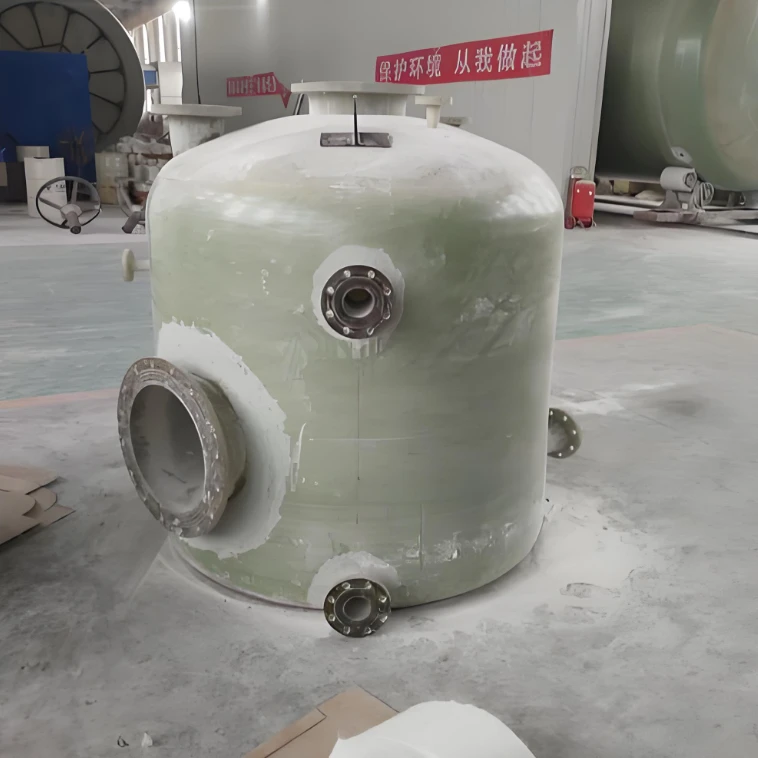
- Casing Materials: Heavy-gauge galvanized steel (hot-dip galvanized G235 or SS400 with Zincalume coating) for structural integrity and weather resistance. Stainless steel or FRP (Fiber Reinforced Plastic) options are available for highly corrosive environments.
- Fan & Pump Components: Industrial-grade fans (axial or centrifugal) with efficient motors, and high-performance pumps designed for continuous operation in wet environments.
2. Coil Fabrication:
- Bending & Welding: Precision CNC pipe bending machines form the tubes into the required coil geometry. High-frequency or TIG welding ensures leak-proof joints, crucial for refrigerant containment.
- Pressure Testing: Each coil undergoes hydrostatic or pneumatic pressure testing (e.g., up to 30 bar for standard refrigerants, higher for CO2 systems) to verify integrity according to standards like ASME Boiler and Pressure Vessel Code.
- Surface Treatment: Hot-dip galvanization (minimum 80 µm thickness) or epoxy coating is applied post-fabrication for superior corrosion resistance, extending service life significantly in harsh industrial settings.
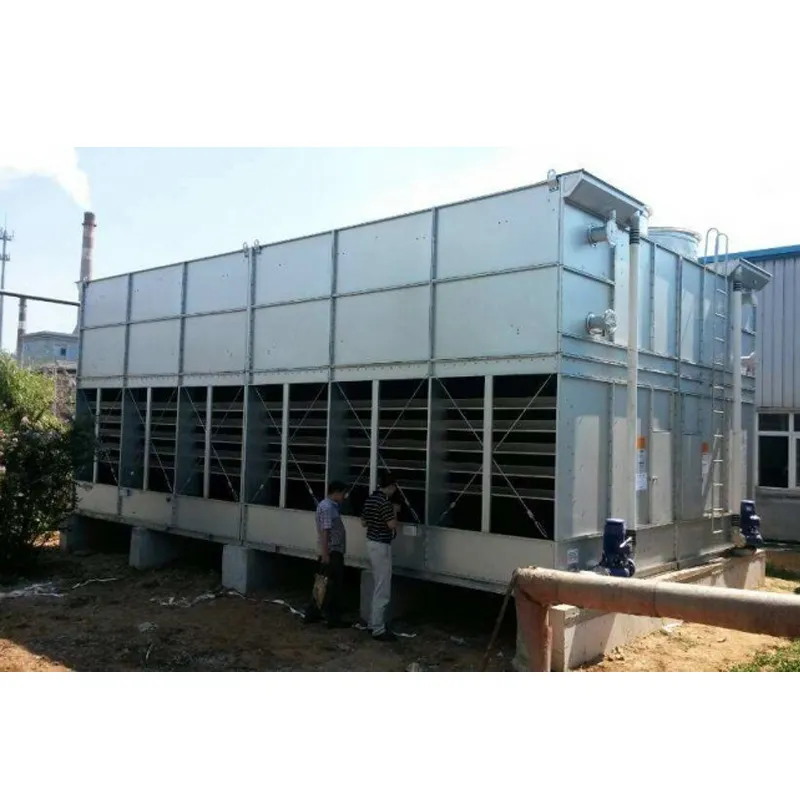
3. Casing & Structure Assembly:
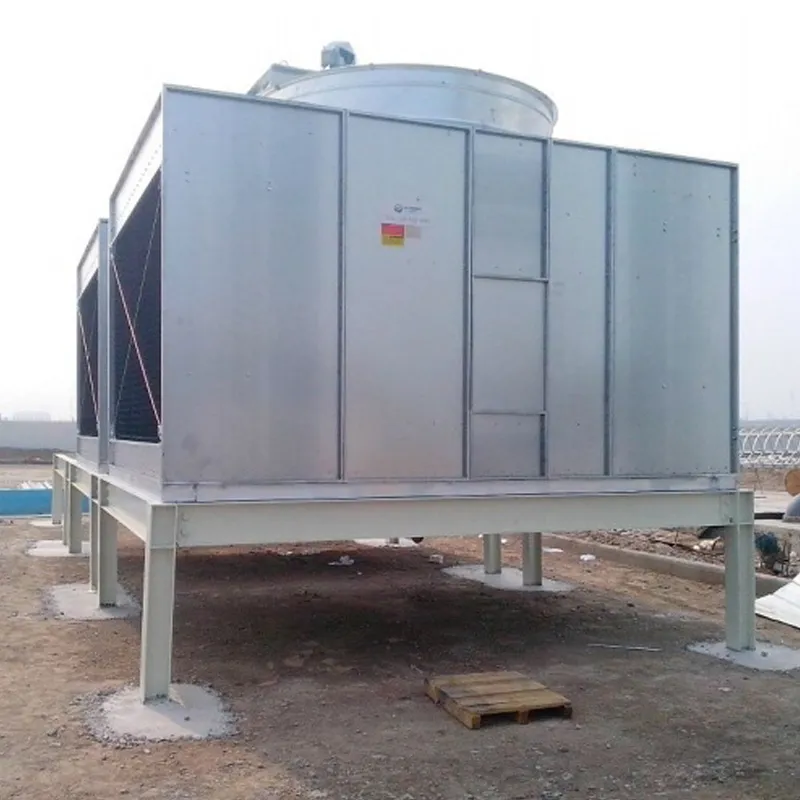
- Shearing & Bending: Metal sheets are precisely cut and bent using CNC machinery to form the unit's frame, water basin, and panels.
- Welding & Fastening: Components are securely welded or bolted, ensuring structural rigidity and ease of maintenance. Advanced corrosion-resistant fasteners are used.
- Protective Coatings: Internal surfaces of the water basin and critical structural elements often receive additional epoxy or polyurethane coatings to prevent rust and chemical degradation.
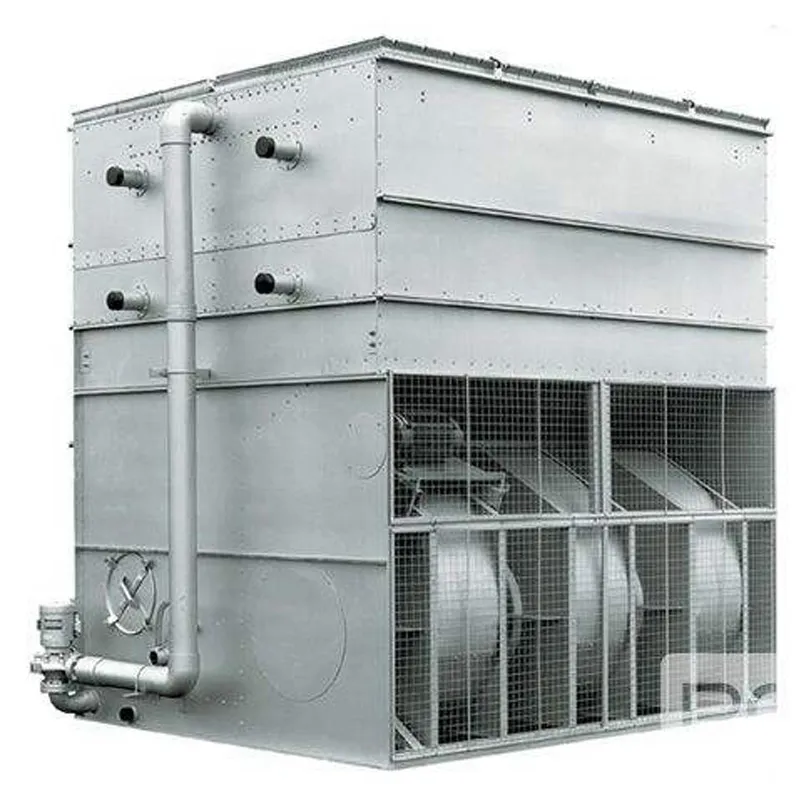
4. Component Integration:
- Fan & Drive System: Fans are mounted, aligned, and connected to motors via V-belts or direct drive. Dynamic balancing ensures vibration-free operation and reduced noise.
- Spray System: Nozzles and distribution piping for the spray water system are installed, ensuring uniform water coverage over the coil for maximum heat transfer.
- Drift Eliminators: High-efficiency PVC or PP drift eliminators are integrated to minimize water loss and prevent Legionella dispersion, adhering to CTI (Cooling Technology Institute) guidelines.
- Access & Safety: Access doors, ladders, and safety railings are installed for ease of inspection and maintenance.
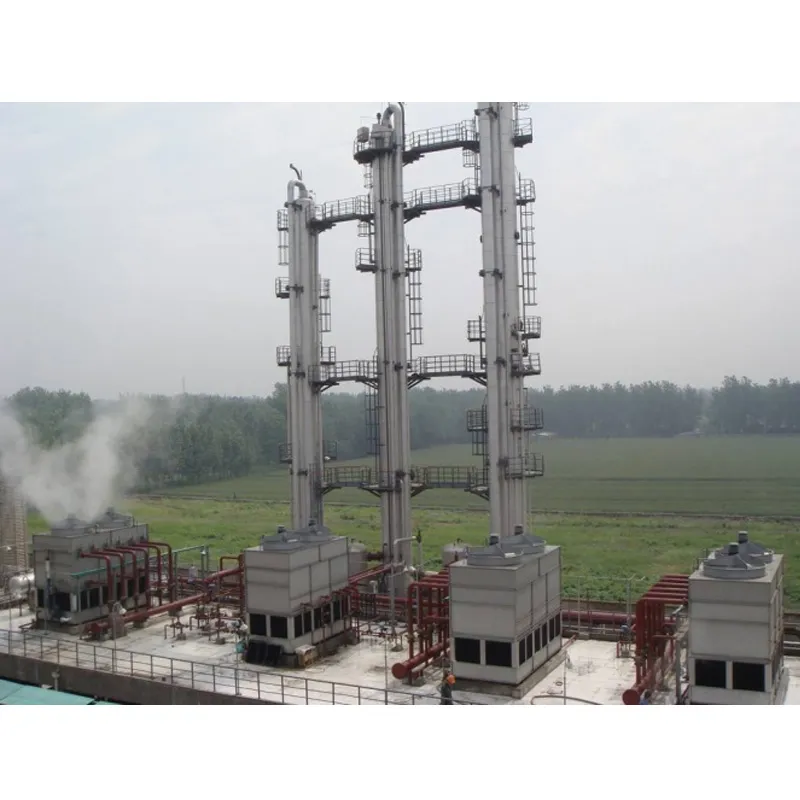
5. Final Testing & Quality Assurance:
- Performance Testing: Units undergo rigorous performance testing under simulated load conditions to verify cooling capacity, airflow, and power consumption against design specifications. This ensures compliance with standards like ISO 9001 for quality management systems.
- Vibration & Noise Testing: Measurements are taken to ensure operation within acceptable limits, crucial for urban or sensitive industrial environments.
- Leakage & Drainage Test: The water basin and spray system are tested for leaks and proper drainage.
- Electrical & Controls Check: All electrical components and control systems are thoroughly inspected and tested.
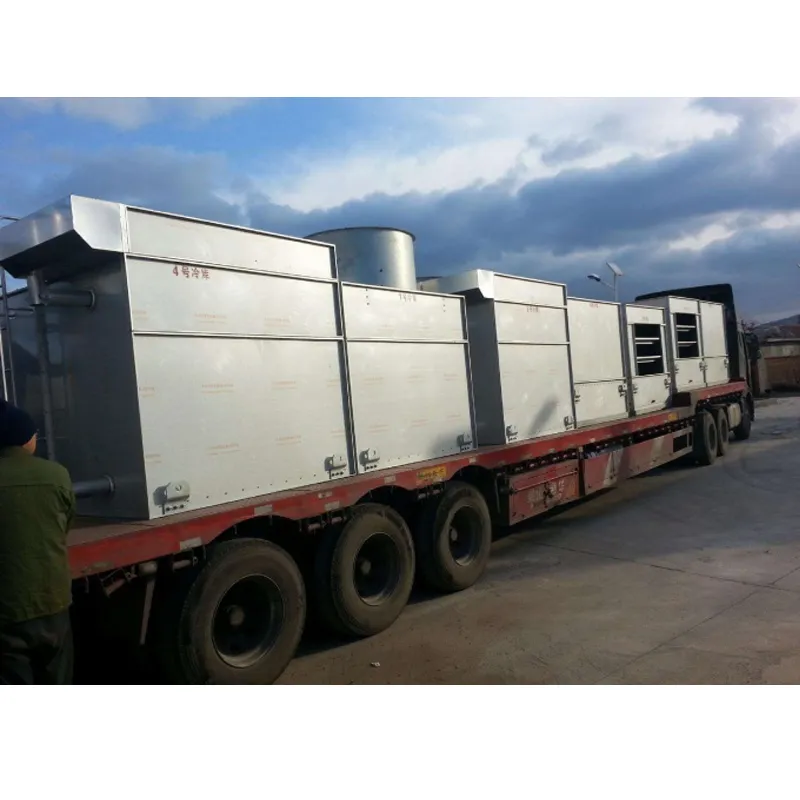
Target Industries & Advantages:
- Petrochemical: Superior corrosion resistance (stainless steel/FRP options) ensures longevity in chemical processing environments, maintaining stable operations for critical cooling loops.
- Metallurgy: Robust construction withstands heavy-duty industrial conditions, providing efficient cooling for furnace jackets, rolling mills, and induction heating systems, minimizing downtime.
- Water Supply & Drainage: Critical for waste-to-energy plants and large municipal cooling operations, offering energy-saving heat rejection for chillers and process cooling.
- Food & Beverage: Hygienic designs with easily cleanable surfaces and precise temperature control are vital for maintaining product quality and safety in refrigeration and processing.
With a typical service life exceeding 15-20 years for properly maintained units built with quality materials, the Evaporative Condenser represents a long-term, cost-effective investment for industrial cooling infrastructure.
Technical Specifications & Key Parameters
Understanding the technical specifications of an Evaporative Condenser is crucial for proper system integration and performance optimization. These units are engineered to handle varying heat loads and ambient conditions, with specific parameters dictating their operational envelope.
Core Components and Function:
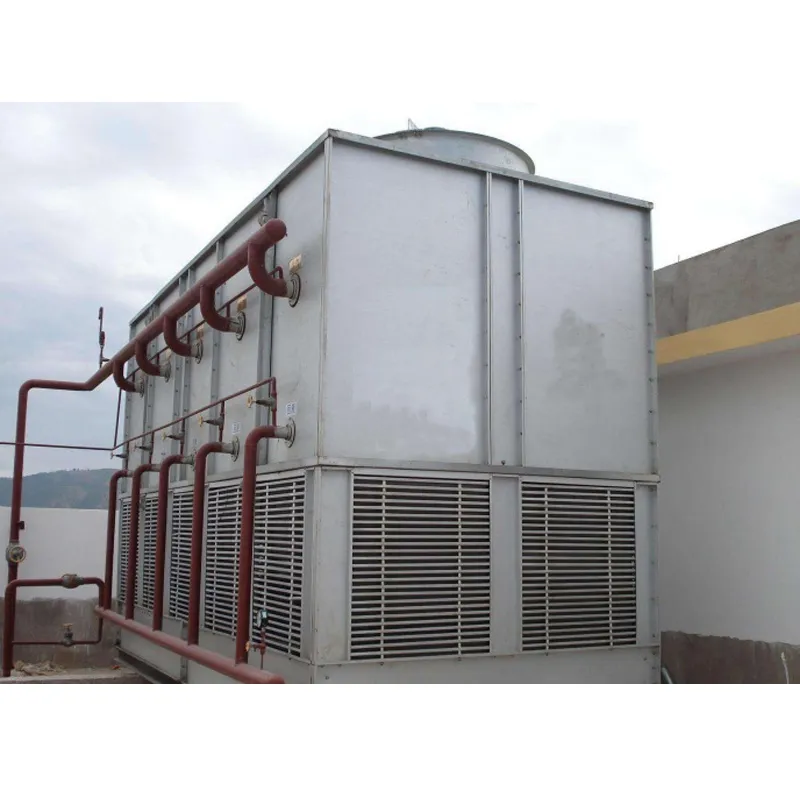
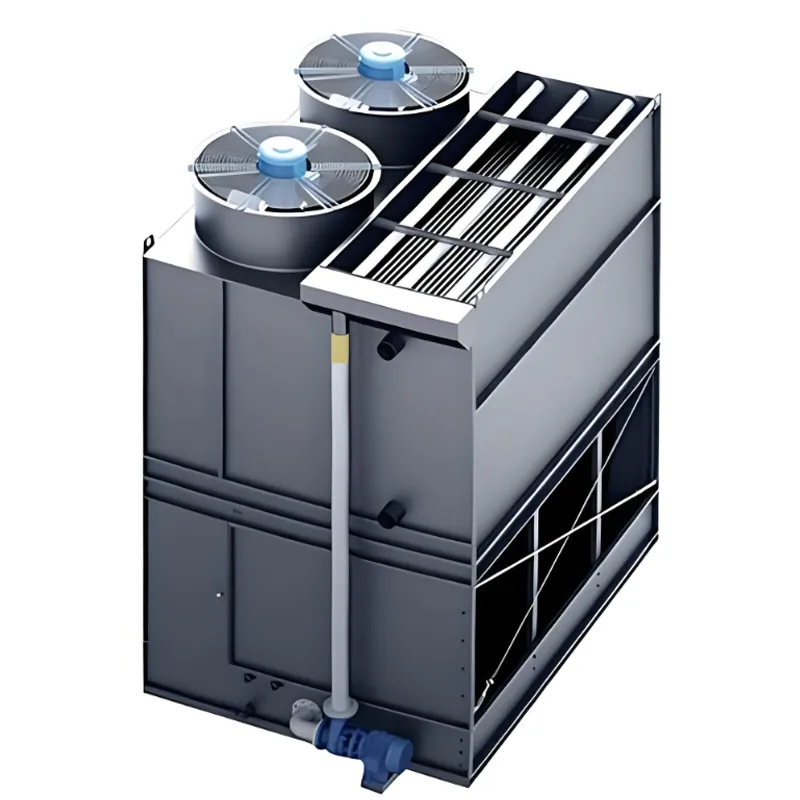
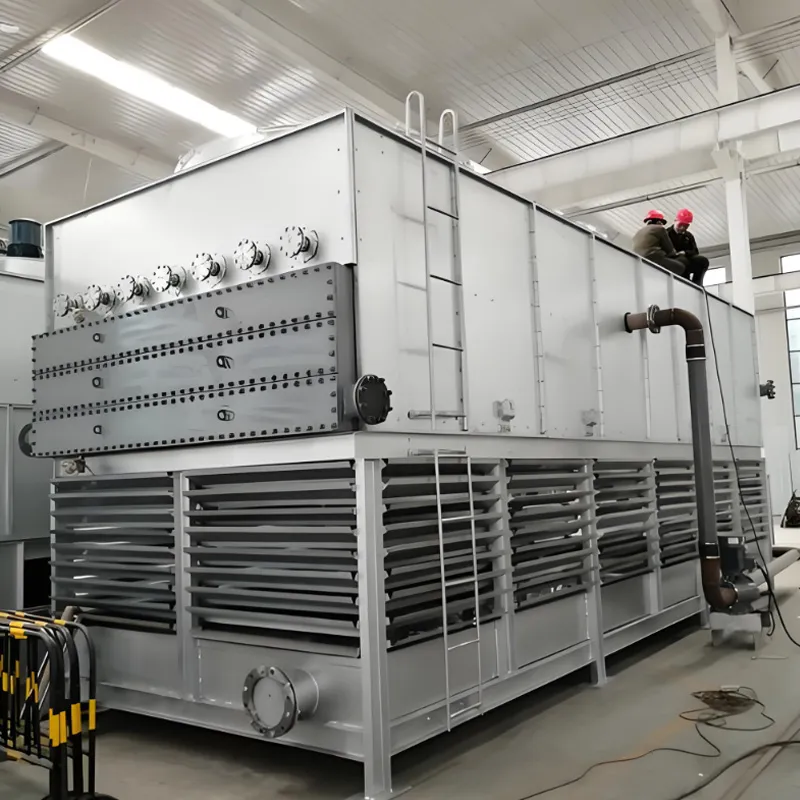
- Refrigerant Coils: The heart of the unit, typically constructed from high-quality steel (e.g., seamless, hot-dip galvanized or stainless steel) to withstand high pressures and prevent corrosion. The refrigerant circulates inside, releasing heat.
- Spray Water System: A pump circulates water from the basin, spraying it over the coil. This water evaporates, carrying away latent heat from the refrigerant inside the coils.
- Axial or Centrifugal Fans: These draw ambient air through the unit, facilitating the evaporation of the spray water and ensuring efficient heat transfer. Axial fans are common for large airflow, while centrifugal fans offer lower noise and higher static pressure capability.
- Drift Eliminators: Designed to capture water droplets from the air stream, minimizing water loss and preventing the spread of waterborne pathogens. Typical efficiency is 0.001% of circulating water flow.
- Water Basin: Collects the cooled spray water for recirculation. Often coated with anti-corrosion materials.
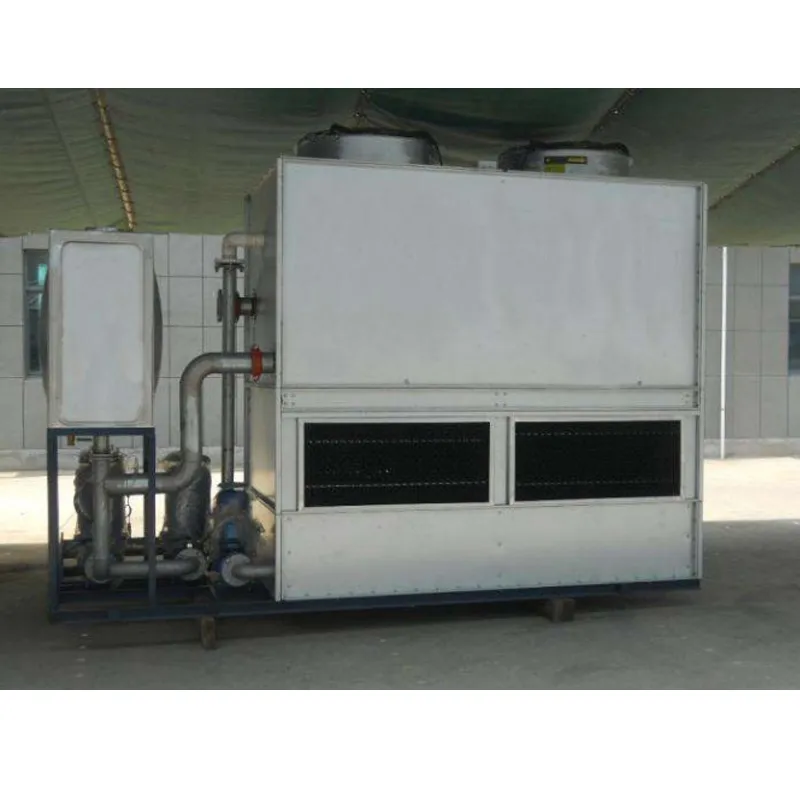
Typical Product Specifications Table:
| Parameter | Unit/Value Range | Description |
|---|---|---|
| Nominal Heat Rejection Capacity | 200 kW - 5000 kW (50 TR - 1400 TR) | Heat rejected at standard conditions (e.g., 35°C ambient, 40°C condensing). |
| Refrigerant Type | Ammonia (R717), R22, R134a, R404A, R407C, R507, CO2 (R744) | Compatibility with various industrial refrigerants. |
| Airflow Rate | 50,000 m³/h - 500,000 m³/h | Volume of air moved by fans for evaporative cooling. |
| Water Circulation Rate | 20 m³/h - 800 m³/h | Rate at which water is sprayed over the coils. |
| Fan Motor Power | 5.5 kW - 75 kW per fan | Power consumption of the fan motor(s). |
| Water Pump Power | 1.5 kW - 30 kW | Power consumption of the spray water pump. |
| Material of Construction (Casing) | Hot-dip galvanized steel, SS304, SS316, FRP | Options for corrosion resistance based on environment. |
| Material of Construction (Coil) | Hot-dip galvanized steel pipe, SS304, SS316 | Ensures optimal heat transfer and longevity. |
| Noise Level (1m distance) | 70 dB(A) - 85 dB(A) (standard), | Dependent on fan type and sound attenuation features. |
These parameters highlight the robust engineering and versatility of the Evaporative Condenser, allowing for tailored solutions to meet specific operational demands while optimizing energy consumption.
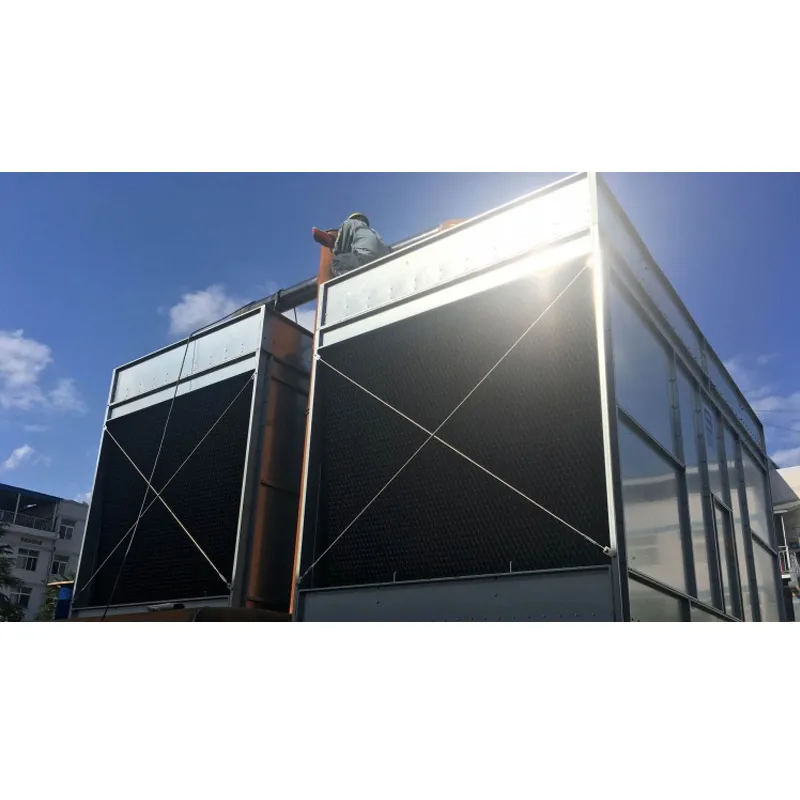
Application Scenarios Across Industries
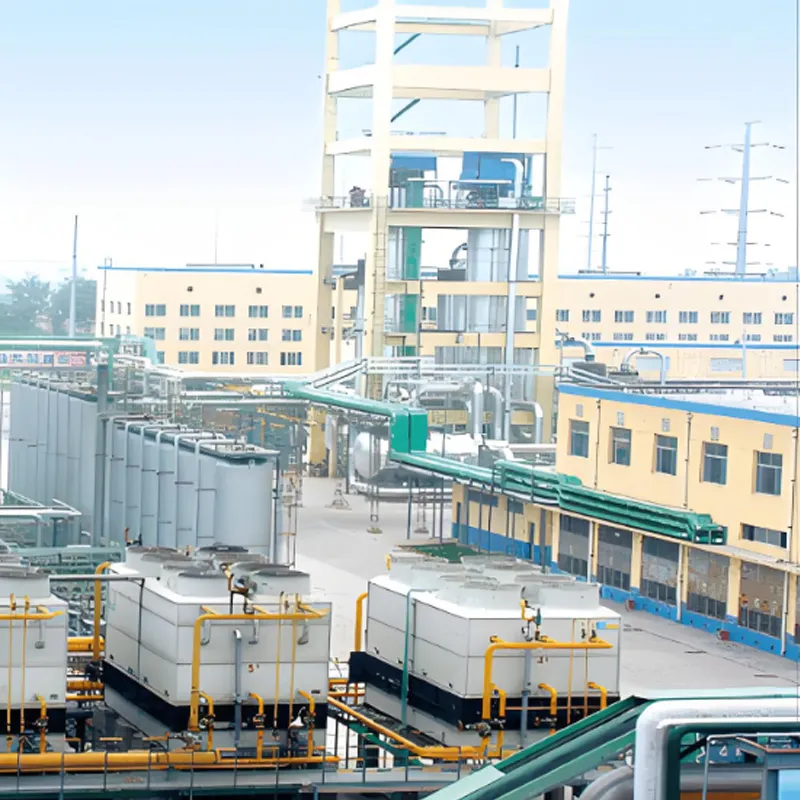
The versatility and efficiency of the Evaporative Condenser make it an ideal choice for a broad spectrum of industrial and commercial applications requiring efficient heat rejection. Its ability to operate with lower condensing temperatures than air-cooled units translates directly into energy savings for the entire refrigeration or cooling system.
1. Industrial Refrigeration:
- Food & Beverage Processing: Crucial for maintaining low temperatures in cold storage warehouses, blast freezers, and processing lines (e.g., meat, dairy, breweries). The Evaporative Condenser supports large ammonia or freon refrigeration systems, ensuring product quality and safety.
- Chemical & Petrochemical Plants: Provides essential cooling for process fluids, reactors, and liquefaction processes, especially where precise temperature control and robust equipment are needed for handling corrosive substances.
- Pharmaceutical Manufacturing: Maintains controlled environments for drug storage and production, where stable temperatures are non-negotiable for product integrity.
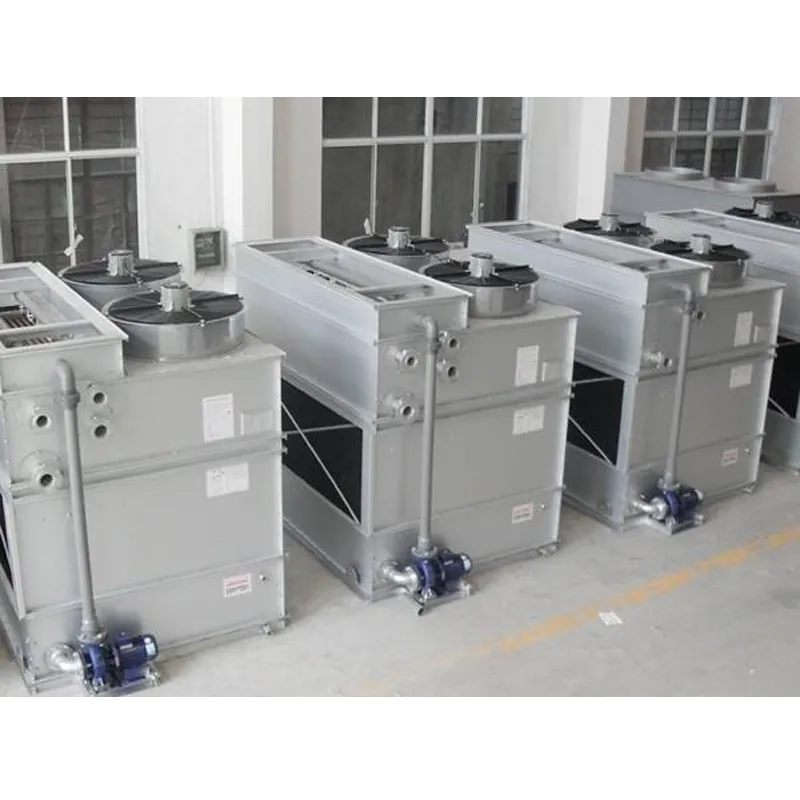
2. HVAC Systems for Large Facilities:
- Commercial Buildings & Data Centers: Supports large chiller plants that cool data centers, airports, hospitals, and large commercial complexes. The efficiency of the Evaporative Condenser directly reduces the operating costs of these energy-intensive facilities.
- District Cooling Plants: Integral to centralized cooling systems that distribute chilled water to multiple buildings, offering a highly efficient method for heat rejection on a massive scale.
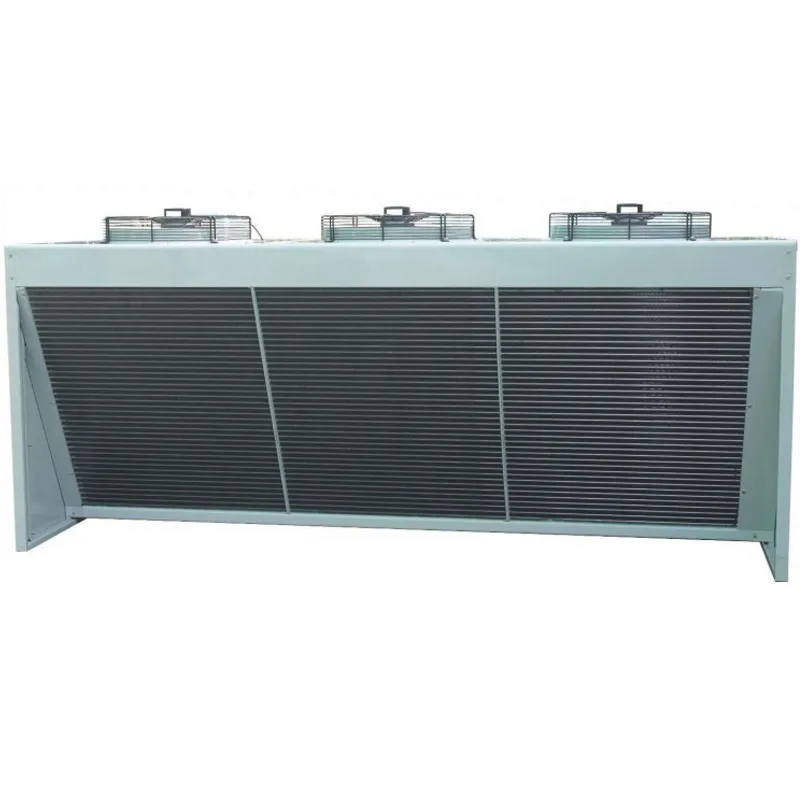
3. Power Generation:
- Geothermal & Cogeneration Plants: Efficiently cools turbine condensers and other heat exchangers, improving overall plant efficiency by maintaining optimal operating temperatures.
- Industrial Cooling Loops: Essential for cooling auxiliary equipment, engine jackets, and process fluid loops in various industrial power applications.
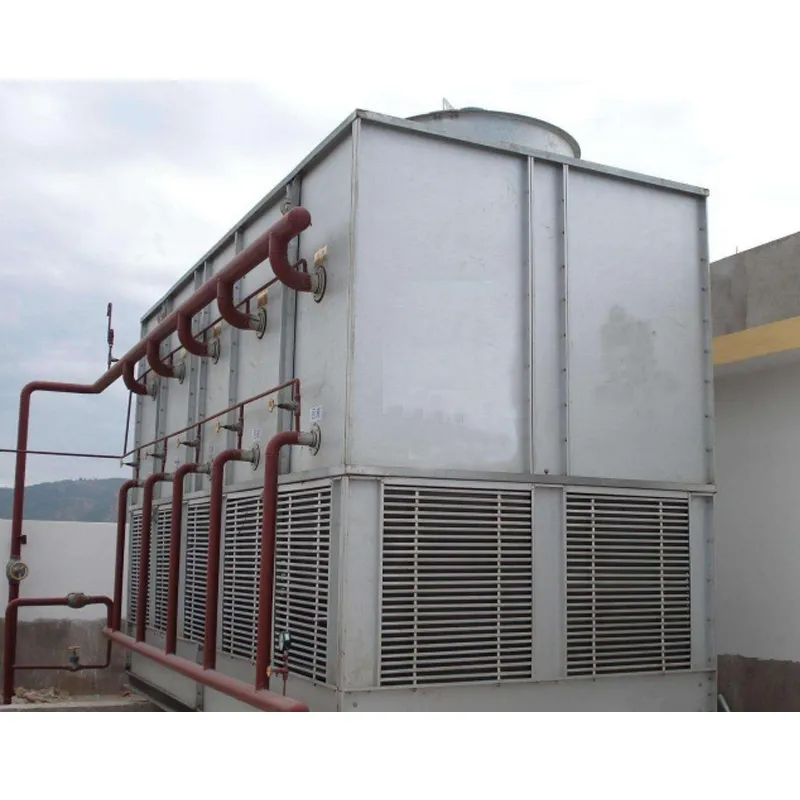
4. Specialized Industrial Processes:
- Plastics & Rubber Manufacturing: Cools hydraulic fluids, molds, and process water, ensuring consistent product quality and preventing equipment overheating.
- Metal Processing: Provides cooling for quenching operations, induction furnaces, and welding equipment, critical for material property control and equipment longevity.
These applications underscore the importance of the Evaporative Condenser as a reliable, high-efficiency solution for managing thermal loads in demanding industrial environments, consistently contributing to operational stability and cost reduction.
Technical Advantages and Performance Benefits
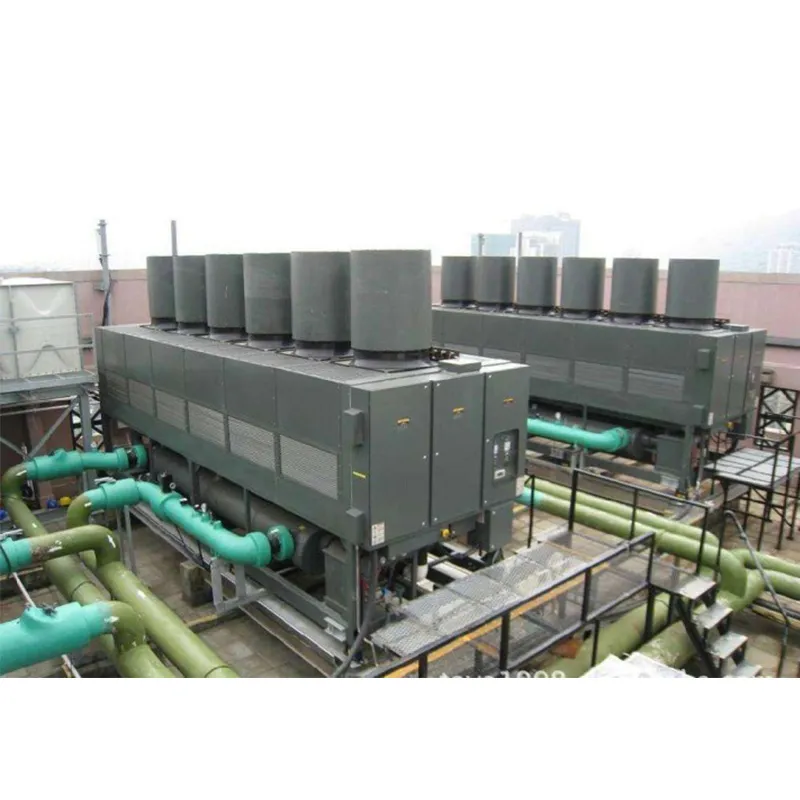
The inherent design of the Evaporative Condenser offers distinct technical advantages over other heat rejection methods, leading to significant performance and operational benefits for industrial users.
1. Superior Energy Efficiency:
- Lower Condensing Temperatures: By utilizing the latent heat of evaporation, an Evaporative Condenser can achieve condensing temperatures significantly lower than air-cooled condensers, especially in hot ambient conditions. This translates to lower compressor head pressure, reducing power consumption of the refrigeration system by 10-20% or more.
- Optimized Coefficient of Performance (COP): The reduced energy input for the compressor directly improves the overall COP of the refrigeration cycle, making it a more economical choice in the long run.
2. Enhanced Water & Space Conservation:
- Reduced Water Consumption (vs. Open Cooling Towers): While evaporative condensers use water, closed-circuit evaporative condensers typically consume less water compared to open cooling towers of equivalent capacity because the process water is not exposed to the atmosphere, minimizing evaporation and drift loss.
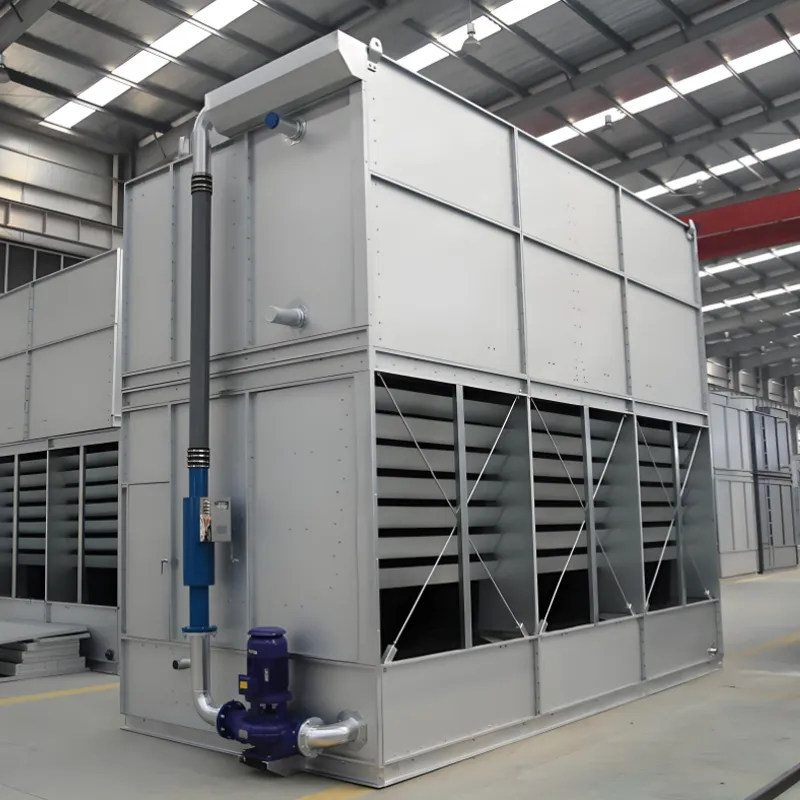
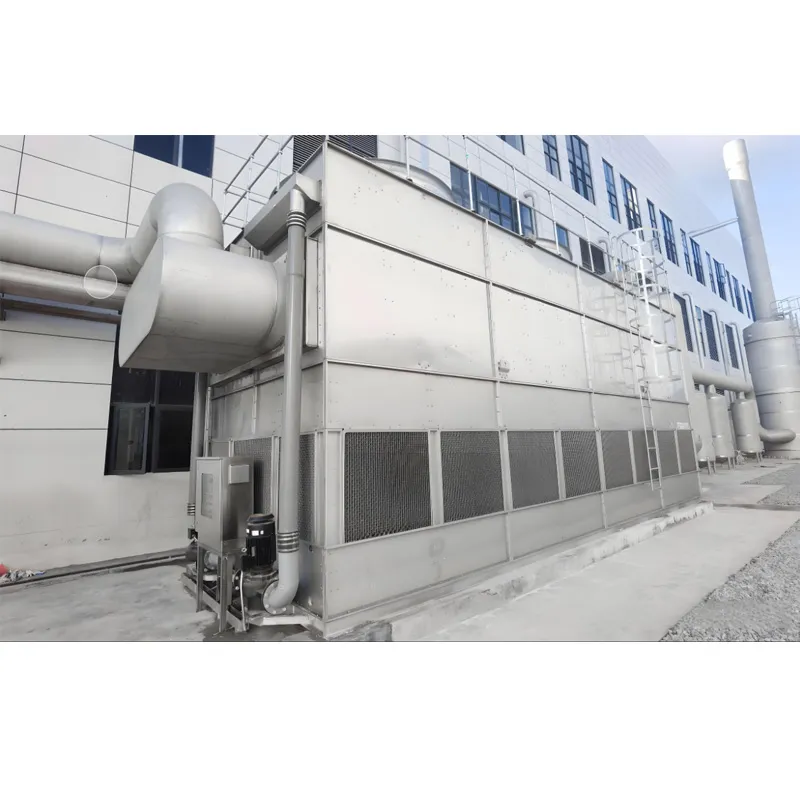
- Compact Footprint: Due to highly efficient heat transfer, evaporative condensers often require less installation space than air-cooled condensers for the same capacity, making them suitable for sites with limited real estate.
3. Superior Material & Construction for Longevity:
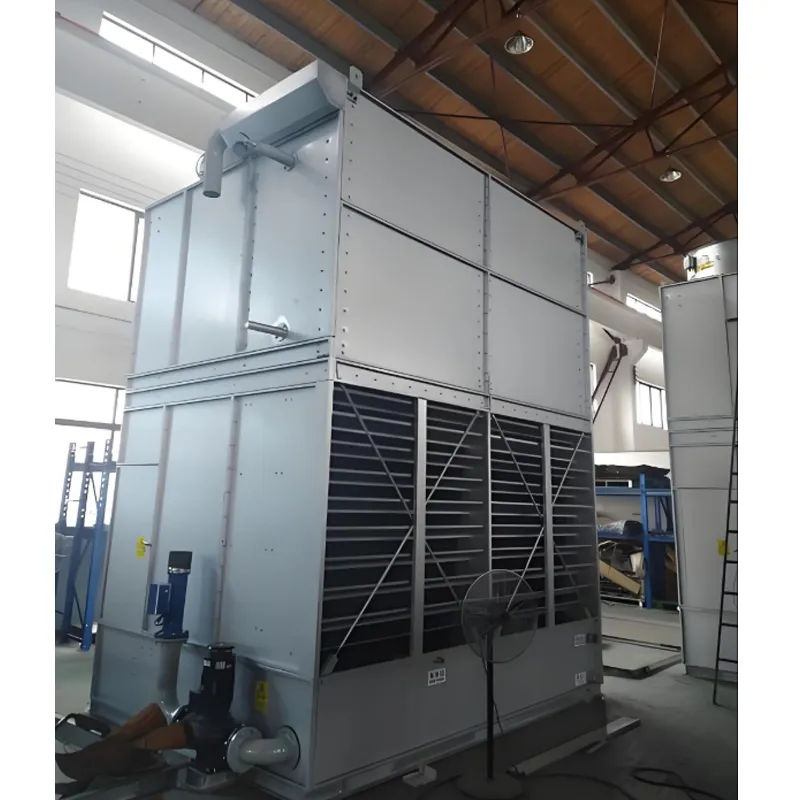
- Corrosion Resistance: Utilize materials like hot-dip galvanized steel, stainless steel (SUS304, SUS316), or Fiber Reinforced Plastic (FRP) for casing and water basin components, offering exceptional resistance to corrosion from aggressive industrial environments and water treatment chemicals.
- Robust Coil Design: Coils are often seamless steel tubes, hot-dip galvanized internally and externally, or stainless steel, ensuring a leak-proof and durable refrigerant path for extended service life.
4. Reduced Maintenance & Operational Stability:
- Ease of Access: Designed with ample access doors and internal walkways for convenient inspection and maintenance of internal components.
- Closed-Loop Refrigerant Circuit: The refrigerant remains in a sealed circuit, free from external contamination, reducing the need for frequent charging and improving system reliability.
- Effective Water Treatment: While water treatment is required, its impact on the refrigerant circuit is eliminated, simplifying the overall system operation.
Vendor Comparison: Evaporative vs. Air-Cooled Condensers
When selecting a heat rejection system for industrial applications, a critical decision lies between an Evaporative Condenser and an air-cooled condenser. While both serve to condense refrigerant vapor, their operational principles, performance characteristics, and total cost of ownership differ significantly. Below is a comparison to aid decision-makers.
Comparison Table: Evaporative Condenser vs. Air-Cooled Condenser
| Feature | Evaporative Condenser | Air-Cooled Condenser |
|---|---|---|
| Heat Rejection Principle | Latent heat of water evaporation & sensible heat transfer. | Sensible heat transfer to ambient air. |
| Condensing Temperature | Closer to ambient wet-bulb temperature (lower). | Closer to ambient dry-bulb temperature (higher). |
| Energy Efficiency (Compressor) | Very high; up to 15-20% energy saving due to lower head pressure. | Lower compared to evaporative, higher power consumption. |
| Water Consumption | Requires makeup water for evaporation, but generally less than open towers. | No water consumption for cooling. |
| Footprint/Space Requirement | More compact for equivalent capacity due to higher heat transfer efficiency. | Larger footprint required for equivalent capacity. |
| Maintenance Complexity | Requires water treatment, basin cleaning, nozzle inspection. | Coil cleaning (air side) is primary maintenance. Less complex. |
| Initial Capital Cost | Generally higher due to more complex components. | Generally lower. |
| Operating Cost (Energy) | Lower due to reduced compressor power. | Higher due to increased compressor power. |
| Environmental Impact | Lower carbon footprint (less energy), potential for water treatment chemicals. | Higher carbon footprint (more energy), no water impact. |
The choice between these technologies often boils down to a balance of initial investment, long-term operating costs, local water availability and cost, and space constraints. For many industrial applications demanding high efficiency and consistent performance, the Evaporative Condenser presents a compelling and often superior solution over its air-cooled counterpart.
Customized Solutions for Unique Demands
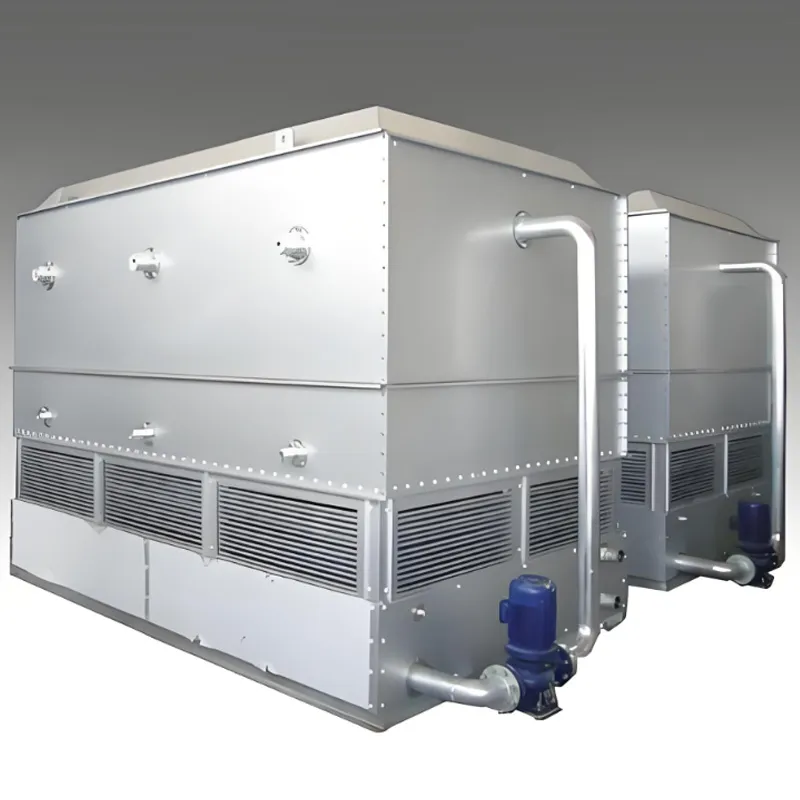
Recognizing that no two industrial applications are exactly alike, advanced manufacturers offer highly customized Evaporative Condenser solutions. Tailoring units to specific site conditions and operational requirements ensures maximum efficiency, longevity, and return on investment.
Key Areas of Customization:
- Capacity & Footprint Optimization: Units can be designed for specific heat rejection loads, optimizing dimensions to fit restricted installation spaces, including modular designs for future expansion.
- Material Selection: Choice of hot-dip galvanized steel, various grades of stainless steel (SUS304, SUS316), or robust FRP for the casing and water basin, providing enhanced corrosion resistance against aggressive industrial atmospheres or process water compositions.
- Coil Material & Coating: Custom coil materials (e.g., higher-grade stainless steel) or specialized coatings (e.g., epoxy, anti-fouling) for specific refrigerants or harsh water quality conditions.
- Noise Attenuation: Integration of low-noise fan options, sound attenuators, or specific fan types (e.g., centrifugal fans for lower noise profiles) to meet strict local noise regulations or for installations near residential areas.
- Winterization & Freeze Protection: Inclusion of electric heaters, circulation pumps, or glycol heat trace systems for reliable operation in freezing climates, preventing ice formation in the water basin and spray system.
- Water Treatment & Management: Integrated filtration systems, automated bleed-off controls, and chemical dosing systems to manage water quality, reduce scaling, and inhibit microbial growth effectively.
- Advanced Control Systems: Implementation of Variable Frequency Drives (VFDs) for fans and pumps, programmable logic controllers (PLCs), and remote monitoring capabilities for precise temperature control, energy optimization, and predictive maintenance.
- Hazardous Area Compliance: Design and certification for operation in hazardous environments (e.g., ATEX, NEC) with explosion-proof motors and intrinsically safe controls, crucial for petrochemical industries.
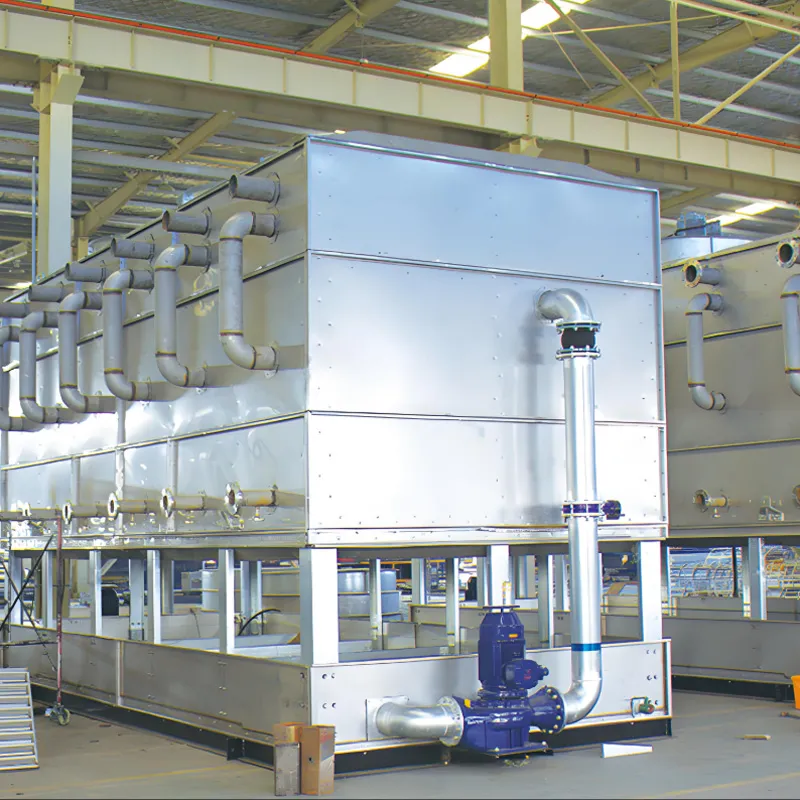
By offering comprehensive customization options, manufacturers ensure that each Evaporative Condenser is perfectly aligned with the client's unique operational profile, delivering optimal performance and longevity.
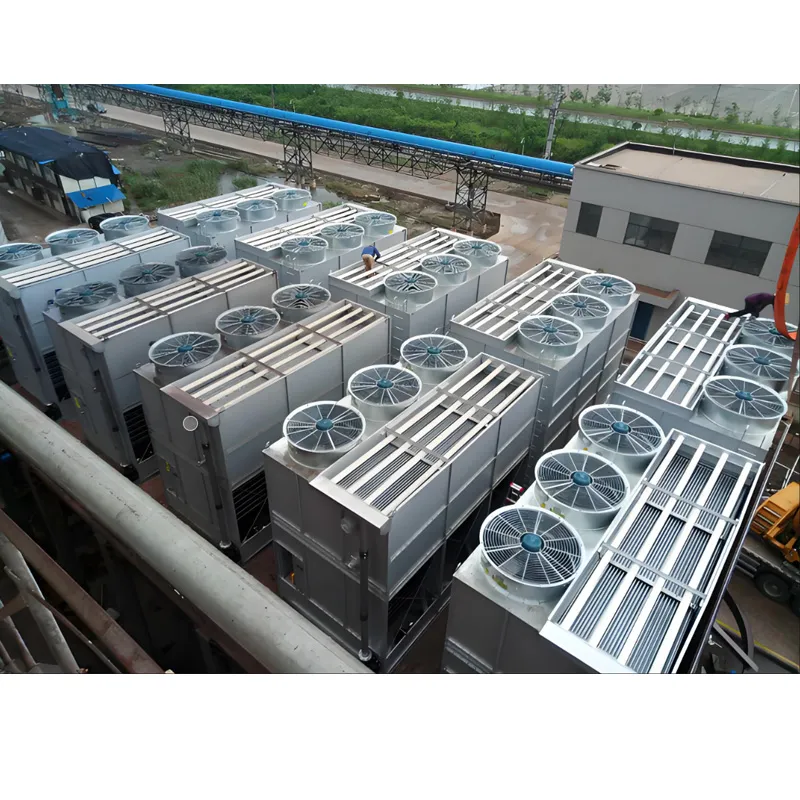
Application Case Studies & Client Successes
Real-world applications demonstrate the tangible benefits of integrating an Evaporative Condenser into complex industrial operations. These case studies highlight not only the technical prowess but also the significant economic and environmental advantages achieved by clients.
Case Study 1: Large-Scale Cold Storage Facility
- Client: A leading frozen food distribution center requiring -20°C storage for perishable goods across 150,000 cubic meters.
- Challenge: Existing air-cooled system struggled to maintain optimal temperatures during peak summer months, leading to high energy bills and occasional temperature excursions.
- Solution: Installation of two customized Evaporative Condenser units (total 2500 TR capacity) for their central ammonia refrigeration system. Units featured corrosion-resistant stainless steel casing and VFD-controlled fans.
- Results:
- Energy Savings: 18% reduction in compressor power consumption annually, translating to approximately $150,000 in energy cost savings per year.
- Stable Temperature: Consistent -20°C achieved even on the hottest days, improving product quality and reducing spoilage.
- Reduced Footprint: The compact design allowed for installation on the existing rooftop without major structural modifications.
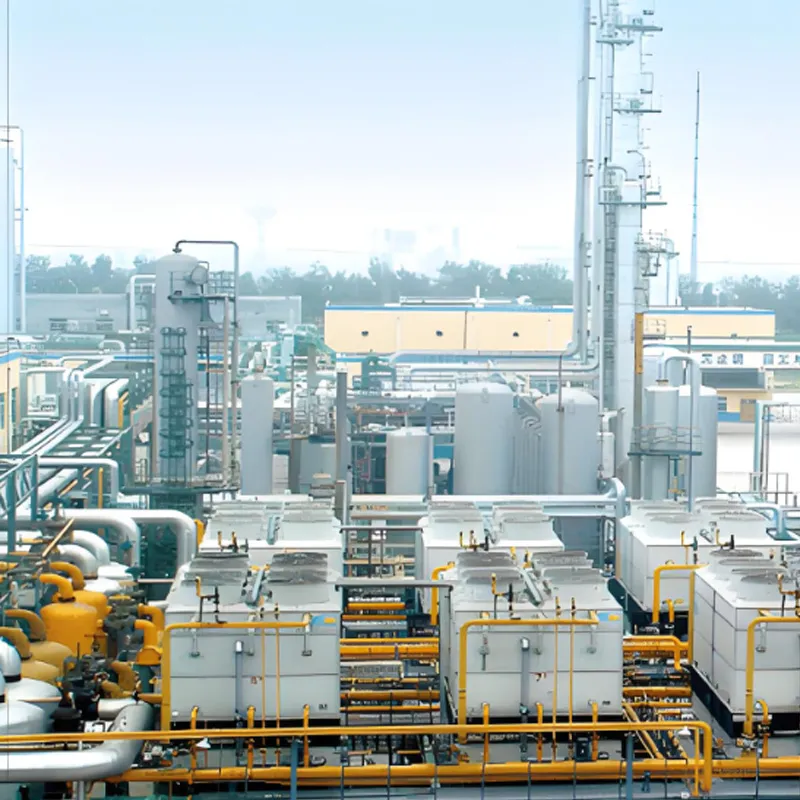
Case Study 2: Chemical Processing Plant
- Client: A specialty chemical manufacturer needing to cool a reactor jacket and process fluids.
- Challenge: Highly corrosive ambient air containing chemical vapors posed a significant risk to conventional cooling equipment, leading to frequent maintenance and premature failure.
- Solution: Engineered an FRP-cased Evaporative Condenser with SS316 coils and a specialized anti-corrosion coating. Integrated with a robust water treatment system.
- Results:
- Extended Service Life: After 5 years, the unit showed minimal signs of corrosion, far exceeding the lifespan of previous galvanized steel units.
- Reliable Operation: Consistent cooling performance ensured stable reactor temperatures, enhancing product yield and safety.
- Reduced Maintenance: Significantly decreased maintenance costs associated with corrosion repairs and component replacement.
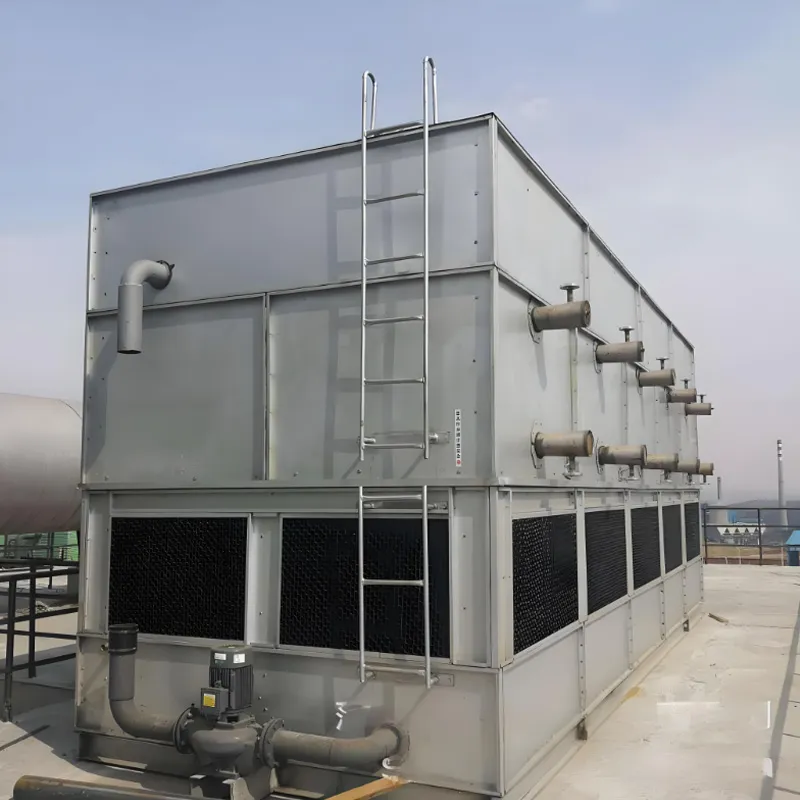
Case Study 3: Data Center HVAC
- Client: A rapidly expanding data center requiring robust and energy-efficient cooling for its mission-critical servers.
- Challenge: Need for continuous, low-noise operation and maximum energy efficiency to manage high IT heat loads and minimize PUE (Power Usage Effectiveness).
- Solution: Implemented three low-noise Evaporative Condenser units with advanced VFD controls, integrated with their existing chiller plant. The system was designed for redundancy and ease of scaling.
- Results:
- PUE Reduction: Achieved a PUE of 1.25, significantly below the industry average, largely due to the high efficiency of the evaporative condensers.
- Low Noise Operation: Met stringent noise requirements for urban installation, minimizing community impact.
- High Uptime: Redundant design and proactive maintenance via smart controls ensured continuous cooling, vital for data center operations.
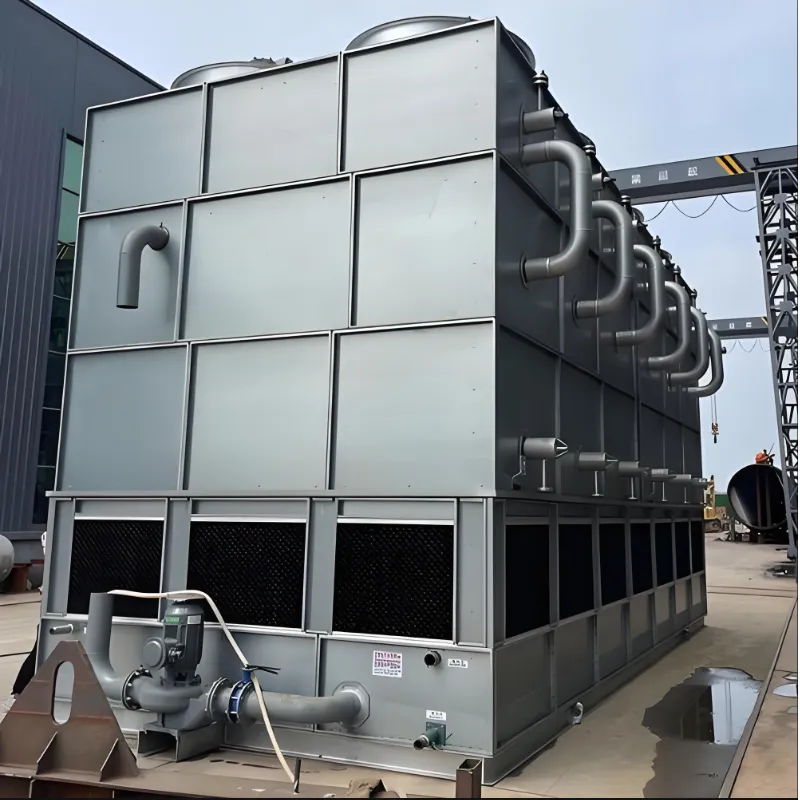
Trust & Support: FAQ, Lead Time, Warranty & After-Sales
Building trust with B2B clients requires transparent commitments regarding product quality, delivery, and ongoing support. Here's what you can expect when investing in a reliable Evaporative Condenser.
Frequently Asked Questions (FAQ):
-
Q: How does an Evaporative Condenser save energy compared to an air-cooled unit?
A: An Evaporative Condenser uses the latent heat of water evaporation, cooling the coil to a temperature closer to the ambient wet-bulb temperature, which is often significantly lower than the dry-bulb temperature. This allows the refrigerant to condense at a lower pressure, reducing the compressor's workload and electricity consumption by 10-20% or more. -
Q: What kind of maintenance does an Evaporative Condenser require?
A: Regular maintenance includes managing water quality (chemical treatment, bleed-off, filtration) to prevent scale and biological growth, cleaning the water basin and spray nozzles, checking fan and pump bearings, and inspecting the coils for any potential issues. Annual or semi-annual comprehensive inspections are recommended. -
Q: Is an Evaporative Condenser suitable for areas with water scarcity?
A: While evaporative condensers consume water, their energy efficiency can offset water costs in many regions. For highly water-scarce areas, hybrid dry/wet systems or specialized dry condensers might be considered, but for most industrial applications, the energy savings often justify the water usage. Modern units are also designed to minimize water loss through efficient drift eliminators. -
Q: What is the typical service life of an Evaporative Condenser?
A: With proper material selection (e.g., hot-dip galvanized steel, stainless steel, FRP) and consistent maintenance, a high-quality Evaporative Condenser can typically have a service life of 15 to 25 years or even longer. Regular inspection and timely replacement of wear parts contribute significantly to its longevity.
Lead Time & Fulfillment:
Standard Evaporative Condenser models typically have a lead time of 8-12 weeks from order confirmation to ex-works readiness. For highly customized units or large-scale projects, lead times may extend to 14-20 weeks, depending on design complexity, material sourcing, and manufacturing queue. We prioritize transparent communication regarding project timelines and provide regular updates throughout the manufacturing process, ensuring on-time delivery and seamless project integration.
Warranty Commitments:
All our Evaporative Condenser units come with a comprehensive warranty. We typically offer a 1-year full warranty on all components and a 5-year warranty on the structural integrity of the casing and coils against manufacturing defects. Extended warranty options and service contracts are available to provide additional peace of mind and ensure long-term operational reliability.
Customer Support & After-Sales Service:
Our commitment extends beyond delivery. We provide extensive after-sales support including:
- Technical Assistance: A dedicated team of engineers is available for troubleshooting, operational guidance, and optimization advice.
- Spare Parts Availability: We maintain a ready stock of essential spare parts to minimize downtime.
- On-Site Support: For complex issues or commissioning, experienced technicians can be dispatched globally.
- Training Programs: We offer operator and maintenance training to ensure your team can maximize the unit's performance and longevity.
Conclusion
The Evaporative Condenser stands as a testament to efficient and reliable industrial cooling, offering unparalleled energy savings, a compact footprint, and robust performance across a diverse range of demanding applications. Its advanced design, coupled with continuous innovation in materials and control systems, positions it as a cornerstone technology for sustainable and cost-effective heat rejection in the modern industrial landscape. As industries worldwide continue to prioritize efficiency and environmental responsibility, the adoption of high-quality evaporative condensing solutions will only grow, delivering significant operational advantages and long-term value.
References
- Cooling Technology Institute (CTI) Standards.
- ASHRAE Handbook - HVAC Systems and Equipment.
- American Society of Mechanical Engineers (ASME) Boiler and Pressure Vessel Code.
- ISO 9001:2015 Quality Management Systems.
- U.S. Department of Energy – Industrial Technologies Program publications on industrial refrigeration.





Address
20 Xingyuan South Street, Zaoqiang County, Hengshui City, Hebei Province, China


