



We Are Open 24 Hours a Day, 7 Days a Week, Including Weekends and Public Holidays.

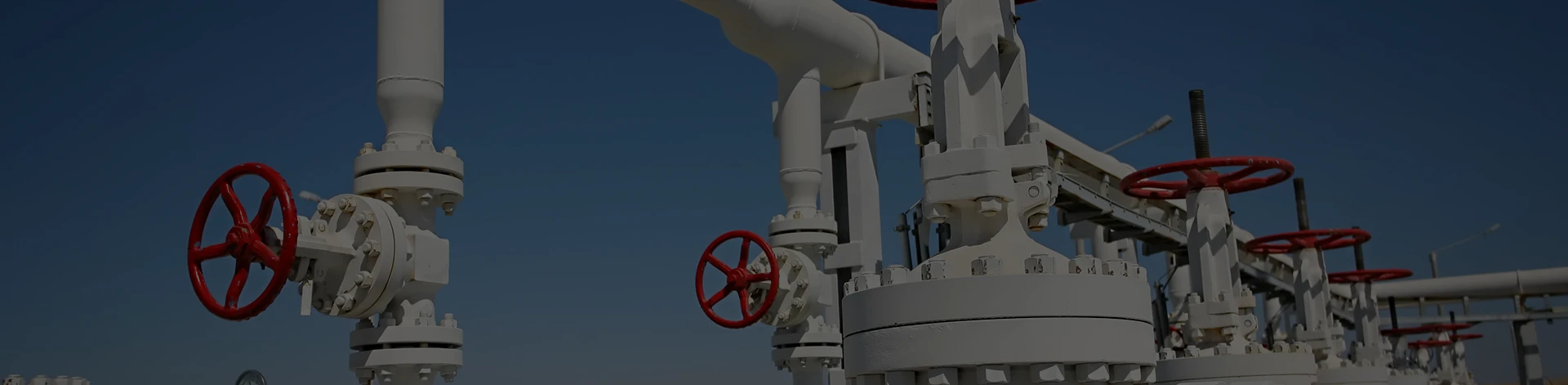
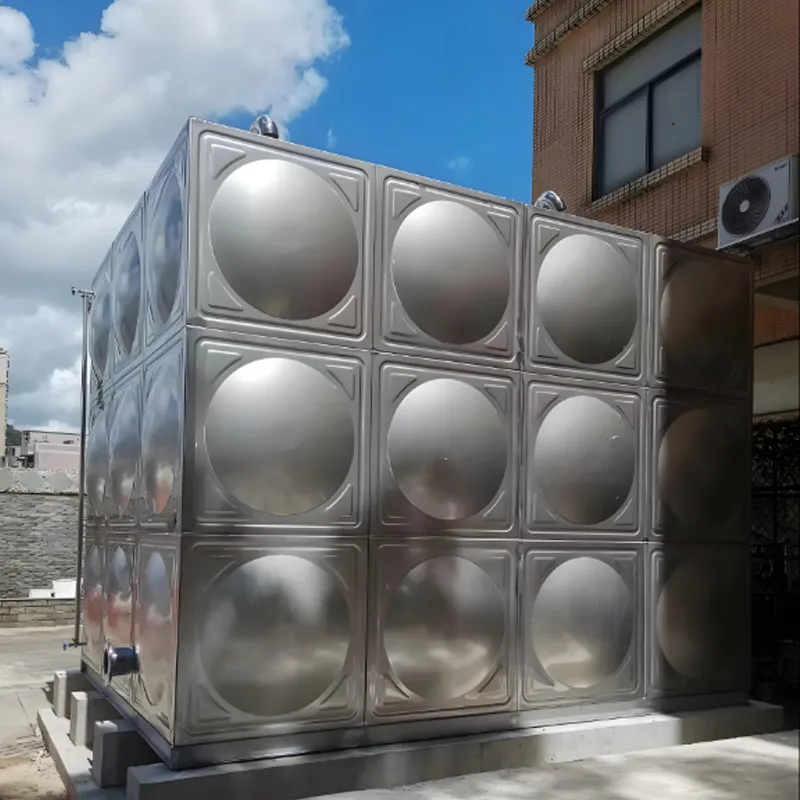
Durable Water Tank SS 304 – Corrosion Resistant Stainless Steel Options
Water Tank SS 304: The Stainless Steel Standard in Industrial Storage
Having spent a solid decade dabbling around industrial equipment – from installation sites to quality checks – I’ve come to appreciate water tank SS 304 as a kind of gold standard. There’s something about that 304-grade stainless steel that just gets engineers nodding in approval: impressive corrosion resistance, good durability, and the right balance of strength and workability.
Oddly enough, in a world that’s constantly innovating with composites and polymers, stainless steel tanks, especially SS 304 types, remain widely trusted in industries ranging from food processing to chemical storage. Why? Well, the material’s versatility and the legacy of proven performance make it hard to beat.
In real terms, SS 304 is an austenitic stainless steel alloy, mainly iron, with 18% chromium and 8% nickel. This composition is no accident – the chromium creates a passive film protecting the tank from rust and pitting, while nickel adds toughness at lower temperatures. I noticed in one project that a client’s SS 304 water tank, exposed outdoors in a coastal region, performed flawlessly through humid sea air for years.
Let’s talk specs — often, these tanks come equipped to handle volumes from a few hundred liters to tens of thousands. Thickness usually ranges from 1.5mm to 3mm, depending on size and pressure requirements. Most are finished with a smooth internal surface to inhibit bacterial growth and ease cleaning – a must in food-grade applications.
| Specification | Details |
|---|---|
| Material Grade | SS 304 Austenitic Stainless Steel |
| Thickness | 1.5mm – 3mm (customizable) |
| Capacity | 100L up to 50,000L |
| Finish | Polished Internal & External Surfaces |
| Corrosion Resistance | High – Suitable for various liquids including potable water |
| Typical Applications | Food & Beverage, Pharmaceuticals, Chemical Storage, Water Treatment |
Now, it’s one thing to have good specs; it’s another to trust a supplier. Over the years, I’ve noticed key differences among vendors specializing in SS 304 water tanks. Some prioritize customization, offering tailored sizes and fittings; others focus on certifications – UL, ISO, NSF – which frankly can make a difference depending on your industry. Warranty terms can vary significantly too.
| Vendor | Customization Options | Certifications | Warranty | Lead Time |
|---|---|---|---|---|
| Long Xuan FRP | High – Custom sizes, fittings, pressure ratings | ISO 9001, SGS | 5 years | 4-6 weeks |
| Vendor B | Medium – Standard sizes only | UL Listed | 3 years | 6-8 weeks |
| Vendor C | Low – Off-the-shelf products only | None | 1 year | 2-3 weeks |
Customization, in particular, can make or break a project. I recall a case where a food processing company wanted an SS 304 water tank with elaborate sanitary fittings and a polished interior to comply with HACCP standards. The vendor who could tweak the design to such specific demands won the contract hands down. That flexibility isn’t always advertised but is gold when you need it.
Testing and quality assurance play their part too. SS 304 tanks should ideally be pressure tested, leak tested, and sometimes pass a radiographic check of weld quality. You want peace of mind that the integrity holds up under industrial conditions. A friend who runs a chemical plant once told me the tank’s performance during those harsh chemical exposures was a game-changer – and yes, it was SS 304 at the core.
One advantage that seems understated is how SS 304 tanks hold value over time. Unlike some plastic alternatives, these tanks can often be refurbished or repurposed, offering better ROI in the long haul. Plus, from an environmental perspective, stainless steel is 100% recyclable — something more manufacturers and consumers care about these days.
All in all, if you’re hunting for a reliable, durable water tank that won’t suddenly become a rust bucket or fail unexpectedly, water tank SS 304 is worth every bit of your attention. As always, pick a supplier who listens to your needs, offers the right certifications, and stands behind their product. That’s where the partnership really shines — you’ll see it in the long run.
To sum up, stainless steel 304 tanks have carved an enduring niche in industrial water storage thanks to:
- Robust corrosion resistance
- Customizable design and sizing options
- Compliance with strict hygiene and safety standards
- Long-term durability and recyclability
It feels like investing in one isn’t just about buying tank capacity — it’s about securing peace of mind for years to come.
References:
1. ASM International, Stainless Steels Handbook
2. ISO 9001 Quality Management Standards
3. HACCP Food Safety Design Guidelines





Address
20 Xingyuan South Street, Zaoqiang County, Hengshui City, Hebei Province, China


