



We Are Open 24 Hours a Day, 7 Days a Week, Including Weekends and Public Holidays.

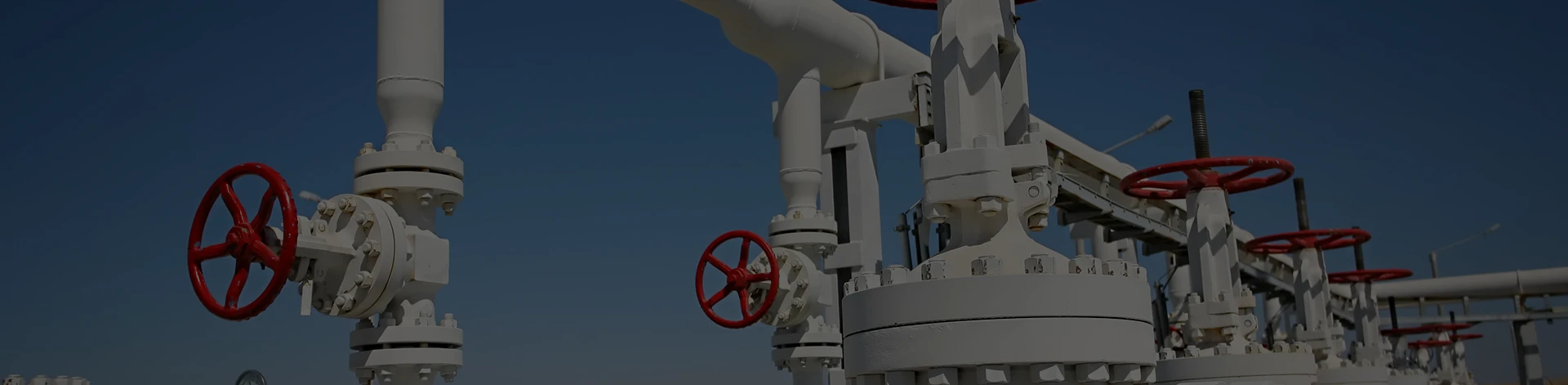
Comprehensive Guide to Stainless Steel Well Water Pressure Tanks: Benefits & Trends
Understanding Stainless Steel Well Water Pressure Tanks: Why They Matter Globally
So, you’re curious about stainless steel well water pressure tanks? Fair enough—they’re not exactly household phrases, but frankly, they play a pretty crucial role in how clean water reaches millions around the world. Essentially, these tanks help maintain steady water pressure from wells, ensuring reliable water delivery whether it’s for irrigation in a farming community or providing safe drinking water in remote areas.
This topic extends beyond engineering nuance—it’s about sustainability and meeting global water needs. According to the United Nations, over two billion people live in water-stressed areas, and infrastructure like stainless steel well water pressure tanks can help improve access and reliability in such zones. Understanding their importance touches on everything from public health to agricultural productivity.
Mini takeaway: Stainless steel well water pressure tanks are unsung heroes that support water access worldwide, combining engineering with humanitarian impact.
Global Industry Context: Meeting Water Challenges with Stainless Steel Tanks
Globally, water infrastructure is a massive sector. The International Organization for Standardization (ISO) points out a growing demand for durable and corrosion-resistant materials in water storage and delivery systems. In particular, stainless steel well water pressure tanks stand out because their resistance to rust and longevity reduce the risk of contamination and maintenance costs.
The World Bank notes that improving water infrastructure is essential to achieving Sustainable Development Goal 6—clean water and sanitation for all. Yet, water pressure fluctuations and tank failures can lead to inefficient systems, disrupt supply, and pose health risks. Stainless steel tanks solve many of these issues by enhancing system reliability.
Mini takeaway: Stainless steel well water pressure tanks address a significant global challenge—ensuring reliable, clean water supply while reducing maintenance and risk.
What Is a Stainless Steel Well Water Pressure Tank?
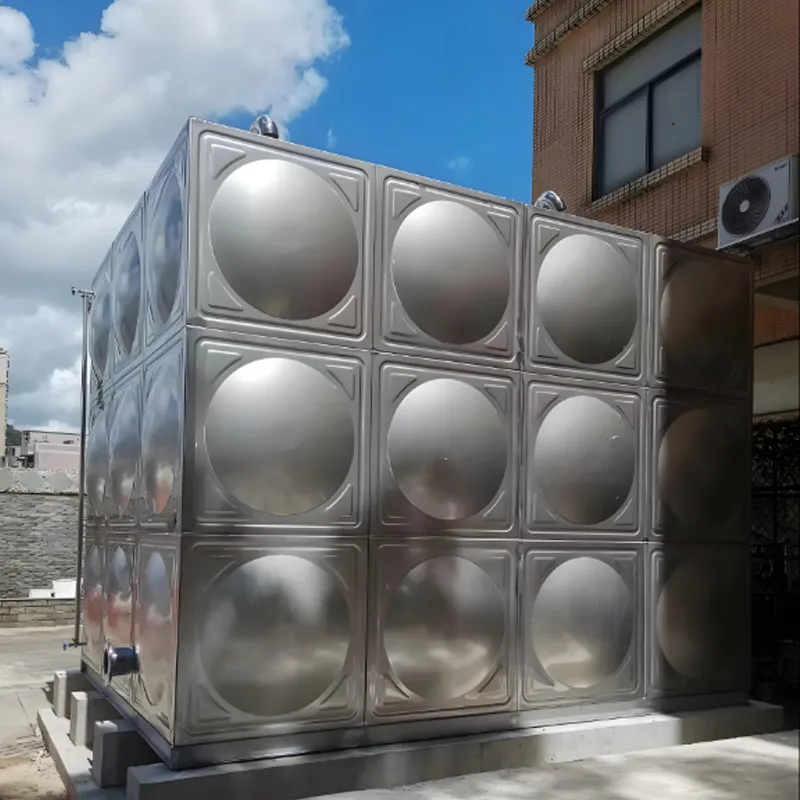
To keep things clear, a stainless steel well water pressure tank is a sealed container designed to maintain a consistent water pressure from a well pump. Made typically from food-grade stainless steel, these tanks resist corrosion and are structurally stable, making them ideal for underground or outdoor installations exposed to moisture.
They connect to well pumps and store pressurized water so that when you open a tap, water flows out smoothly without pump cycling constantly on and off. This extends pump life and ensures steady delivery. In humanitarian applications, such as rural water projects or disaster relief, these tanks help communities access safe water reliably.
Mini takeaway: At its core, this tank is about maintaining water pressure reliably over time with resilient materials that meet strict health and safety standards.
Key Components & Factors Behind Their Effectiveness
1. Durability
Stainless steel’s corrosion resistance keeps tanks functional for decades, unlike traditional steel tanks prone to rust. This means fewer replacements and lower environmental waste.
2. Pressure Stability
The internal bladder and precise pressure settings minimize pump cycling, which protects expensive well pumps from premature failure.
3. Maintenance Ease
Thanks to smooth, non-porous stainless steel interiors, these tanks are easier to clean—critical for preventing bacterial growth.
4. Adaptability
They come in various sizes and pressure configurations, from small residential tanks to large agricultural units, adapting to diverse project demands.
5. Cost Efficiency
While upfront costs tend to be higher than fiberglass or plastic alternatives, the lifecycle savings from durability and reduced repairs often outweigh initial investments.
6. Safety & Compliance
Food-grade stainless steel meets ISO and NSF standards for potable water, reducing regulatory concerns in sensitive projects.
Mini takeaway: The main strengths of stainless steel pressure tanks are their durability, pressure consistency, and health-safe design—factors that align closely with real-world uses.
Typical Specifications of Stainless Steel Well Water Pressure Tanks
| Specification | Details |
|---|---|
| Material | 316L Stainless Steel (Food Grade) |
| Pressure Range | 20–60 PSI (customizable) |
| Capacity | 50 to 500 gallons |
| Connection Type | Threaded or flanged, customizable |
| Temperature Range | -20°C to 100°C |
| Certification | ISO 9001, NSF/ANSI 61 |
Global Applications & Use Cases for Stainless Steel Pressure Tanks
- Agricultural Irrigation: In places like California’s Central Valley and Australia’s Murray-Darling basin, reliable well water pressure tanks help farmers maintain consistent water flow, crucial during droughts.
- Rural & Remote Communities: Many off-grid villages in sub-Saharan Africa and Southeast Asia depend on these tanks within their water systems for uninterrupted supply.
- Industrial Use: Factories requiring cooling water or process water benefit from pressure tanks to avoid costly downtime.
- Disaster Relief: NGOs use portable stainless steel tanks to restore water pressure in temporary shelters after floods or earthquakes.
Interestingly, stainless steel well water pressure tanks have found favor even in extreme climates like the Arctic, where corrosion resistance is key due to snowmelt and freeze-thaw cycles.
Mini takeaway: These tanks’ flexibility and durability make them practical across vastly different contexts — from farms to emergency relief.
Advantages & Long-Term Value of Stainless Steel Pressure Tanks
Let’s get practical. Stainless steel tanks are built to last, saving money over years by avoiding replacements. Environmentally, they cut down on waste and chemical contamination (less rust means cleaner water). For end-users, there’s a psychological comfort: stable water pressure reduces anxiety about supply interruptions, and the hygienic material assures safety—both critical in healthcare and schools.
Moreover, as communities prioritize sustainability, investing in stainless steel tanks aligns with a commitment to green infrastructure. It feels like a win for both wallet and planet.
Future Trends and Innovations
Looking ahead, the integration of smart sensors into these tanks is an exciting development. Imagine near real-time water pressure monitoring accessible via smartphone—helping operators anticipate issues before they escalate. Plus, new alloys and coatings aim to reduce cost while maintaining strength and corrosion resistance. There's also a push toward carbon-neutral manufacturing processes to further reduce ecological footprints.
Digital transformation alongside sustainability will likely redefine how these traditionally “simple” components fit into broader water management ecosystems.
Challenges & Solutions
Yet, it’s not all smooth sailing. Stainless steel tanks can be cost-prohibitive upfront, particularly in less affluent regions. In addition, improper installation or lack of maintenance can still cause premature failures. To overcome this, some vendors offer modular designs and longer warranties, along with training for local technicians.
Innovations in lower-cost stainless steel grades and leasing models are helping expand access. Frankly, it’s a matter of balancing initial costs with long-term benefits a lot of times.
Vendor Comparison Table: Stainless Steel Pressure Tanks
| Vendor | Price Range (USD) | Warranty | Custom Options | Certifications |
|---|---|---|---|---|
| ClearFlow Systems | $600 - $3,000 | 10 years | Yes | ISO 9001, NSF |
| AquaSteel Corp. | $750 - $3,500 | 7 years | Limited | ISO 14001 |
| HydroPress Ltd. | $500 - $2,800 | 5 years | Yes | NSF/ANSI 61 |
FAQ: Stainless Steel Well Water Pressure Tanks
- Q: How long do stainless steel well water pressure tanks typically last?
- A: With proper maintenance, these tanks often last 15-20 years or more, thanks to corrosion resistance and sturdy construction, significantly outlasting fiberglass or plastic models.
- Q: Can stainless steel tanks be used in coastal areas with high salt exposure?
- A: Yes. Their high-grade stainless steel alloys, especially 316L, resist saltwater corrosion better than many alternatives, making them suitable for marine or coastal environments.
- Q: What size tank do I need for a household well system?
- A: Common residential tanks range from 50 to 100 gallons, but requirements depend on household size, well pump specs, and water usage patterns. Consulting a specialist ensures optimal sizing.
- Q: Are stainless steel tanks more expensive upfront compared to plastic?
- A: Yes, initial costs are typically higher, but they offer better durability and hygiene, usually resulting in lower lifecycle expenses.
- Q: How do I maintain my stainless steel pressure tank?
- A: Periodic inspection, checking the air pressure, and keeping connections tight go a long way. Cleaning the interior is rare but recommended every few years depending on water quality.
Conclusion: Why Stainless Steel Well Water Pressure Tanks Are a Wise Investment
To wrap up, choosing a stainless steel well water pressure tank isn’t just an engineering choice; it’s a commitment to long-term reliability, sustainability, and public health. The upfront cost might feel steep, but in real terms, it's an investment in reducing waste, preventing contamination, and avoiding costly repairs down the road. Whether you run a farm, design water infrastructure, or operate community water points, these tanks provide peace of mind and consistent performance.
Curious to learn more or invest in top-quality solutions? Visit our website: stainless steel well water pressure tank for detailed product info and expert guidance.
Mini takeaway: Stainless steel well water pressure tanks blend durability, hygiene, and efficiency—essential ingredients for modern and sustainable water systems.
References:
- United Nations - Water and Sustainable Development
- ISO Standards for Water Quality
- Wikipedia - Pressure Tank
And that’s a quick dive into how these rather straightforward components quietly play a huge role in our world’s water systems. They’re kind of the trustful workhorses behind the scenes — and frankly, in water management, that counts for a lot.






Address
20 Xingyuan South Street, Zaoqiang County, Hengshui City, Hebei Province, China


