



We Are Open 24 Hours a Day, 7 Days a Week, Including Weekends and Public Holidays.


Comprehensive Guide to Centrifugal Blower Fans – Applications, Benefits & Innovations
Understanding the Centrifugal Blower Fan: Why It Matters Globally
If you've ever peeked inside an HVAC system, a large industrial furnace, or even certain pollution control units, chances are you've encountered a centrifugal blower fan. This device might sound like just another piece of machinery to the untrained ear, but it quietly plays a pivotal role in industries that affect millions worldwide. From powering clean airflow in hospitals to boosting manufacturing efficiency and even aiding humanitarian relief efforts, understanding centrifugal blower fans isn’t just technical trivia — it’s about realizing how modern life keeps moving.
Global Context: The Invisible Powerhouse of Air Movement
Globally, efficient air management impacts health, productivity, and environmental standards. The International Organization for Standardization (ISO) highlights the need for reliable ventilation in industrial zones to combat air pollution, while the United Nations stresses sustainable energy and clean air as pivotal goals for urban and rural communities alike.
Here's a reality check: poor ventilation systems are estimated to contribute to reduced workforce productivity and increased respiratory illnesses. Enter centrifugal blower fans, which create steady, high-pressure airflow required to ventilate massive facilities reliably. World Bank data indicates that industrialized nations invest billions in infrastructure supporting energy-efficient air movement, a significant slice going toward upgraded blower technologies.
Yet, challenges persist — energy consumption, noise, and maintenance costs remain hurdles. This context frames why innovations in centrifugal blower fan technology keep engineers and procurement specialists on their toes.
What Exactly Is a Centrifugal Blower Fan?
In simple terms, a centrifugal blower fan is a mechanical device that moves air or gas at a right angle to the intake direction by centrifugal force. Picture a spinning wheel inside a housing – as it spins, air is drawn through the center and flung outward to the edges, creating a steady stream of airflow.
This concept may sound straightforward, but its adaptability ranges from tiny units in electronics cooling to colossal fans in power plants. In industry and humanitarian settings alike, these fans ensure proper ventilation, exhaust harmful gases, and maintain air quality standards that are literally life-saving.
Core Components and Key Features
1. Durability and Material Composition
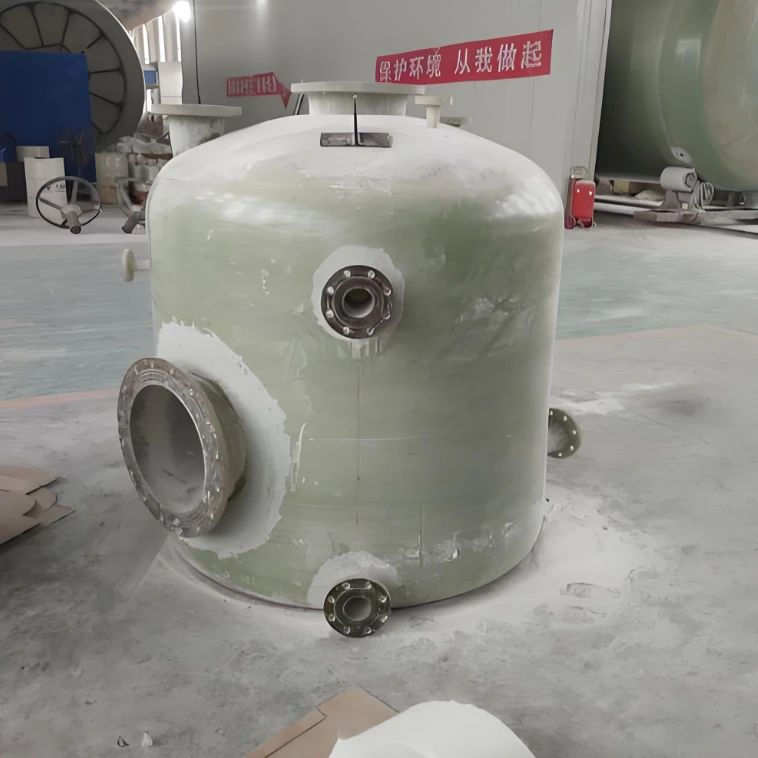
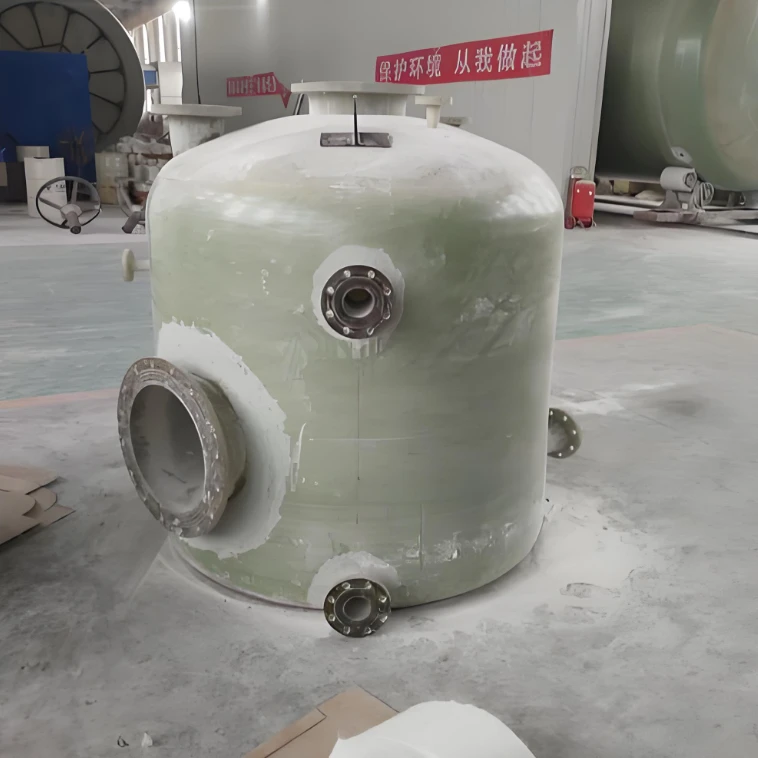
Many centrifugal blower fans are crafted from powdered metals, stainless steel, or reinforced fiberglass composites. This choice depends largely on the working environment—corrosive atmospheres, dusty mines, or moist coastal plants demand specific materials that stand the test of time.
2. Scalability of Design
Fan sizes vary immensely — from handheld units to massive wheels with diameters over a meter. This scalability allows deployment across vastly different applications, from delicate lab equipment to robust mining operations.
3. Energy Efficiency
Modern centrifugal fans lean heavily on aerodynamic blade design and variable speed motors, reducing power consumption by up to 30% compared to legacy models. This efficiency also tips the scales on sustainability.
4. Noise Levels
No one likes a noisy factory or hospital hallway. Advances in blade shaping and sound-dampening casings shrink operational decibels, simultaneously improving workplace comfort and meeting stricter acoustic regulations.
5. Cost-Effectiveness and Maintenance
Installation and upkeep vary with design complexity. Simple units might require little more than routine lubrication and inspection, while industrial giants may use remote monitoring technology to predict wear-and-tear before breakdowns occur.
Mini takeaway:
The centrifugal blower fan’s strength lies in balancing ruggedness, efficiency, scale, and quiet operation — a tough combination that explains its enduring popularity across sectors.
Real-World Applications and Global Use Cases
This device rarely steals the spotlight, but it’s the backbone of countless operations.
- Healthcare: Hospitals utilize centrifugal blower fans to guarantee clean air filtering and positive pressure in operating theaters, minimizing infection risks.
- Industrial Manufacturing: Factories handling chemicals use these fans for fume extraction and temperature control, often customizing fans for corrosive resistance.
- Disaster Relief: NGOs deploy portable blower fans in emergency shelters to maintain airflow and prevent mold or airborne disease, particularly in humid climates.
- Energy Sector: Power plants rely on colossal centrifugal fans to expel exhaust gases, complying with environmental standards.
- Agriculture: Ventilation in large barns or greenhouses heavily depends on these fans for temperature and humidity regulation.
Regions from dusty Sahara-mining sites to humid Southeast Asian factories benefit, highlighting its universal value.
Mini takeaway:
Whether it’s a quiet hospital ward or a roaring power station in the Australian outback, centrifugal blower fans adapt and perform – a quiet global champion.
The Advantages and Long-Term Value of Centrifugal Blower Fans
The benefits aren't just technical specs — it’s about the human impact and economics:
- Cost Savings: Reduced energy demands cut operational costs over years.
- Sustainability: Lower power use means fewer carbon emissions, a real win for green initiatives.
- Reliability & Safety: Continuous airflow prevents hazardous buildups like combustible dust or toxic fumes.
- Quality of Life: Comforting quiet and clean air contribute to worker health and productivity.
- Innovation: Integration with smart controls allows real-time adjustments — a sort of digital intuition.
So frankly, investing in a top-notch centrifugal blower fan is often a trust move. You’re betting on efficiency as well as human-centered innovation.
Product Specification Table
| Specification | Typical Range | Notes |
|---|---|---|
| Airflow Capacity | 100 - 50,000 CFM | Measured in Cubic Feet per Minute |
| Operating Noise | 50 - 85 dB(A) | Depends on model and enclosure |
| Power Consumption | 0.5 - 150 kW | Variable speed drives help optimize |
| Materials | Steel, Stainless Steel, FRP | Chosen for durability & environment |
| Max Operating Temp | Up to 450°C (dependent on material) | High-temp models for industrial use |
Comparing Leading Centrifugal Blower Fan Vendors
| Vendor | Specialty | Energy Efficiency | Customer Service | Global Reach |
|---|---|---|---|---|
| TurboAir Solutions | High-performance industrial fans | Excellent (IE4 motors) | 24/7 Technical Support | North America, Europe |
| GreenFlow Tech | Eco-friendly & low-noise solutions | Very Good (Eco Blade Design) | Dedicated Energy Consultants | Asia, Europe |
| MegaVent Corp | Custom fan manufacturing | Good (Variable Speed Drives) | On-site Training & Service | Global |
Leading the Way: Emerging Trends and Innovations
The centrifugal blower fan world isn’t standing still. Quite the opposite — engineers are obsessive about squeezing more efficiency, less noise, and greener footprints from their designs. Recent trends include:
- Utilizing advanced aerodynamics with 3D blade printing to improve airflow and reduce turbulence.
- Integration with IoT (Internet of Things) sensors for predictive maintenance to avoid downtime.
- Employing composite materials to reduce weight while maintaining strength.
- Pairing centrifugal fans with renewable energy sources to power remote operations sustainably.
- Development of silent operation technologies for sensitive environments like hospitals.
Challenges Faced and How to Tackle Them
Of course, no technology is perfect. Centrifugal blower fans sometimes suffer from challenges including:
- Energy Demand: Large installations can still consume significant power unless properly engineered.
- Wear and Tear: Bearings and blades may degrade, impacting performance.
- Noise Pollution: Especially in densely populated areas.
Solutions? Experts recommend regular predictive maintenance, investment in energy-efficient motors, and soundproof casings. In addition, selecting vendors who offer customization and monitoring services can make a world of difference.
Frequently Asked Questions About Centrifugal Blower Fans
Q1: How do centrifugal blower fans differ from axial fans?
A1: Unlike axial fans, which move air parallel to the axis of rotation, centrifugal blower fans move air perpendicular (radially) through centrifugal force. This allows for higher pressure generation, making them ideal for ductwork and filtration systems requiring resistance.
Q2: Can centrifugal blower fans be used in hazardous environments?
A2: Yes, but the design materials and certifications must match the hazards. For example, explosion-proof casings and non-sparking components are essential in flammable gas environments.
Q3: What maintenance is typically required?
A3: Regular lubrication of bearings, inspection of blades for damage, cleaning of dust or debris, and monitoring motor health are standard. Advanced setups use remote sensors for predictive maintenance.
Q4: Are centrifugal blower fans energy-efficient?
A4: Modern fans incorporate aerodynamic blades and variable speed drives to optimize energy use, reducing consumption significantly compared to older models, especially when properly sized for the application.
Q5: How do I select the right centrifugal blower fan for my application?
A5: Consider your airflow and pressure requirements, environment (temperature, humidity, corrosiveness), noise restrictions, and power availability. Consulting with specialized vendors can help tailor the best solution.
Wrap-Up: Why the Centrifugal Blower Fan Still Matters
From hospitals to heavy industry, the centrifugal blower fan quietly shapes the spaces we live and work in. It blends engineering principles with practical benefits — durability, efficiency, and adaptability — that keep air moving and lives improving.
For those looking to upgrade or invest in reliable air management, exploring the centrifugal blower fan options on the market is a smart move. Consider not just specs but overall value, innovation readiness, and vendor support.
As we look ahead, these fans will only continue to improve and innovate, aligning with global calls for sustainability and smarter infrastructure. And honestly, that’s something worth breathing a little easier about.
References:







Address
20 Xingyuan South Street, Zaoqiang County, Hengshui City, Hebei Province, China


