



We Are Open 24 Hours a Day, 7 Days a Week, Including Weekends and Public Holidays.

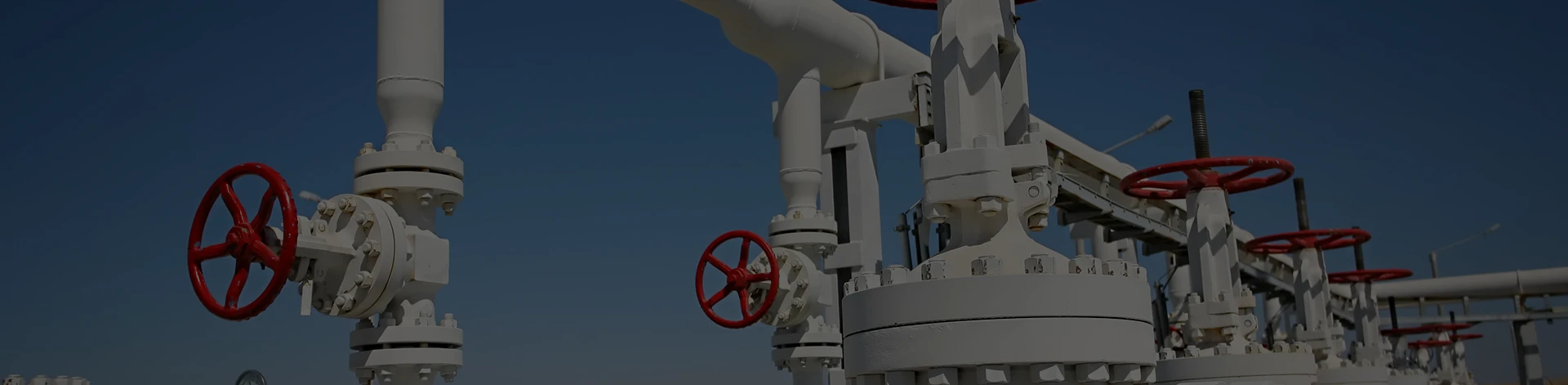
Comprehensive Guide to Axial Drum Fans: Features, Applications, and Future Trends
The Axial Drum Fan: Why It Matters in Today’s Global Industry
At first glance, an axial drum fan might sound like just another piece of industrial equipment — a bland cog in the vast machinery of global manufacturing. But scratch the surface and you’ll find it’s actually a quiet workhorse enabling everything from sustainable energy systems to harsh-environment ventilation that literally safeguards lives. Understanding the nuances of axial drum fans means appreciating how they tackle air movement challenges worldwide, from sprawling factories to emergency response setups. They play a surprisingly vital role in reducing energy waste, improving workplace safety, and even supporting humanitarian efforts.
Introduction: The Global Context of Axial Drum Fans
Globally, the ventilation market is massive and growing, forecasted by MarketsandMarkets to exceed $40 billion by 2027, with axial fans playing a significant role. Industrial sectors like mining, power generation, and manufacturing rely heavily on efficient airflow to maintain operations and mitigate hazards. The UN estimates that improved ventilation solutions can reduce workplace respiratory illnesses by up to 30%, especially in developing regions with dusty or toxic environments. Yet, many industries face challenges such as energy consumption spikes and equipment downtime due to inefficient fan designs. The axial drum fan addresses these by combining aerodynamic efficiency with rugged construction — plus, it’s remarkably scalable depending on the application.
Mini takeaway: In real terms, axial drum fans are a critical part of global efforts to balance industrial growth with health and sustainability goals.
What Exactly Is an Axial Drum Fan?
Simply put, an axial drum fan is a type of industrial fan that moves air along the axis of rotation. Unlike centrifugal fans that push air outward, axial drum fans draw or push air straight through the fan’s body, producing a continuous high-volume but relatively low-pressure airflow. A cylindrical housing, or “drum,” encases the blades, guiding the airflow and protecting the internals. This design is particularly popular in applications requiring robust ventilation with minimal footprint, such as tunnels, factories, or emergency shelters.
Its relevance today isn’t just industrial — humanitarian missions increasingly depend on axial drum fan technology for quick-deploy shelter ventilation and maintaining safe air quality in confined, temporary housing.
Key Features Defining Axial Drum Fans
1. Durability in Harsh Environments
Most axial drum fans are built to endure extreme conditions — whether acidic fumes in chemical plants or abrasive dust in mining operations. Corrosion-resistant materials and sealed housings ensure long life, even when maintenance access is limited. It’s fascinating how some vendors have developed coatings that extend life by years in coastal or desert environments.
2. Scalability and Size Variants
From compact units for portable ventilation to massive installations in power plants, these fans come in a range of sizes. Their modular design makes it easier to fit them into space-constrained areas without sacrificing airflow, which many engineers I've spoken to say is a game-changer.
3. Energy Efficiency
Efficiency is key for reducing operating costs. Axial drum fans rely on aerodynamic blade profiles optimized through computational fluid dynamics to minimize drag and noise. In industries chasing sustainability targets, electromechanical control systems further reduce power consumption, sometimes by as much as 15% compared to older fan models.
4. Maintenance and Serviceability
Because these fans often work in continuous or critical applications, downtime means big losses. Their easily accessible bearings, plug-and-play motor modules, and standardized parts make repairs straight-forward — fewer surprises when the on-site technician calls for parts.
5. Noise Reduction
Industrial fans can be noisy beasts. Axial drum fans, however, often include aerodynamic shrouds and silent bearings that bring down sound levels. This isn’t just about workplace comfort — lower noise levels can improve compliance with environmental standards too.
Product Specification Table
| Specification | Typical Range / Value |
|---|---|
| Airflow Capacity | 1,000–50,000 m³/hr |
| Blade Diameter | 0.5–3.0 meters |
| Housing Material | Galvanized steel, stainless steel, FRP |
| Motor Power | 0.5–30 kW |
| Noise Level | 70–85 dB (at 1 m) |
| Operating Temperature | -20°C to +60°C |
How Axial Drum Fans Are Changing the Game Worldwide
Industries across continents rely on axial drum fans in myriad ways. In Southeast Asia’s dense manufacturing hubs, these fans keep heat and hazardous fumes moving out of cramped factories. In Europe, large tunnels for trains and highways depend on them for ventilation, ensuring safety in long subterranean stretches. Oddly enough, they also play subtle yet crucial roles in humanitarian aid: in disaster-stricken areas of Africa, compact fans ventilate temporary housing units, making them more livable and helping combat respiratory diseases.
In mining operations in Australia and South America, axial drum fans are indispensable for creating breathable atmospheres deep underground. Plus, energy projects, such as biomass plants, rely on them to move air efficiently during combustion processes.
Mini takeaway: The axial drum fan isn’t just an industrial tool; it’s a global facilitator of health, safety, and operational efficiency.
Advantages & Long-Term Value of Axial Drum Fans
- Cost Savings: Lower energy consumption translates to direct savings.
- Environmental Benefits: Reduced carbon footprints via efficient airflow help industries meet sustainability goals.
- Reliability: Fewer breakdowns because of solid design mean less downtime and better productivity.
- Safety & Comfort: Clear air means healthier workers and reduced risk of accidents.
- Adaptability: They fit diverse industry needs, from deep mines to clean rooms, offering operational flexibility.
It’s worth emphasizing how these technical benefits ripple outward: protection of worker health leads to lower insurance claims, and consistent ventilation supports product quality and regulatory compliance. Many companies find that investing in these fans pays dividends beyond mere airflow—it’s about trust and peace of mind.
Looking Ahead: Innovations Shaping Axial Drum Fans
The future is buzzing with promises. Lightweight carbon-fiber blades are cutting fan inertia and improving start-stop performance. IoT sensors embedded in fans are enabling predictive maintenance that prevents surprise failures and optimize usage patterns. Then there's the push towards green power: solar or wind-powered fan drives are being trialed in off-grid locations, transforming the fan from just a component into part of an eco-system.
Regulatory frameworks worldwide are nudging manufacturers towards more environment-friendly designs, so expect axial drum fans to get quieter, more intelligent, and more efficient in the coming decade.
Challenges in Deployment and How Industry Is Responding
Not all’s rosy, of course. Sourcing corrosion-resistant materials can be expensive, especially for smaller operators. Integrating advanced control systems also adds complexity and requires skilled technicians. Plus, replacing older centrifugal fans with axial drum alternatives in existing plants can mean structural modifications. There's an upfront cost hurdle some firms hesitate at.
But the industry responds pragmatically. For instance, modular construction and plug-and-play electronics reduce installation complexity. New composites help cut costs without sacrificing performance. Also, collaborative frameworks between manufacturers and operators now improve knowledge-sharing to ease transitions.
Vendor Comparison: What to Look For When Choosing Axial Drum Fans
| Feature | Vendor A (IndustrialTech) | Vendor B (GreenFlow) | Vendor C (FanMakers) |
|---|---|---|---|
| Material Quality | Stainless Steel & Aluminum | FRP with UV coating | Galvanized Steel |
| Energy Efficiency | Up to 85% | Up to 80% | Up to 75% |
| Noise Level | 70 dB @ 1m | 75 dB @ 1m | 80 dB @ 1m |
| After-Sales Support | 24/7 global hotline | Regional offices | Online ticketing only |
| Typical Lead Time | 4–6 weeks | 6–8 weeks | 8–10 weeks |
Common Questions About Axial Drum Fans
- Q: What makes axial drum fans preferable over centrifugal fans in some applications?
- A: Axial drum fans excel when high volume and low pressure airflow is required, saving space and energy. Their direct axial flow is simpler and enables more compact installations compared to centrifugal fans, which are better for higher pressure but consume more power.
- Q: How do maintenance needs of axial drum fans compare to other industrial fans?
- A: These fans generally require less maintenance due to simpler blade and motor arrangements. Features like easily accessible bearings and modular motors allow quick servicing without specialized tools, reducing downtime.
- Q: Can axial drum fans be used in hazardous environments?
- A: Yes, many models are designed with explosion-proof motors and corrosion-resistant housings to meet safety standards in hazardous industrial settings such as chemical plants and mining sites.
- Q: Are axial drum fans energy efficient enough for sustainability certifications?
- A: Modern designs incorporate aerodynamic blade shapes and variable speed drives, helping facilities achieve energy savings qualifying for certifications like ISO 50001 and LEED.
Wrapping Up: Why Axial Drum Fans Deserve a Spot in Your Next Project
In sum, the axial drum fan is a bit like the unsung hero of air movement — versatile, reliable, and quietly powering everything from factories to emergency relief. When you consider their efficiency, durability, and growing role in sustainability, it’s clear they’ll keep gaining steam. Whether you’re an engineer specifying ventilation or an operations manager chasing uptime, these fans are worth a serious look. For more detailed information or tailored solutions, feel free to visit our website: https://www.longxuanfrp.com.
References






Address
20 Xingyuan South Street, Zaoqiang County, Hengshui City, Hebei Province, China


