



We Are Open 24 Hours a Day, 7 Days a Week, Including Weekends and Public Holidays.

Caustic Storage Tank – Corrosion‑Resistant, Leak‑Proof
Field Notes on Choosing a Caustic Storage Tank (and Why FRP Keeps Winning)
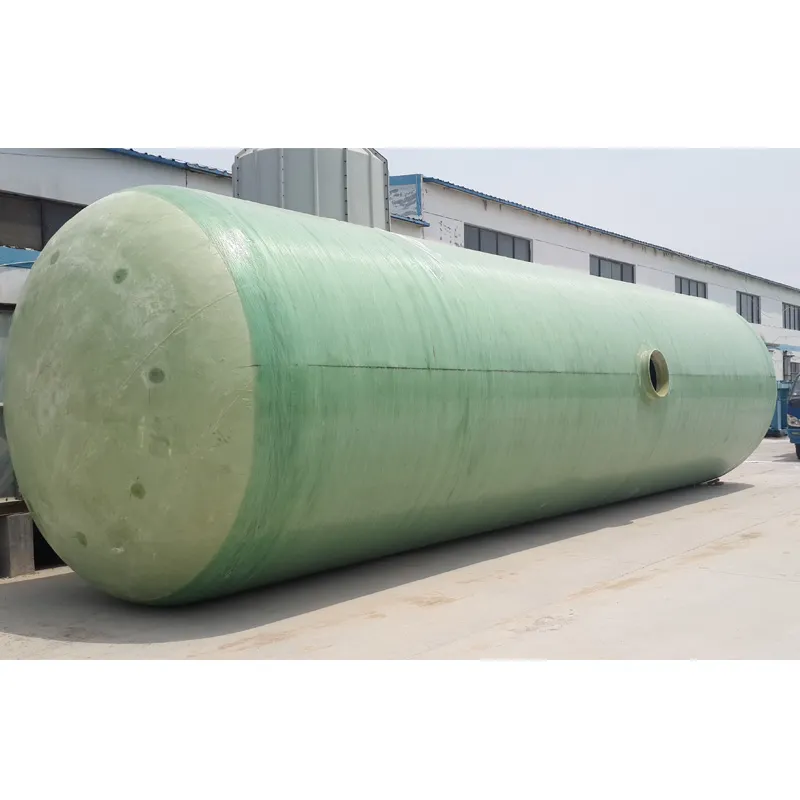
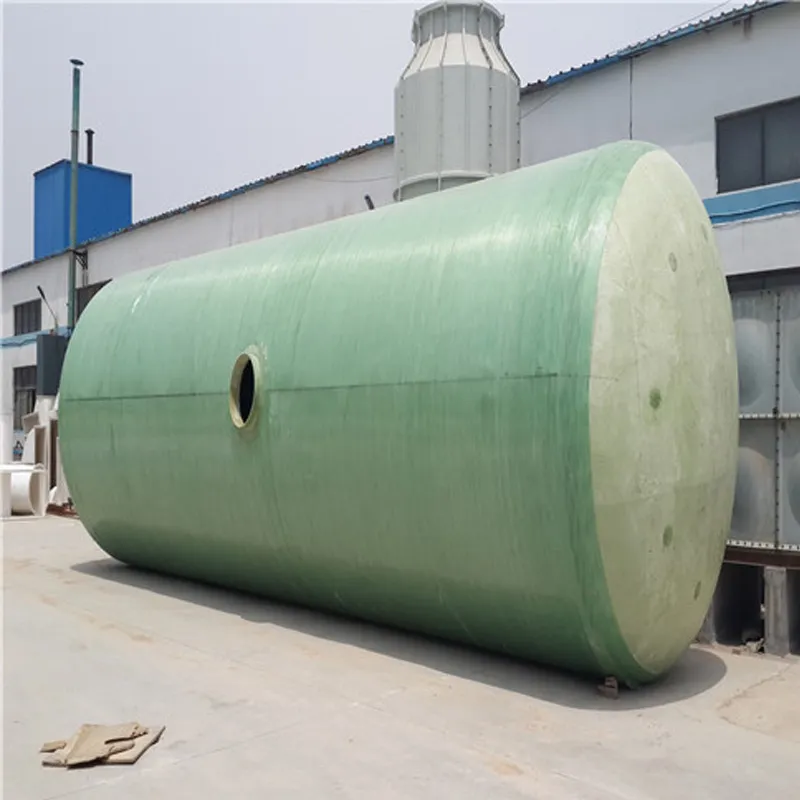
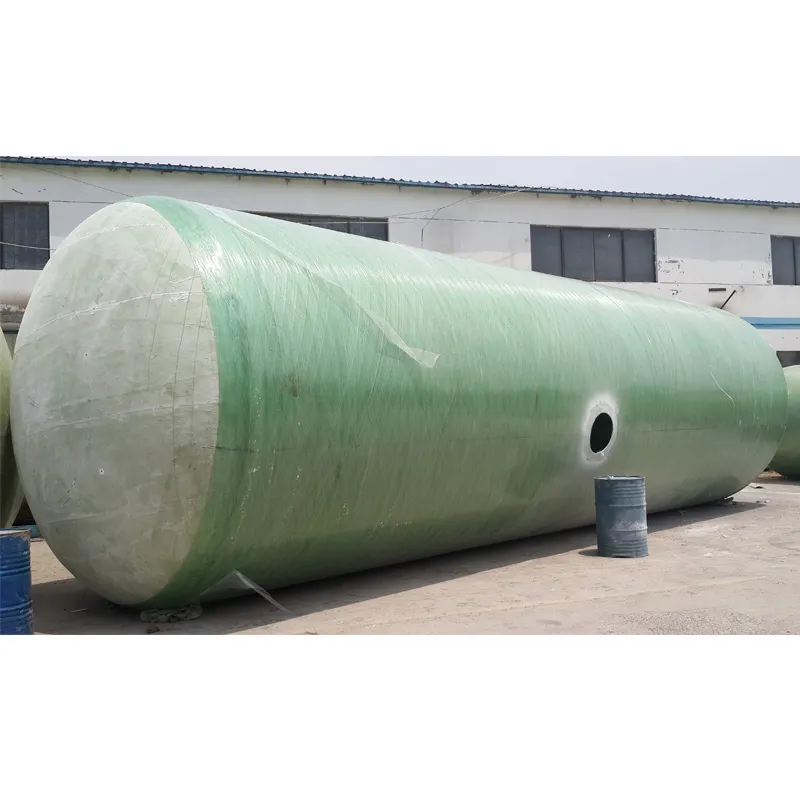
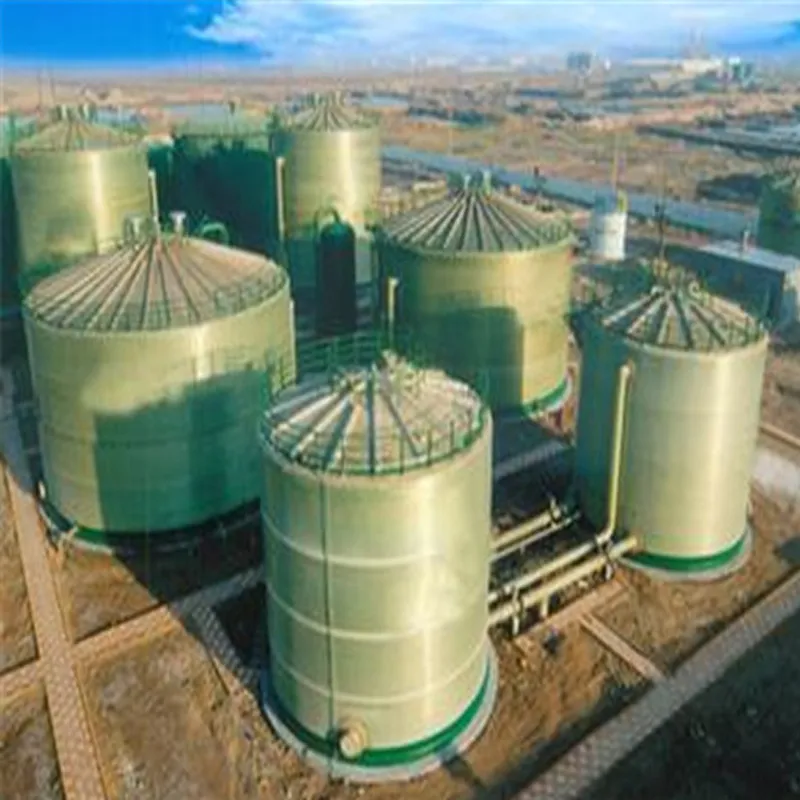
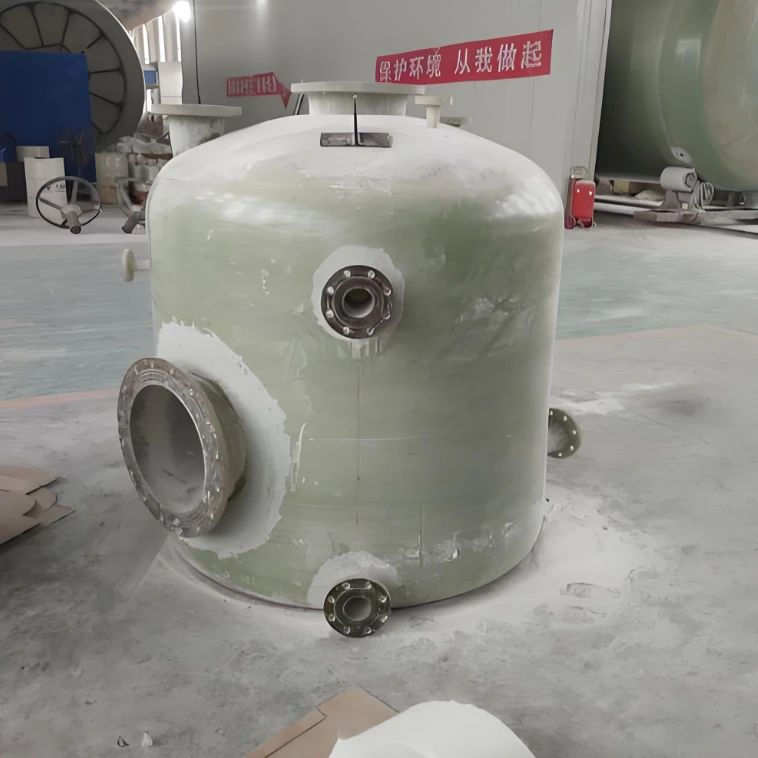
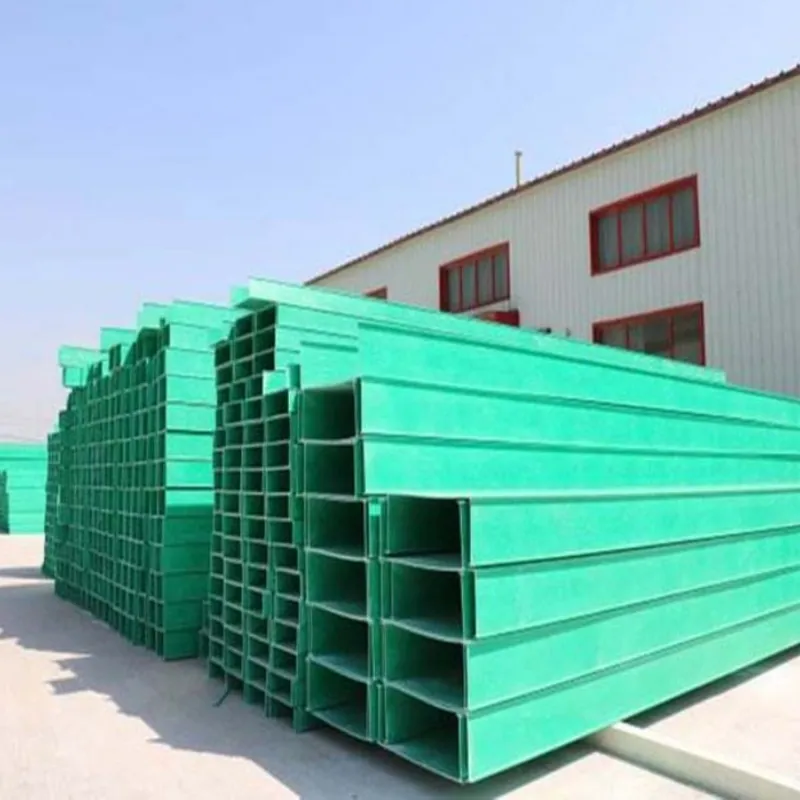
If you’re scanning the market for a caustic storage tank, you’ve probably noticed the same thing I have over the last few years: composite tanks—especially FRP—are quietly replacing lined steel in many plants. To be honest, it’s not hype; it’s about lifecycle cost, reliability, and fewer maintenance headaches. Below is what I look for when evaluating options, plus real-world specs from Longxuan’s FRP Alkali Storage Tank, made in Hebei, China.
Industry trends I keep hearing about
- Shift from lined steel to FRP for 20–50% NaOH due to corrosion resistance and simpler maintenance.
- More plants standardize on vinyl ester resins; epoxy vinyl ester for higher temp margins.
- Sensors by default: overfill prevention, vent scrubbers, and level transmitters integrated from day one.
Product snapshot: FRP Alkali Storage Tank
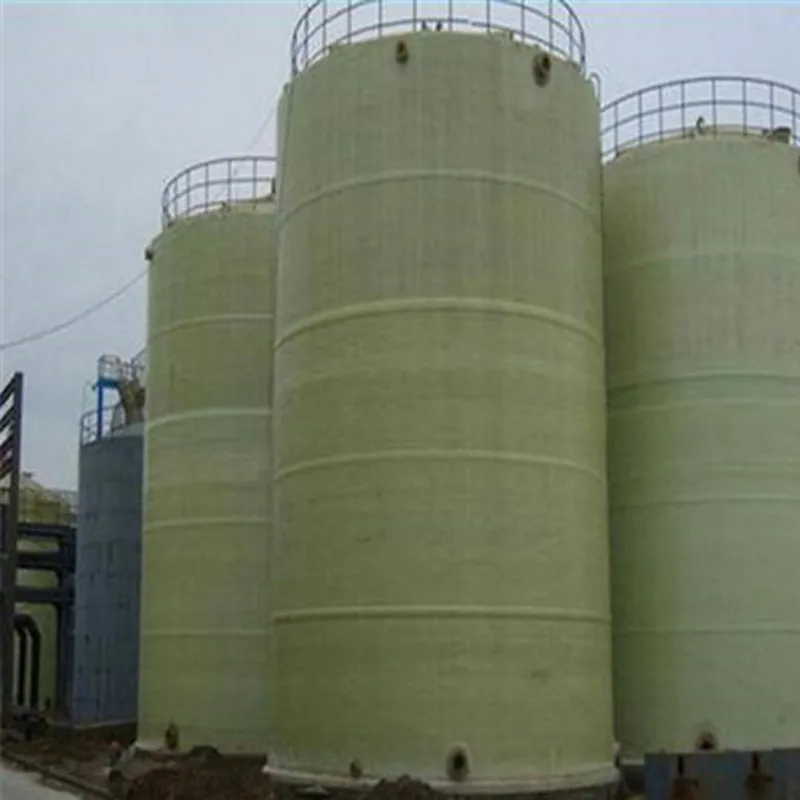
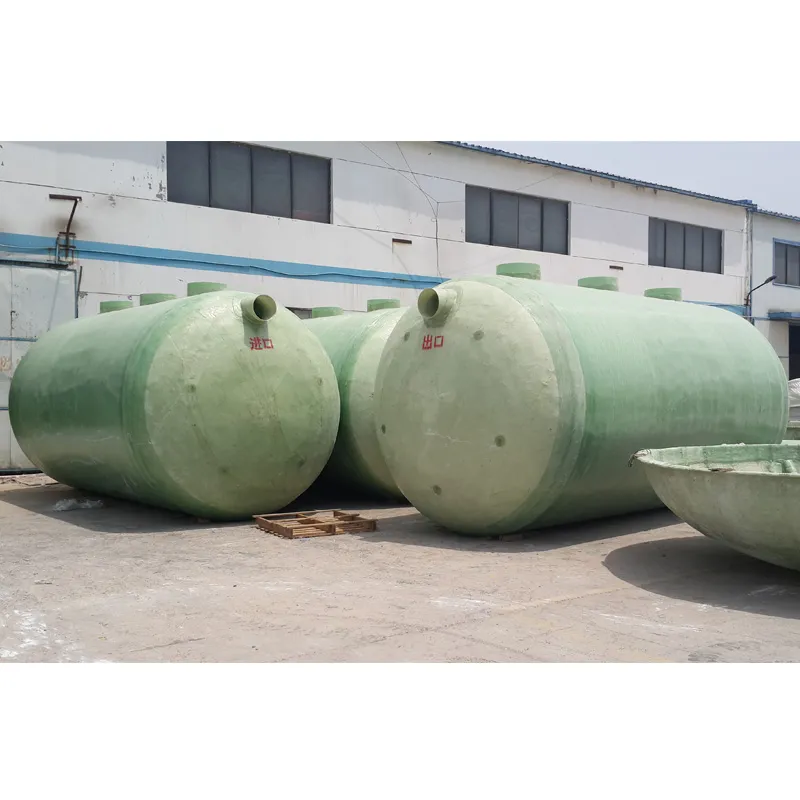
Origin: 20 Xingyuan South Street, Zaoqiang County, Hengshui City, Hebei Province, China. Volume range: 0.5–500 m³. Typical use: chemical/utility water, rainwater, backwash, food & beverage, and yes—alkali service.
| Parameter | Specification (≈ means typical) |
|---|---|
| Capacity | 0.5–500 m³ |
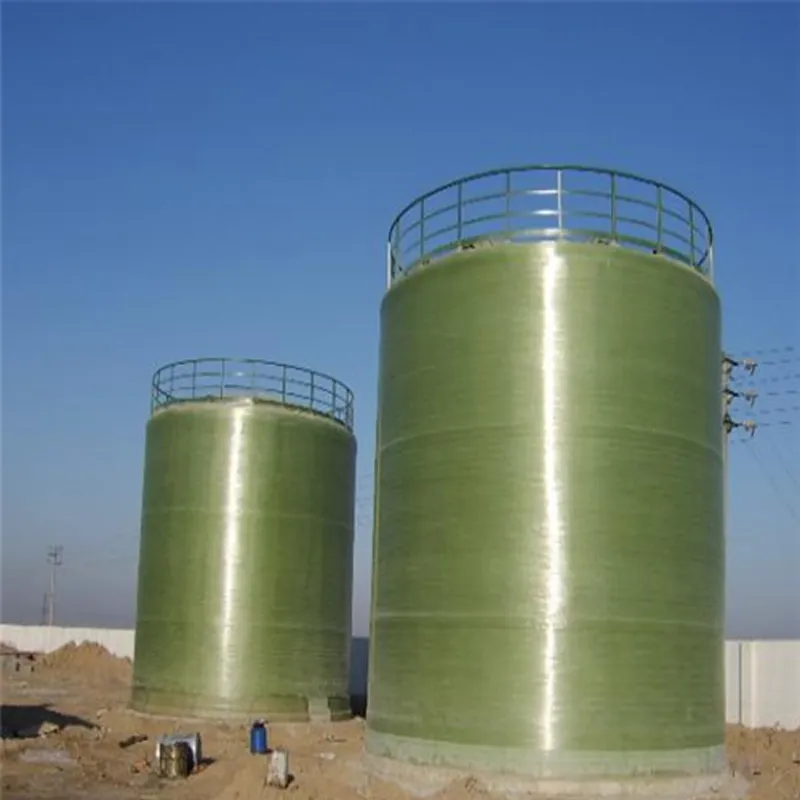
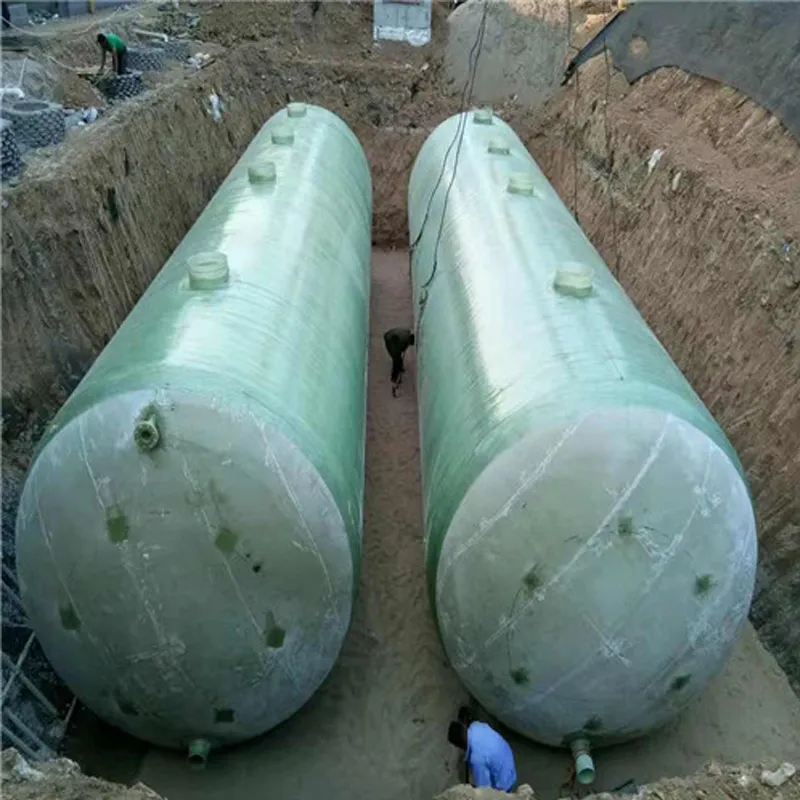
| Configuration | Vertical or horizontal, atmospheric (≤0.1 MPa) |
| Resin system | Vinyl ester or epoxy vinyl ester for NaOH |
| Corrosion barrier | ≈3–5 mm C-glass veil + mat (ASTM D3299/D4097) |
| Structural laminate | Designed per load; ≈6–20 mm real-world |
| Design temperature | Up to ≈80°C for NaOH concentrations commonly stored |
| Standards | ASME RTP-1, ASTM D3299/D4097, EN 13121 (as applicable) |
| QA tests | Hydrostatic fill, Barcol hardness ≥35, spark test liner |
| Service life | ≈15–25 years with routine inspection |
How it’s built and verified
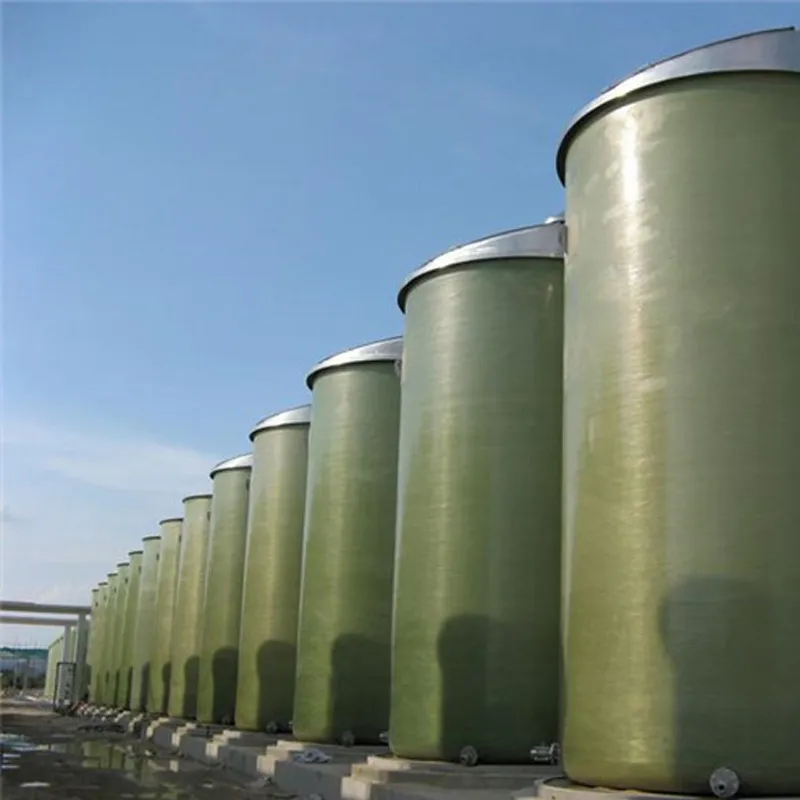
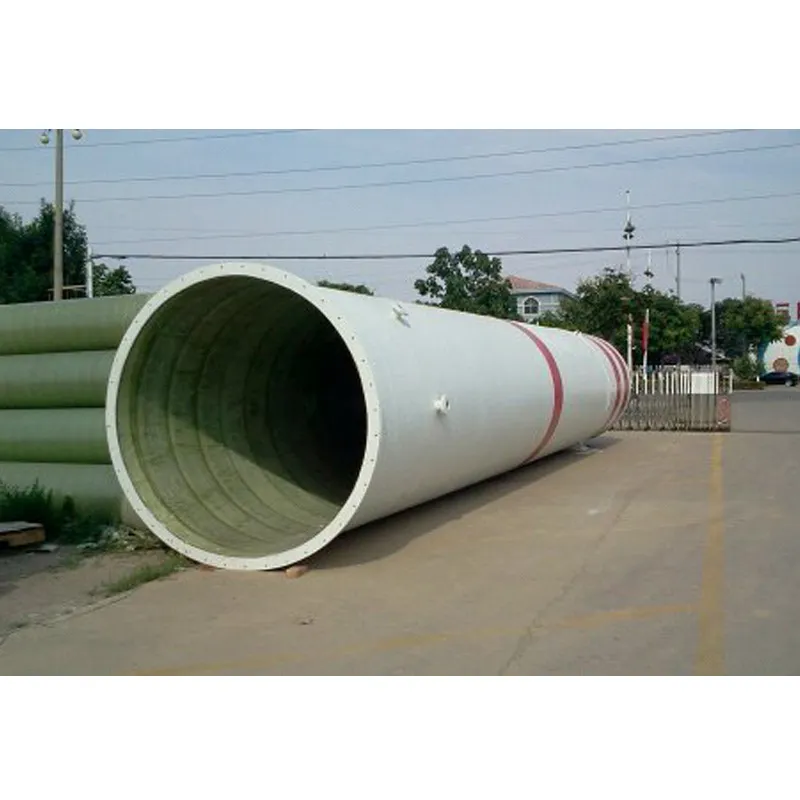
Materials: corrosion-grade VE/epoxy VE resin, C-glass veil, ECR glass, UV topcoat. Methods: filament winding for shell, hand layup for nozzles and corrosion barrier, post-cure per resin TDS. Testing: laminate qualification coupons, Barcol hardness checks, thickness mapping, hydrostatic test, holiday/spark test on liner. Documentation: MTRs, WPS/PQR equivalents per ASME RTP-1. I guess the key is traceability—many customers say that’s what saves audits.
Where these tanks end up
- Caustic dosing in water treatment (raw, treated, backwash)
- Food & beverage CIP caustic storage
- Pharmaceutical utilities
- Fire protection and utility water, rainwater harvesting, irrigation, fountains
Why FRP for a caustic storage tank?
- Corrosion resistance out of the box—no liner to blister.
- Lightweight, faster install, fewer crane hours.
- Custom nozzles, scrubber-ready vents, and double-wall options.
- Lower lifecycle cost; fewer unplanned shutdowns (surprisingly consistent across sites).
Vendor comparison (quick take)
| Vendor | Material | Standards | Design Temp | Warranty | Lead Time |
|---|---|---|---|---|---|
| Longxuan FRP (Hebei) | FRP (VE/epoxy VE) | ASME RTP-1, ASTM D3299/D4097, EN 13121 | ≈80°C | 12–24 months | ≈3–8 weeks |
| Vendor A (lined steel) | CS + rubber/PVDF lining | API 650 + lining spec | ≈70–80°C | 12 months | ≈6–12 weeks |
| Vendor B (HDPE) | HDPE XLPE | Factory QA, no tank code | ≈50–60°C | 12 months | ≈2–6 weeks |
Customization for your caustic storage tank
- Nozzles: FRP/PP/PVDF/316L-lined flanges; anti-siphon and overflow.
- Double-wall, leak monitoring, heat tracing, insulation.
- Accessories: level transmitters, high-high alarms, vent scrubbers, ladders, platforms.
Field results and feedback
- Municipal WTP (Asia): reported 30% fewer maintenance callouts after switching to FRP caustic storage.
- F&B plant (EU): CIP caustic storage tank added vent scrubbing; odor complaints dropped to near-zero.
Customers mention smoother audits when documentation matches ASME RTP-1 and EN 13121 files. Certifications like ISO 9001/14001/45001 are typically available on request.
Compliance and test data (snapshot)
Typical liner spark test at 10–12 kV; Barcol hardness ≥35; hydrostatic fill for 24 h with zero visible weep; laminate thickness verified with UT. Design basis often references ASME RTP-1, ASTM D3299 (filament-wound), ASTM D4097 (contact-molded), and EN 13121. For connected piping, ISO 14692 is a helpful companion.
If you need a straight answer: for most NaOH services I see, an FRP caustic storage tank balances safety, budget, and longevity. Site specifics matter; real-world use may vary—so get the chemistry, temperature, and local code profiles nailed down before final design.
Citations






Address
20 Xingyuan South Street, Zaoqiang County, Hengshui City, Hebei Province, China


