



We Are Open 24 Hours a Day, 7 Days a Week, Including Weekends and Public Holidays.

Axial Flow Fan for Sale: High CFM, Low Noise—In Stock?
FRP Axial Flow Fan Buying Guide: What Matters (and What Doesn’t)
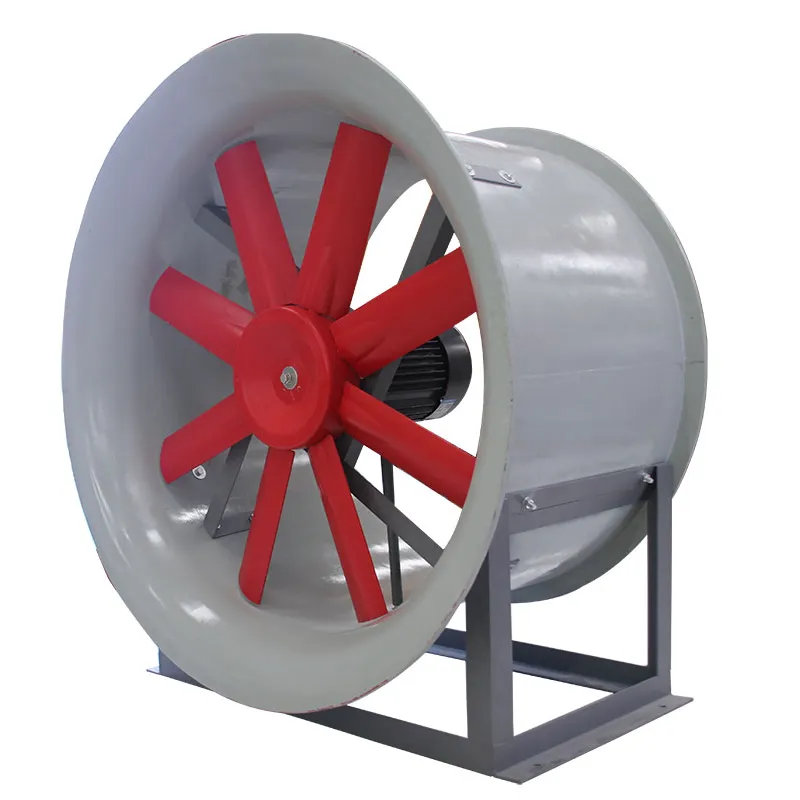
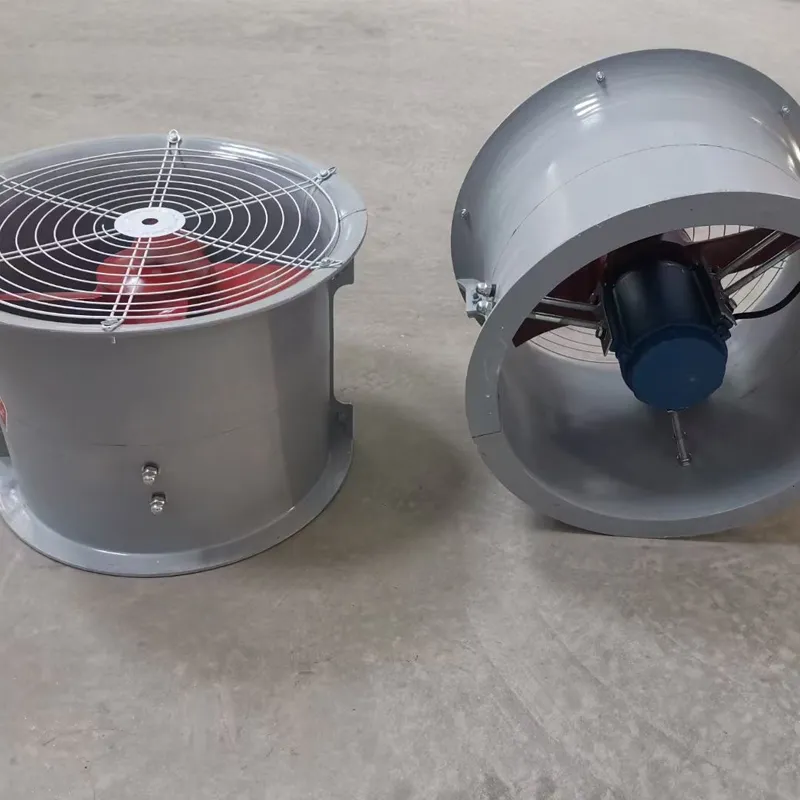
If you’ve been hunting for an axial flow fan for sale that won’t corrode in six months, you’re not alone. I recently revisited a workshop in Hebei—20 Xingyuan South Street, Zaoqiang County, Hengshui City, China—where FRP (fiber-reinforced plastic) units have quietly become the favorite in chemical and wastewater sectors. The model on my docket: the Frp Axial Flow Fan. It’s not flashy. It just…works.
What’s driving the switch to FRP?
Corrosion, plain and simple. Chemical fumes and saline air chew through painted steel. FRP with vinyl-ester resin resists acids/alkalis, cuts maintenance, and pairs nicely with IE3/IE4 motors and VFDs. To be honest, the total cost of ownership is where FRP wins—especially in places like chemical plants, sewage treatment facilities, and food processing lines.
Core specs at a glance
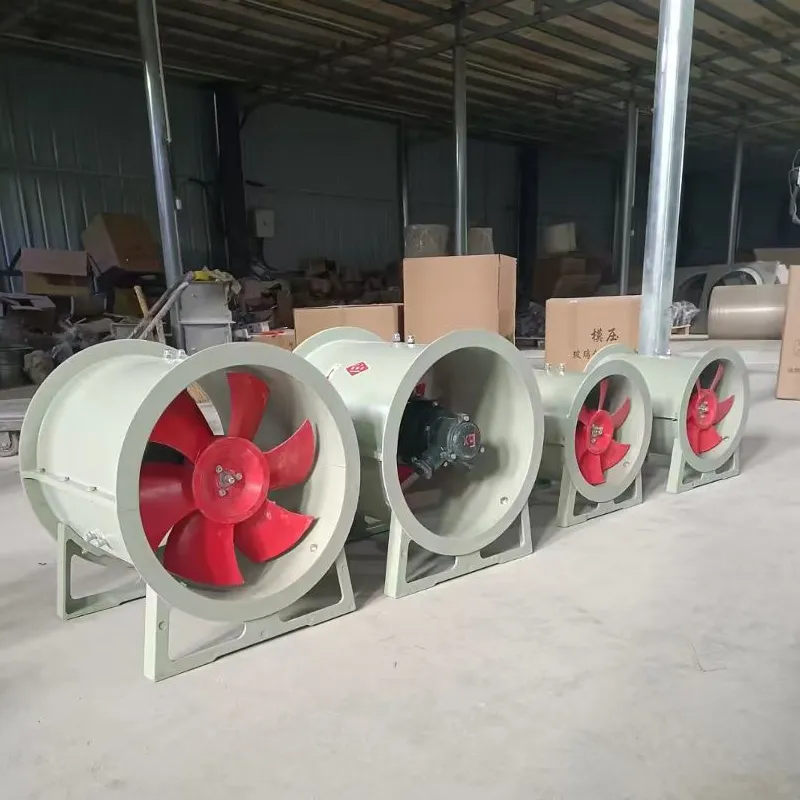
Air volume spans roughly 500–300,000 m³/h, which covers everything from lab exhaust to big hall ventilation. Below is a snapshot that many buyers ask for:
| Parameter | Typical value (≈, real-world use may vary) |
|---|---|
| Air volume | 500–300,000 m³/h |
| Static pressure | 120–1,800 Pa |
| Blade/Case material | FRP (vinyl-ester), UV-stabilized gelcoat |
| Shaft/Bolts | SS304/SS316 options |
| Motor | IE3/IE4, IP55–IP65, VFD-ready |
| Noise | ≈65–83 dB(A) @ 1 m |
| Operating temp | -20 to +80°C (higher on request) |
Where these fans thrive
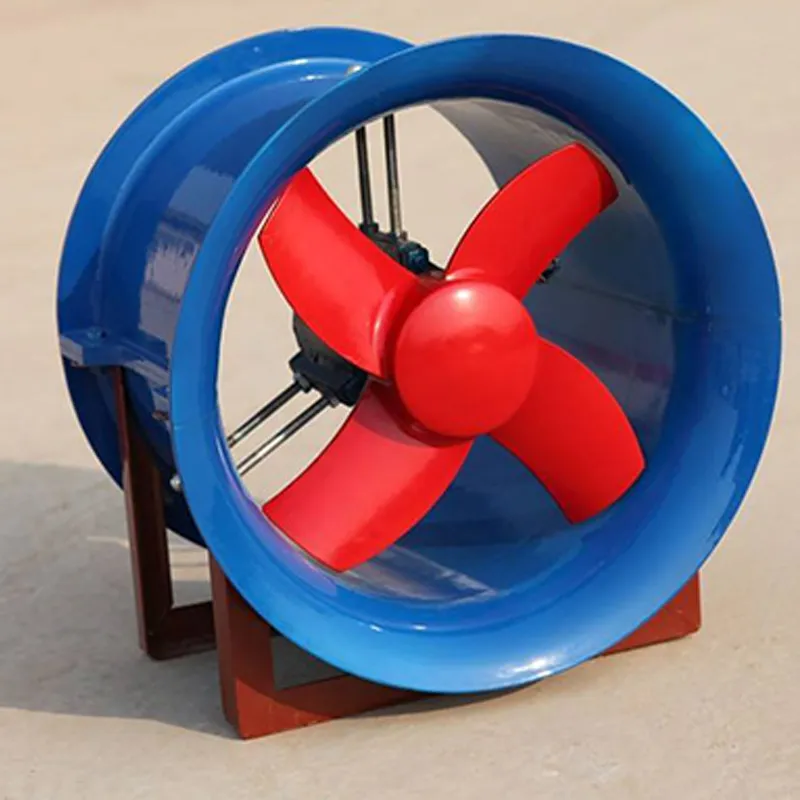
Chemical plants, sewage treatment plants, petrochemical, pharma, power stations, food processing, paper & textile mills, paint/coating lines, electronics, printing, leather processing—anywhere corrosive gases lurk. Many customers say they picked FRP after their third steel fan failed. I get it.
How it’s built (and tested)
Materials: vinyl-ester resin, E-glass fabric, anti-UV gelcoat, SS316 hardware. Methods: hand lay-up + filament winding for casings, precision machining for hubs, dynamic balancing to ISO 21940 (G6.3 or better). Post-cure at ≈80–100°C for resin stability.
Testing: air performance by ISO 5801 / AMCA 210; mechanical safety per ISO 14694; electrical to IEC 60034; optional salt-spray (ASTM B117). Typical service life: 15–20 years with preventive maintenance. Certifications available: CE; ATEX motors on request for Zone 1/2.
Field notes and quick case studies
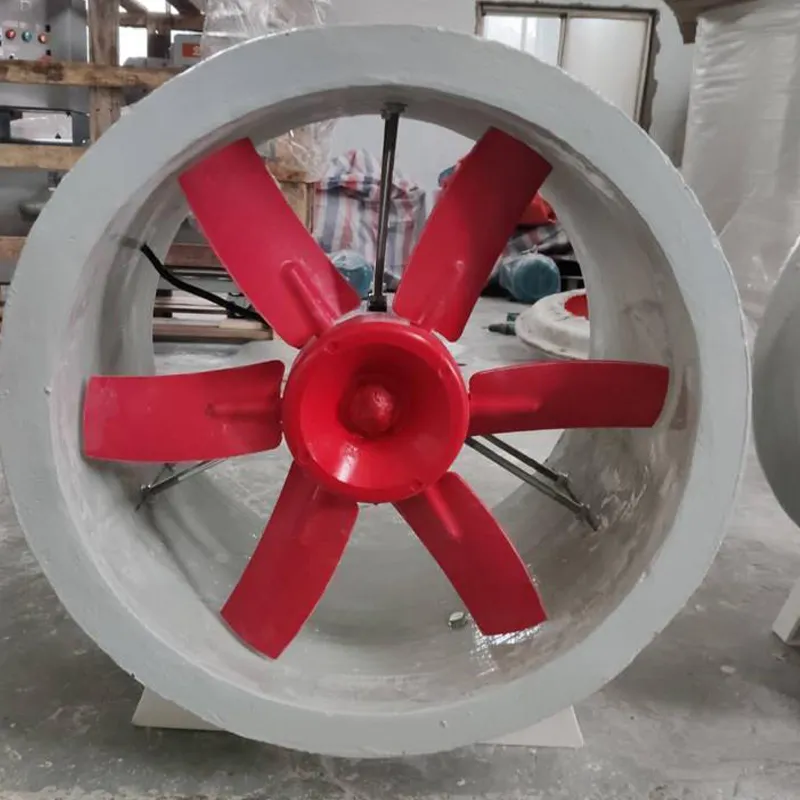
Case A (sewage plant blower room): 46,000 m³/h @ ≈420 Pa, FRP blades, IE3 18.5 kW motor. Energy draw dropped ~11% after VFD tuning to 48 Hz. Operators mentioned “no more rust flakes.”
Case B (acid mist in PCB line): 12,000 m³/h @ ≈900 Pa with SS316 shaft and ATEX motor. After 14 months, visual inspection showed intact gelcoat; vibration held at 3.2 mm/s RMS (ISO 10816 limit compliance).
Vendor comparison (what I usually check)
| Vendor | Material/Build | Certs/Testing | Lead time | Notes |
|---|---|---|---|---|
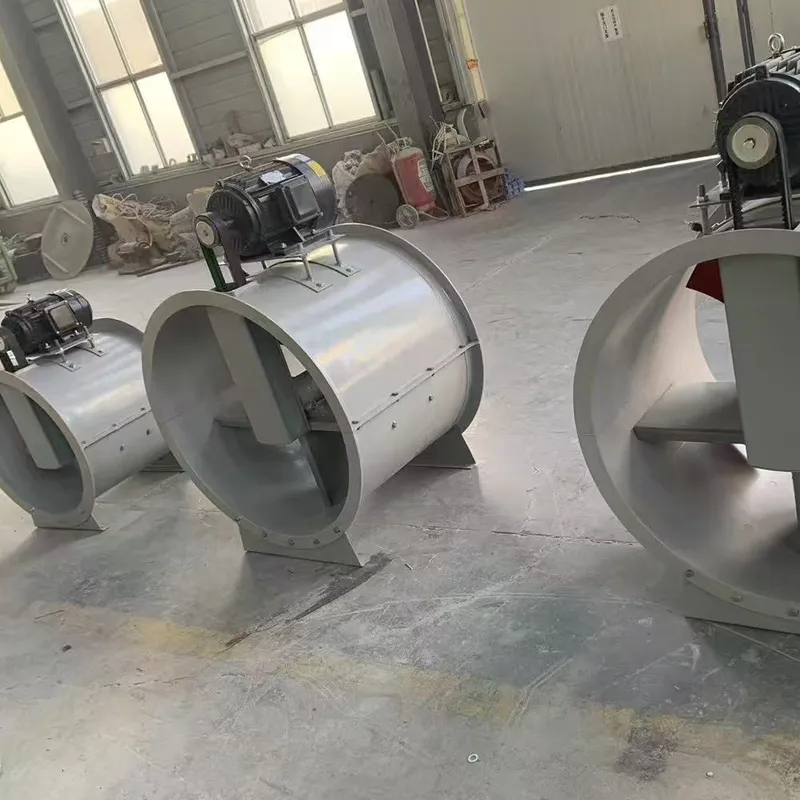
| Longxuan FRP (Hebei) | FRP VE resin, SS316 options, balanced G6.3 | ISO 5801/AMCA 210 test reports; CE; ATEX motors | ≈2–5 weeks | Good on customization; fair spares pricing |
| Generic Steel Fan | Painted carbon steel | Basic factory test | ≈1–3 weeks | Lower capex; higher corrosion risk |
| Import Brand FRP | FRP, premium fit/finish | AMCA certified ranges | ≈6–10 weeks | Higher price; strong documentation |
Customization and installation tips
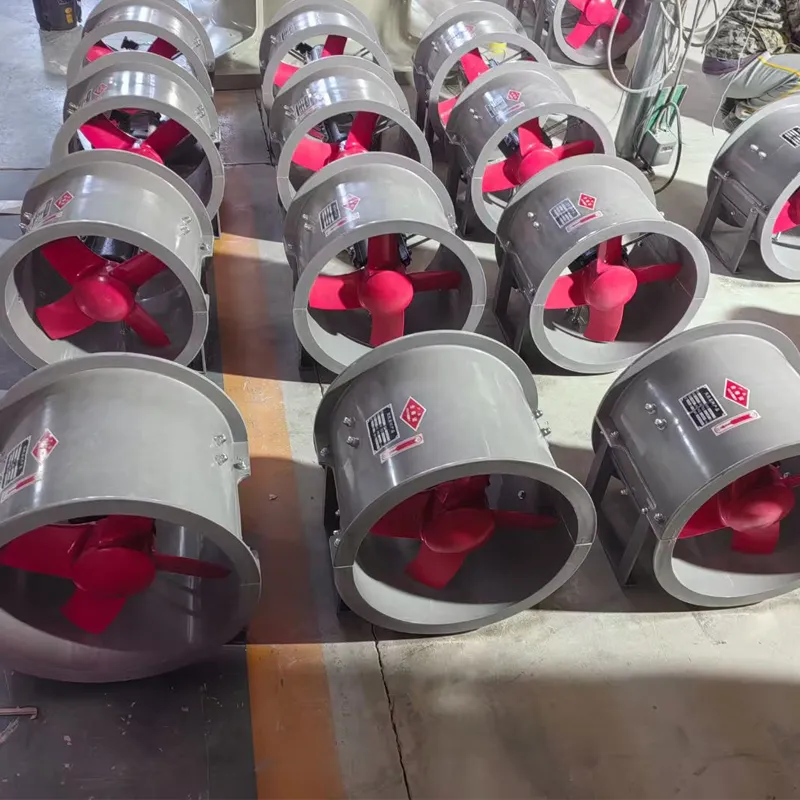
Options: flanges in ANSI/DIN, dampers, removable inlet cones, epoxy topcoats, anti-spark tips, sound attenuators, NEMA or IEC motors, stainless base frames. For corrosive duty, specify resin grade and thickness (ask for DFT). Also, align to ISO 14694 categories and get a performance curve per ISO 5801—don’t accept “it should be fine,” because, well, it often isn’t.
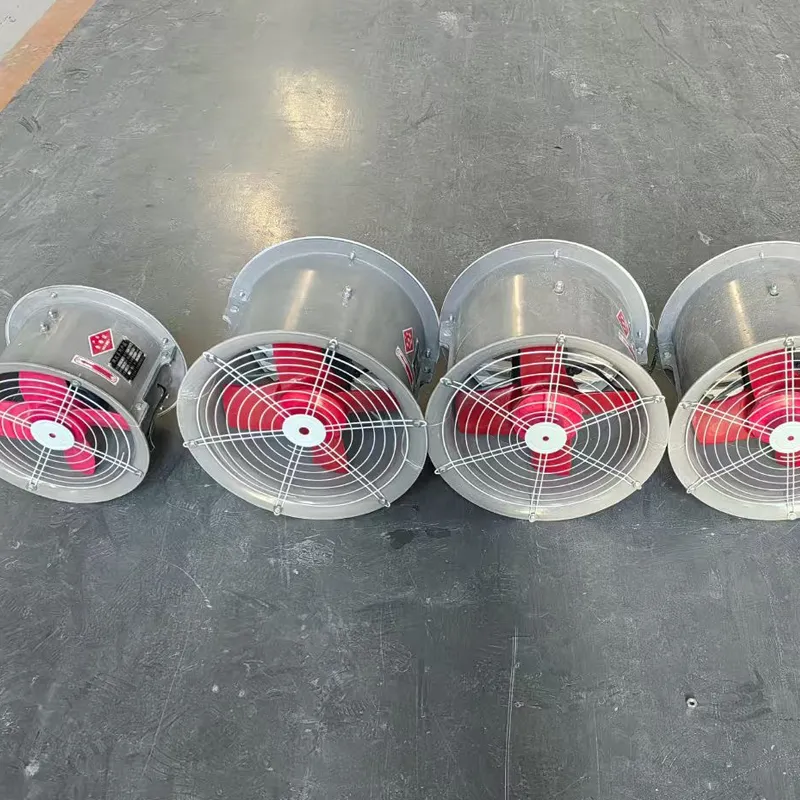
Final thought: if you need an axial flow fan for sale that survives acid mist and keeps energy bills sane, FRP is a sensible bet. Many facilities report fewer shutdowns and cleaner ducts. I guess reliability isn’t glamorous, but it saves budgets.
Authoritative citations






Address
20 Xingyuan South Street, Zaoqiang County, Hengshui City, Hebei Province, China


