



We Are Open 24 Hours a Day, 7 Days a Week, Including Weekends and Public Holidays.


A Comprehensive Guide to Square Water Tank Price 500 Litre – Cost, Features, and Applications
Understanding Square Water Tank Price 500 Litre: A Practical Insight
Water storage solutions have come a long way, especially when it comes to residential, agricultural, and industrial needs. Among these, the square water tank price 500 litre plays a unique part in providing efficient water storage that is both cost-effective and adaptable. From rural water irrigation to urban rooftop setups, knowing the right tank size and pricing helps decision-makers plan better and avoid wastage.
Globally, access to clean water storage remains a pressing challenge. According to the United Nations, nearly 2.2 billion people lack safe drinking water at home. Proper water storage, hence, is not just a technical choice but a humanitarian imperative. The 500-litre square water tank option offers a practical volume—large enough to serve small communities or homes, yet compact enough for constrained spaces.
Why the 500 Litre Square Water Tank Matters Worldwide
While it might seem a niche product, its affordability and shape make it a go-to solution for many developing regions and industries. The square design maximizes space usage, especially when water tanks need to be lined up or stacked. Frankly, it also simplifies transport and installation, crucial where infrastructure is limited.
Statistics from the World Bank highlight water-related infrastructure investments that increasingly prioritize modular, mass-producible components—exactly where square 500-litre tanks come in handy. Yet, pricing always strikes a delicate balance: the tank must be affordable without compromising durability or safety.
Defining the Square Water Tank 500 Litre
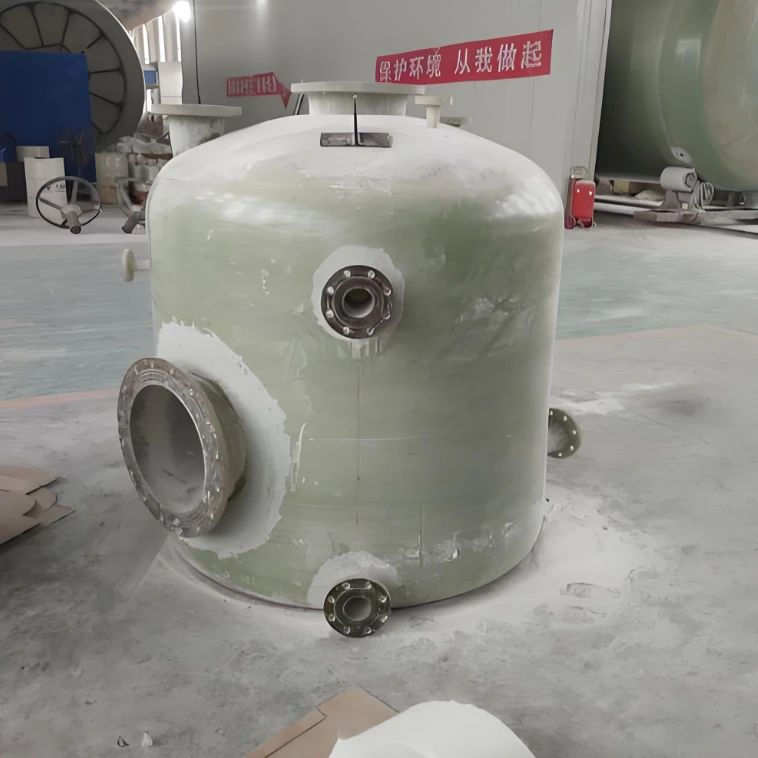
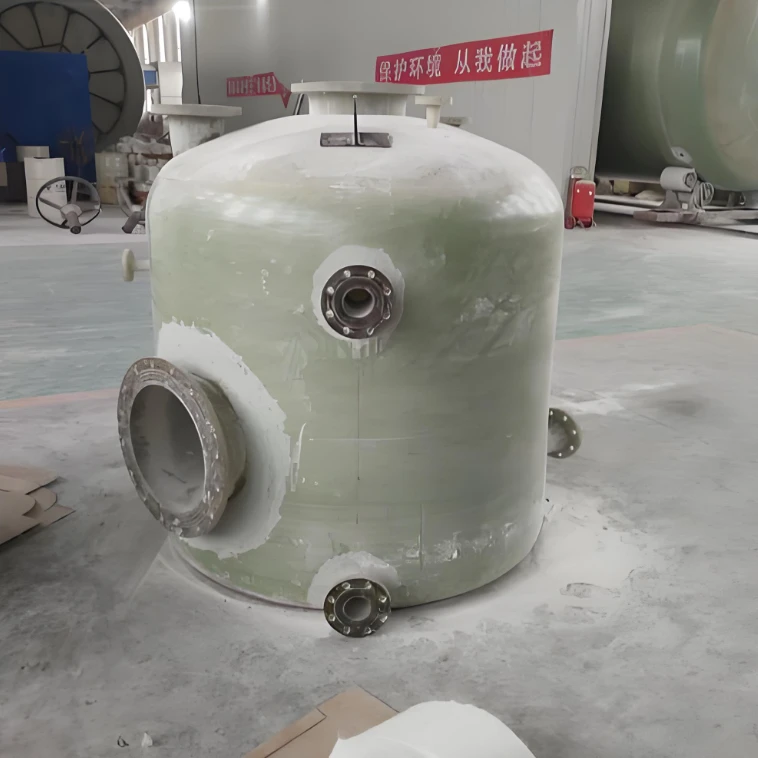
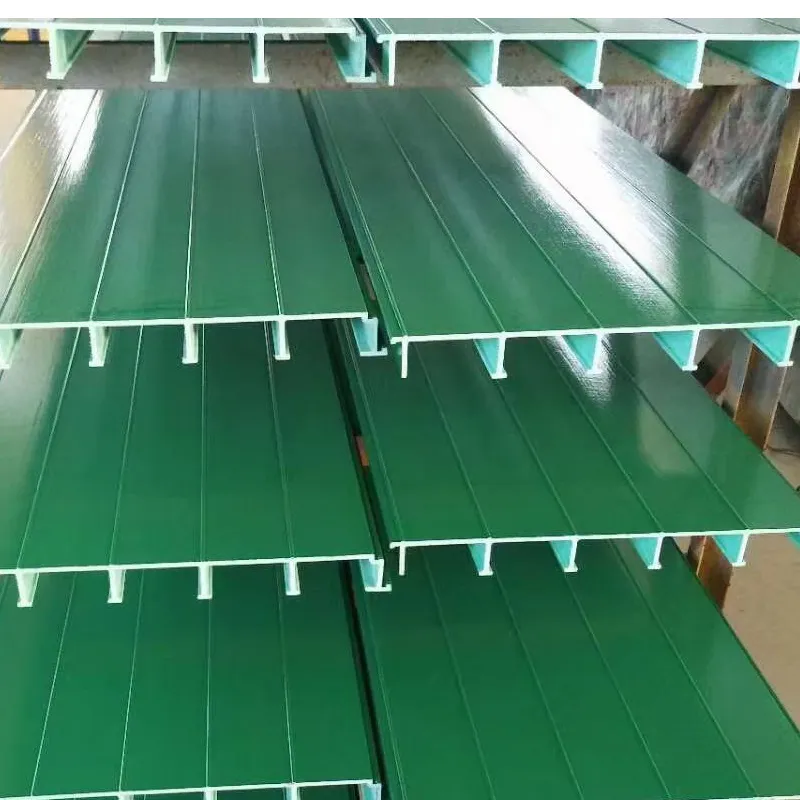
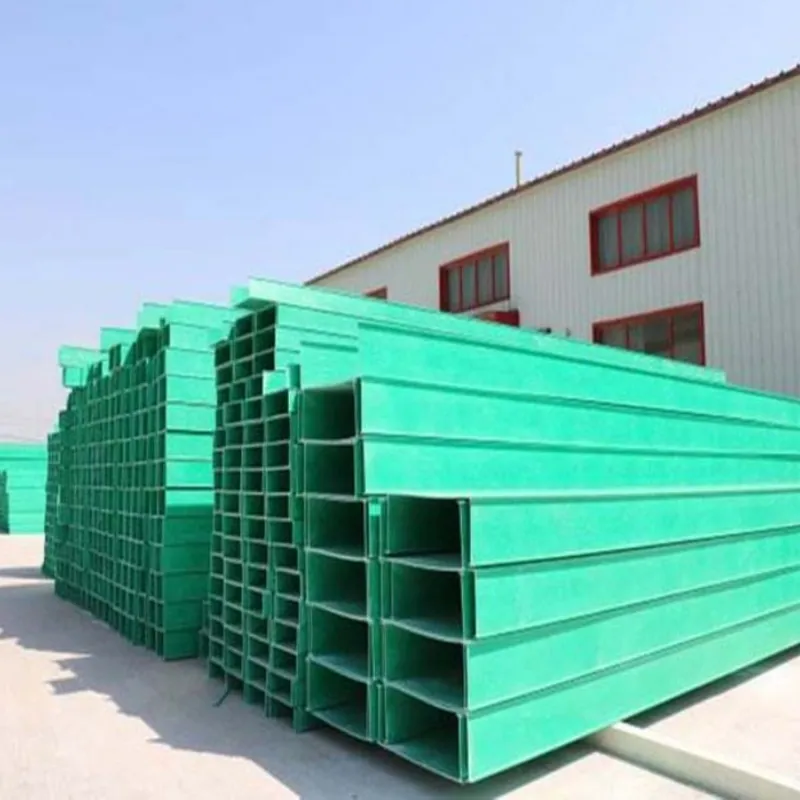
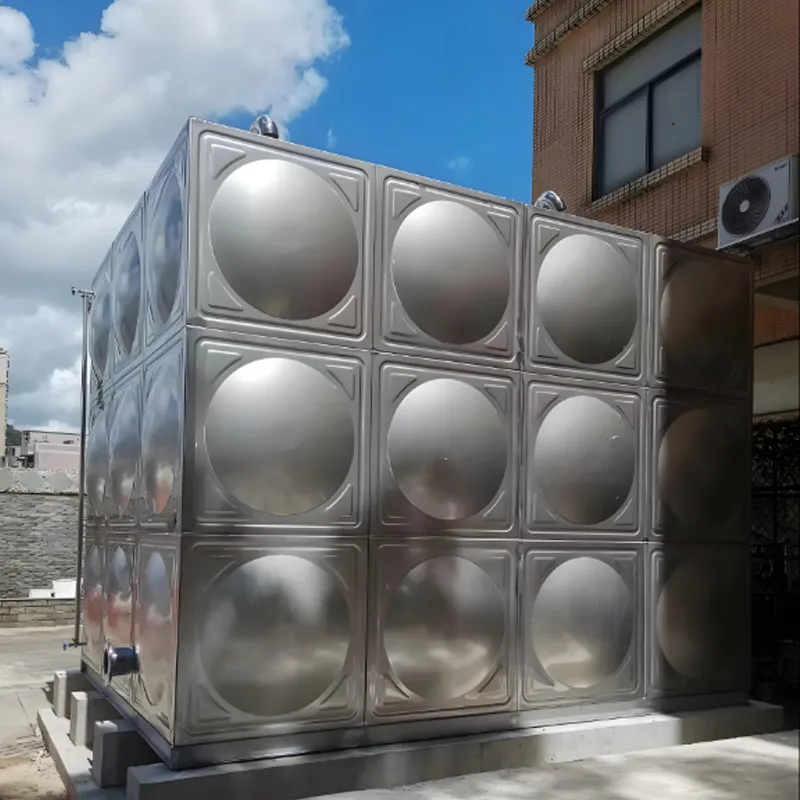
Simply put, this is a water storage container with a volume capacity of 500 liters and a square (or cuboid) shape. Unlike cylindrical tanks, square tanks offer better space utilization where flat surfaces exist, like rooftops or platforms. Made commonly from durable plastic materials like polyethylene or fiber-reinforced polymers (FRP), these tanks are designed to resist chemicals, UV rays, and physical wear over years.
In broader terms, these tanks connect with modern water management systems that emphasize decentralized storage. Whether part of rainwater harvesting or emergency relief, their compact footprint and reasonable price point make them a reliable resource.
Key Factors Affecting Square Water Tank Price 500 Litre
1. Material Quality
The choice of raw material heavily influences cost. Polyethylene tanks are usually cheaper but might degrade faster under sun exposure. FRP tanks cost more initially but offer unmatched durability—thought crucial in harsh climates.
2. Manufacturing Process
Rotational molding or injection molding affects precision and cost. More advanced manufacturing means higher price but fewer defects.
3. Design & Features
Features like UV protection layers, reinforced walls, or custom fittings add to pricing but improve longevity and usability.
4. Size Efficiency
500 litres is a sweet spot—large enough for families and small businesses but still portable. Larger tanks can benefit from economies of scale but become unwieldy for some sites.
5. Vendor Location & Logistics
Shipping bulky tanks or sourcing materials locally impacts final pricing—something not always obvious to buyers at first glance.
Product Specifications at a Glance
| Specification | Details |
|---|---|
| Capacity | 500 litres |
| Shape | Square / Cuboid |
| Material | Polyethylene / FRP options |
| UV Protection | Available |
| Dimensions | Approx. 80 x 80 x 80 cm (varies by model) |
| Weight (Empty) | ~12-20 kg (material dependent) |
Mini Takeaway: The square water tank 500 litre blends size, shape, and material choices that ultimately influence price and suitability for various applications.
Global Applications & Use Cases
Across continents, these tanks fill various gaps. In South Asia and Sub-Saharan Africa, they commonly serve in rural homes for drinking water storage and irrigation—often integrated with rainwater harvesting systems. In urban settings of Southeast Asia, rooftops leverage square tanks for emergency storage or gardening needs.
Organizations like the Red Cross and UNICEF often rely on these sized tanks for relief missions: they’re easily shipped, transported, and rapidly deployed to disaster-hit zones. Oddly enough, the simple geometry actually speeds up stacking and storage in warehouses.
In industrial zones, they’re used for chemical storage or process water, benefiting from the availability of FRP variants that resist corrosion. The adoption among small-to-medium enterprises (SMEs) offering minimalist solutions for water management is growing, particularly where space is a premium.
Vendor Comparison Table
| Vendor | Material Options | Price Range (USD) | Warranty | Special Features |
|---|---|---|---|---|
| LongXuan FRP | Polyethylene / FRP | $70 - $120 | 5 years | UV stabilization, corrosion resistance |
| FlexiTanks Co. | Polyethylene only | $60 - $100 | 3 years | Lightweight, stackable design |
| AquaTanks Ltd. | FRP only | $90 - $140 | 7 years | High chemical resistance, custom colors |
Advantages & Long-Term Value
The biggest win with the square 500-litre tank is undoubtedly the balance of cost, durability, and footprint. It’s easy to place—it “fits” neatly in tight urban areas or alongside farming plots. On cost, these tanks provide water security without heavy upfront infrastructure.
From a sustainability lens, many manufacturers incorporate UV stabilizers and recyclable polymers, which ultimately reduce environmental impact. Plus, ease of maintenance means users gain peace of mind—no one wants to worry about leaks or contamination.
These tanks also support emotional well-being by ensuring water availability, a basic necessity that fosters safety and dignity at home or work.
Future Trends & Innovations
Looking ahead, innovation in this sector includes integrating smart sensors that measure water levels remotely. Solar-powered purification modules attached to these tanks are rising in popularity, allowing cleaner water in areas without centralized treatment.
Materials science is pushing boundaries too—bio-based plastics and enhanced FRP composites could cut costs and environmental footprint further. Policy-wise, increased global emphasis on water conservation and sustainable urban planning might drive demand for such modular tanks.
Challenges & Solutions
No product is perfect. Common issues include UV degradation for cheaper tanks, leakage from poorly molded seams, and logistical hurdles in remote delivery.
Expert installers recommend choosing certified vendors (like LongXuan FRP) who match material choice with environment and provide prompt installation support. Reinforced seals and anti-UV coatings show promise to overcome those old headaches.
FAQ: Frequently Asked Questions About Square Water Tank Price 500 Litre
- What affects the price of a 500 litre square water tank most?
Material type, manufacturing technique, and added features like UV protection and fittings generally play the biggest role. - How long do these tanks typically last?
With quality materials and proper maintenance, 7 to 10 years is common, sometimes longer. - Can I use a 500 litre tank for rainwater harvesting?
Absolutely. The size is ideal for household-scale rainwater collection, especially on smaller roofs. - Are square tanks better than round tanks?
Square tanks optimize space better when placed side-by-side or on flat surfaces, while round tanks handle pressure more uniformly. It depends on your needs. - Where can I find reliable vendors for these tanks?
Look for manufacturers with clear warranty policies and certifications, such as LongXuan FRP.
Conclusion
To summarize, understanding the square water tank price 500 litre isn’t just about finding a container. It’s about embracing a practical, scalable water solution balancing durability, cost, and sustainability. Whether for domestic use, agriculture, or emergency aid, these tanks fill an essential niche in global water infrastructure.
If you’re considering your next water storage purchase, be sure to compare specs, read reviews, and choose vendors who stand behind their products. For more detailed quotes and options, visit square water tank price 500 litre.
Water storage mightn’t grab headlines, but for many communities, it’s the backbone of everyday life.
Mini Takeaway: When it comes to water storage, smart decisions about tank size, shape, and price lead to lasting benefits, both economic and human.
References:
1. UN Water – Human Right to Water
2. World Bank – Water Supply and Sanitation
3. Wikipedia – Water Tank






Address
20 Xingyuan South Street, Zaoqiang County, Hengshui City, Hebei Province, China


