



We Are Open 24 Hours a Day, 7 Days a Week, Including Weekends and Public Holidays.

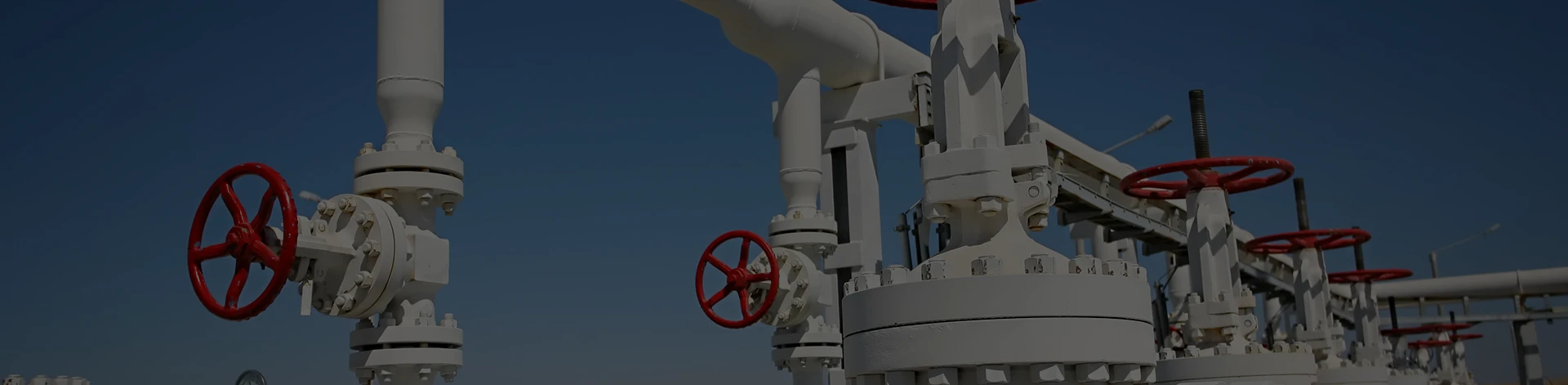
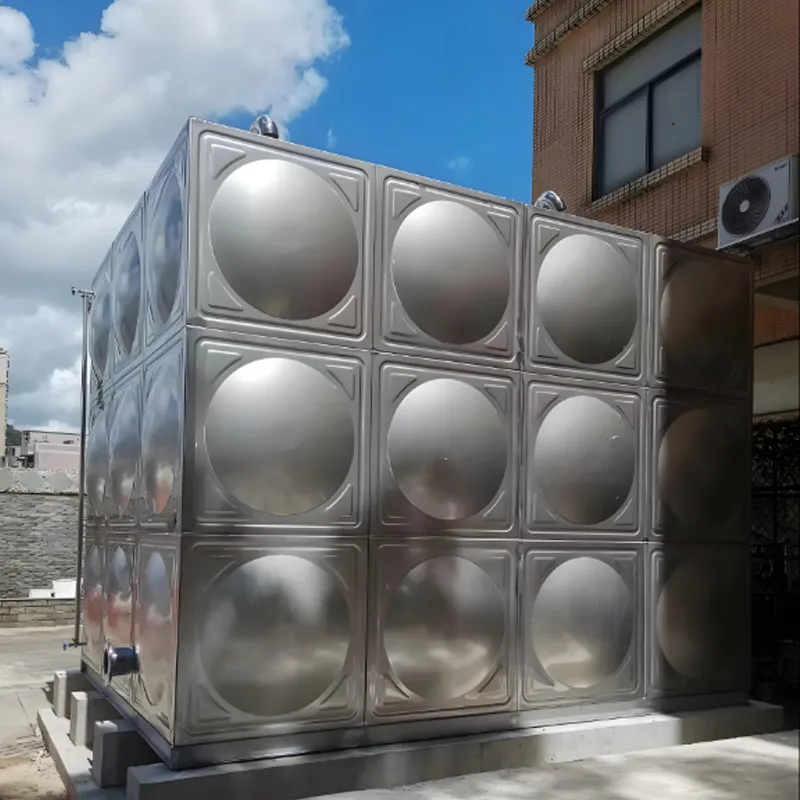
5000 Gallon Stainless Steel Water Tank – Durable Industrial Water Storage
Why a 5000 Gallon Stainless Steel Water Tank Could Be Your Best Industrial Investment
Having been around the industrial equipment field for well over a decade, I’ve seen countless storage solutions come and go. But when it comes to large-scale water storage, a 5000 gallon stainless steel water tank still stands out for reliability and versatility. There’s a certain peace of mind knowing your water supply rests in corrosion-proof, robust steel—especially if your operations are anything like those I’ve consulted on, from manufacturing to agricultural setups.
Oddly enough, stainless steel tanks remain preferable even as composite materials gain popularity. Why? It boils down to strength and longevity. Stainless steel resists rust and contamination naturally, which means your water stays cleaner, longer. Plus, the tanks handle temperature swings and mechanical stresses better, a point many engineers emphasize during project planning.
I recall a client in the Midwest who switched from fiberglass to stainless steel for their 5000 gallon tank. They mentioned the ease of maintenance and eventual resale value tipped the balance. Frankly, that kind of feedback resonates deeply—tough equipment that pays its way.
Design & Material Details
Most modern 5000 gallon tanks I’ve worked with come made from 304 or 316-grade stainless steel. The difference? 316 offers better resistance against chlorides and chemicals, ideal if your water source is brackish or if you’re near coastal areas. Thickness varies, but commonly, walls are about 3/16 inch or more to withstand pressures and external impacts.
Tanks are often fabricated using a modular panel design, welded and passivated to enhance corrosion resistance further. Welding quality is a huge deal here—poor welding can become a failure point. In fact, my team once declined a proposal because the welding standards were below industry norms. You’ve got to be strict.
Testing typically includes pressure tests, leak checks, and sometimes X-ray inspections of welds. It sounds intense, but it’s essential before you commit thousands on installation and operational uptime.
| Specification | Details |
|---|---|
| Capacity | 5000 gallons (18,927 liters) |
| Material | 304 or 316 Stainless Steel |
| Wall Thickness | Typically 3/16 inch (4.76 mm) |
| Diameter | Approximately 7.5 feet (2.3 meters) |
| Height | About 10 feet (3 meters) |
| Finish | Brushed or mirror-polished options available |
Comparing Stainless Steel Water Tank Vendors
Selecting a vendor can feel overwhelming. Here’s a simple comparison based on what I’ve seen across the US market:
| Vendor | Material Quality | Customization | Lead Time | Price Range |
|---|---|---|---|---|
| Long Xuan FRP | 316-grade SS | High (sizes, fittings) | 4-6 weeks | $$$ |
| ACME Tanks | 304-grade SS | Medium (standard options) | 6-8 weeks | $$ |
| Global Steel Works | 304-grade SS | Low (limited sizes) | 8-10 weeks | $ |
As you might guess, the vendor choice often balances customization against cost and lead time. I often recommend starting your inquiry early—these tanks don’t rush out the door overnight.
Installing a 5000 gallon stainless steel tank is usually straightforward but depends on on-site conditions: foundation, access, and connectors. I’ve seen folks underestimate the groundwork needed, and that leads to delays. Pro tip: involve your installer in the planning phase to avoid surprises.
To wrap this up—these tanks really shine in demanding settings where durability and water purity are paramount. As with most things in industry, investing upfront in quality pays off. I suppose that’s what makes me keep going back to stainless steel tanks after all these years.
In real terms, a well-chosen 5000 gallon stainless steel water tank doesn’t just store water—it safeguards your process.
References:
1. Industry Standards for Water Storage Tanks, ASTM International
2. Practical Guide to Stainless Steel Tanks, Industrial Equipment Journal, 2022
3. Case Study: Midwest Farm Transitions to Stainless Steel Storage, Water Tech Monthly, 2021






Address
20 Xingyuan South Street, Zaoqiang County, Hengshui City, Hebei Province, China


