



We Are Open 24 Hours a Day, 7 Days a Week, Including Weekends and Public Holidays.

50 Gallon Stainless Steel Water Tank - Durable, Safe & Sustainable Water Storage Solutions
Understanding the 50 Gallon Stainless Steel Water Tank: Uses, Benefits, and Global Importance
Water storage solutions have always played a crucial role in industries, agriculture, and even humanitarian efforts worldwide. Among these, the 50 gallon stainless steel water tank stands out as a preferred choice due to its robustness and versatility. But why does a seemingly simple tank matter so much on a global scale? Well, water scarcity, safety, sanitation, and industrial efficiency often hinge on reliable water storage, and understanding these tanks helps us grasp critical aspects of infrastructure and resource management.
Introduction: The Global Context of Stainless Steel Water Tanks
Globally, clean and secure water storage is more vital than ever. According to the United Nations, over 2 billion people lack access to safely managed drinking water services, highlighting the urgent need for safe water storage systems (UN Water Report). The 50 gallon stainless steel water tank is often employed in settings ranging from remote industrial sites to humanitarian aid stations to mitigate this issue. Its relatively compact size combined with material durability addresses both logistical challenges and contamination risk.
Still, water tanks must withstand environmental stressors and facilitate clean storage without chemicals leaching into the water supply. Here lies the utility of stainless steel — corrosion resistance and sanitation come naturally. Oddly enough, even in urban infrastructure, these tanks help maintain clean water access during emergencies or system maintenance.
What is a 50 Gallon Stainless Steel Water Tank?
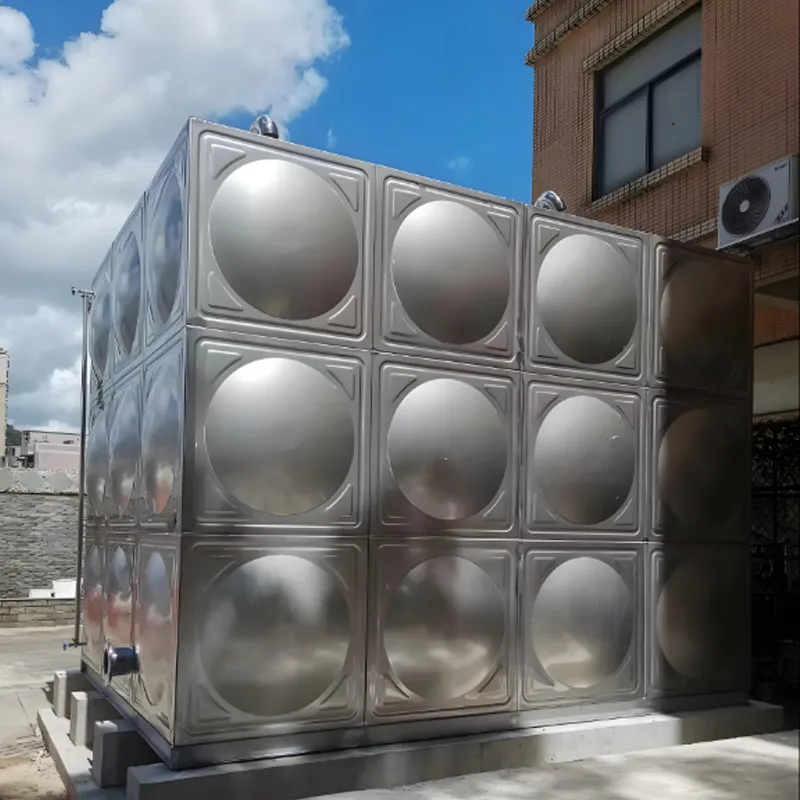
Plainly put, a 50 gallon stainless steel water tank is a cylindrical or rectangular container designed to hold 50 gallons (about 189 liters) of water, made from stainless steel alloys recognized for their strength and resistance to rust. Think of it as a reliable vessel for liquid storage that doesn't degrade or contaminate contents over time. In many modern industries — think food processing, pharmaceuticals, and water treatment — this tank size balances capacity with portability.
Humanitarian organizations also use them for transporting and storing potable water where infrastructure is lacking, such as disaster relief sites or refugee camps. Their durability and ease of sanitation make them an obvious choice where water quality cannot be compromised.
Key Factors of 50 Gallon Stainless Steel Water Tanks
Durability & Corrosion Resistance
These tanks resist rust and chemical corrosion in ways plastic or painted steel tanks simply can’t. The standard is often Type 304 or 316 stainless steel — a robust alloy that stands up to chlorine, weather, and rough handling. This means longer lifespan and fewer replacements.
Scalability & Portability
At 50 gallons, these tanks are large enough to be practical but small enough for transport on trucks or integration into modular systems. You can stack them or link several to meet higher demands, making them versatile across applications.
Cost Efficiency
While the initial investment is higher than plastic, stainless steel tanks’ longevity and low maintenance bring down total cost of ownership. They avoid the hidden costs of contamination, leaks, and replacements. For many, this pays off quickly.
Sanitation & Safety
Stainless steel’s smooth, non-porous surface limits bacteria growth and is easy to sanitize, crucial for potable water or sensitive industrial applications. This attribute directly impacts public health outcomes.
Environmental Sustainability
Stainless steel is recyclable at the end of its life cycle, which aligns with increasing global environmental standards and ISO certifications regarding sustainable materials.
Product Specifications Table
| Specification | Details |
|---|---|
| Capacity | 50 gallons (189 liters) |
| Material | 304 or 316 Stainless Steel |
| Dimensions | Approx. 24" diameter x 36" height |
| Weight (empty) | ~35-40 lbs (depending on gauge) |
| Certifications | FDA, NSF for potable water storage |
| Finish | Mirror or matte polish options |
Global Applications & Use Cases
The usage of 50 gallon stainless steel water tanks spans the globe and sectors:
- Industrial sites: Factories or remote drilling operations use these tanks to ensure continuous water supply for cooling or processing.
- Agriculture: Small farms utilize them for irrigation or livestock watering in areas lacking large-scale infrastructure.
- Disaster relief and humanitarian missions: Organizations deploy these tanks to supply potable water post-floods, earthquakes, or refugee settlements.
- Urban infrastructure: Emergency water storage, rainwater harvesting, or backup supply to hospitals and schools.
- Food and beverage industry: Used to store and transport sanitized water where hygiene is critical.
For instance, following the 2010 earthquake in Haiti, relief teams distributed fleets of portable stainless steel tanks to ensure safe drinking water in devastated areas, which helped reduce waterborne diseases.
Similarly, remote mining sites in Australia rely on these tanks for immediate water storage where pipeline access is impractical.
Vendor Comparison Table
| Vendor | Material Grade | Warranty | Certification | Price Range |
|---|---|---|---|---|
| LongXuan FRP | 316 Stainless Steel | 5 years | FDA, NSF | $$$ |
| ClearWater Tanks | 304 Stainless Steel | 3 years | NSF | $$ |
| SafeH2O Corp | 304 Stainless Steel, Basic Grade | 2 years | FDA | $ |
Advantages & Long-Term Value
Choosing a 50 gallon stainless steel water tank means investing in durability, water purity, and long-term savings. Because stainless steel doesn’t leach harmful substances — unlike some plastics — it feels like a safer bet for health and sanitation. Many engineers I’ve talked to emphasize the peace of mind that comes with knowing your water storage won’t degrade unpredictably or need early replacement.
Environmentally, the recyclable nature of stainless steel also appeals to sustainability-minded operations. And on an emotional level, reliable water means safety and dignity — especially critical in disruption zones where daily life depends on access to clean hydration.
Future Trends & Innovations
Moving forward, the integration of smart technology into water tanks is picking up pace. Picture sensors to monitor water quality, levels, and temperature remotely — helping industries and NGOs react proactively to contamination or shortages. Newer stainless steel alloys are also being developed for even greater corrosion resistance and lighter weight, which could increase portability.
Moreover, emerging policies favoring sustainable materials and water conservation are likely to boost adoption. It’s not just a tank anymore — it’s part of a bigger ecosystem of green infrastructure.
Challenges & Solutions in Using Stainless Steel Tanks
The main challenges include initial costs, transportation difficulties due to weight, and the requirement for skilled maintenance to prevent mechanical damage. However, innovative fabrication techniques such as modular designs and collapsible tanks are beginning to address these challenges. Maintenance protocols and community training also improve longevity in harsh environments.
FAQ: Frequently Asked Questions About 50 Gallon Stainless Steel Water Tank
- Q: How long does a 50 gallon stainless steel water tank typically last?
A: With proper maintenance, these tanks can last 20 years or more due to their corrosion resistance. However, lifespan depends on environmental conditions and usage patterns. - Q: Are stainless steel tanks better than plastic tanks for water storage?
A: Yes, especially for potable water. Stainless steel resists bacterial growth and doesn’t leach chemicals, whereas plastic tanks may degrade under UV exposure or leach over time. - Q: Can these tanks be used for hot water storage?
A: Absolutely. Stainless steel handles higher temperatures well, making these tanks suitable for hot water storage in both industrial and domestic settings. - Q: What maintenance is required?
A: Regular cleaning, inspection for dents or damage, and sanitization protocols are advised to ensure longevity and safety. - Q: How can I purchase these tanks internationally?
A: Many manufacturers, like LongXuan, offer international shipping and support, but it’s wise to confirm certifications and customs requirements beforehand.
Conclusion
In real terms, a 50 gallon stainless steel water tank is more than just a container — it's a key component in global efforts to ensure safe, reliable water storage across diverse applications. Whether for industrial use, humanitarian relief, or sustainable infrastructure, these tanks combine durability, safety, and long-term value in a compact package. If water storage matters to your operation, this tank is worth a close look.
For more information or to explore product options, visit LongXuan FRP, a trusted supplier of stainless steel water tanks designed for quality and reliability.
Quick Takeaway: Stainless steel tanks may cost more upfront but deliver unmatched durability and safety that pay off handsomely over time.
References






Address
20 Xingyuan South Street, Zaoqiang County, Hengshui City, Hebei Province, China


