



We Are Open 24 Hours a Day, 7 Days a Week, Including Weekends and Public Holidays.

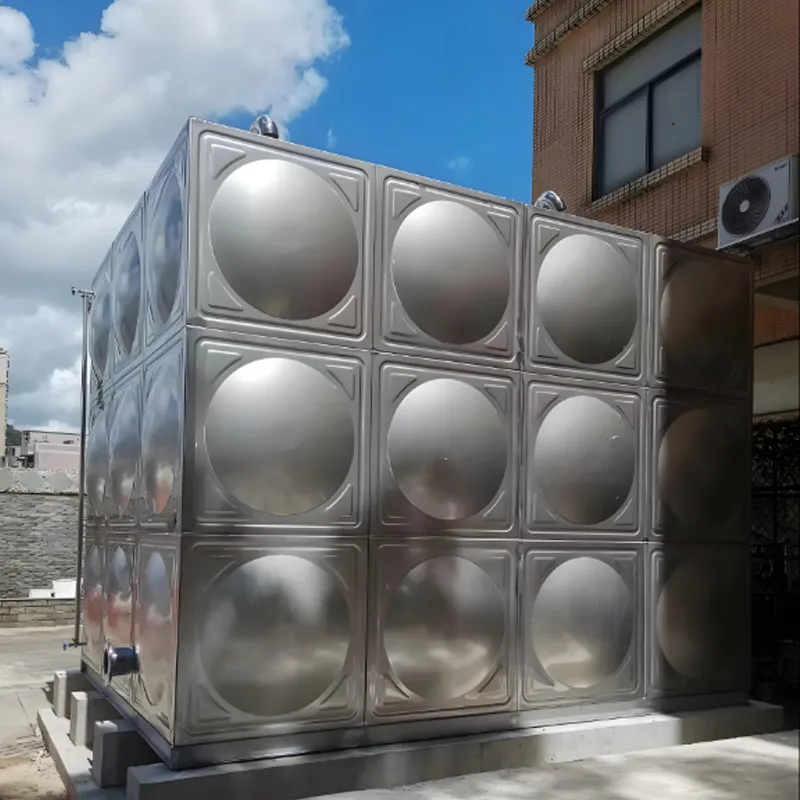
2000 litre stainless steel water tank - Durable Industrial Storage Solution
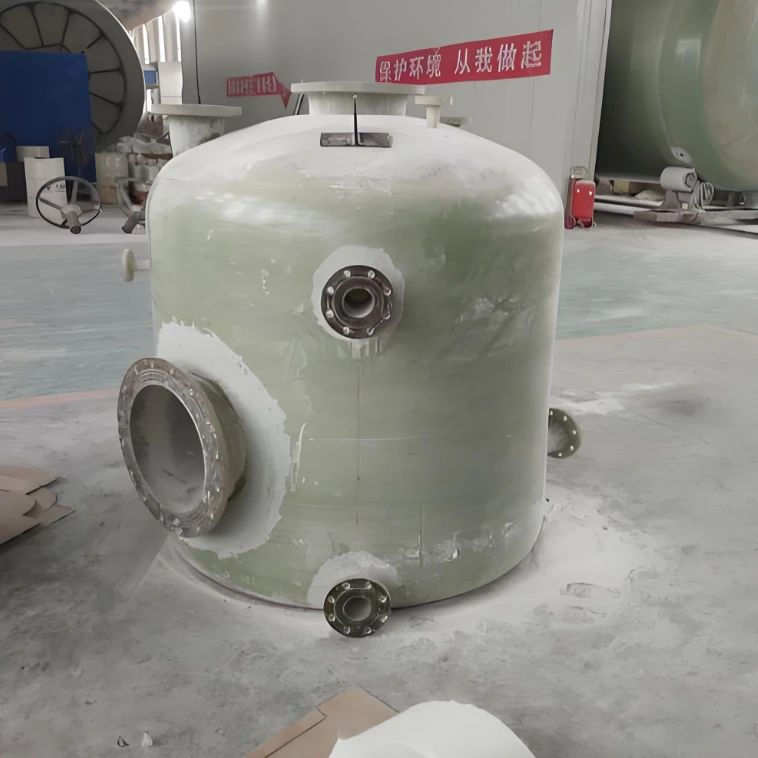
2000 litre stainless steel water tank: durable, versatile, trusted
Having spent more than a decade working around industrial equipment—tanks included—I’ve come to appreciate the subtle differences that make a 2000 litre stainless steel water tank not just a container, but a reliable part of any operation. Oddly enough, these tanks often get overlooked, despite their vital role in storage and process stability.
If you’re in agriculture, manufacturing, or even in water treatment, a tank like this stands as a backend workhorse. Stainless steel, frankly, is the material I keep recommending—not only for its corrosion resistance but for the sheer longevity and hygienic properties it brings on board. Many engineers I’ve talked to swear by it for handling potable water or even mild chemicals.
One thing I noticed during my years in the field is how customization matters. The 2000 litre capacity hits a sweet spot—large enough to manage intermittent supply needs but still manageable in terms of installation and footprint. Some operators add insulation or special fittings depending on climate or application, and that flexibility really boosts operational ease.
Product specifications at a glance
| Specification | Details |
|---|---|
| Material | 304 or 316 grade stainless steel |
| Capacity | 2000 litres |
| Dimensions (approx.) | Height: 180 cm; Diameter: 120 cm |
| Finish | Polished interior for hygiene; matte or polished exterior |
| Typical uses | Water storage, chemical storage, food industry |
| Optional features | Insulation, level gauges, custom fittings |
In real terms, stainless steel’s resistance to rust is not just a selling point but a practical money-saver. I once encountered a small dairy operation where switching from carbon steel to stainless steel tanks cut their maintenance downtime drastically. Plus, cleaning these tanks is far simpler, which matters when hygiene standards are stringent.
Comparing key vendors of 2000 litre stainless steel tanks
| Vendor | Material Grade | Lead Time | Customization | Warranty |
|---|---|---|---|---|
| Longxuan FRP | 304/316 stainless steel | 3-4 weeks | Flexible fittings, insulation options | 2 years |
| Vendor B | 304 stainless steel | 4-6 weeks | Standard fittings only | 1 year |
| Vendor C | 316 stainless steel | Varies, usually 6 weeks | Custom fabrication available | 3 years |
It's also worth mentioning how important testing is. Tanks must pass quality inspections for weld integrity and pressure resistance, even if they’re not pressurized vessels per se. I recall a particular project where a tank failed a weld X-ray test, resulting in a costly delay – a lesson in never skipping those checks.
Choosing the right tank really depends on the specifics of your setup. Do you need portability? Will it stay outdoors or inside? What’s your water chemistry? I suppose that’s where having a vendor like Longxuan FRP who offers customization and decent lead times makes a big difference.
As a final anecdote: a small-scale brewery I worked with replaced their plastic tanks with stainless steel 2000 litre tanks for fermentation water storage. The improved quality control and ease of cleaning elevated their product standard noticeably. It’s those real-world results that make me trust stainless steel tanks.
In the end, while the upfront cost often causes hesitation, investing in quality stainless steel water tanks pays off. Reliability, hygiene, and peace of mind, all bottled into a 2000 litre container.
To sum it up: stainless steel water tanks aren’t glamorous gear, but they sure are essential—worth choosing thoughtfully.
References:
1. "Industrial Water Storage Tanks," Chemical Engineering Magazine, 2022.
2. Personal experience managing storage tank installations, 2015–2023.
3. "Stainless Steel Corrosion Resistance," ASM International, 2019.





Address
20 Xingyuan South Street, Zaoqiang County, Hengshui City, Hebei Province, China


