



We Are Open 24 Hours a Day, 7 Days a Week, Including Weekends and Public Holidays.

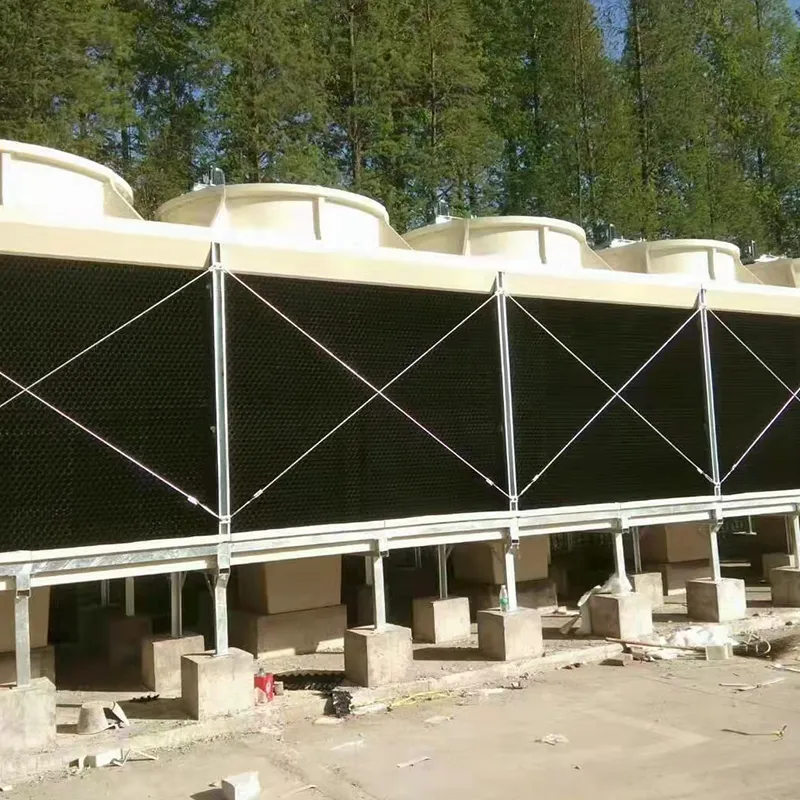
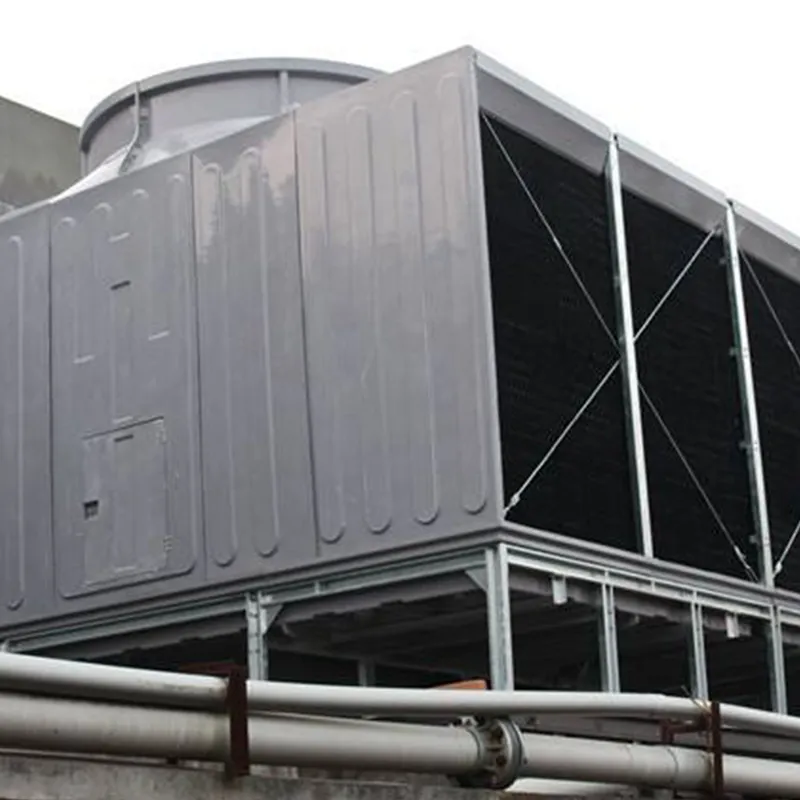
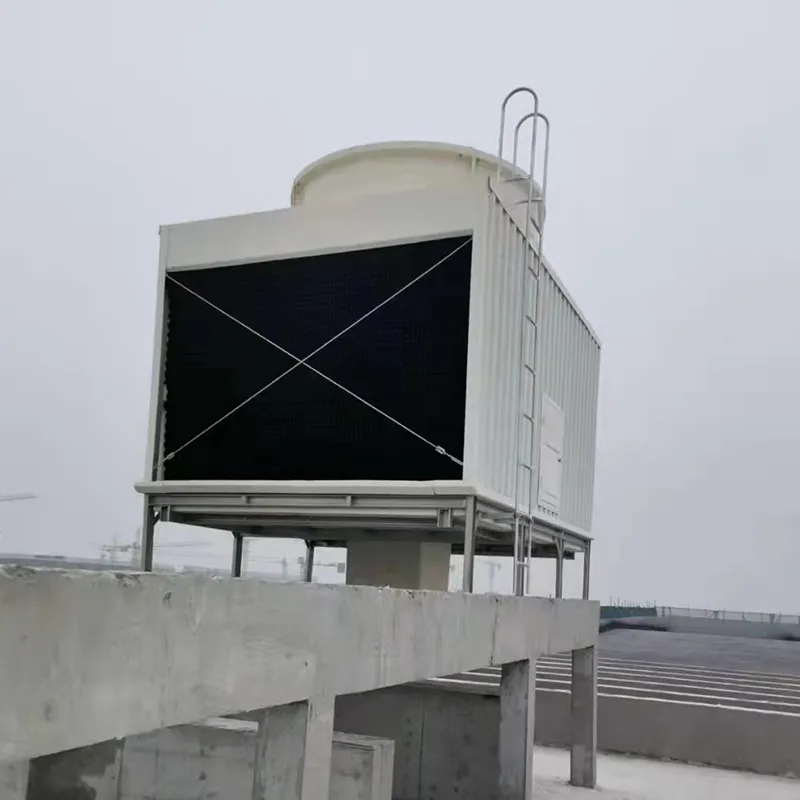
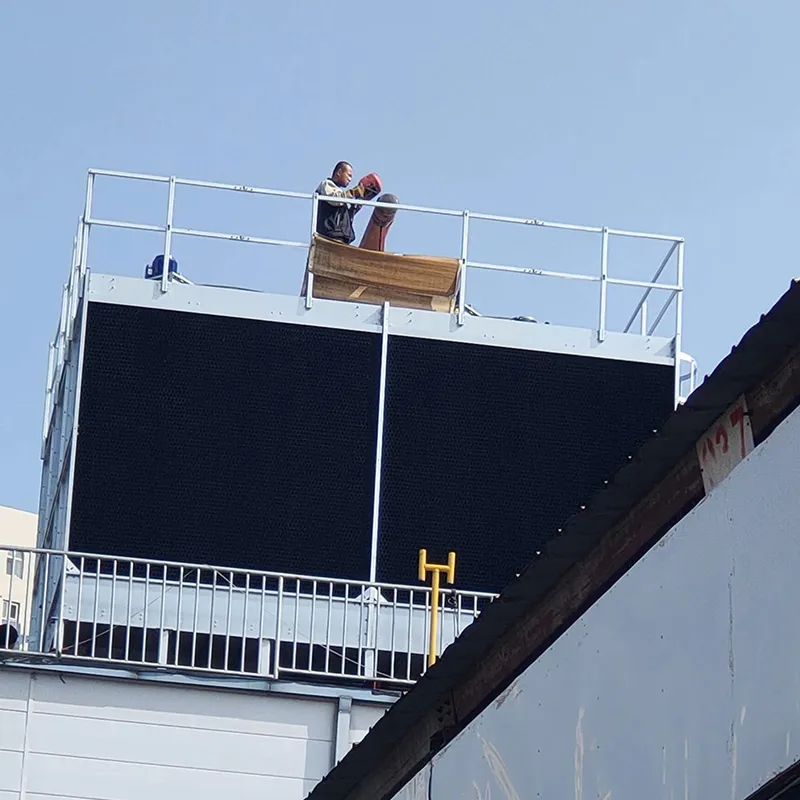
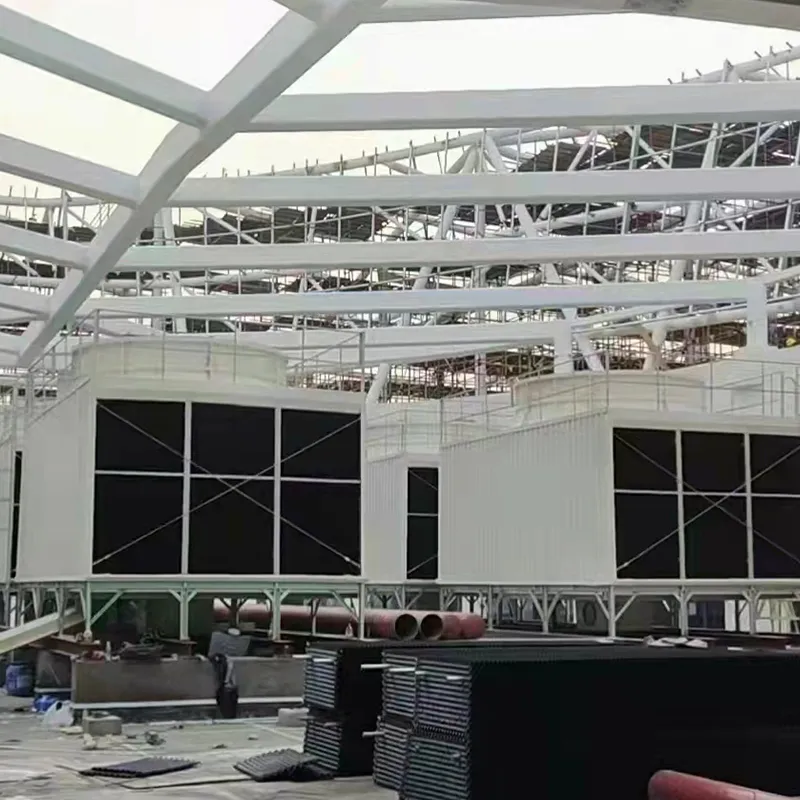
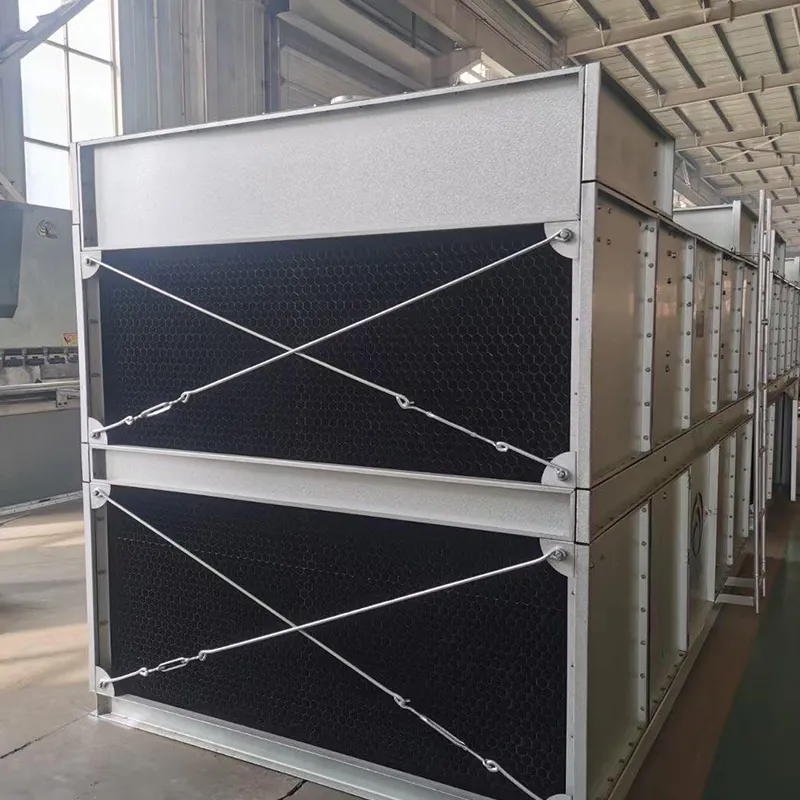
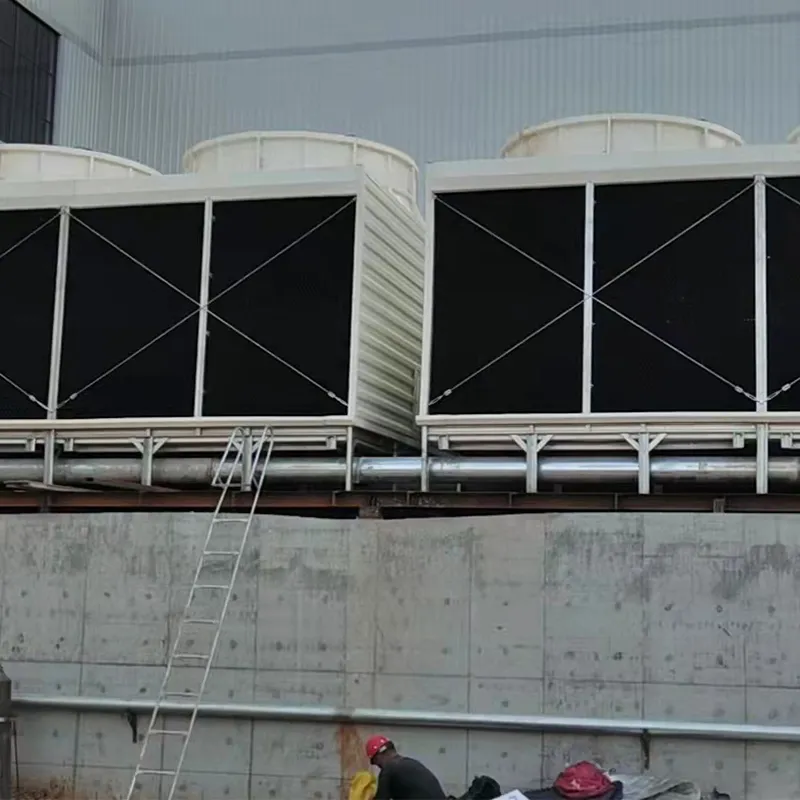
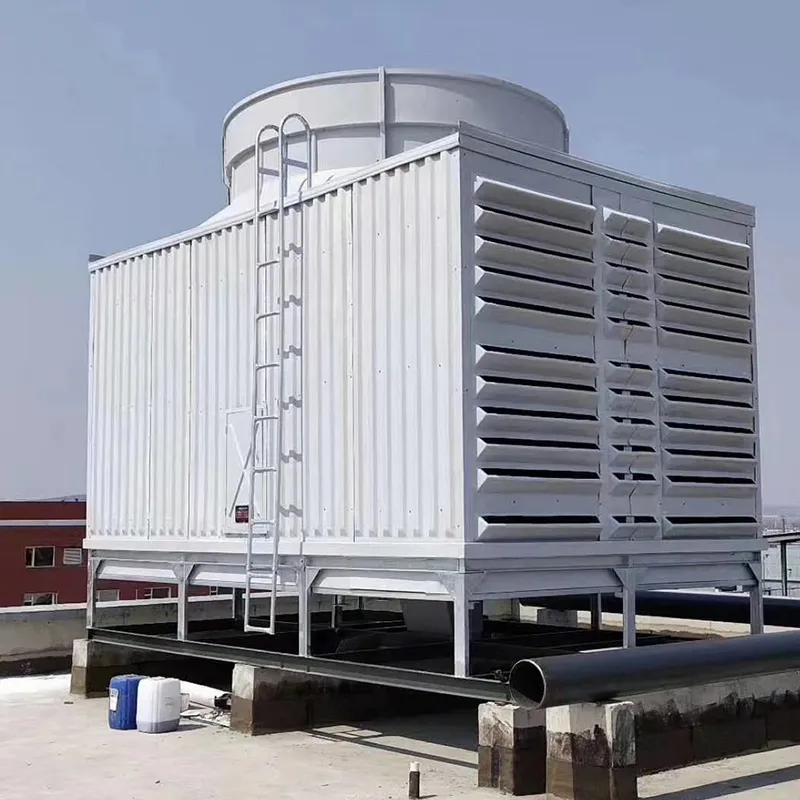
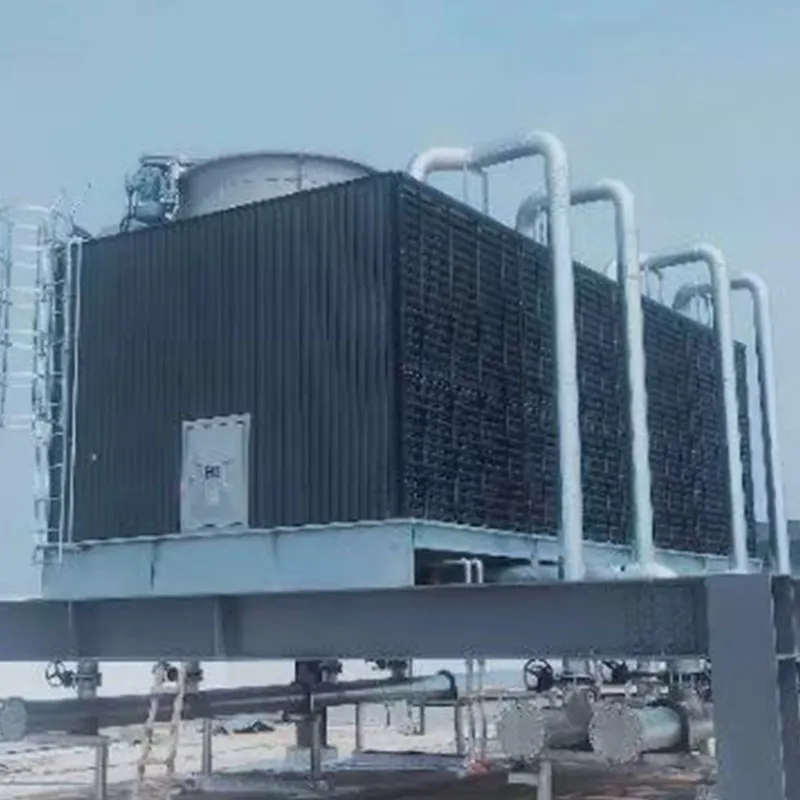
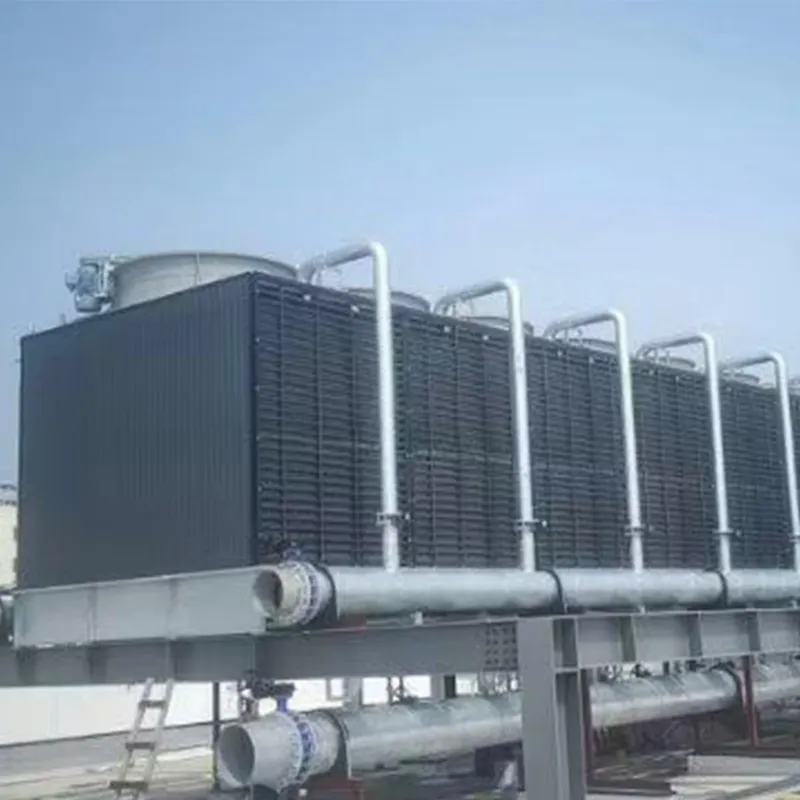
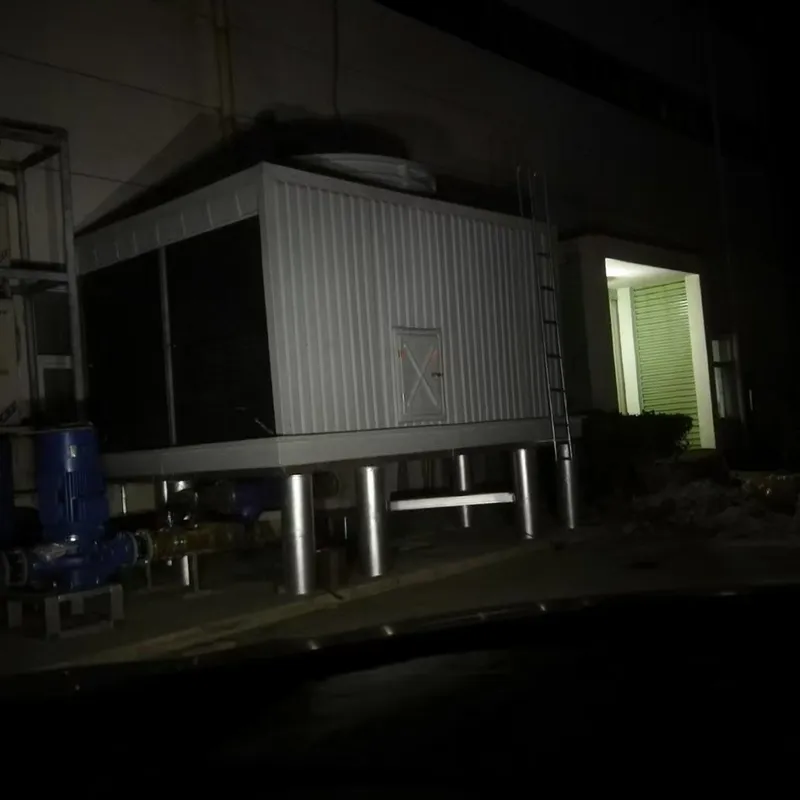
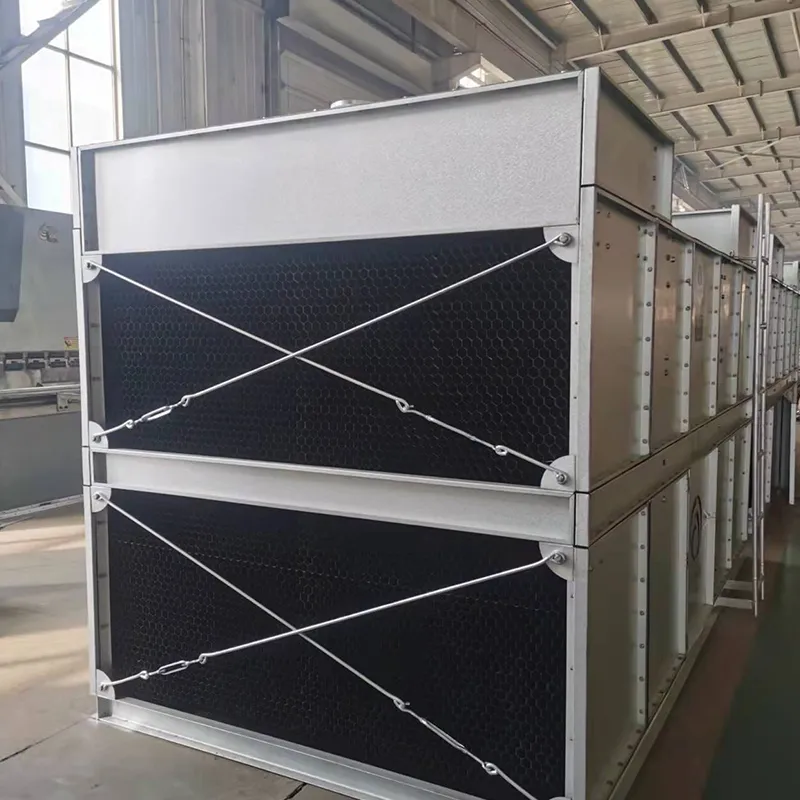
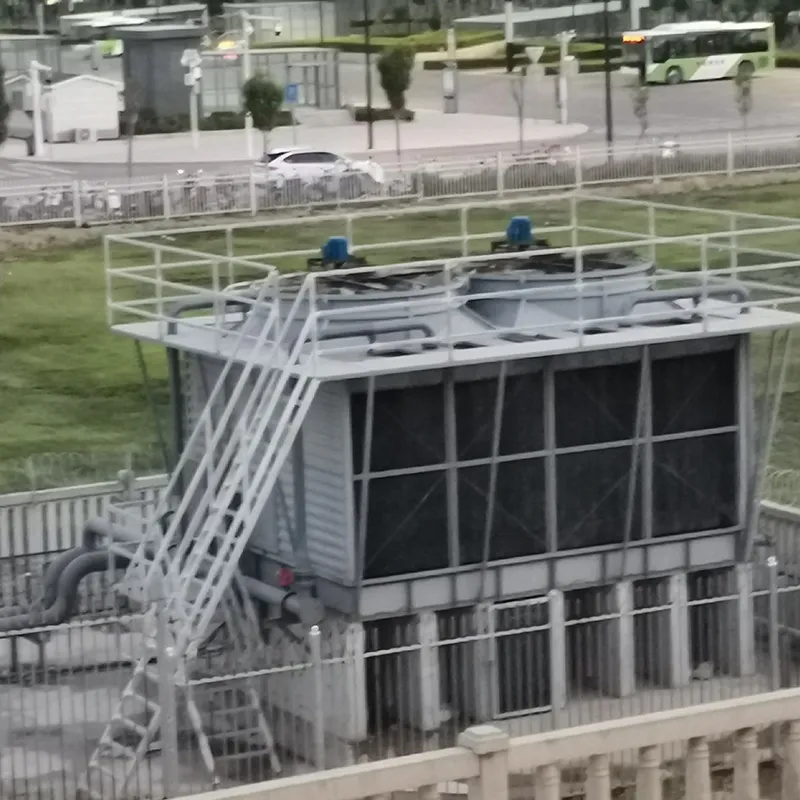
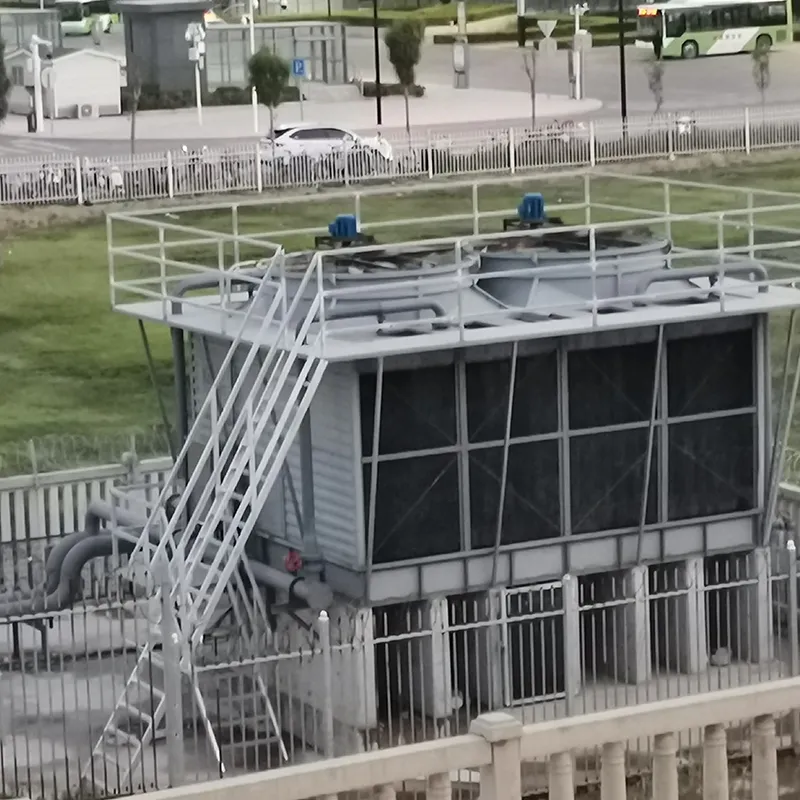
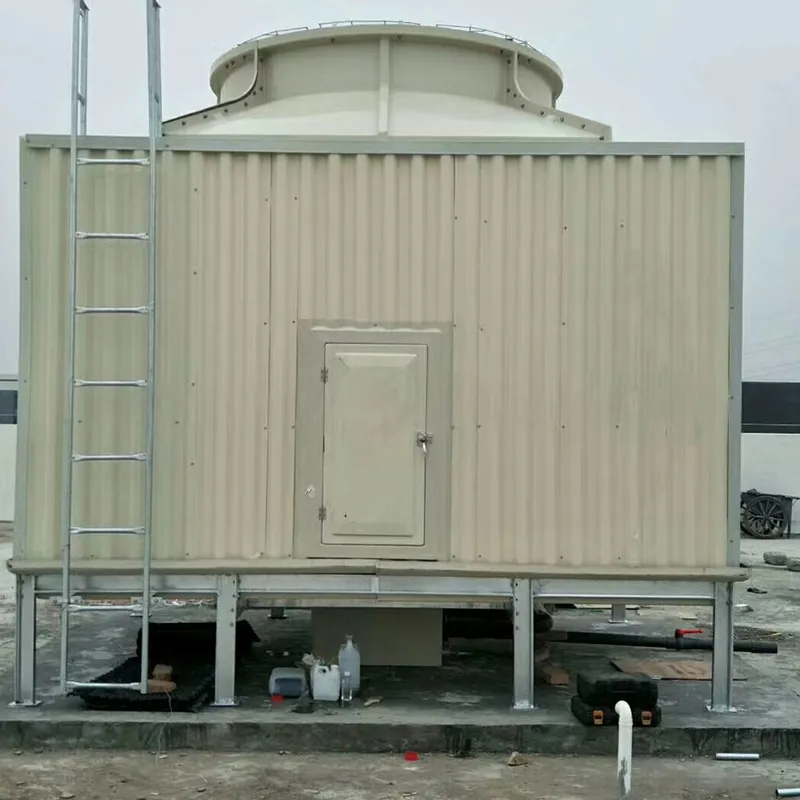
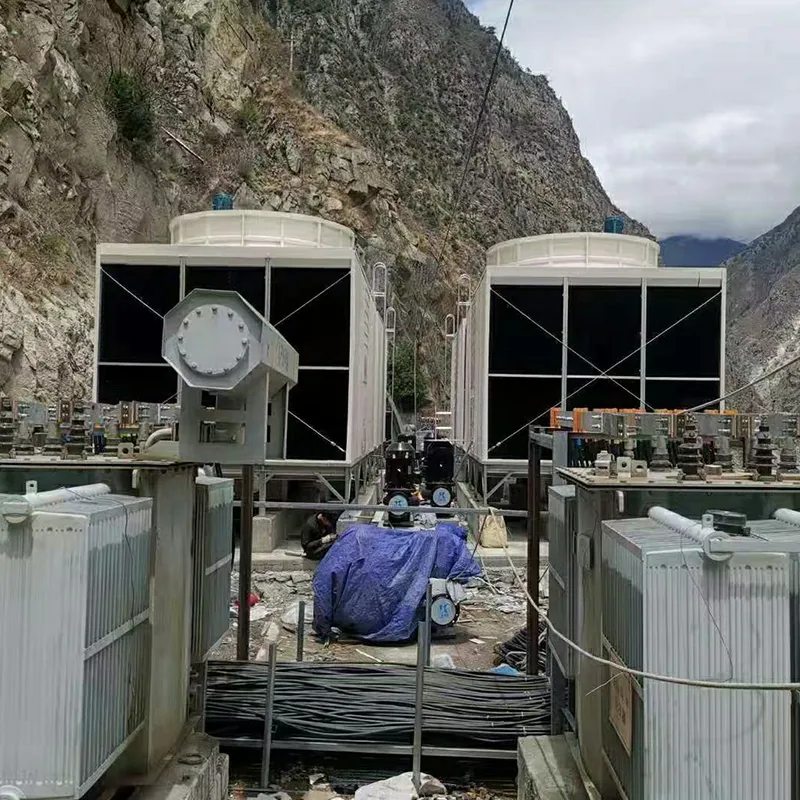
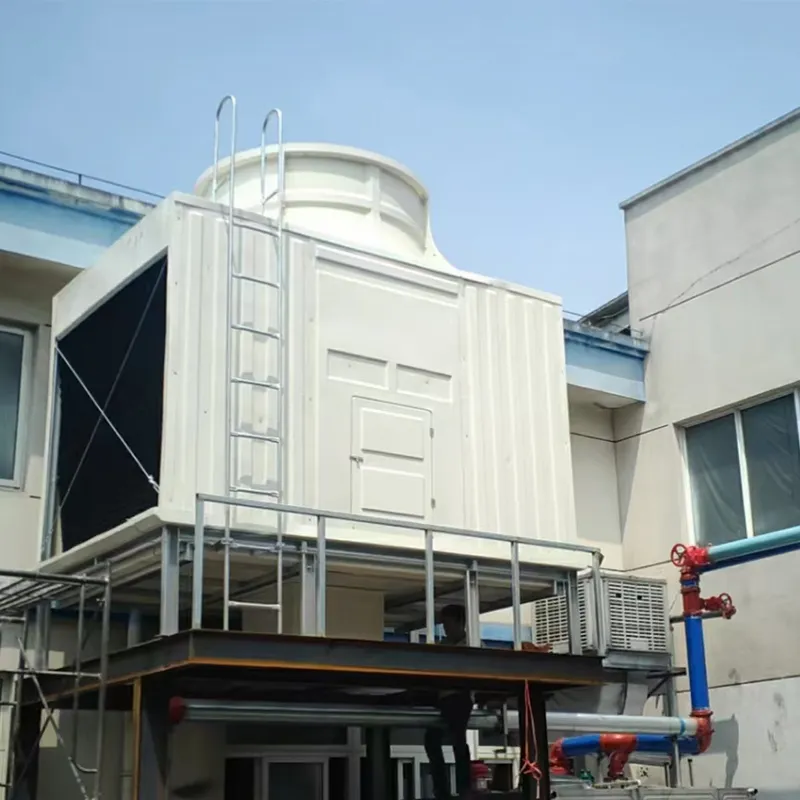
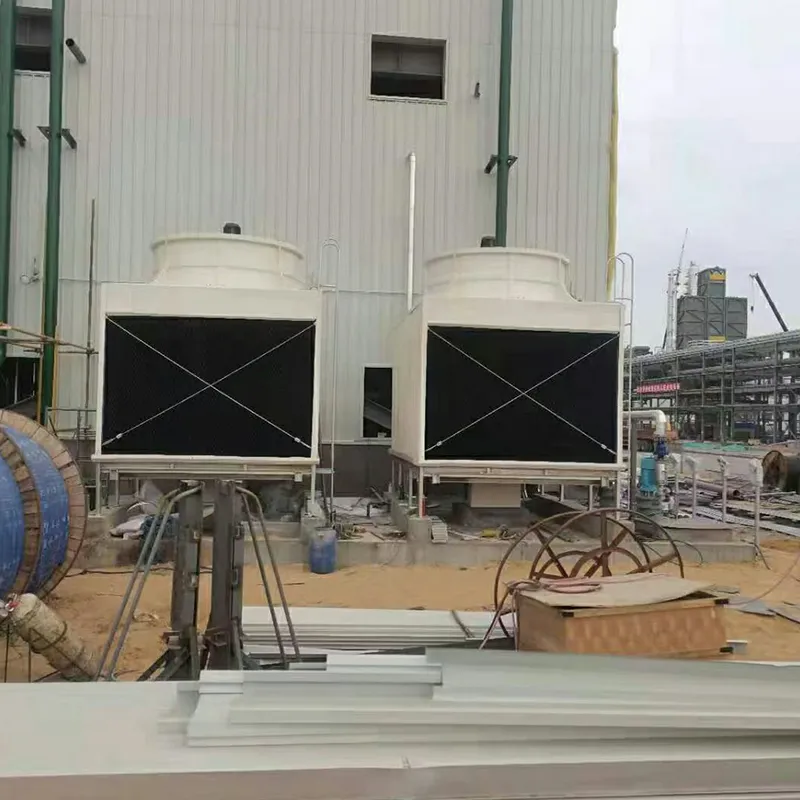
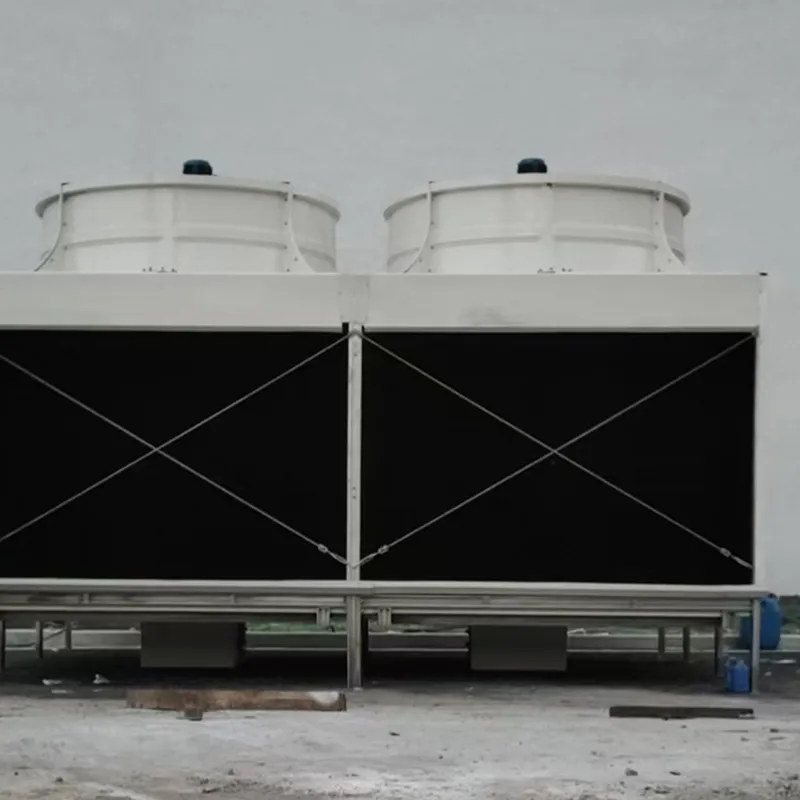
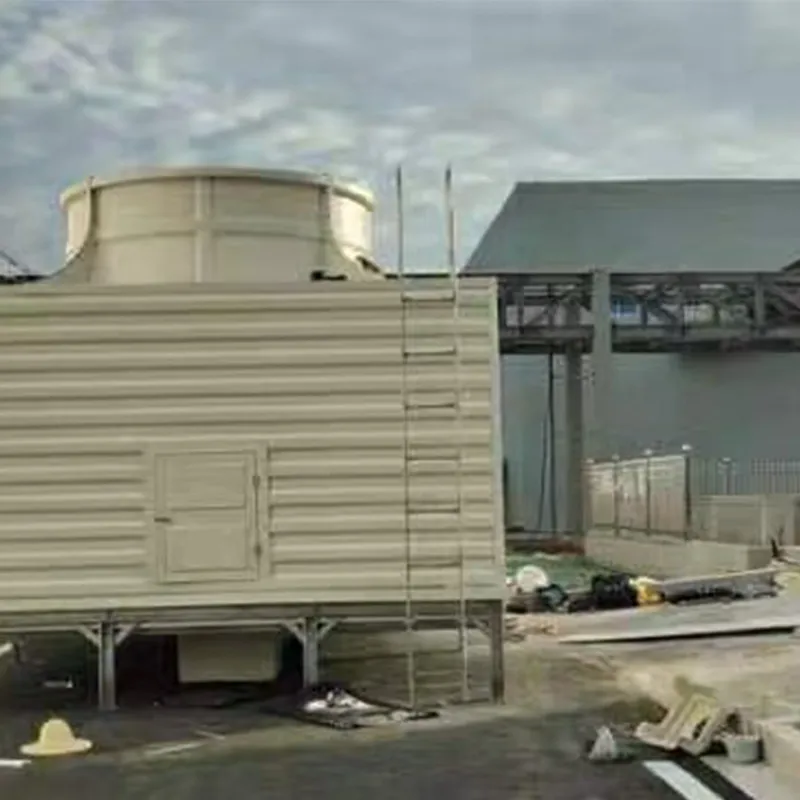
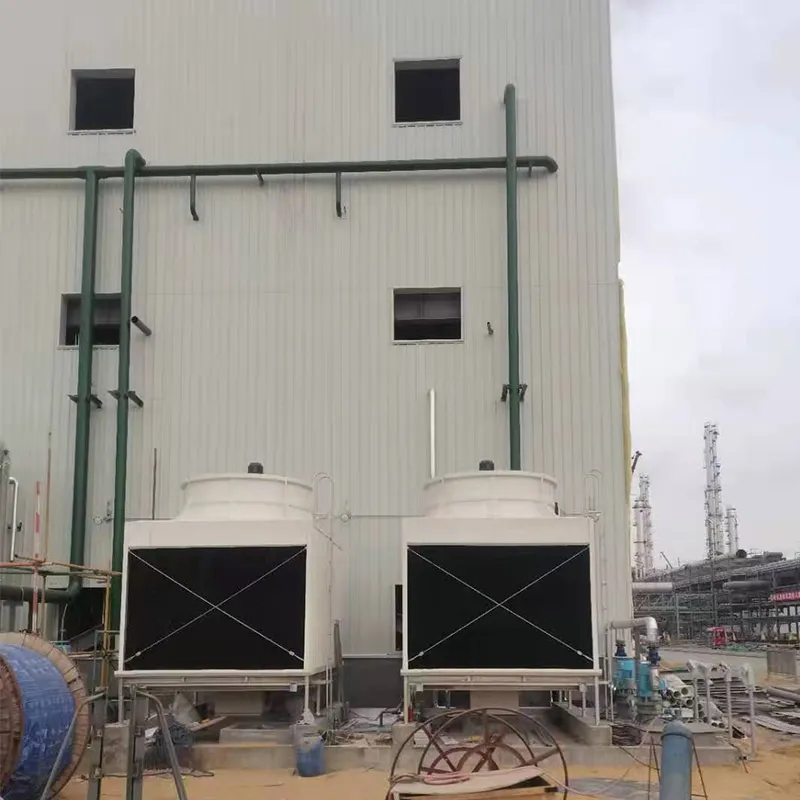
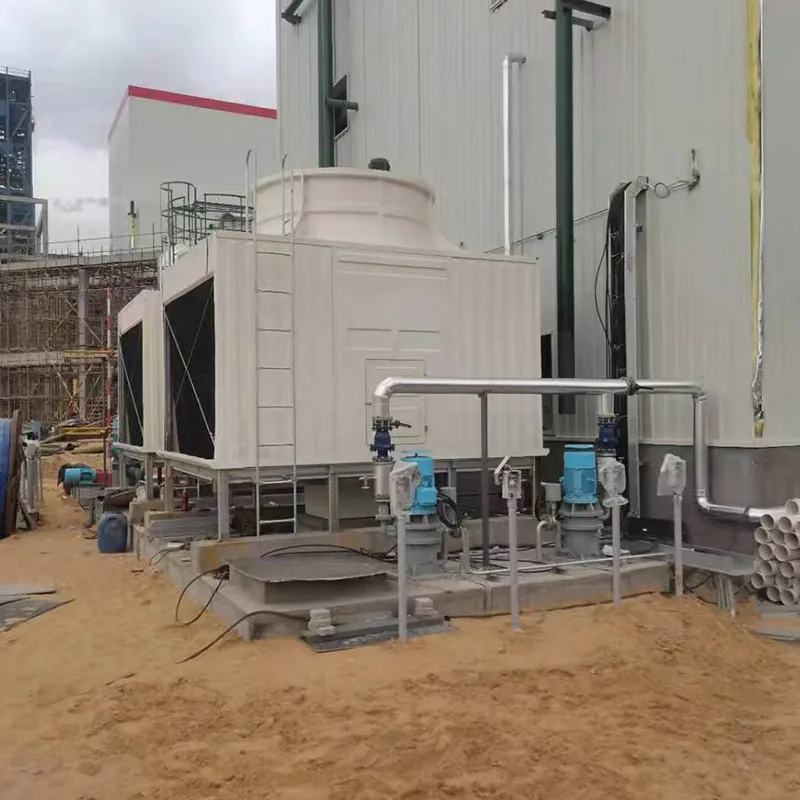
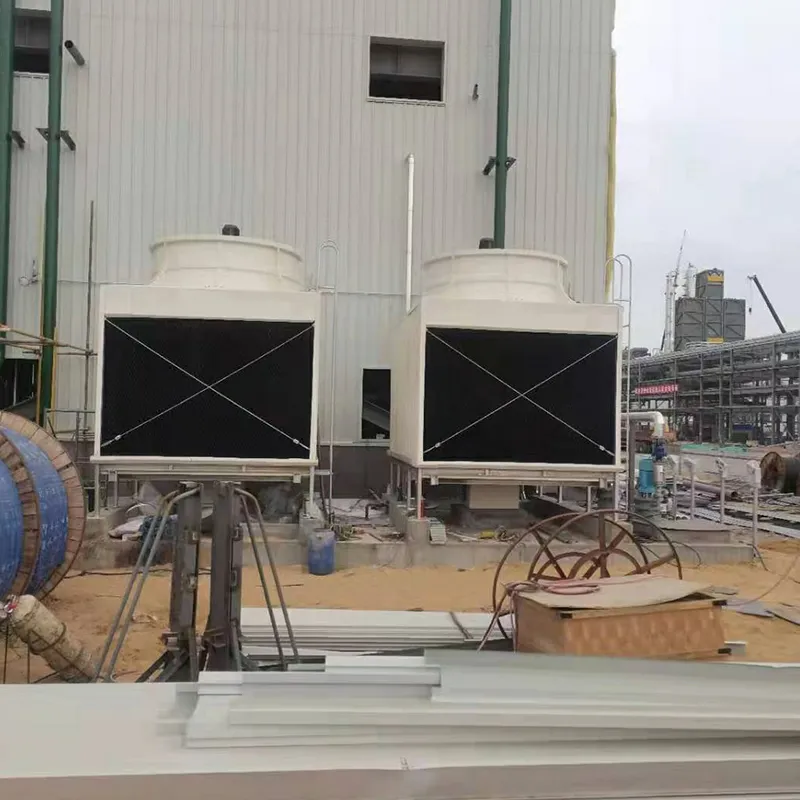
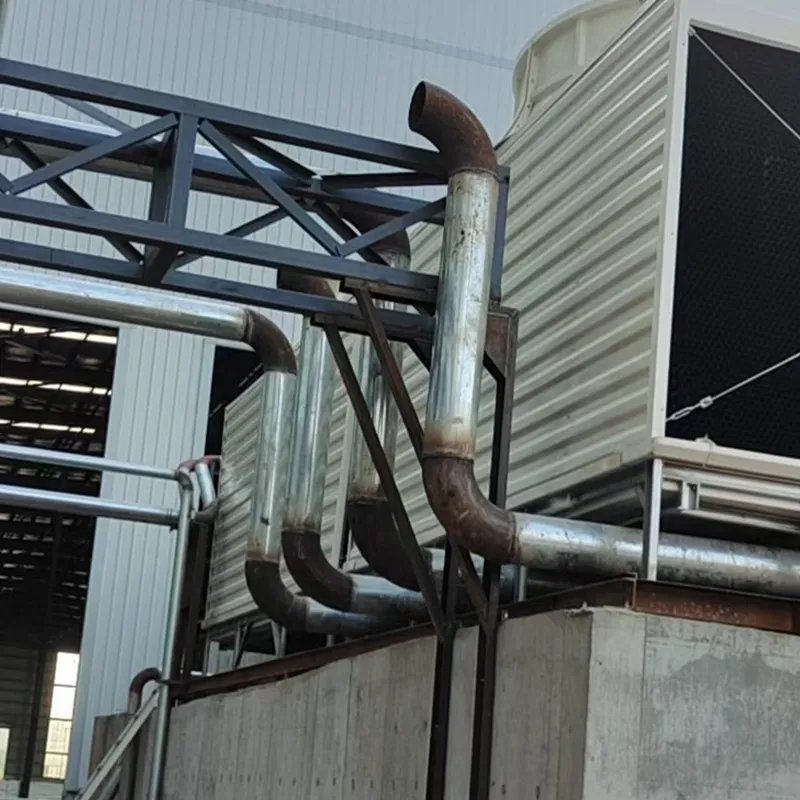
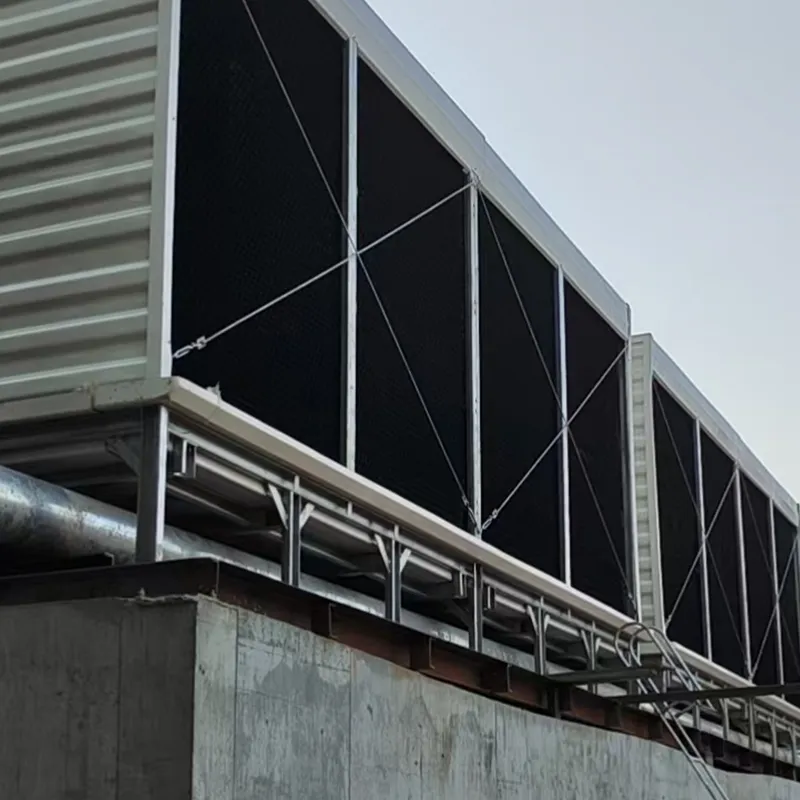
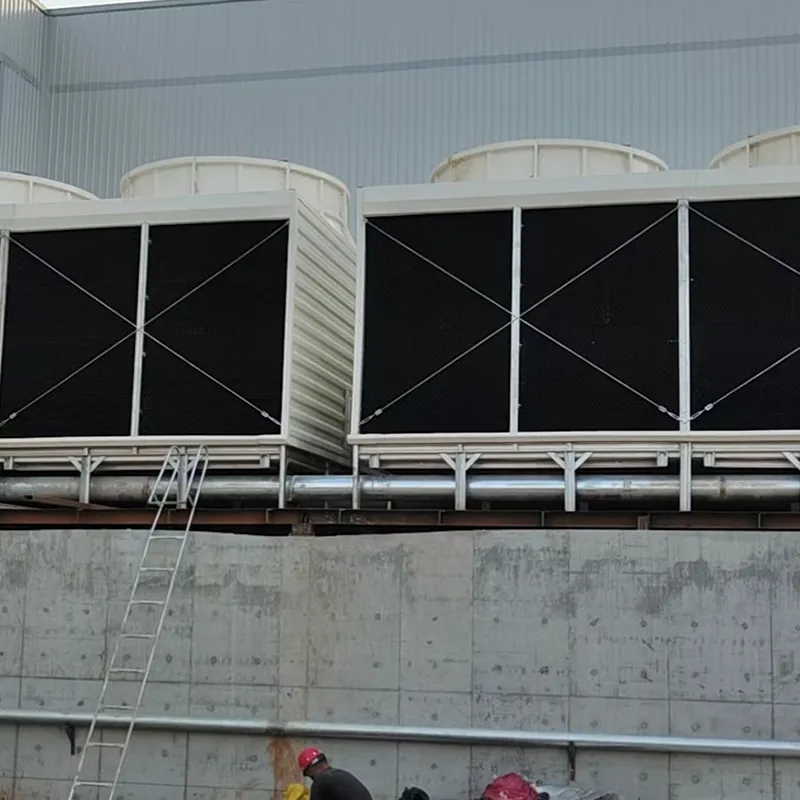
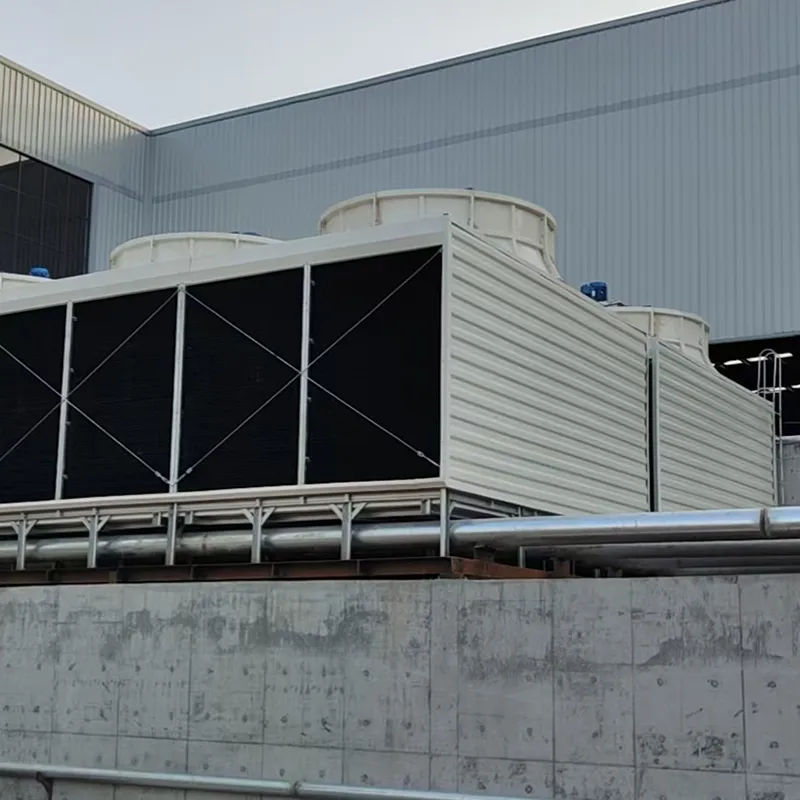
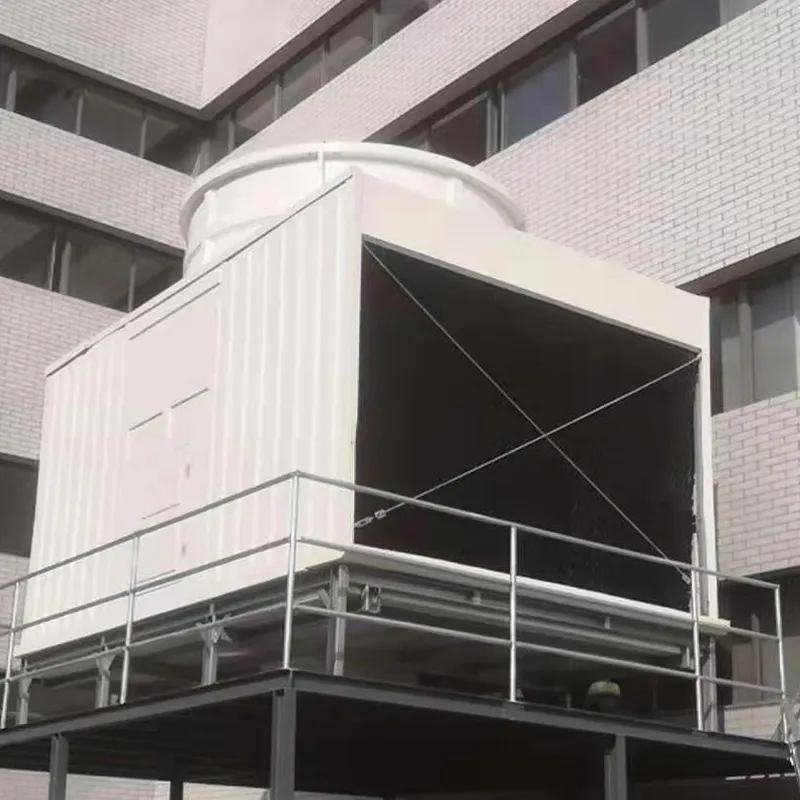
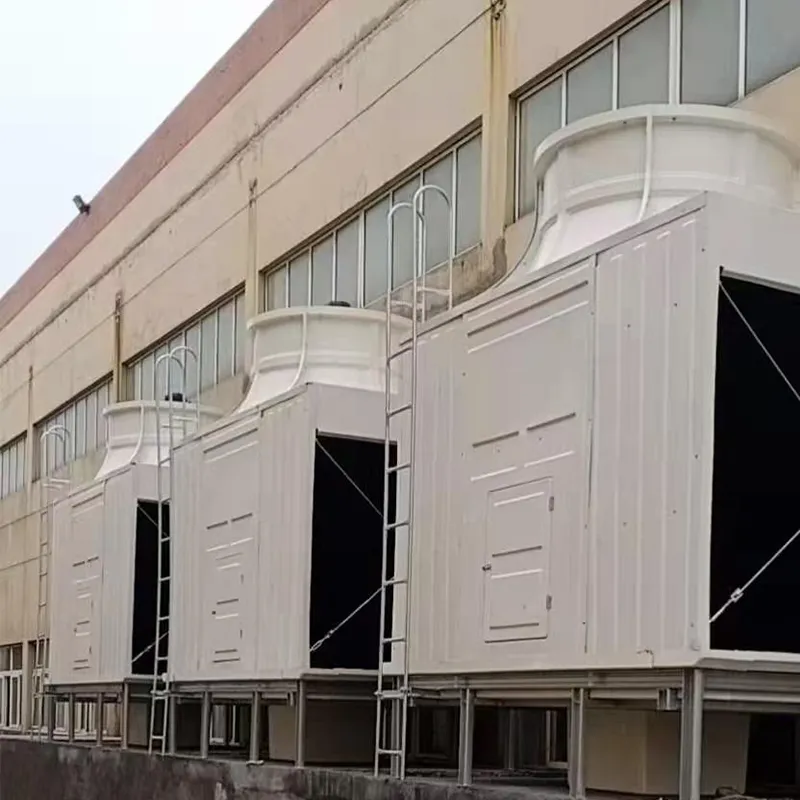
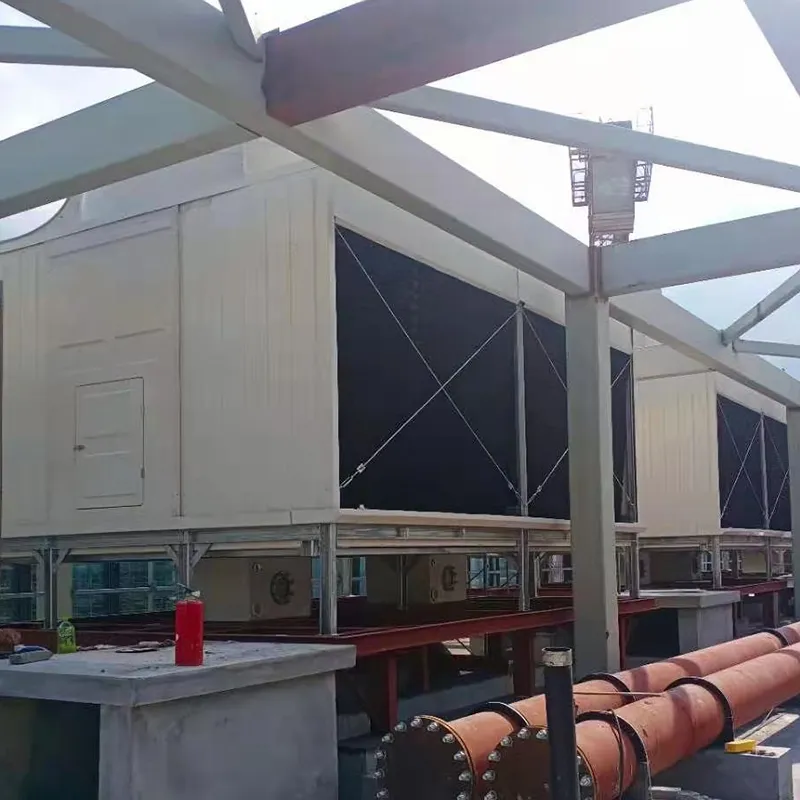
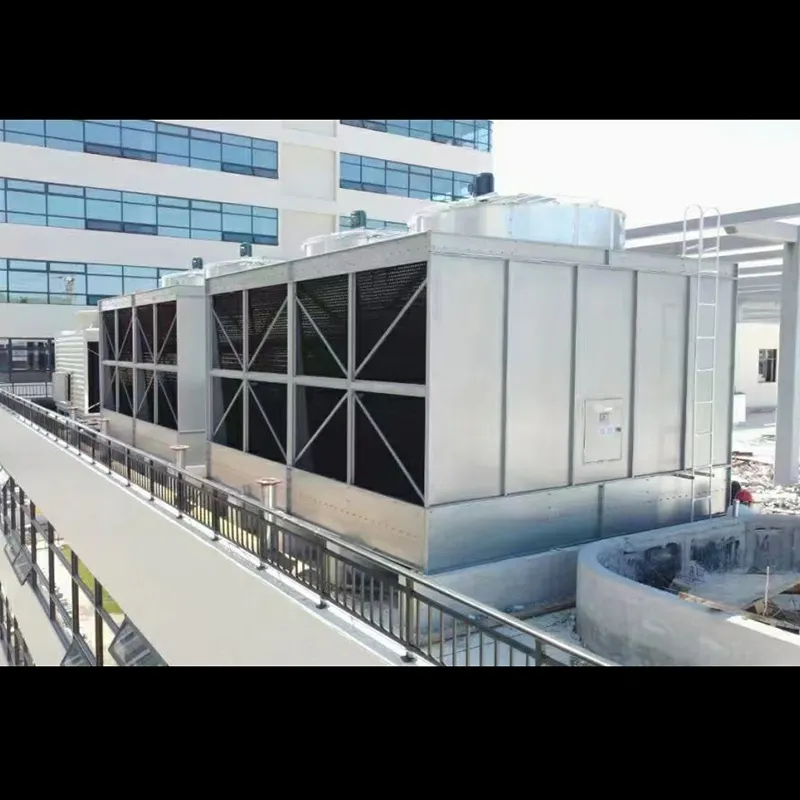
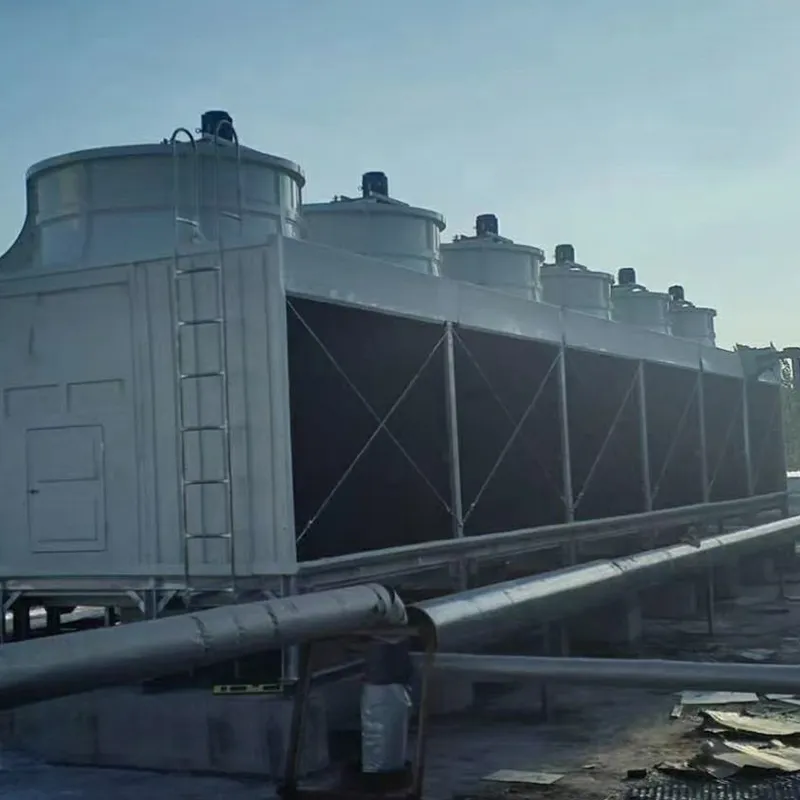
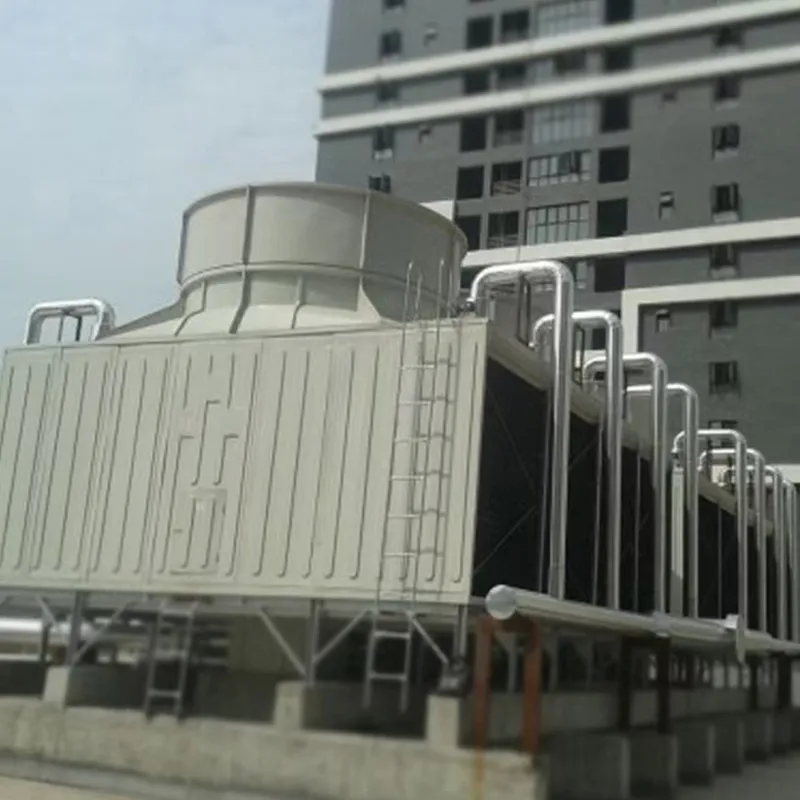
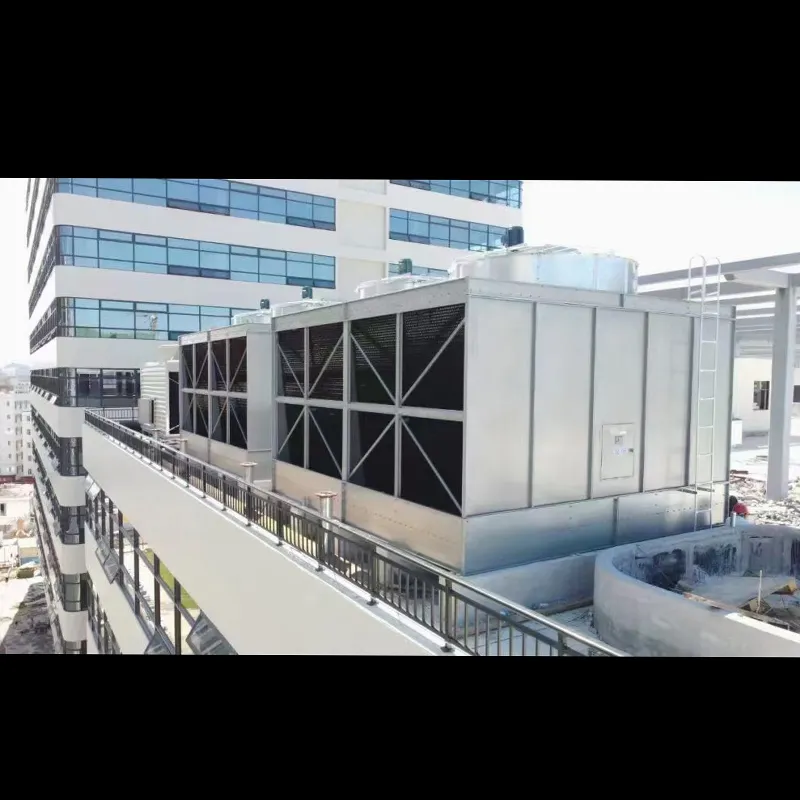
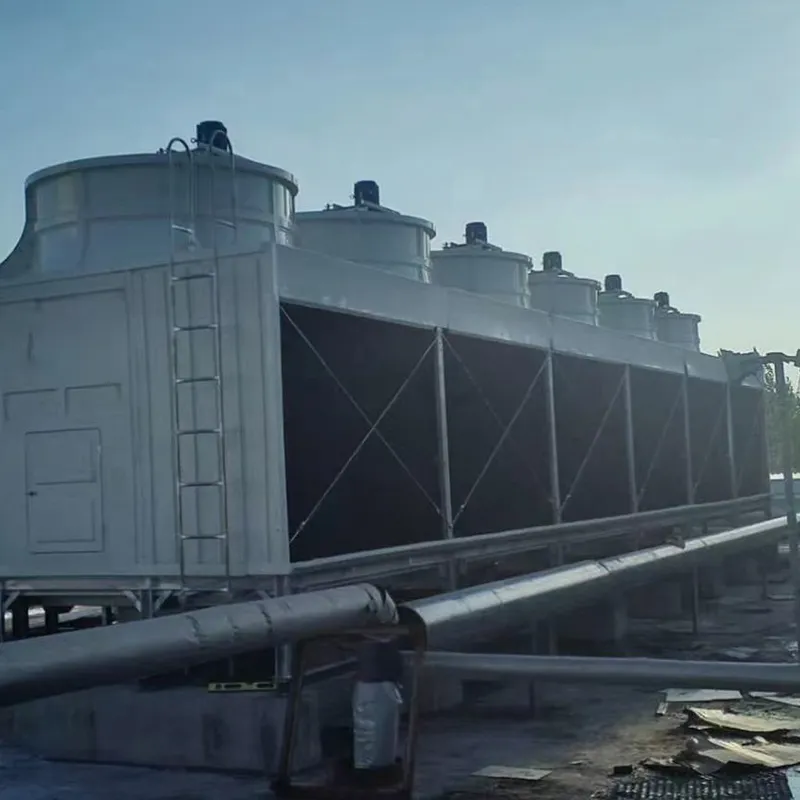
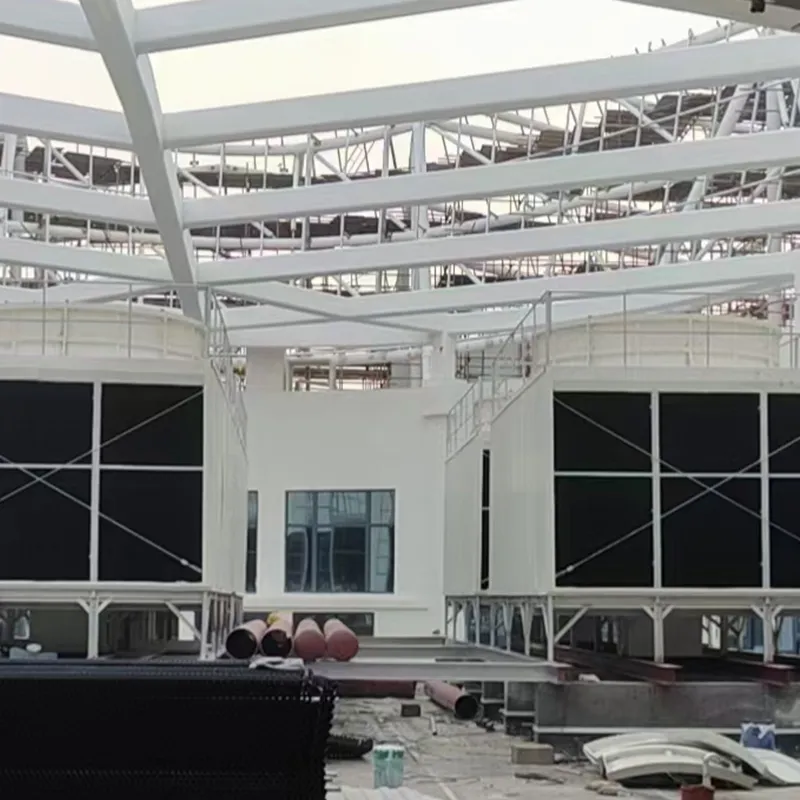
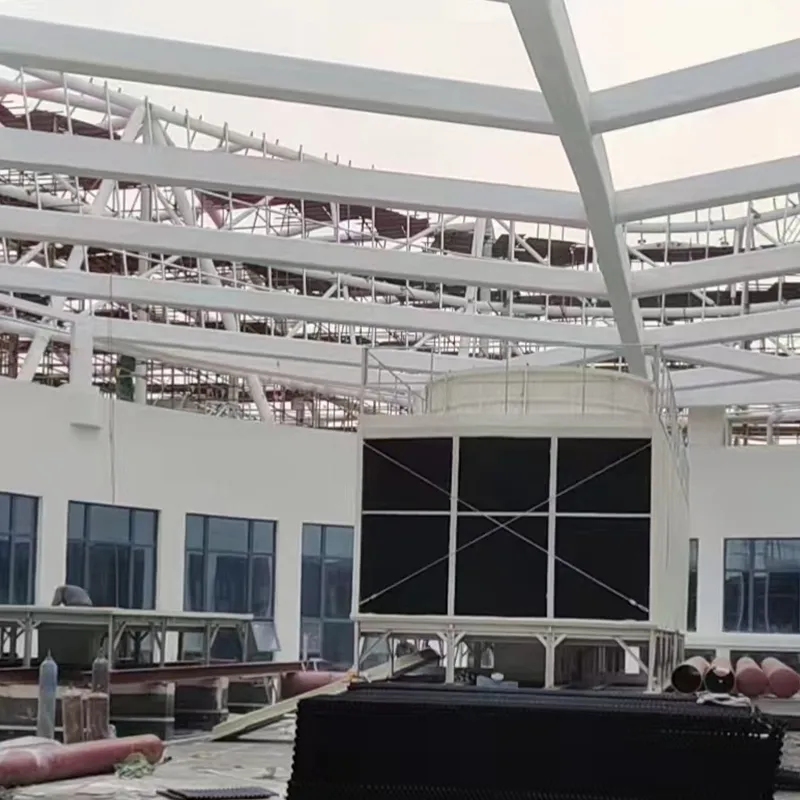
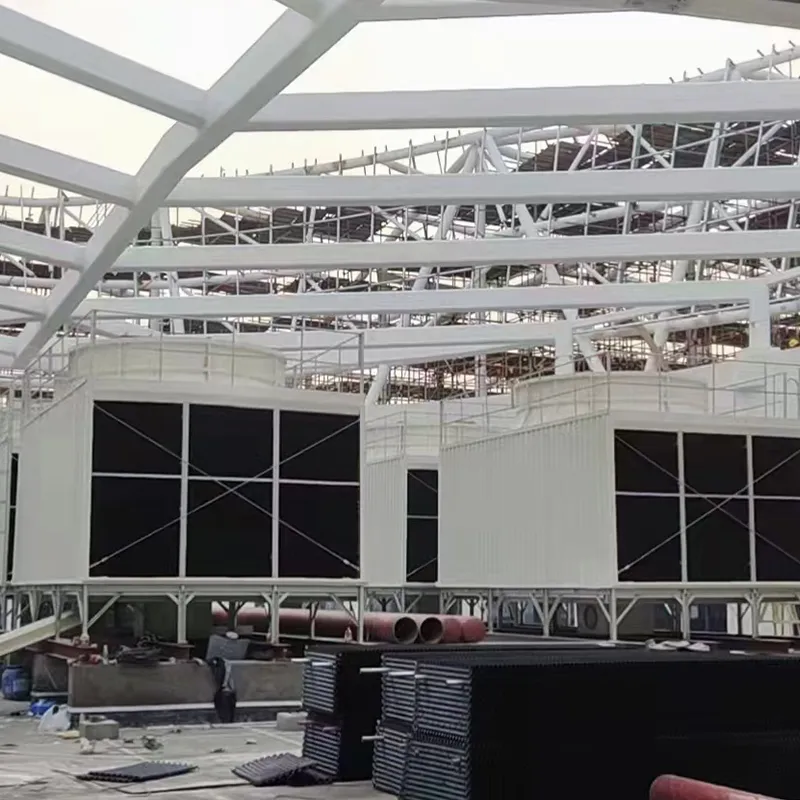
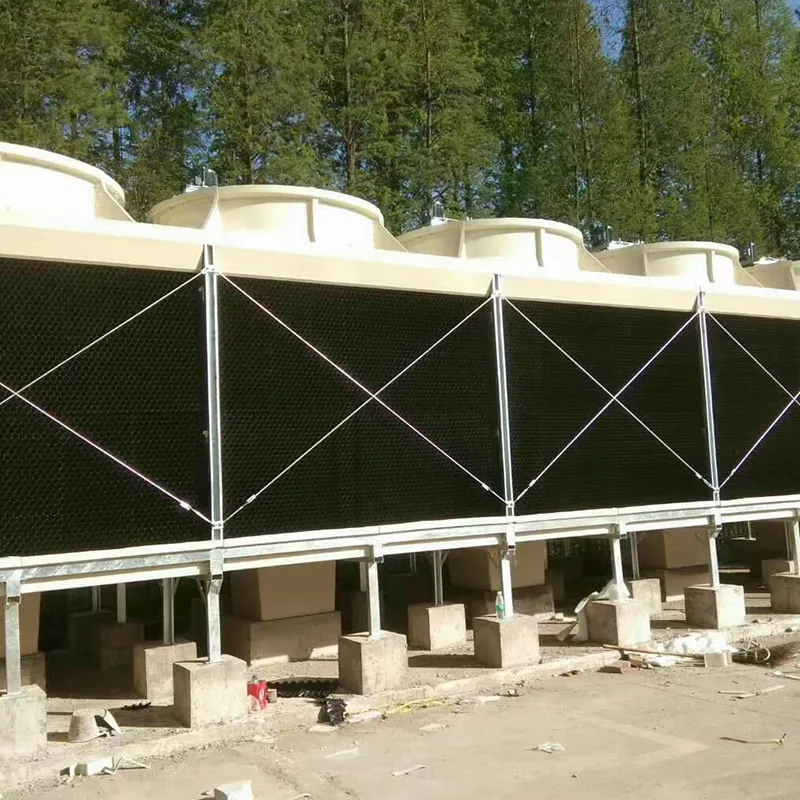
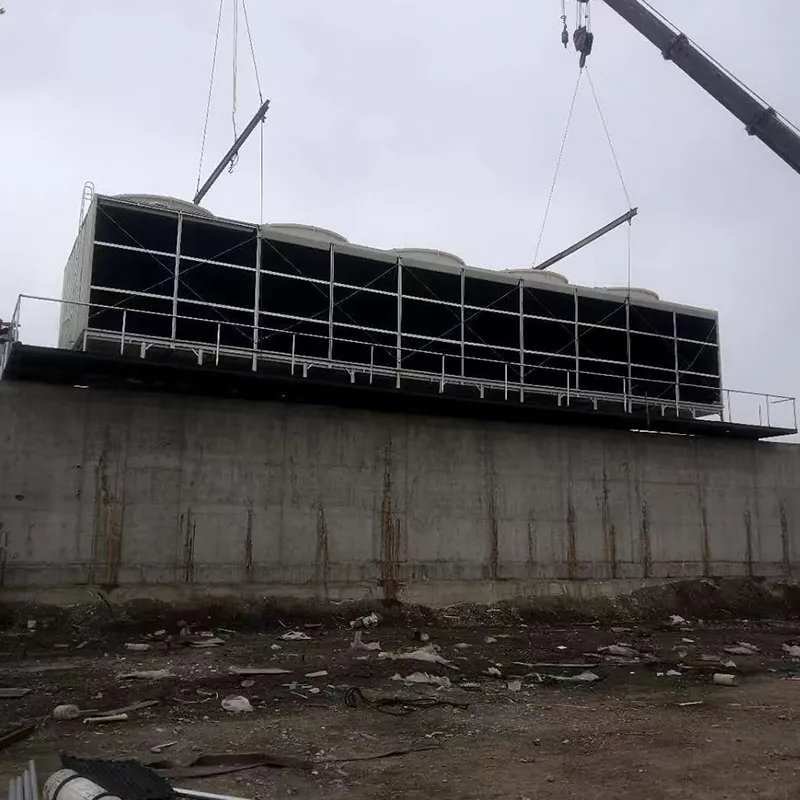
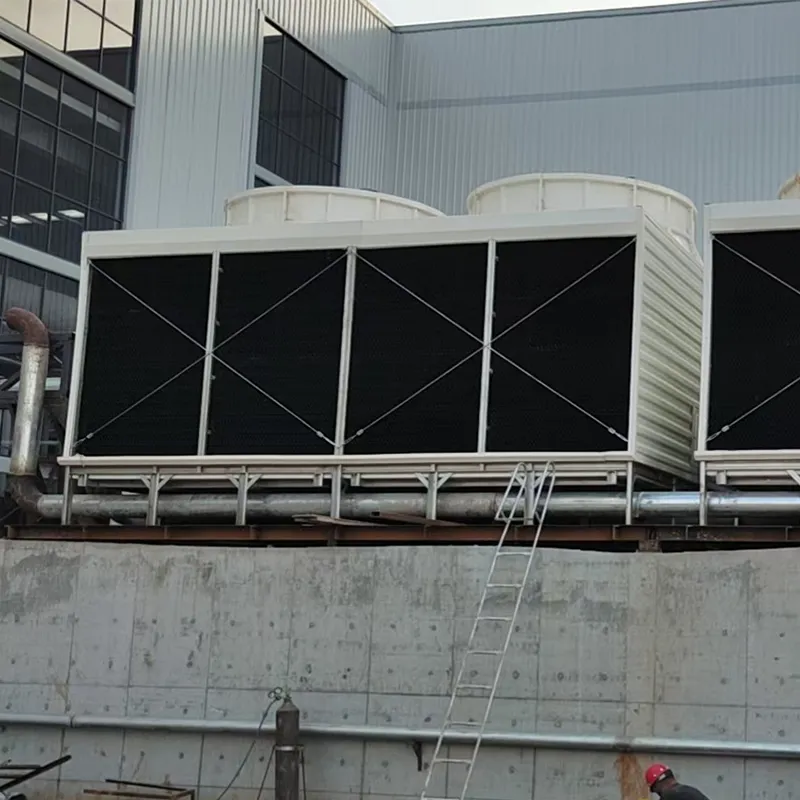
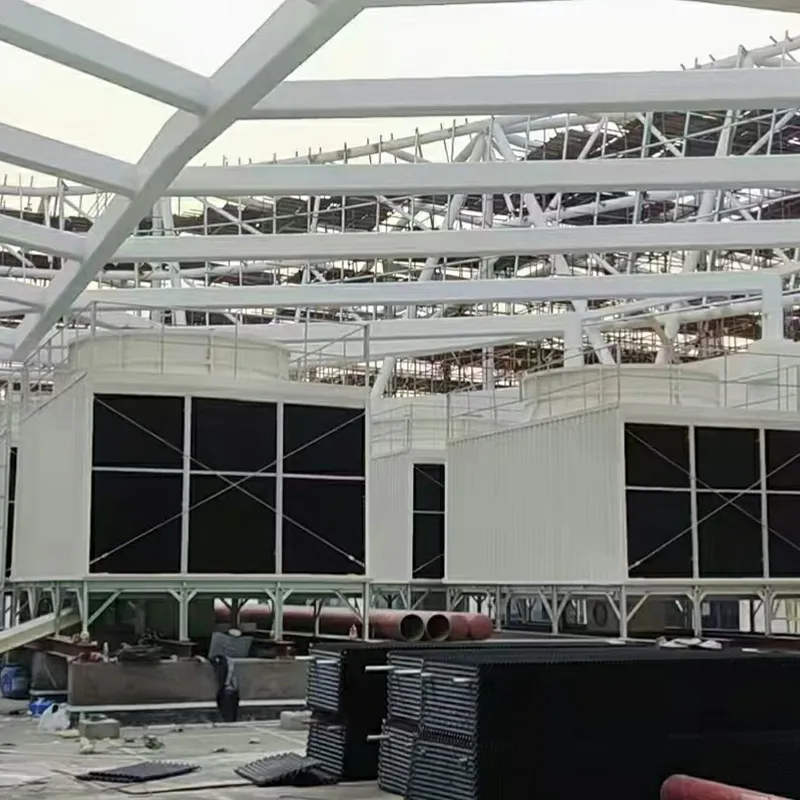
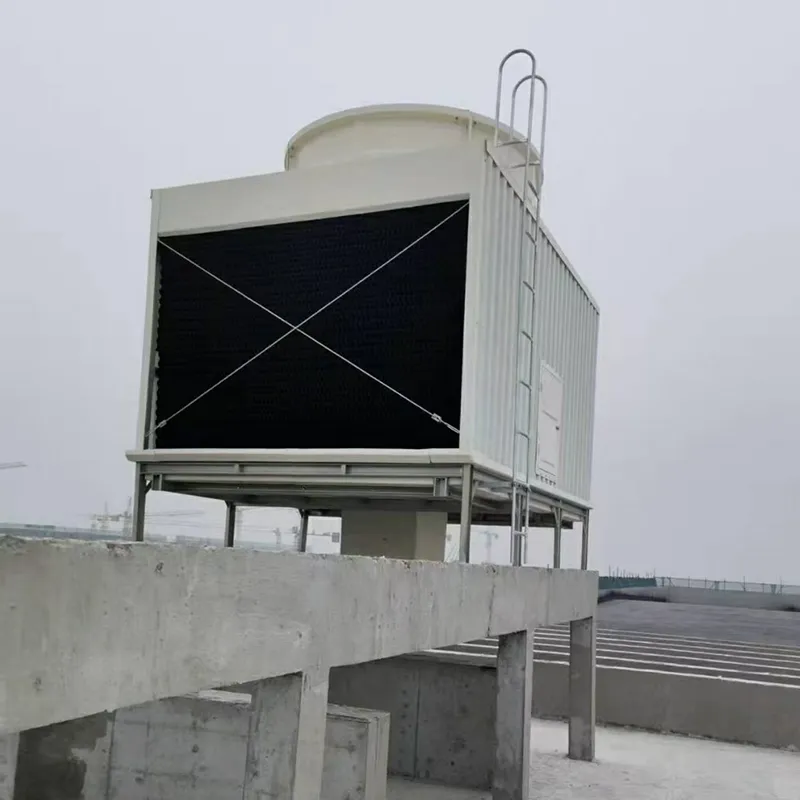
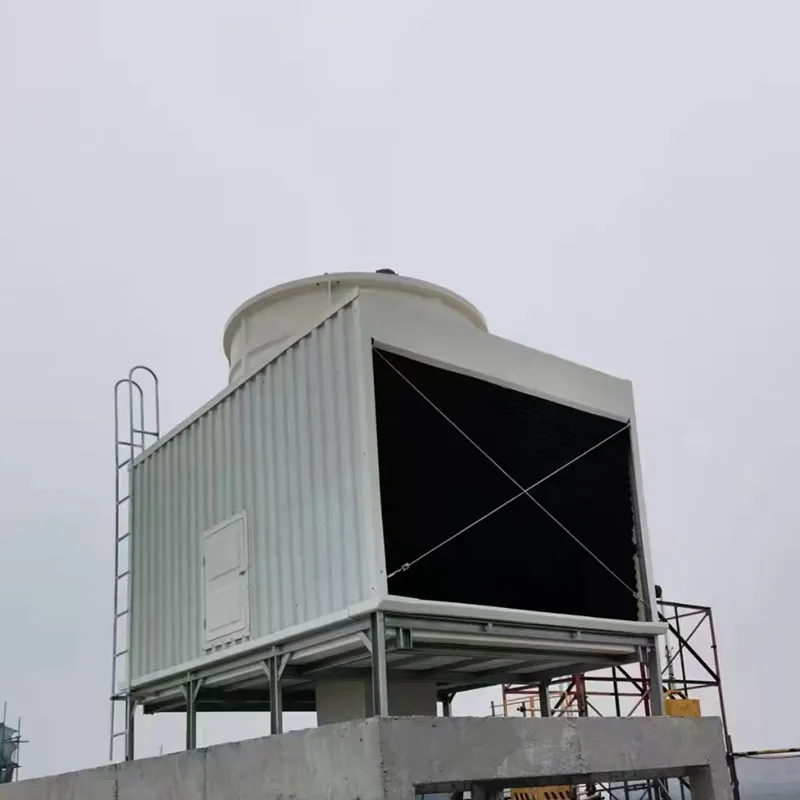
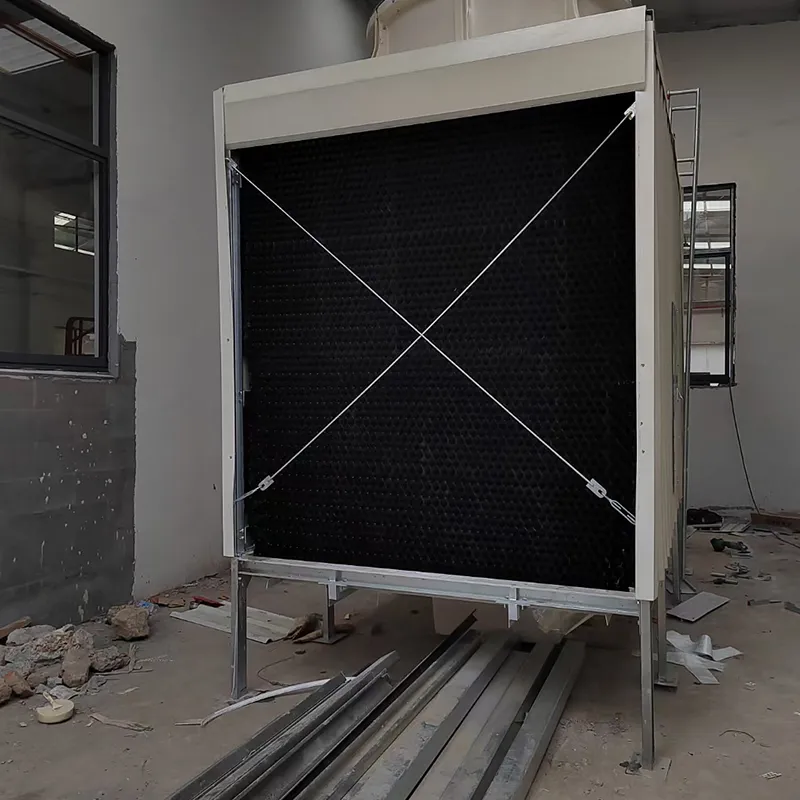
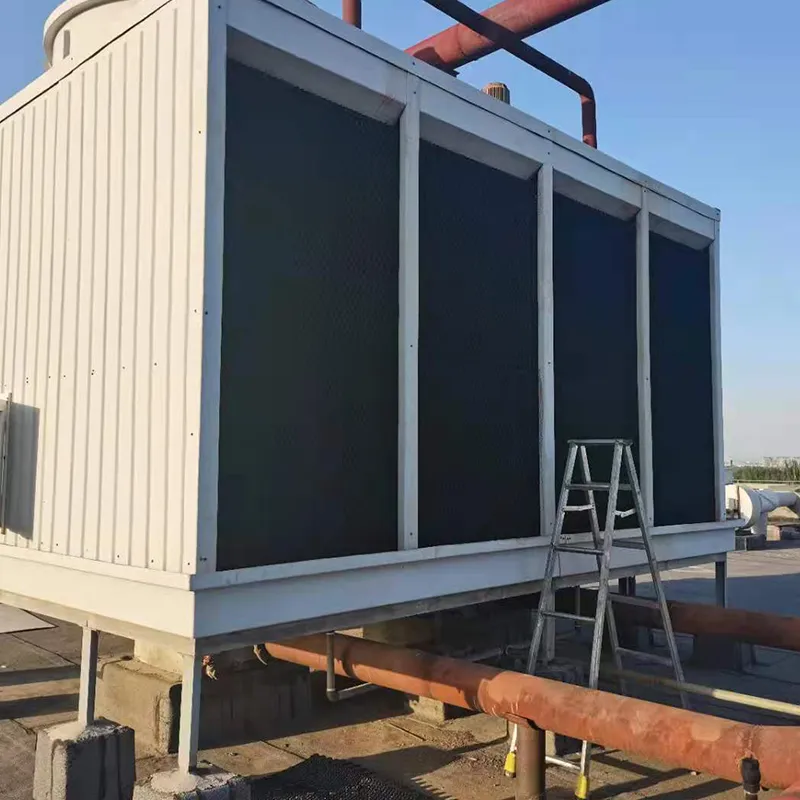
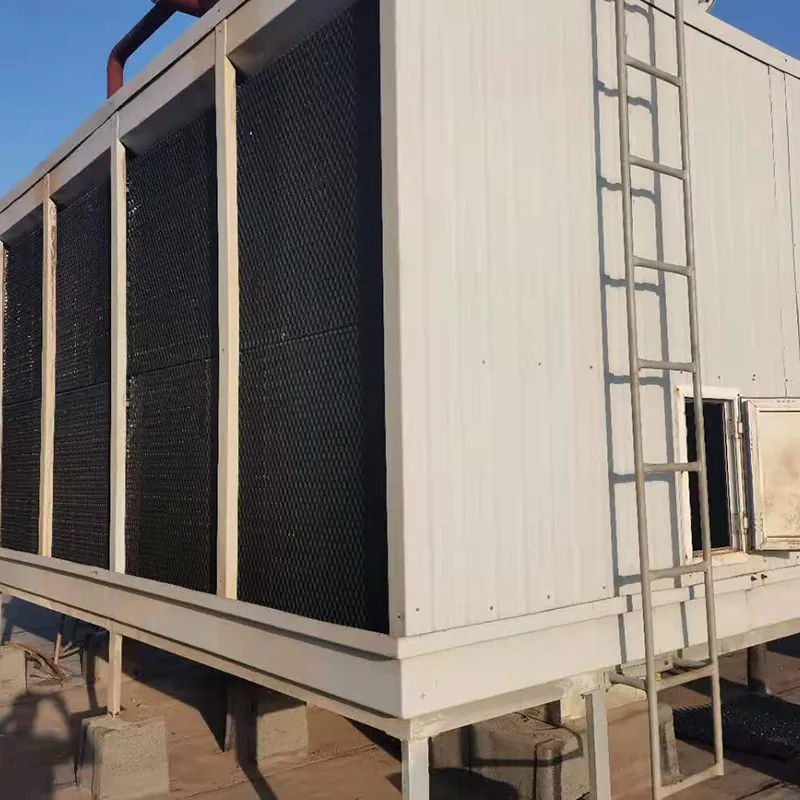
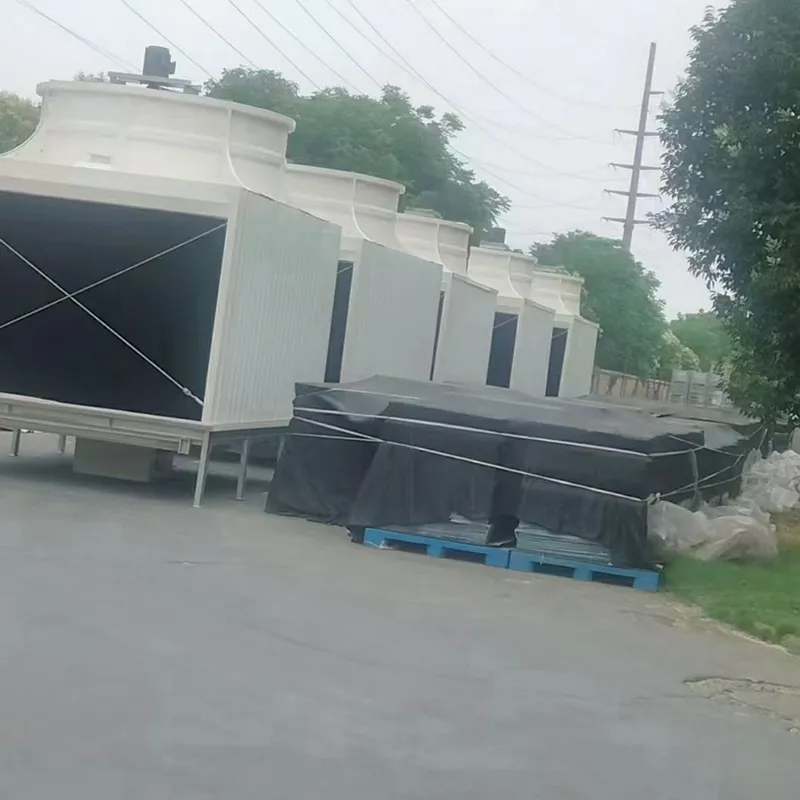
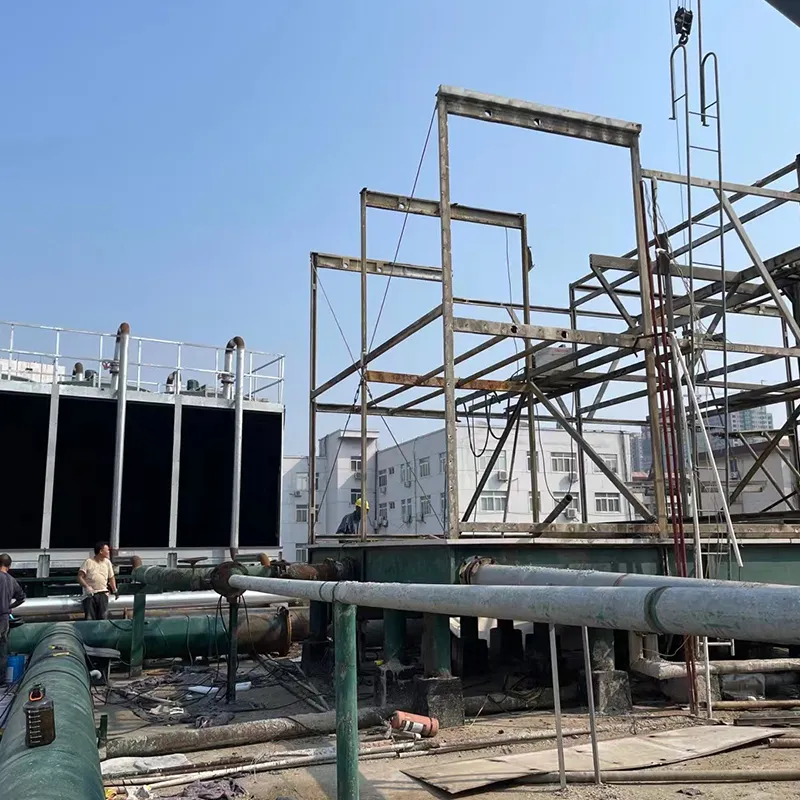
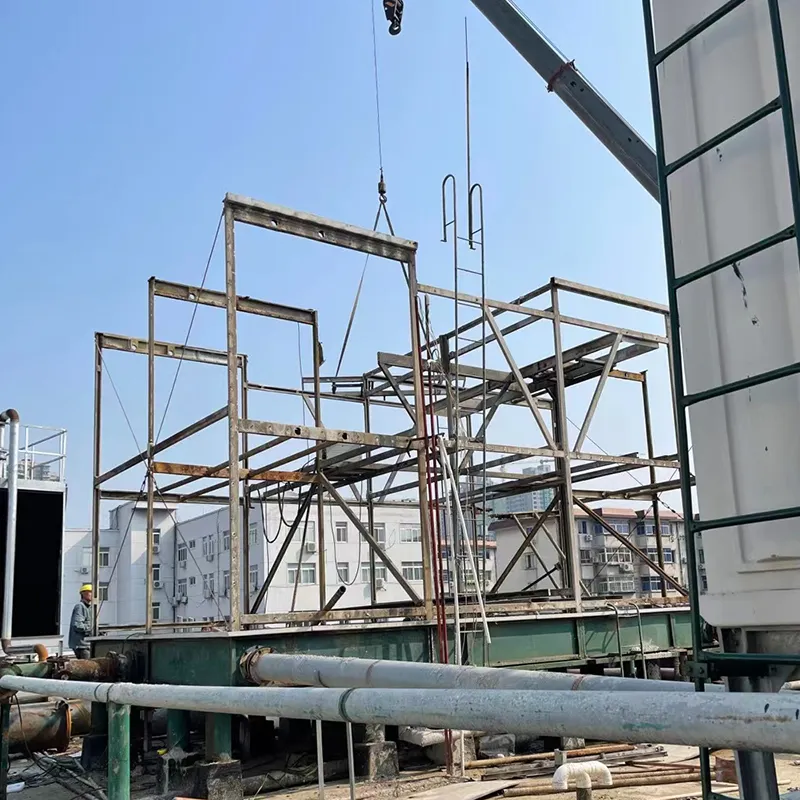
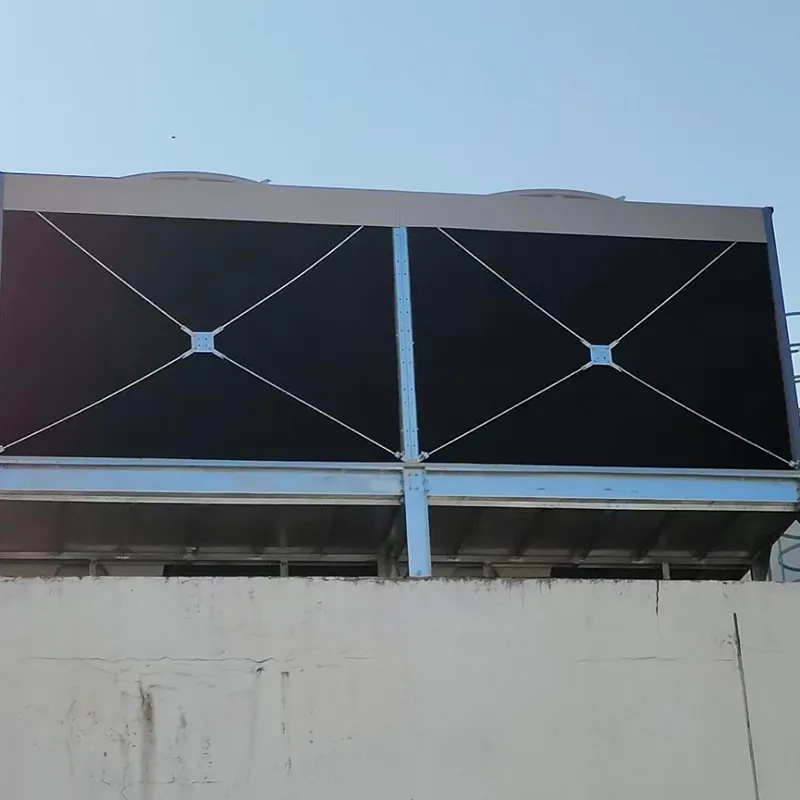
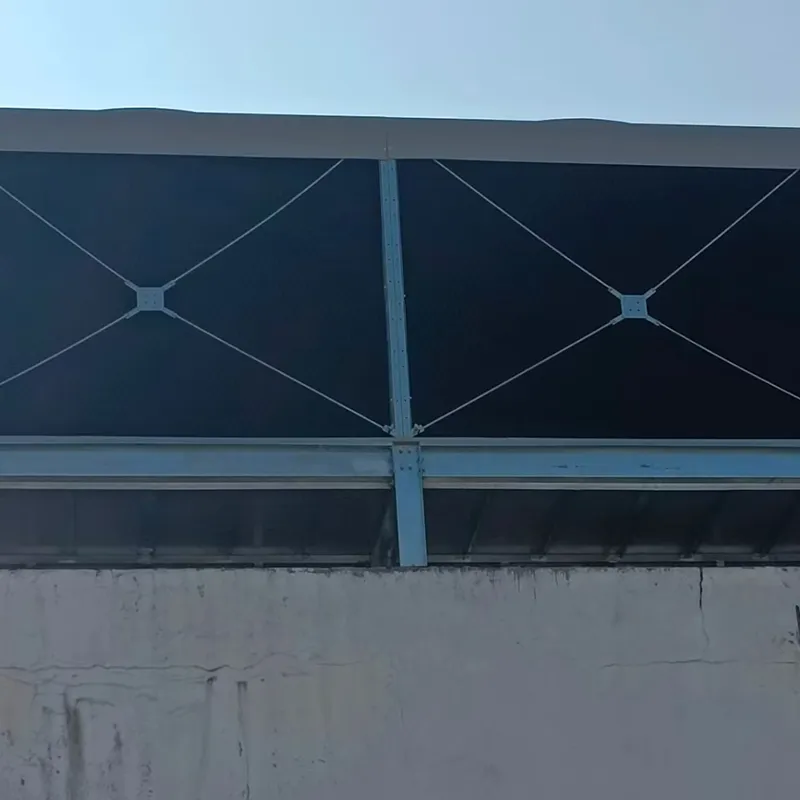
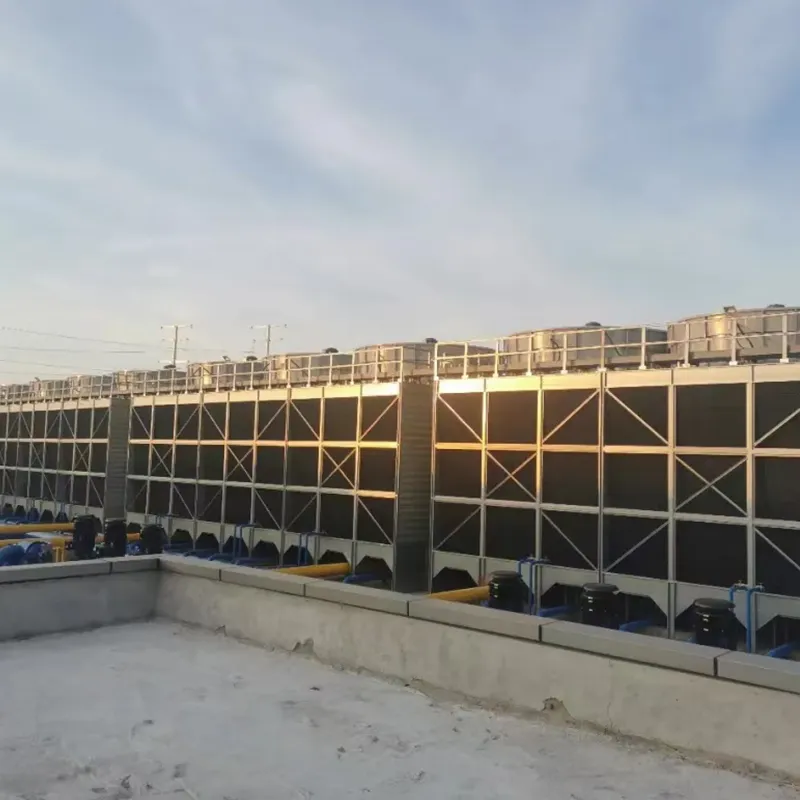
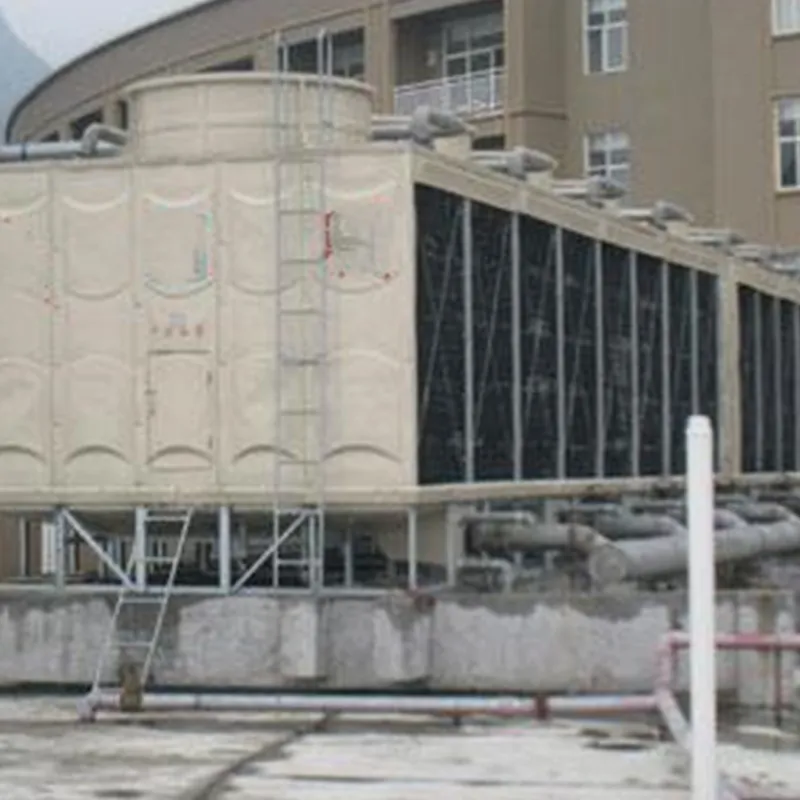
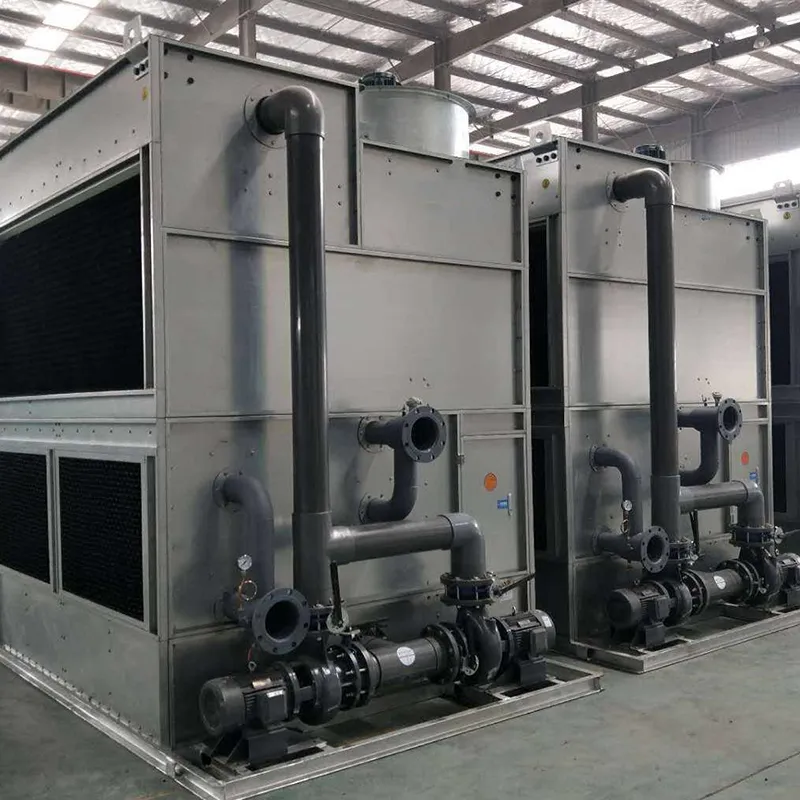
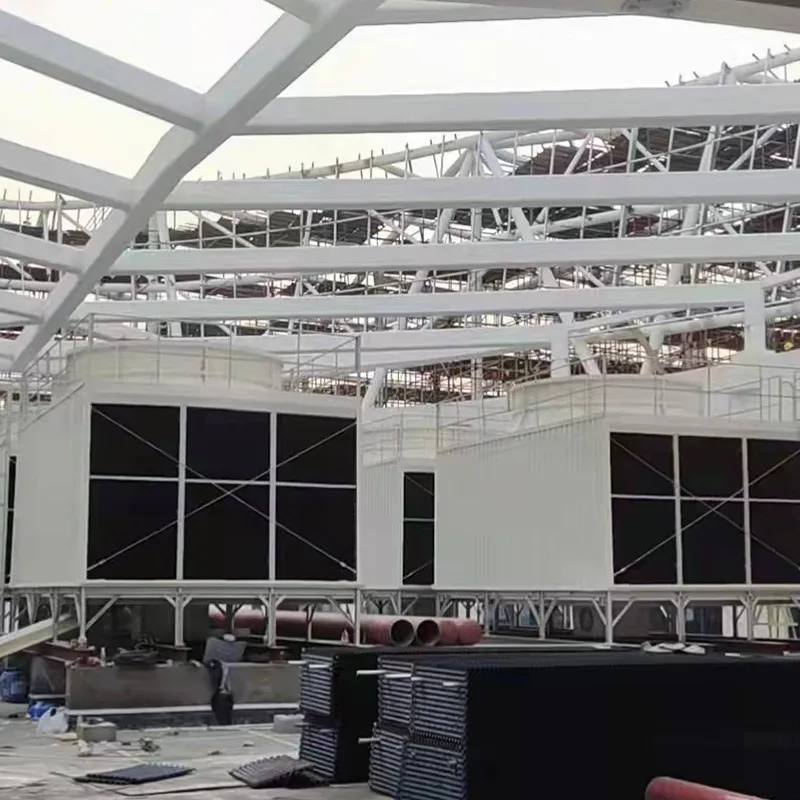
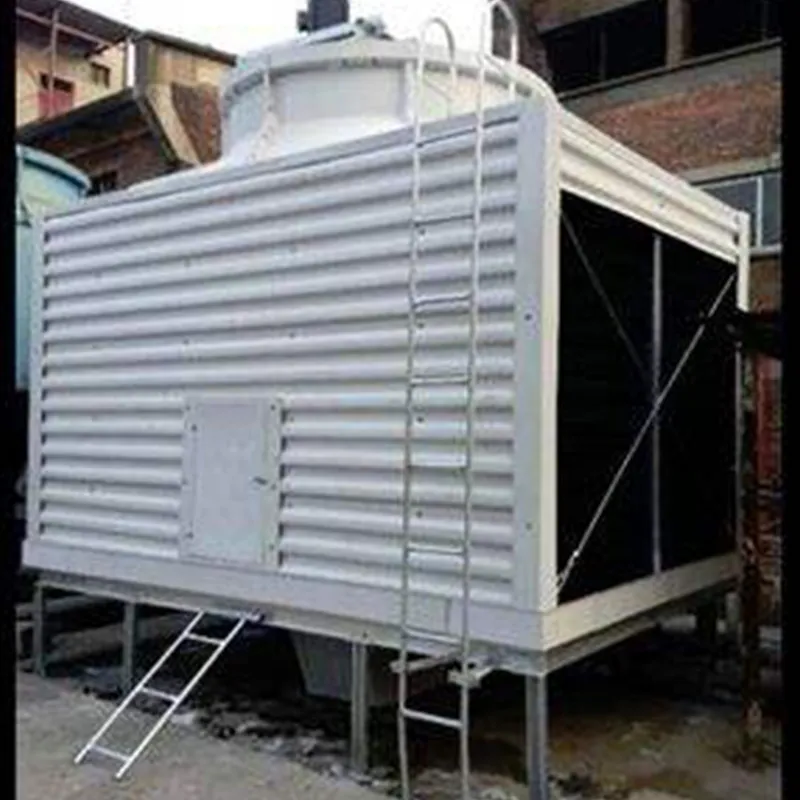
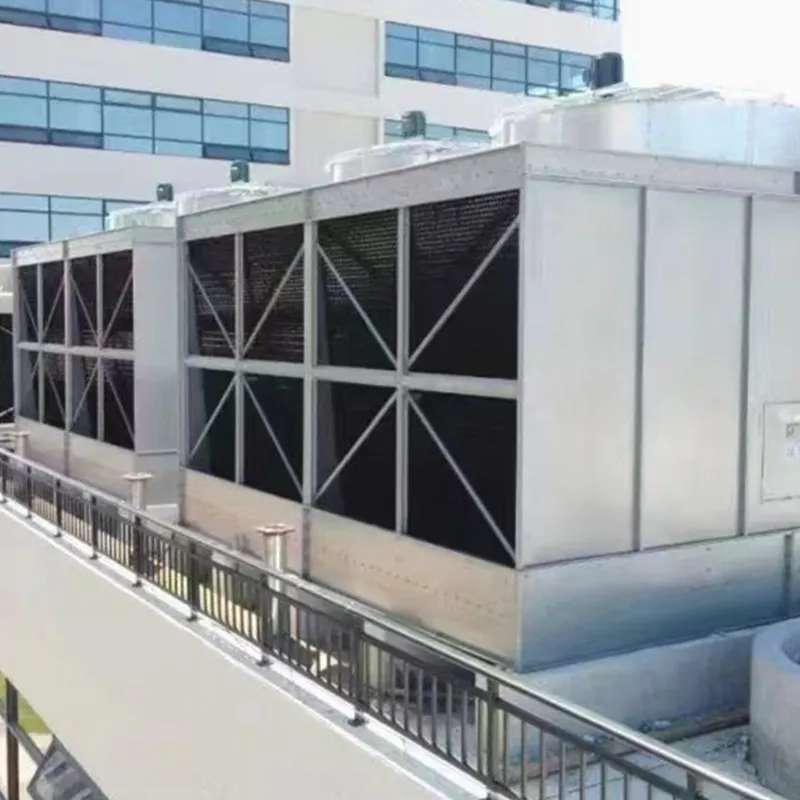
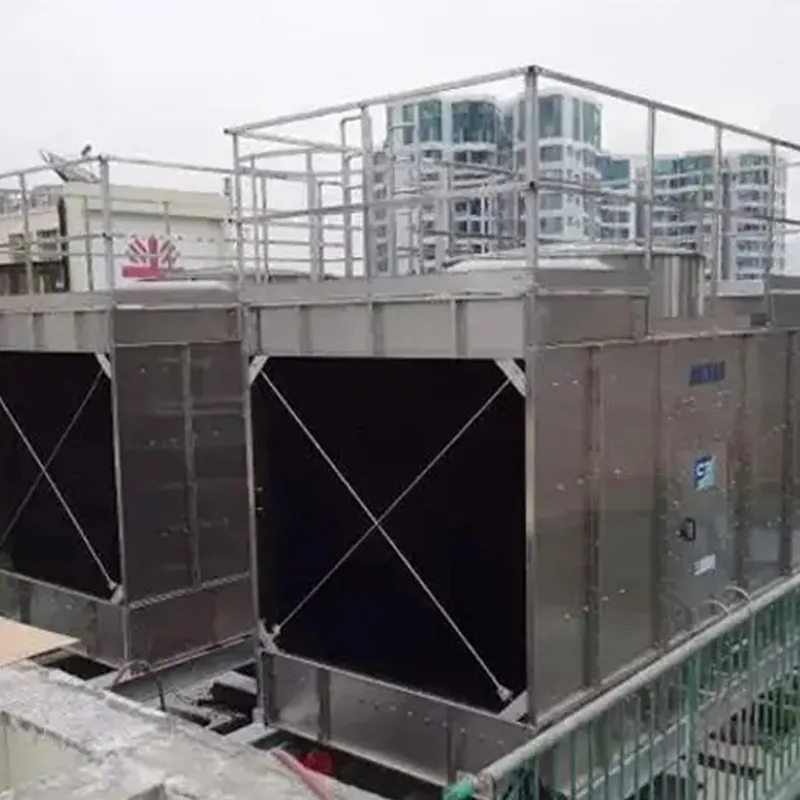
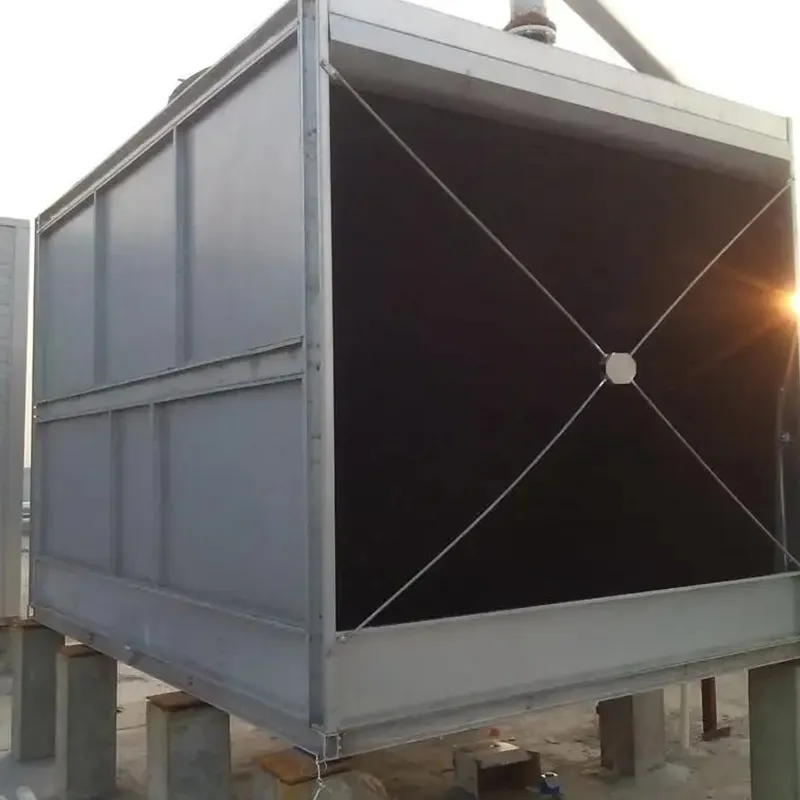
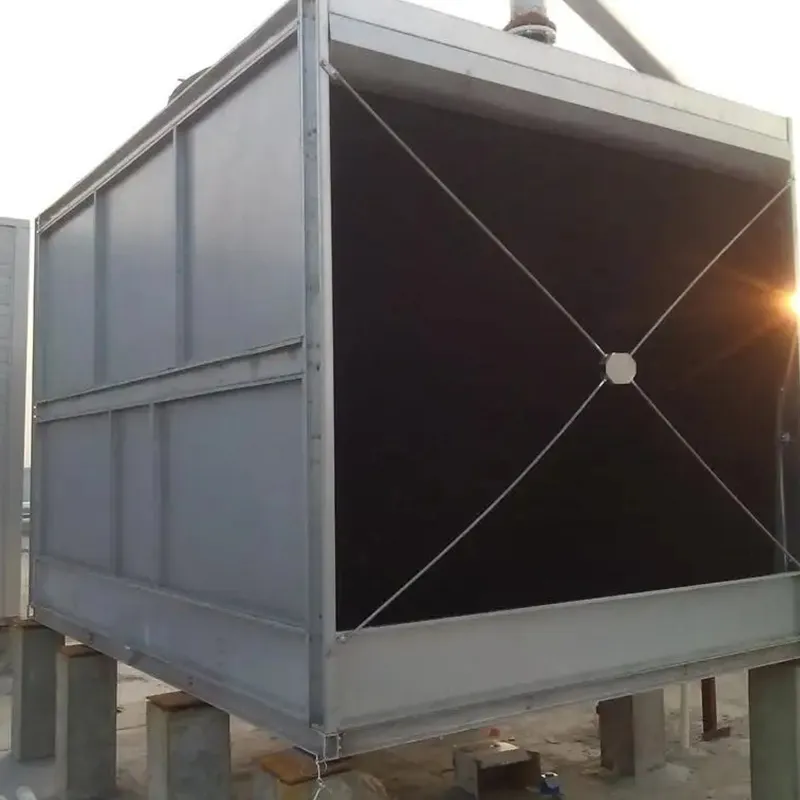
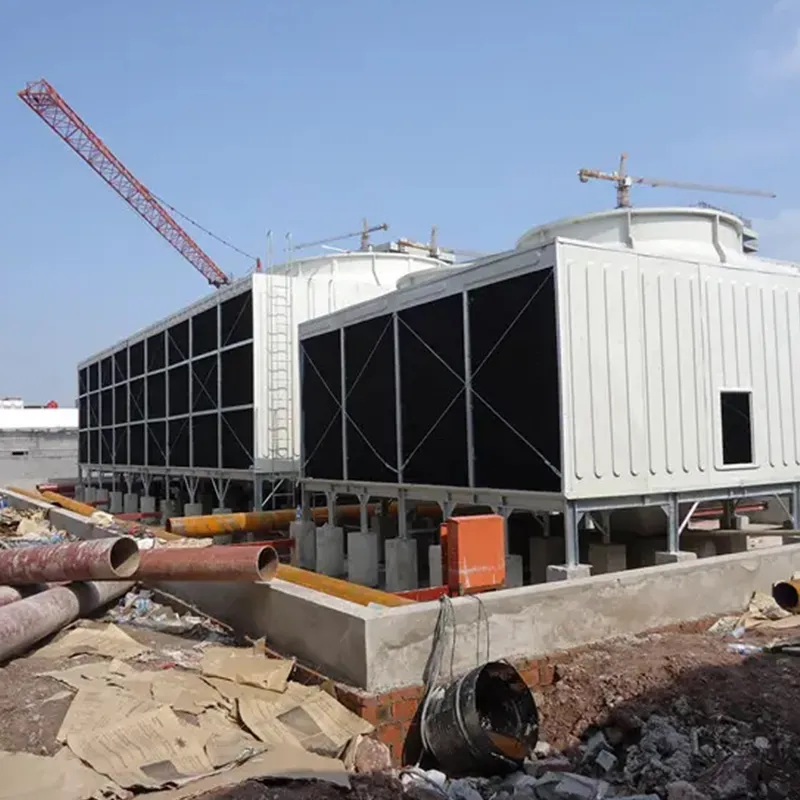
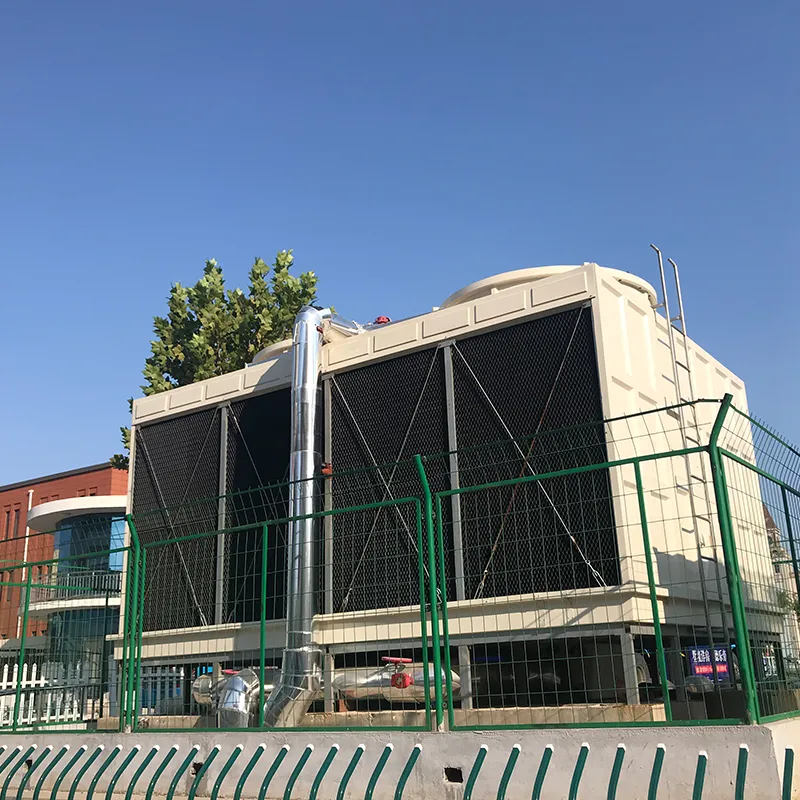
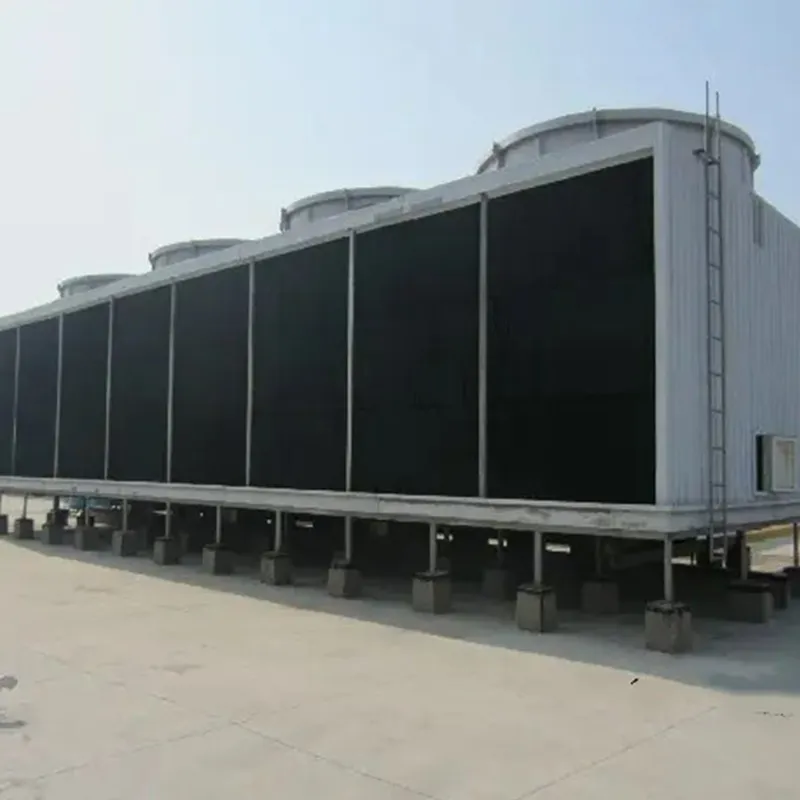
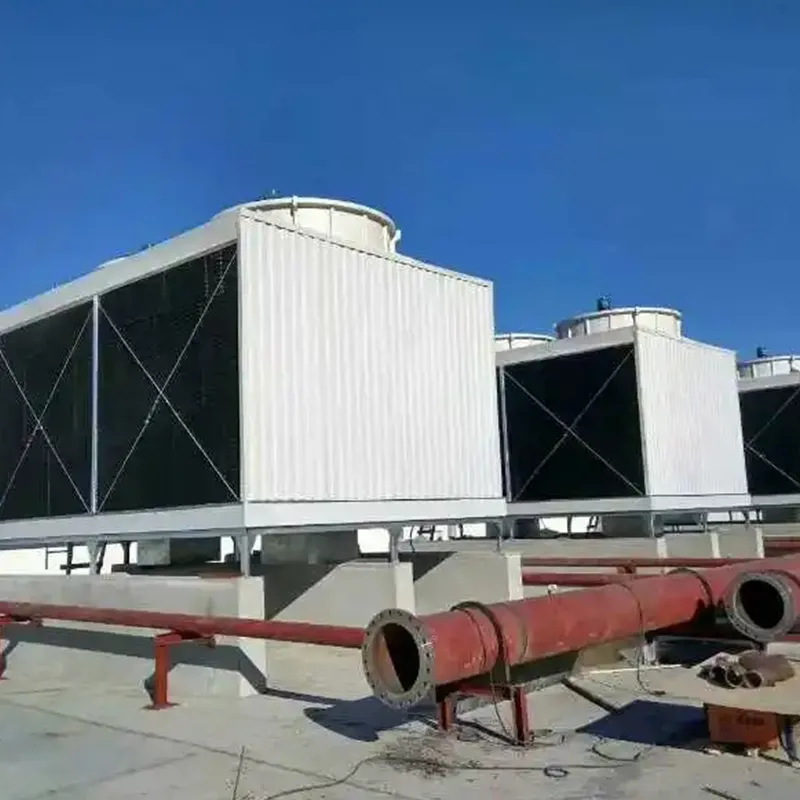
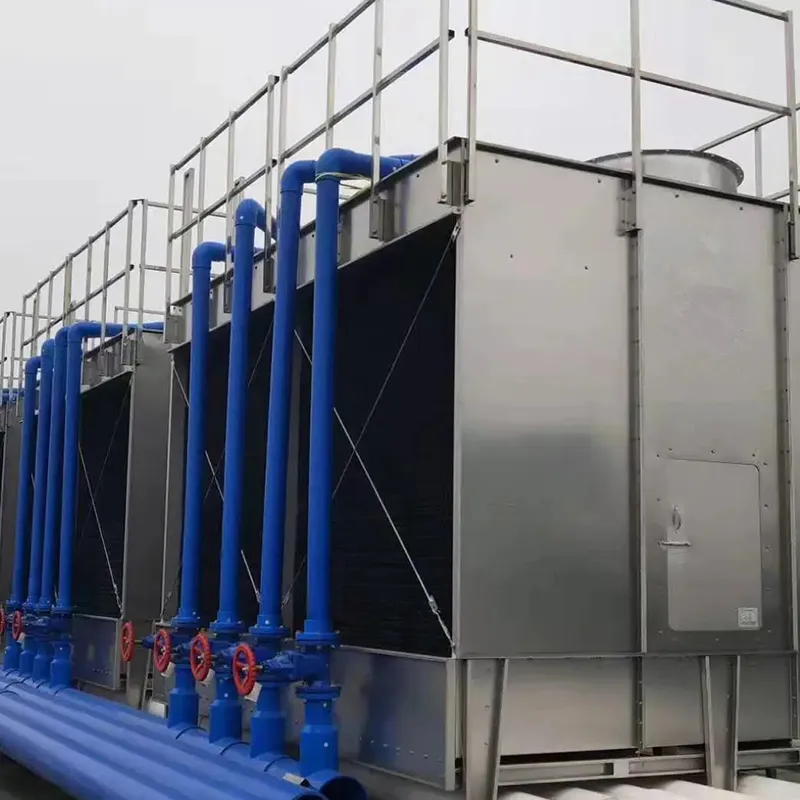
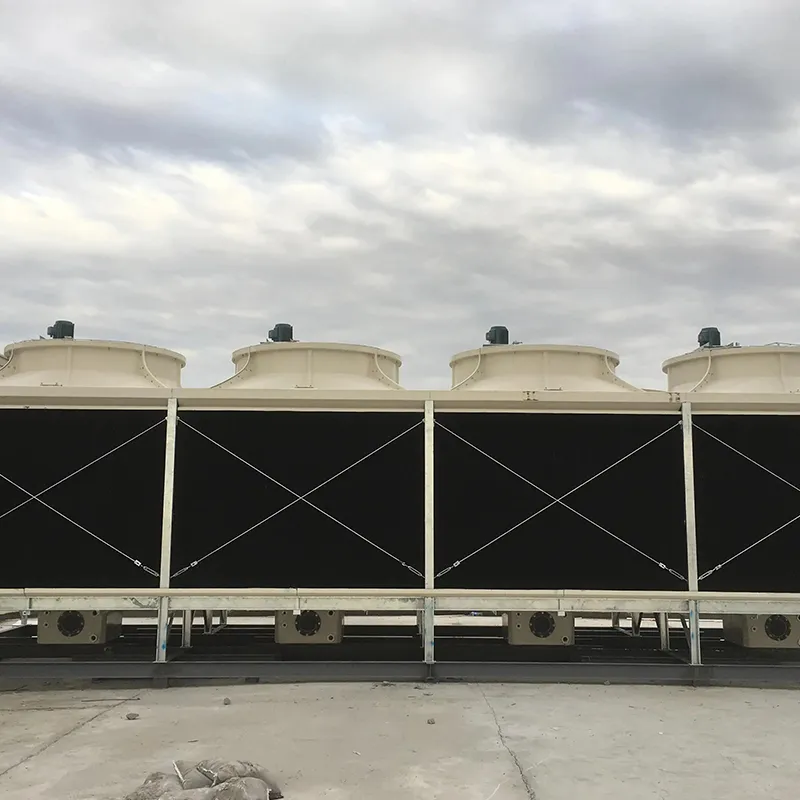
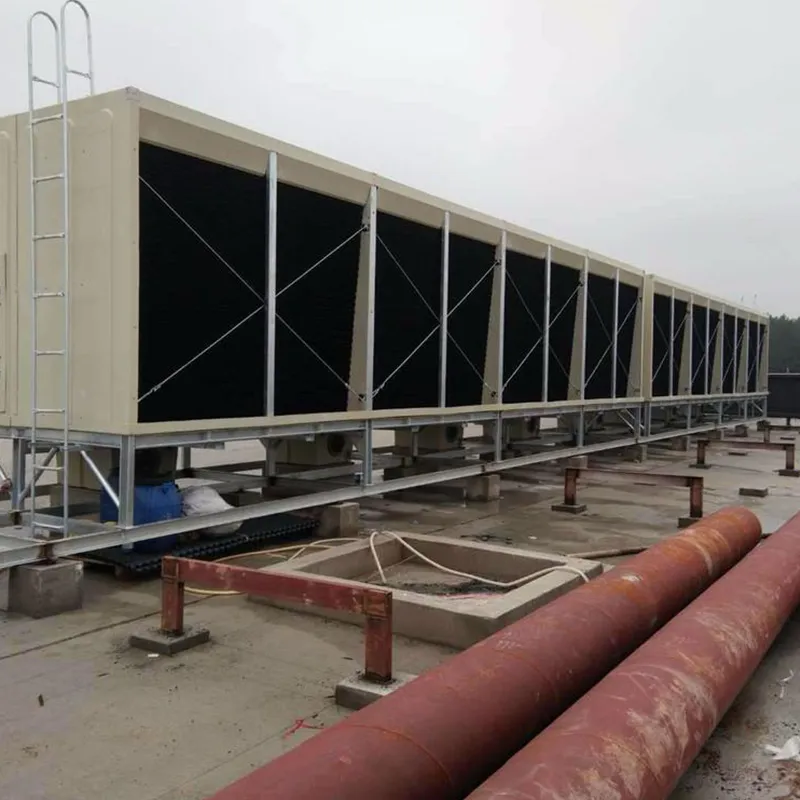
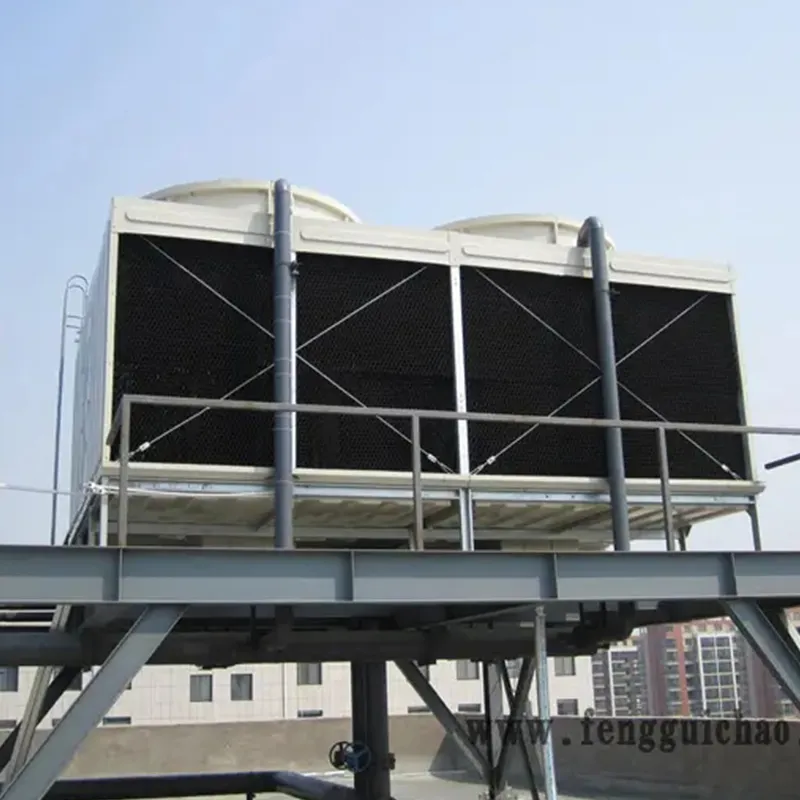
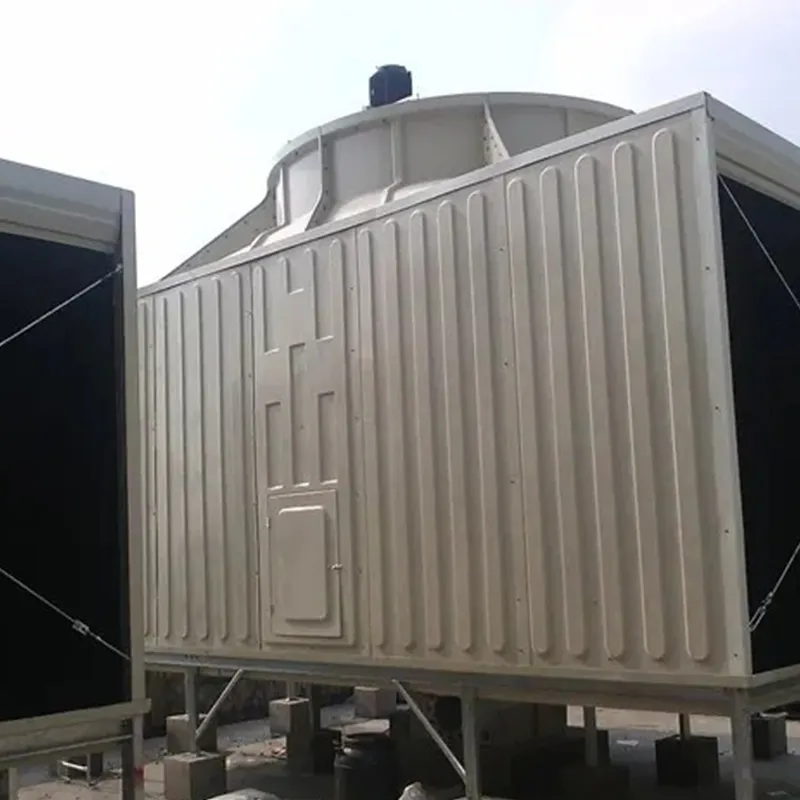
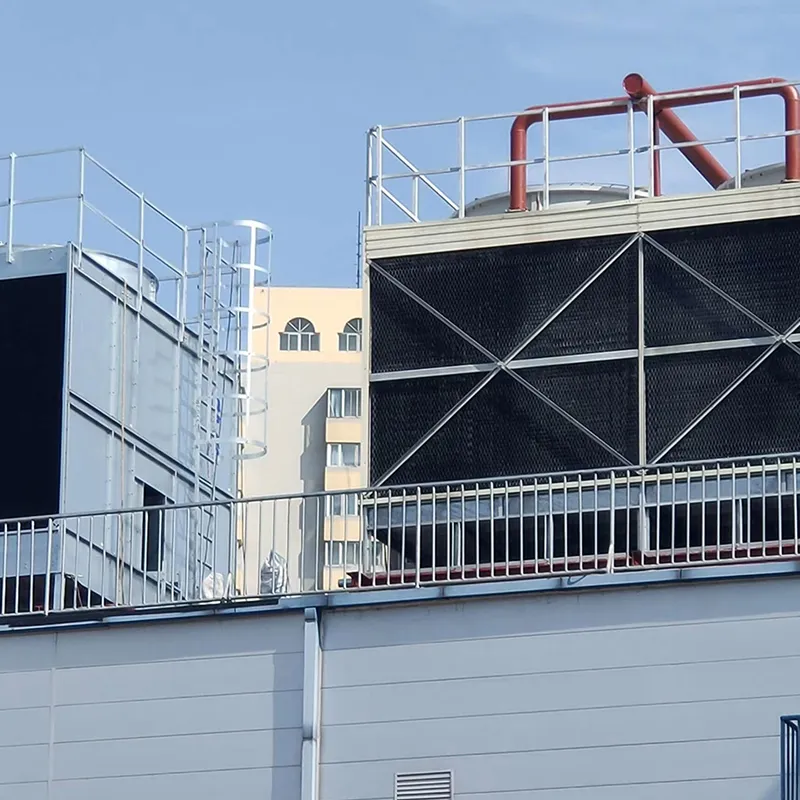
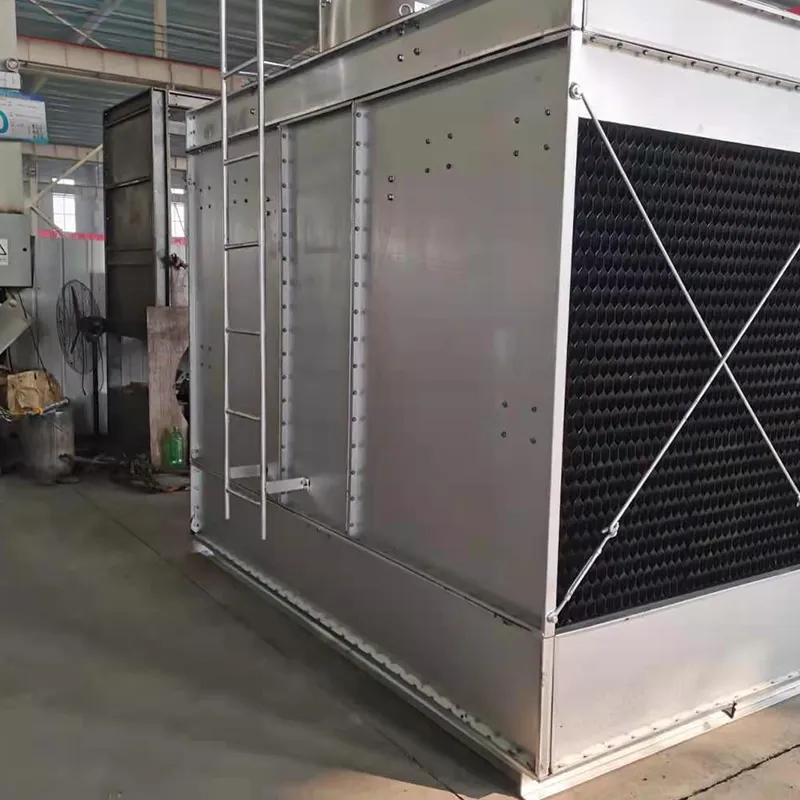
空調冷却塔
空調冷却塔の技術紹介
1. Overview
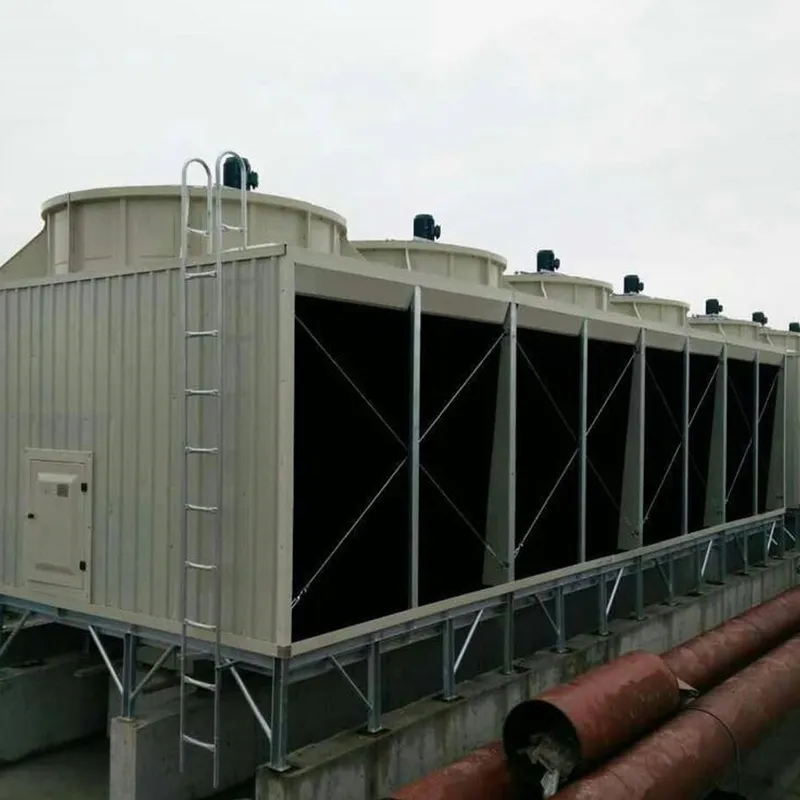
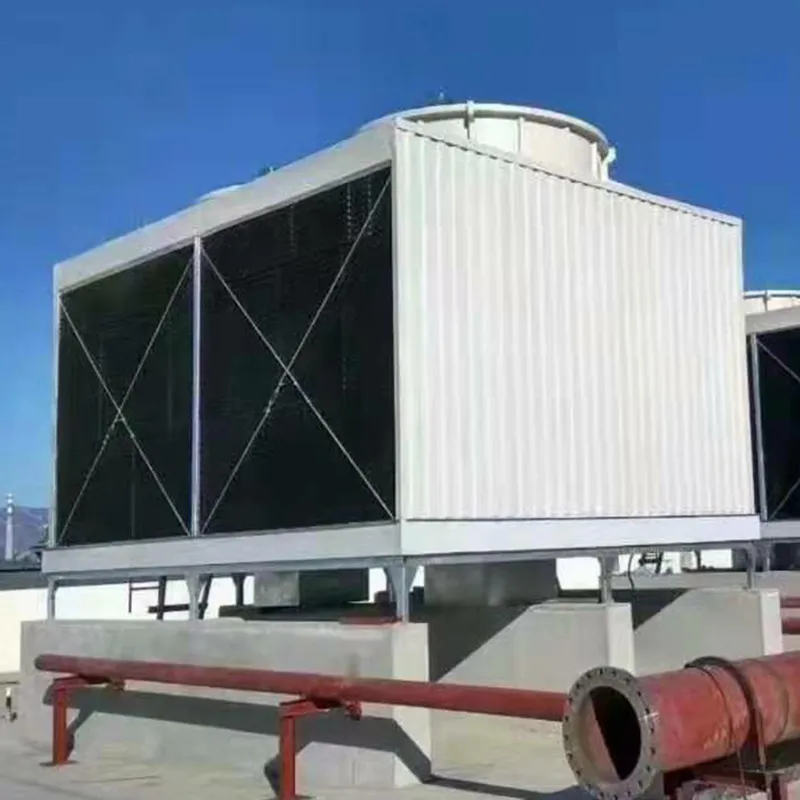
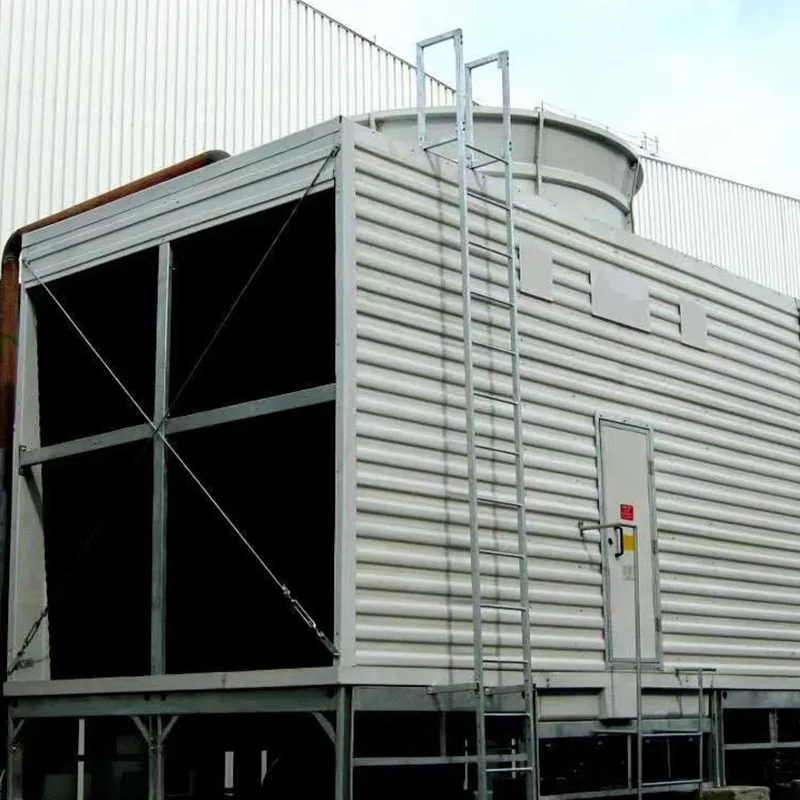
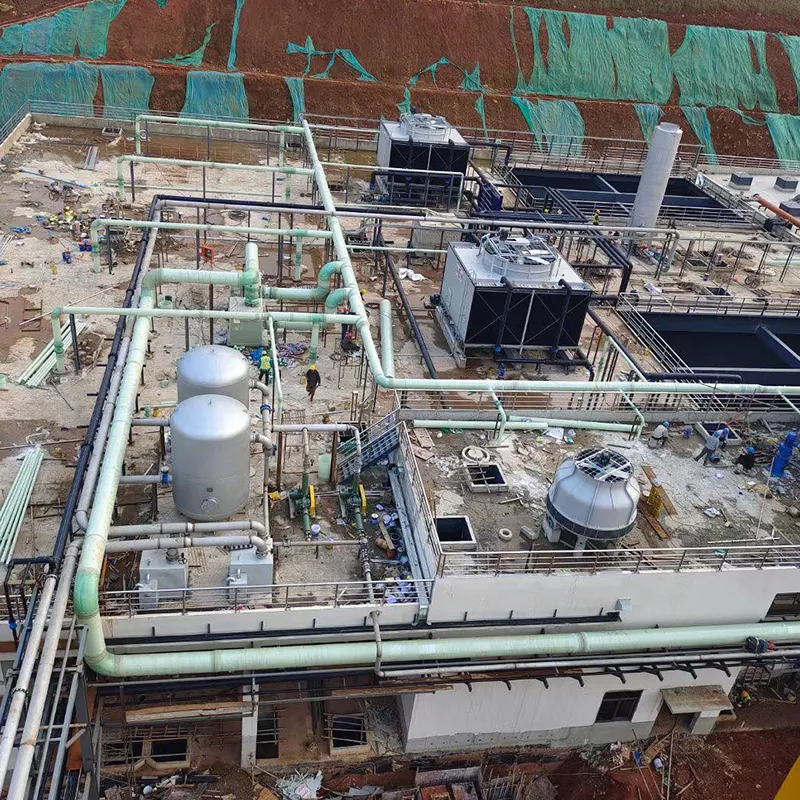
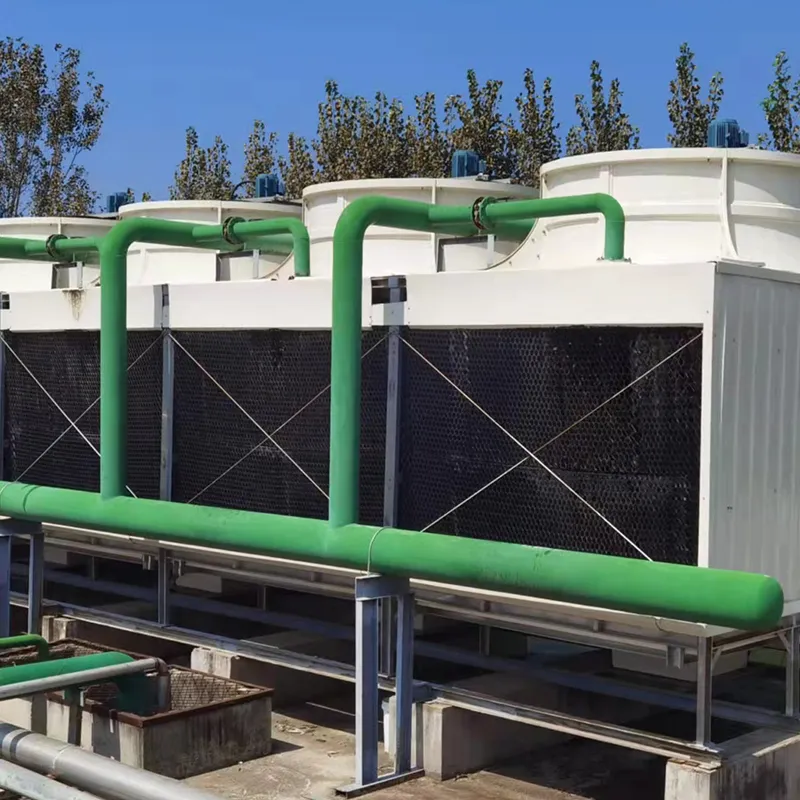
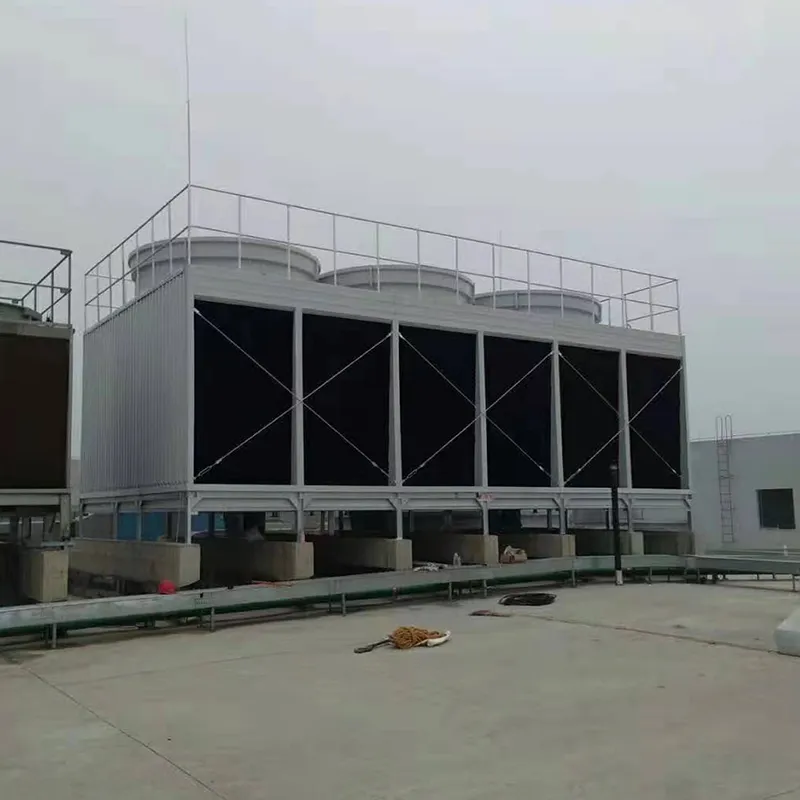
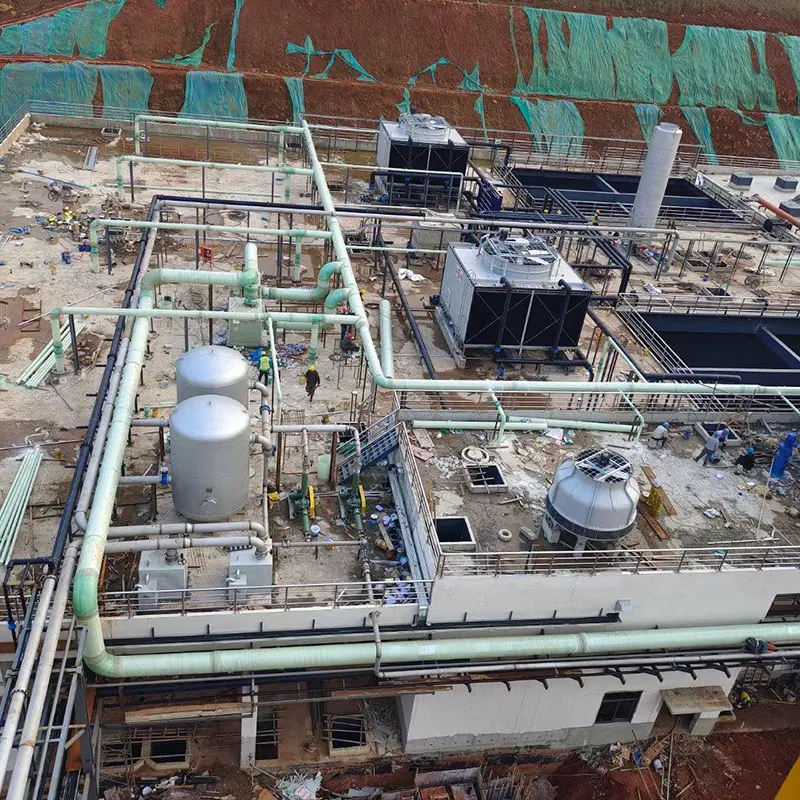
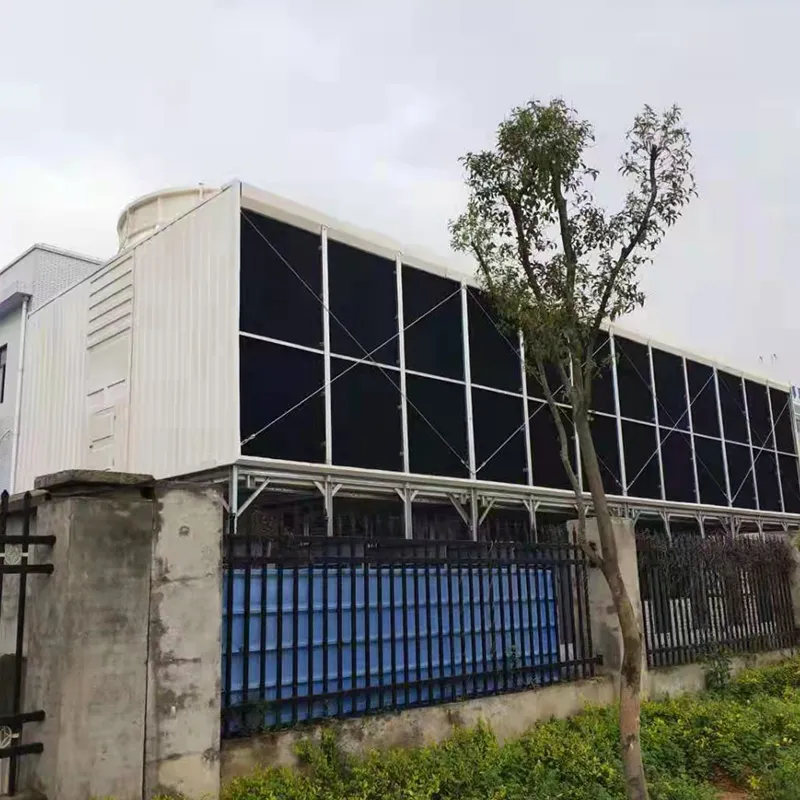
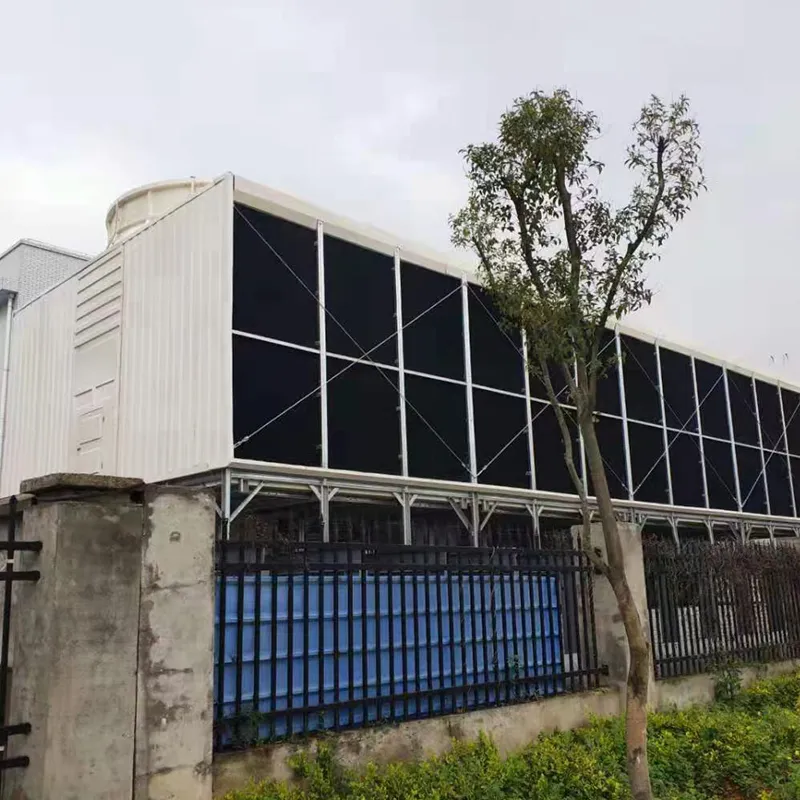
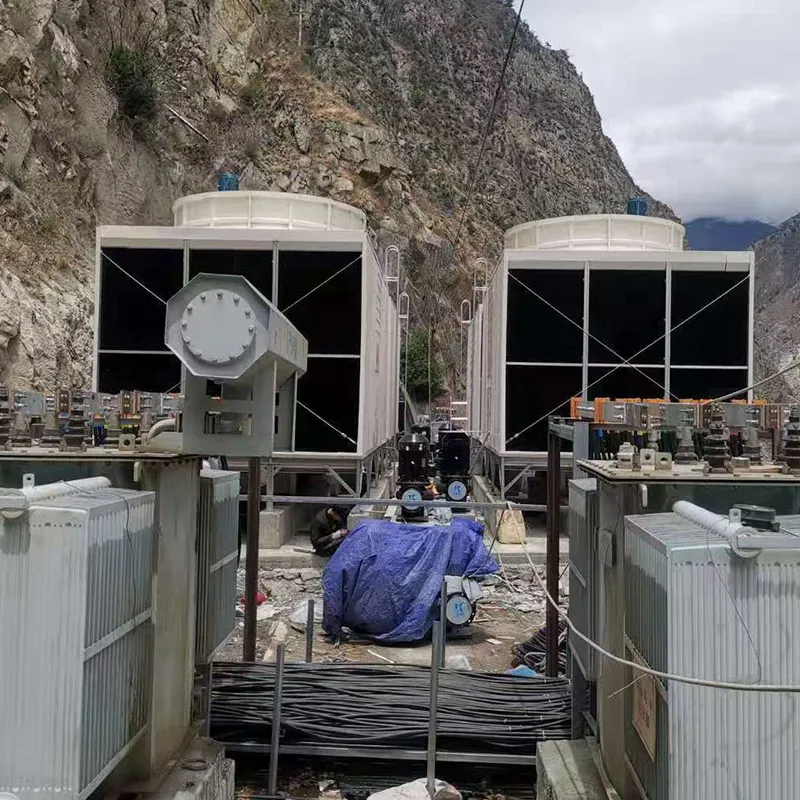
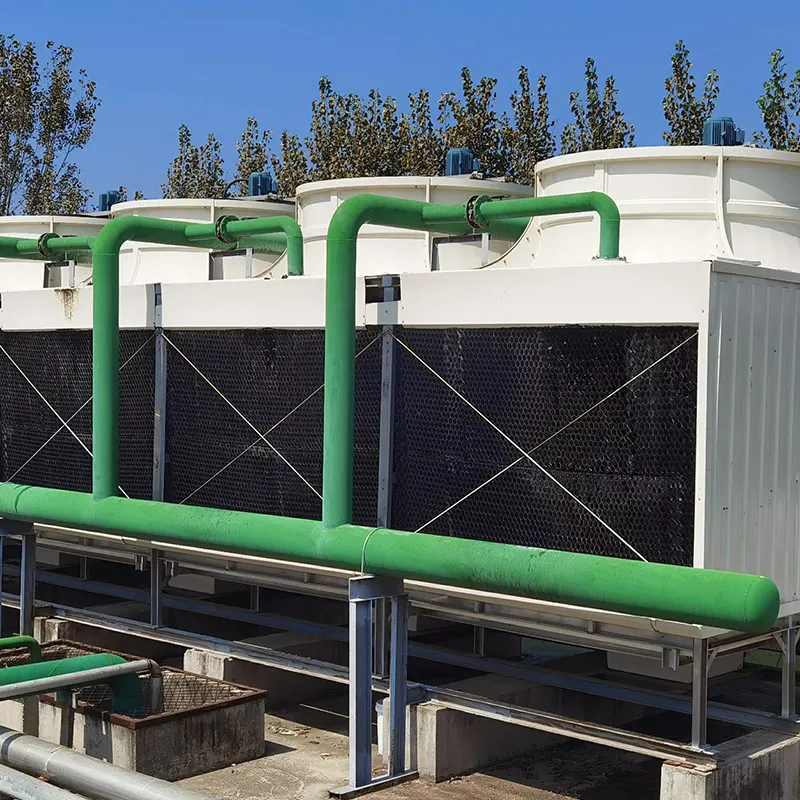
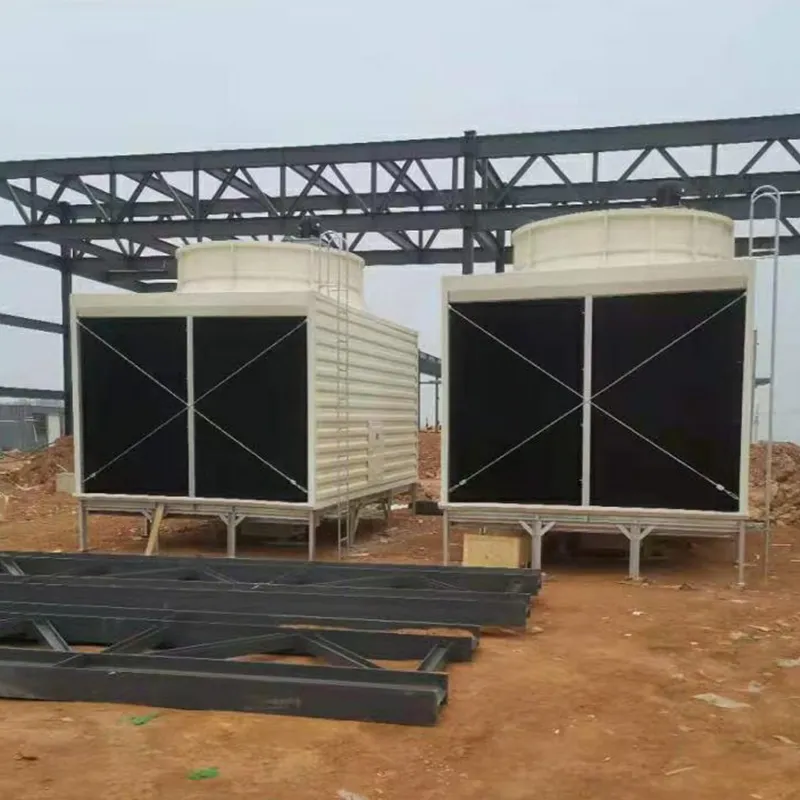
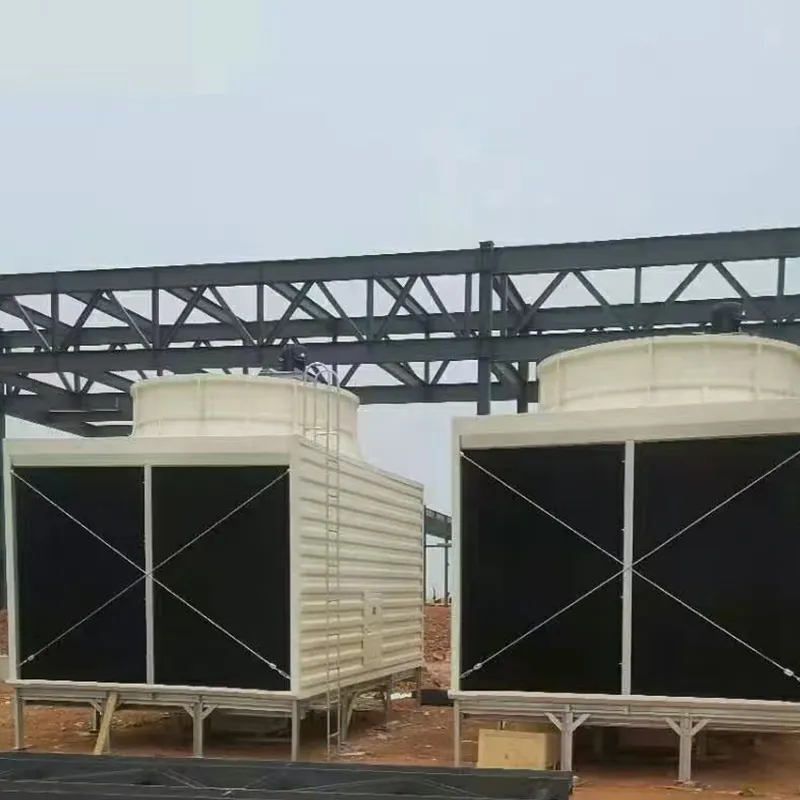
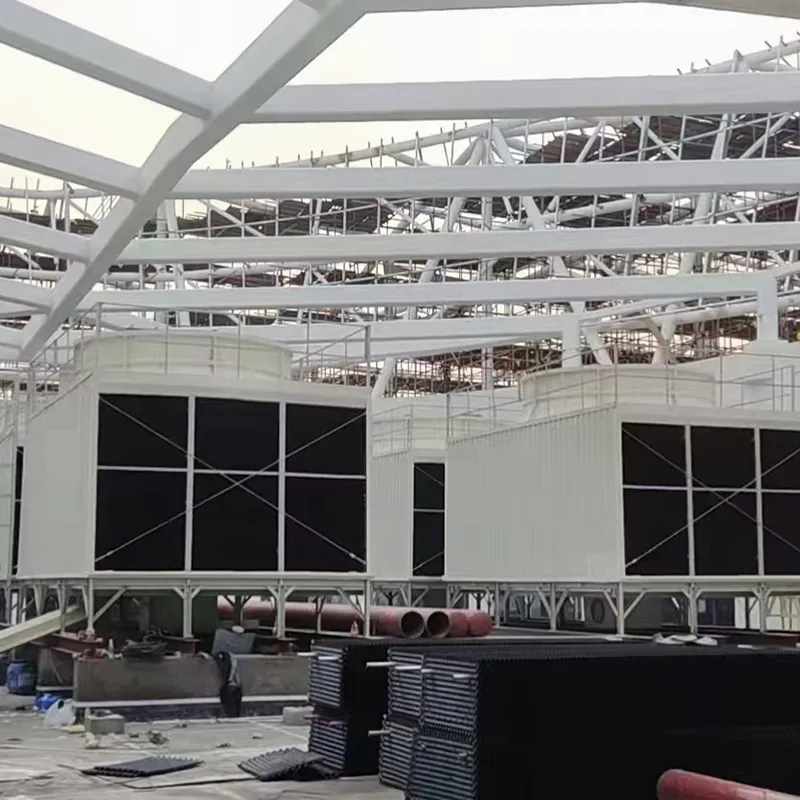
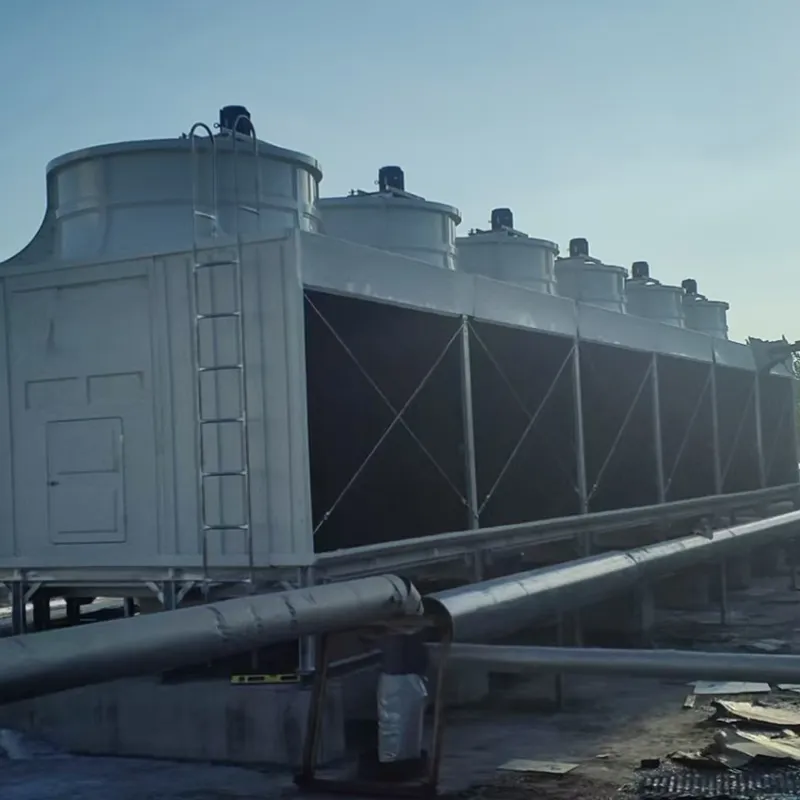
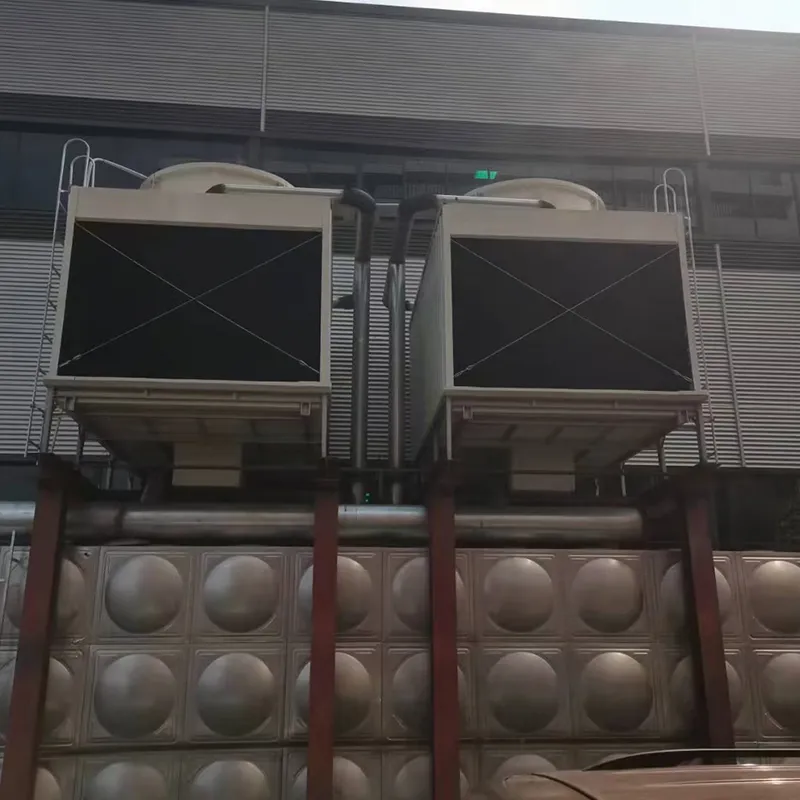
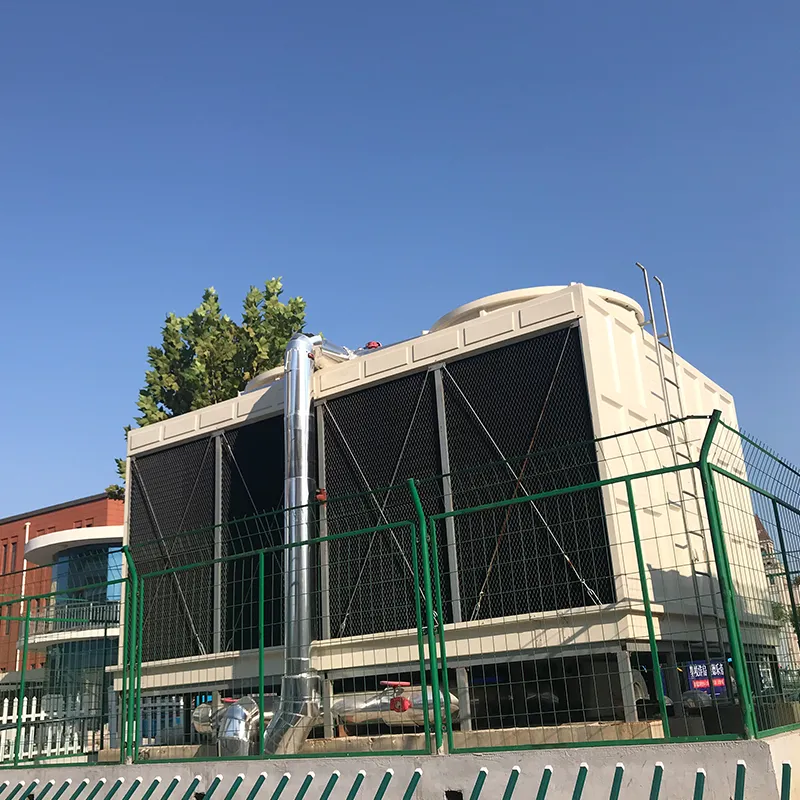
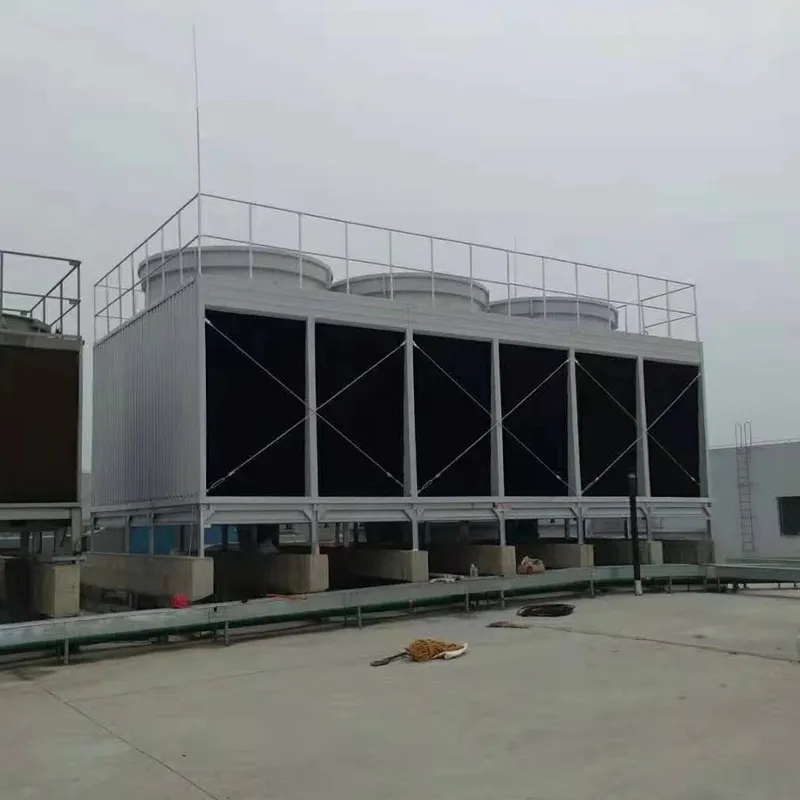
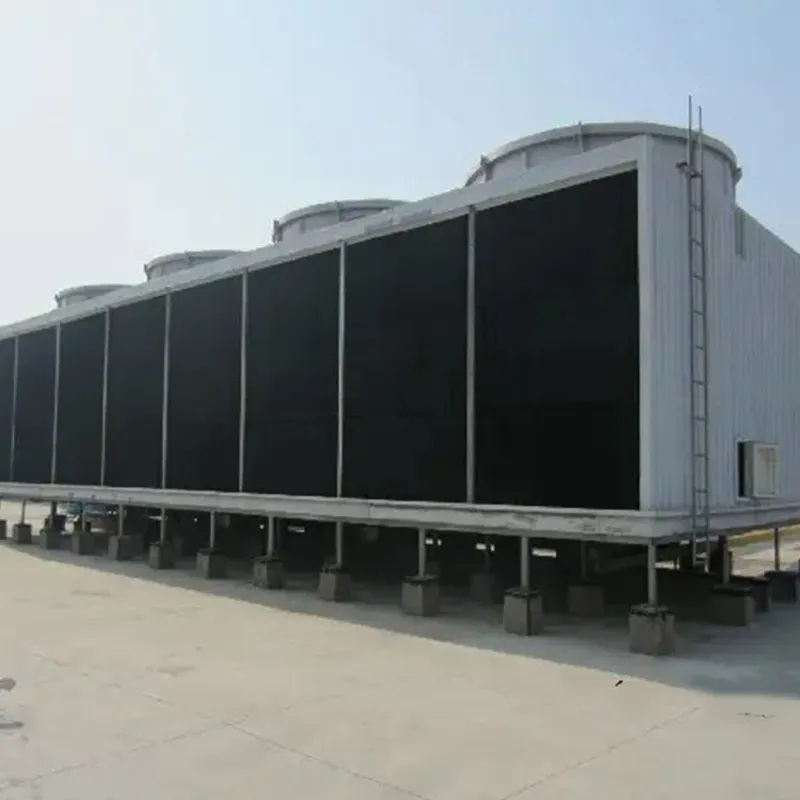
An air conditioning cooling tower is a critical heat rejection component in central HVAC systems, designed to dissipate waste heat from condensers into the atmosphere via **evaporative cooling**. It ensures efficient operation of refrigeration cycles and is widely used in commercial buildings (e.g., offices, hospitals, hotels) and industrial facilities (e.g., data centers). Key design considerations include chiller capacity, ambient wet-bulb temperature, and spatial constraints.
2. 動作原理
1. Hot Water Inlet: Hot water (typically 37°C) from the chiller condenser enters the cooling tower.
2. Water Distribution: Spray nozzles evenly distribute water over the fill media.
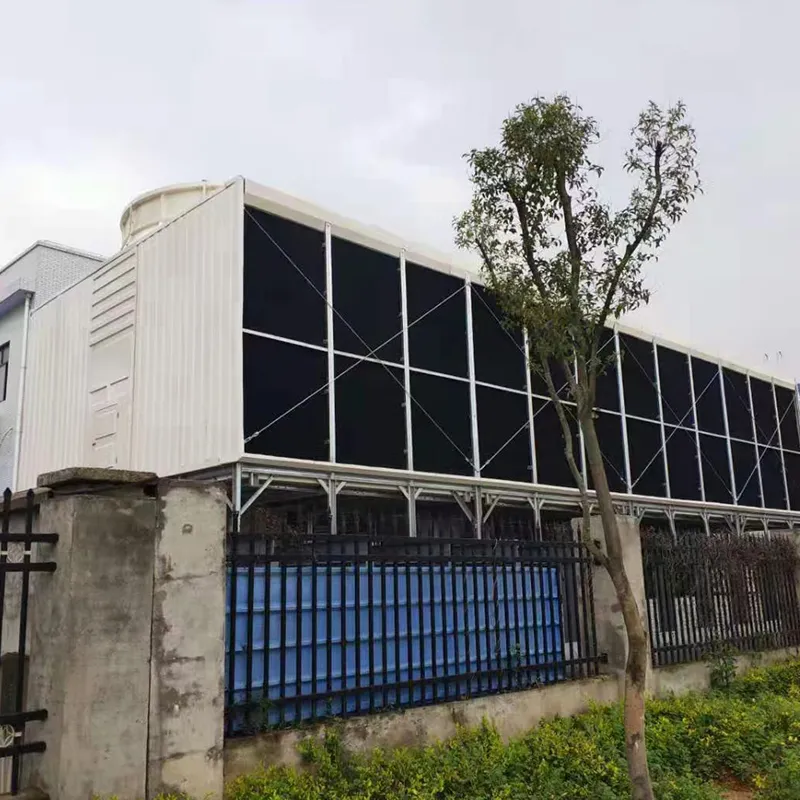
3. Air-Water Heat Exchange: Fans drive air to interact with water in counterflow or crossflow configurations, enabling evaporative cooling.
4. Cooled Water Return: Chilled water (≈32°C) recirculates to the condenser.
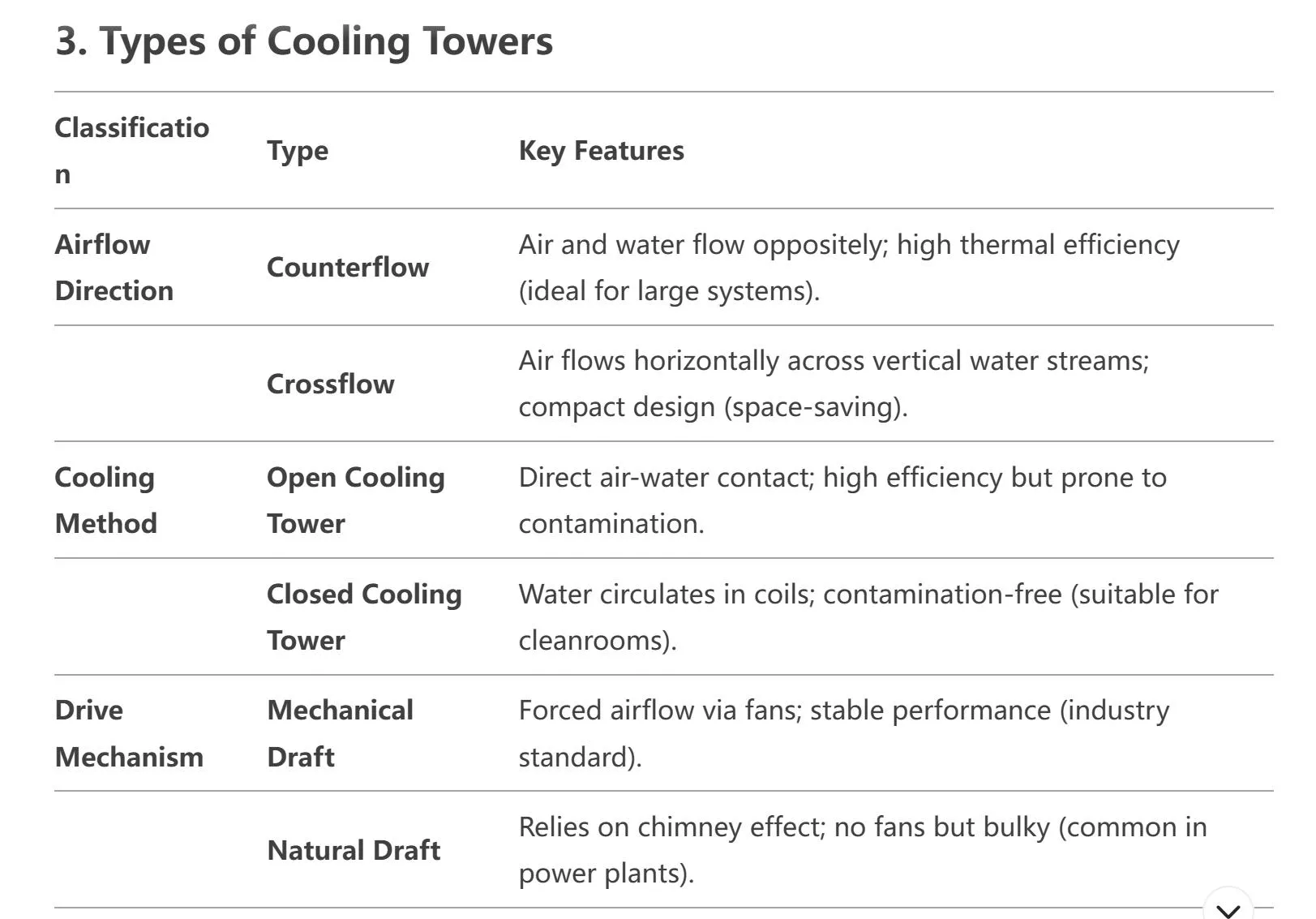
3. 冷却塔の種類
4. 主要コンポーネントと設計
4.1 コアコンポーネント
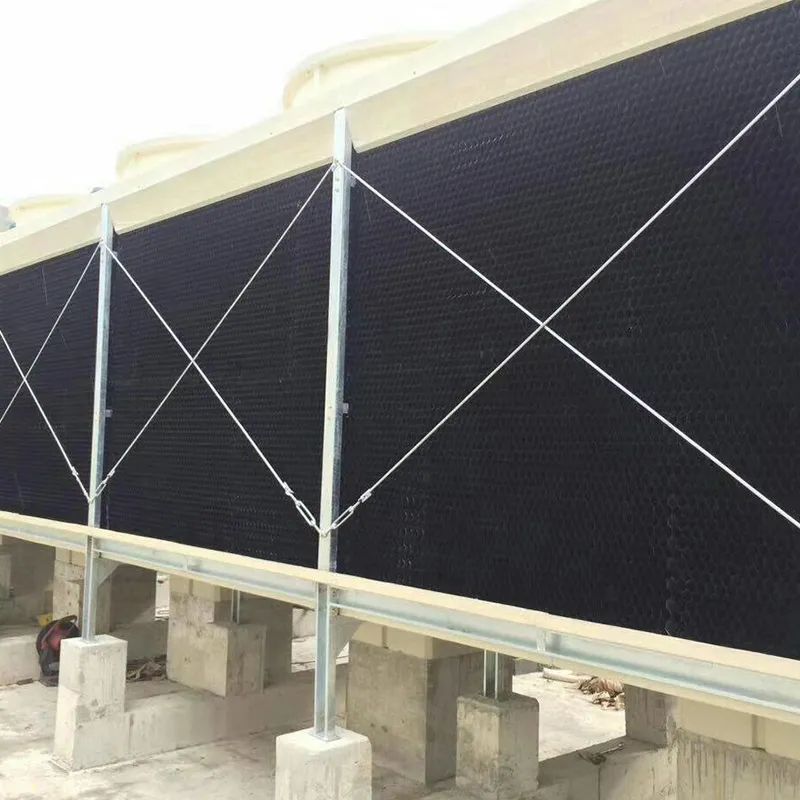
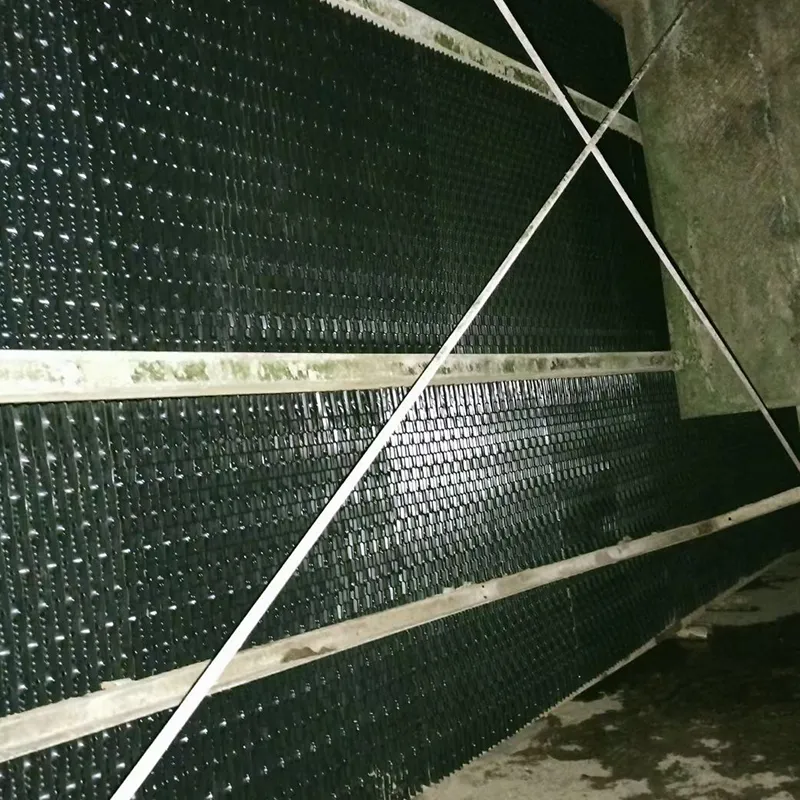
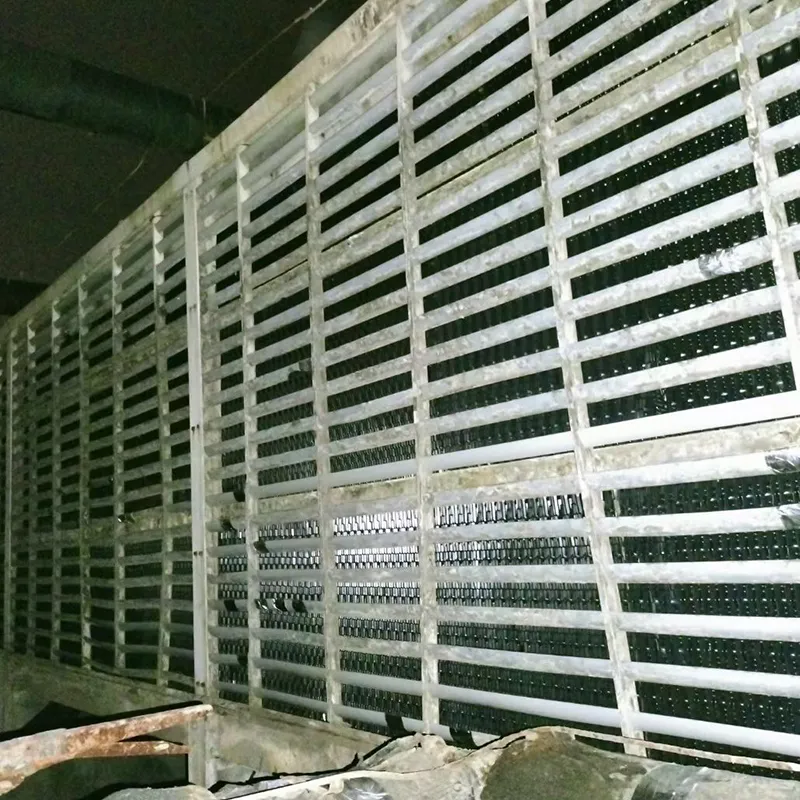
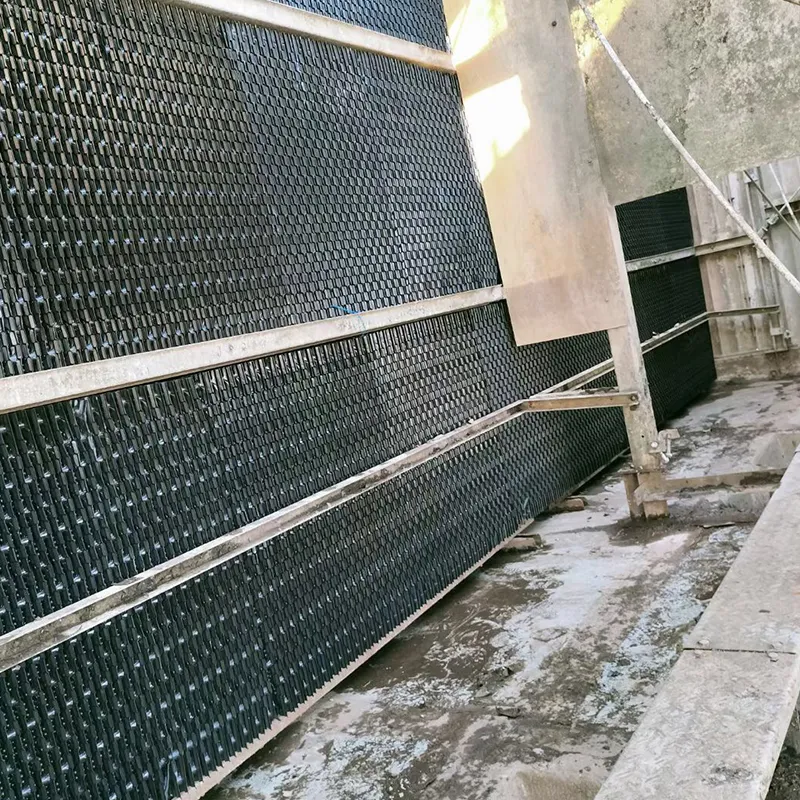
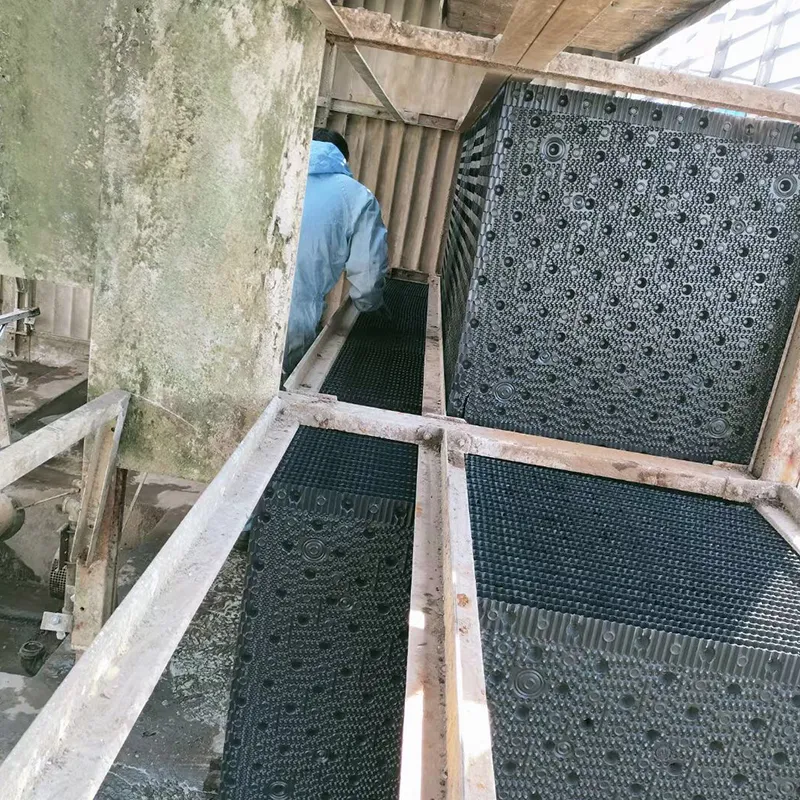
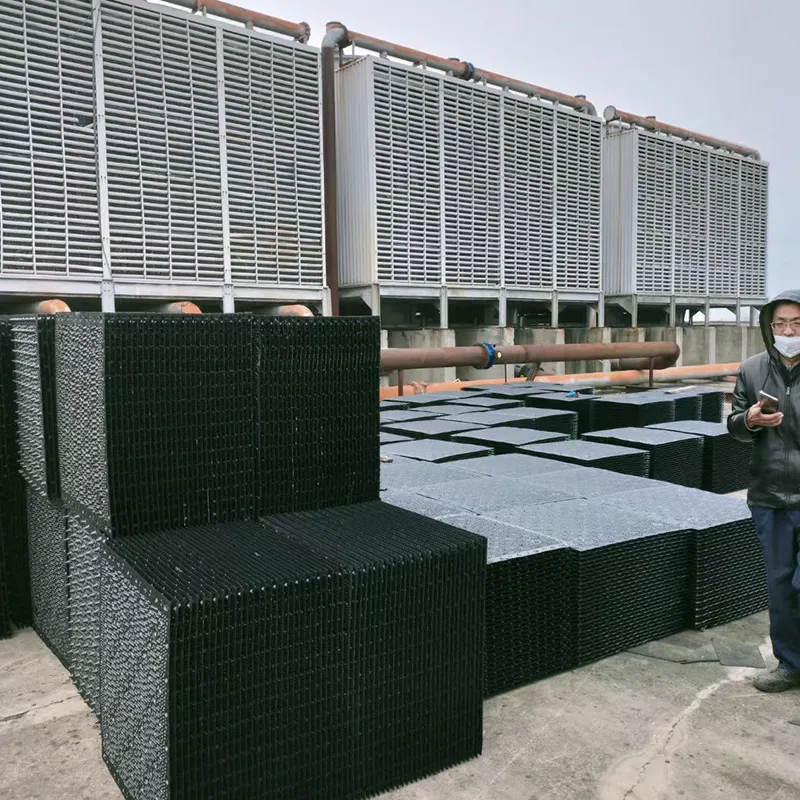
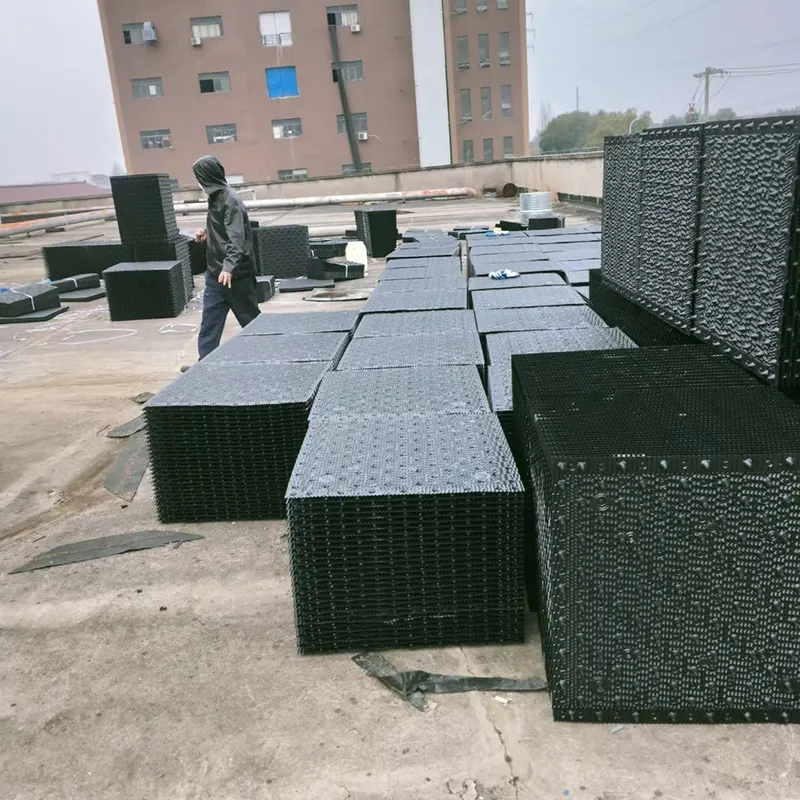
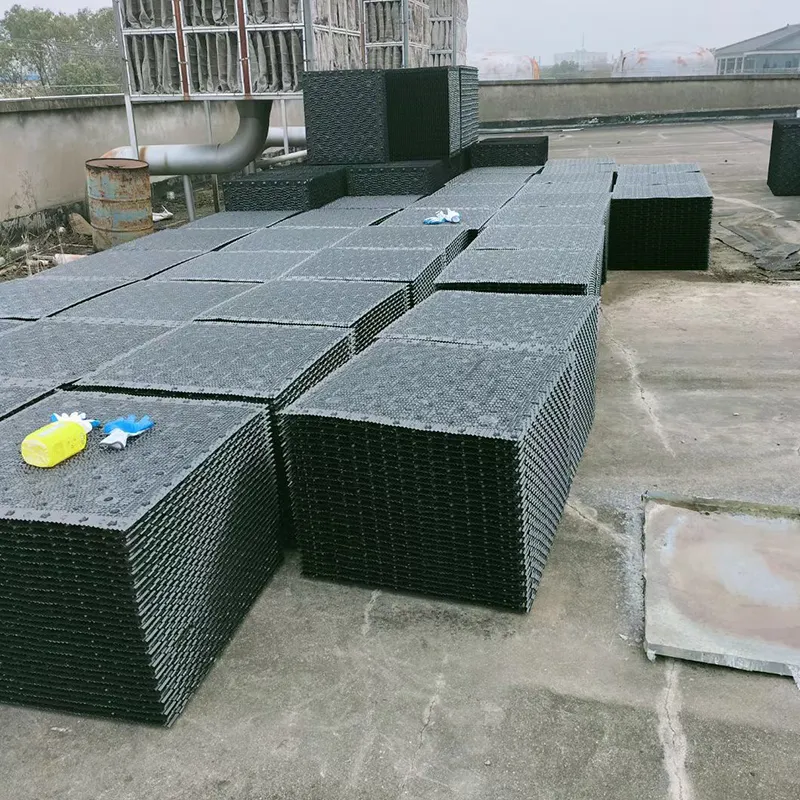
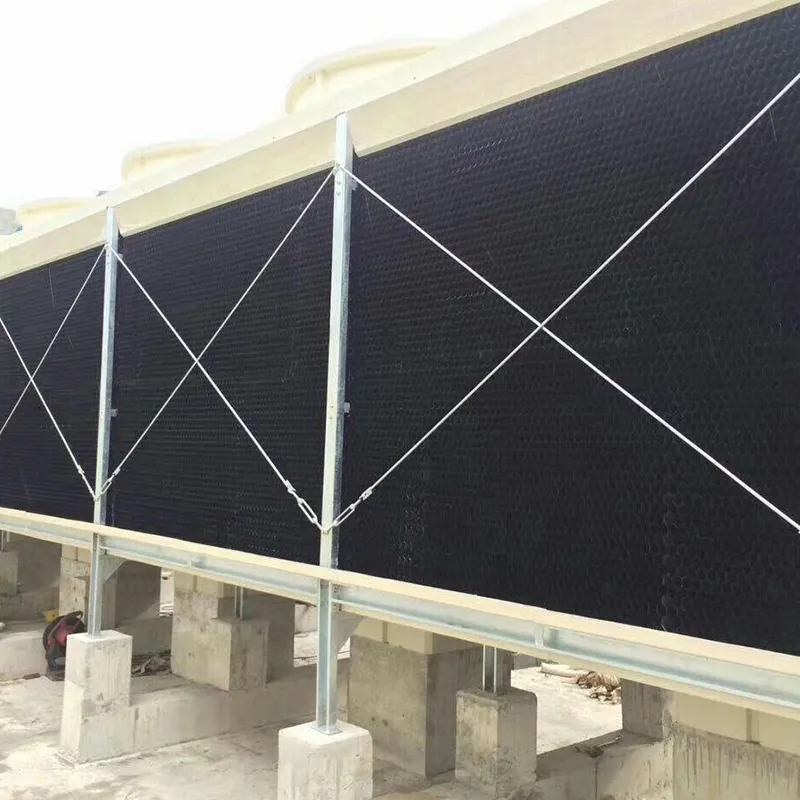
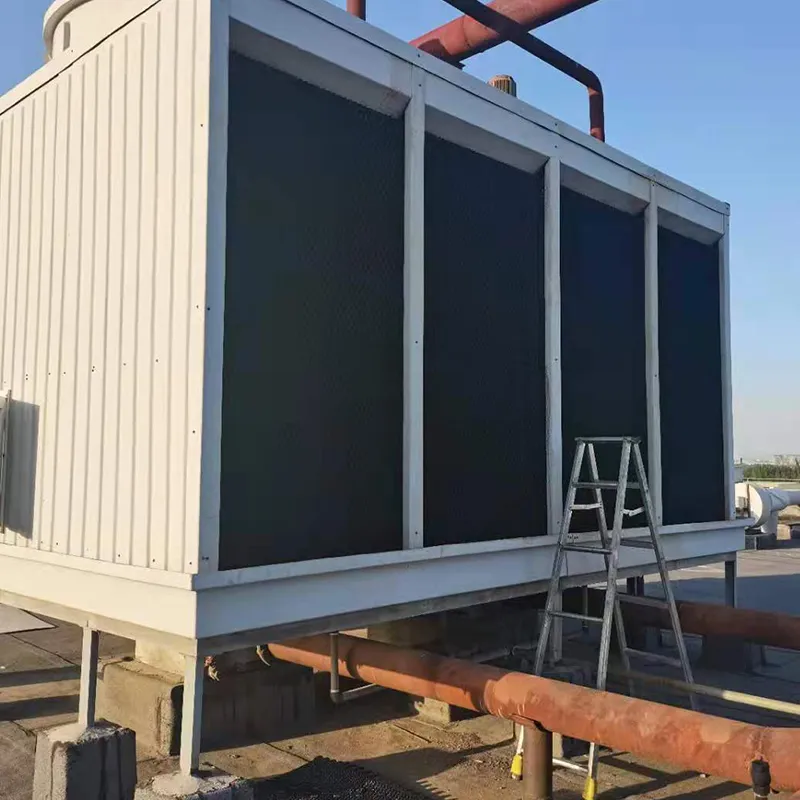
-Fill Media: PVC or PP modules to maximize air-water contact area.
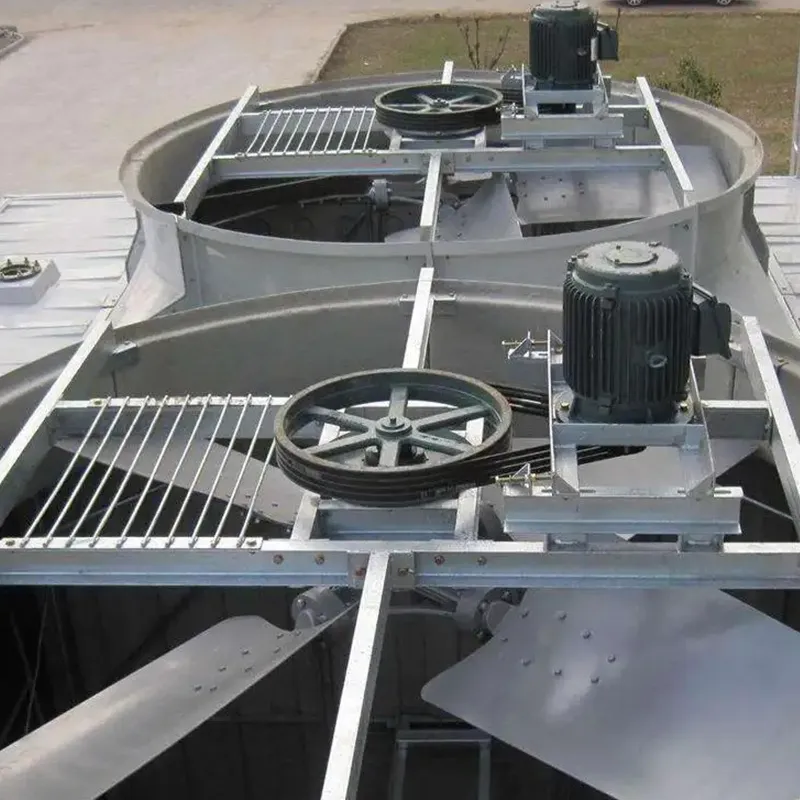
- Fan System: Axial/centrifugal fans (e.g., 7.5 kW motor for a 100 TR tower).
- Water Distribution: Rotary nozzles or fixed spray pipes.
- Drift Eliminator: Reduces water loss (<0.001% drift rate).
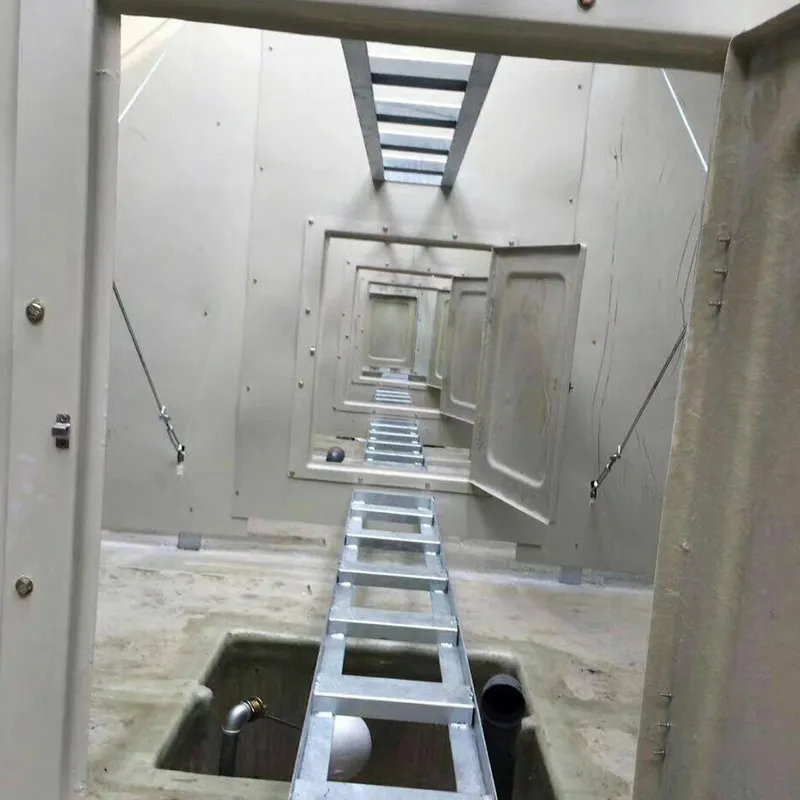
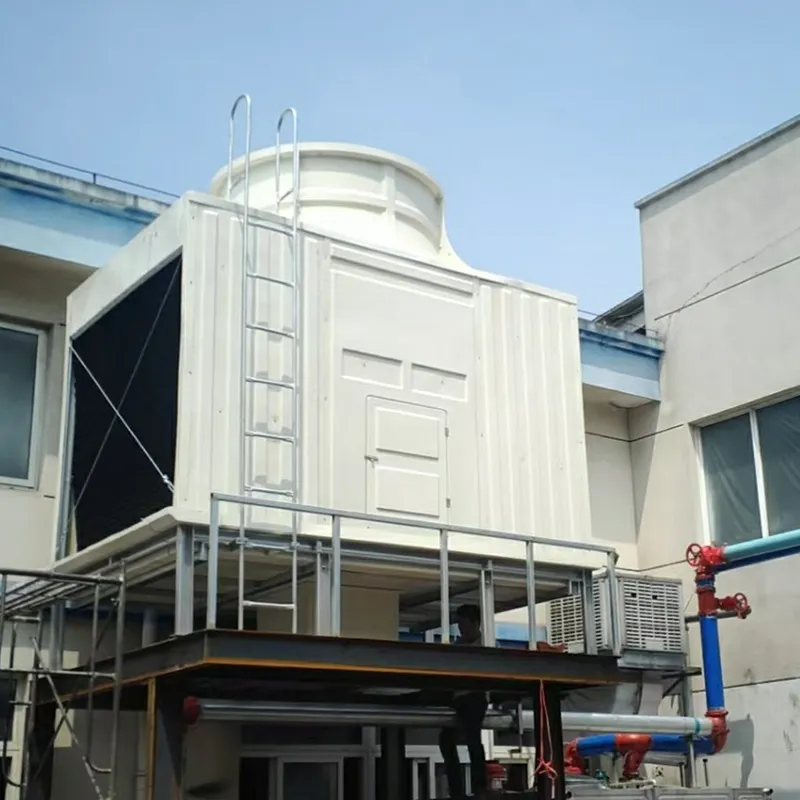
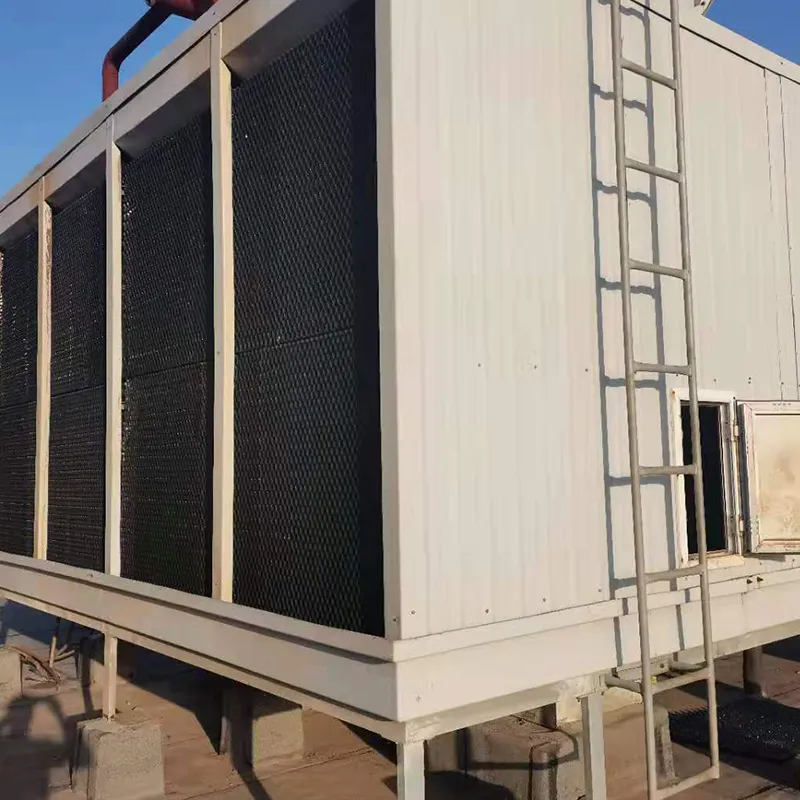
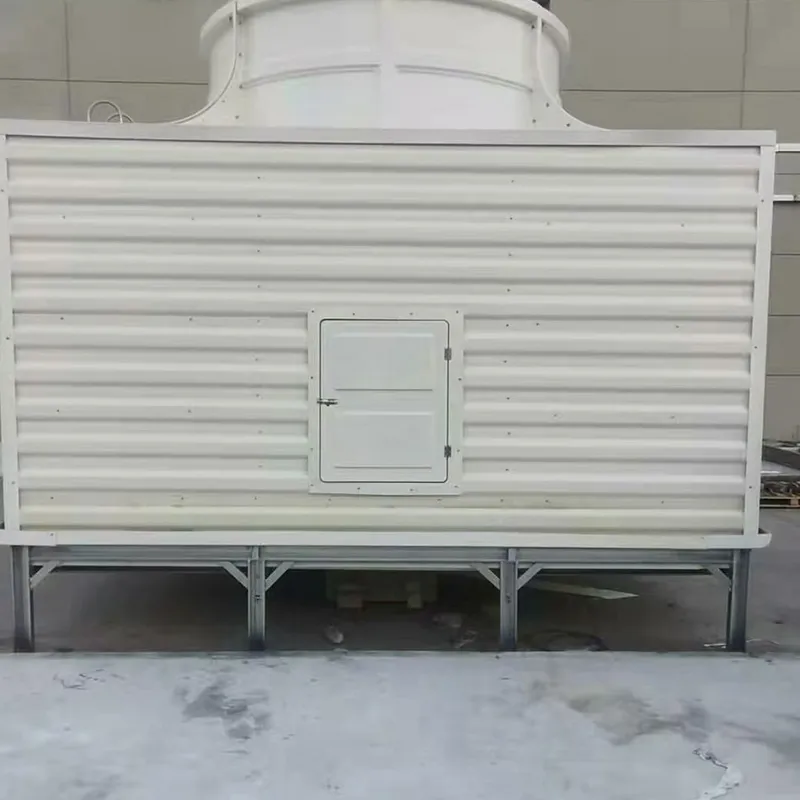
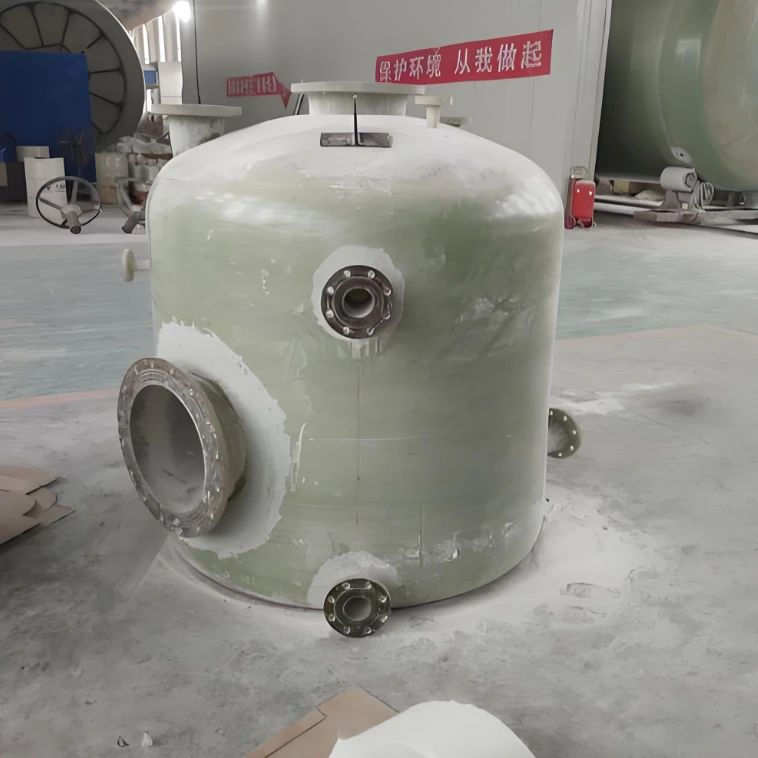
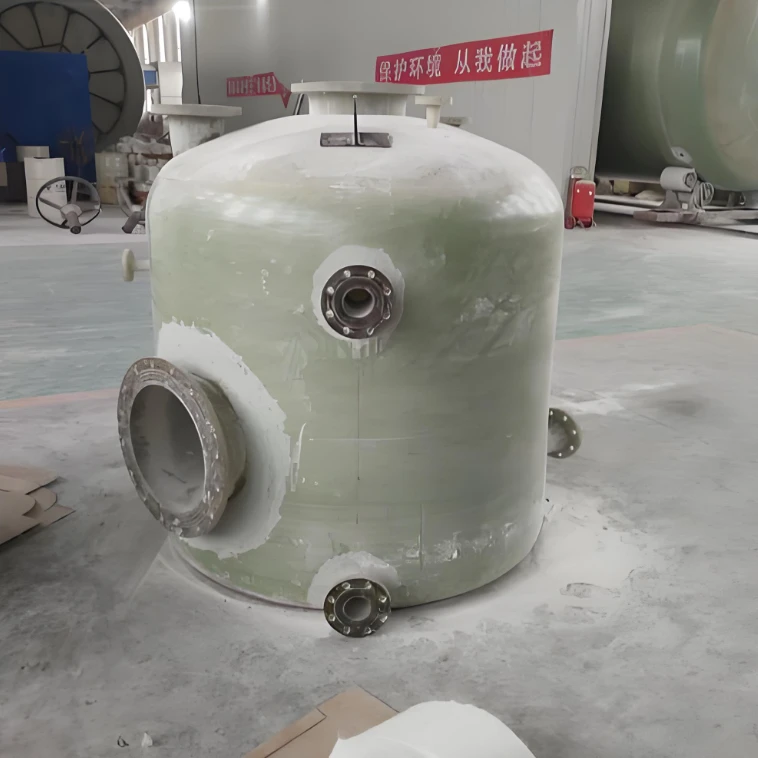
- Casing: FRP (corrosion-resistant) or galvanized steel (cost-effective).
4.2 設計パラメータ
- Cooling Capacity (TR): 1 TR = 3.516 kW; tower capacity = 1.2–1.3× chiller TR (to offset heat loss).
- Wet-Bulb Temperature (WBT): Critical design baseline (e.g., 28°C).
- Approach: Temperature difference between cooled water and WBT (typically 3–5°C).
5. 選択と構成のガイドライン
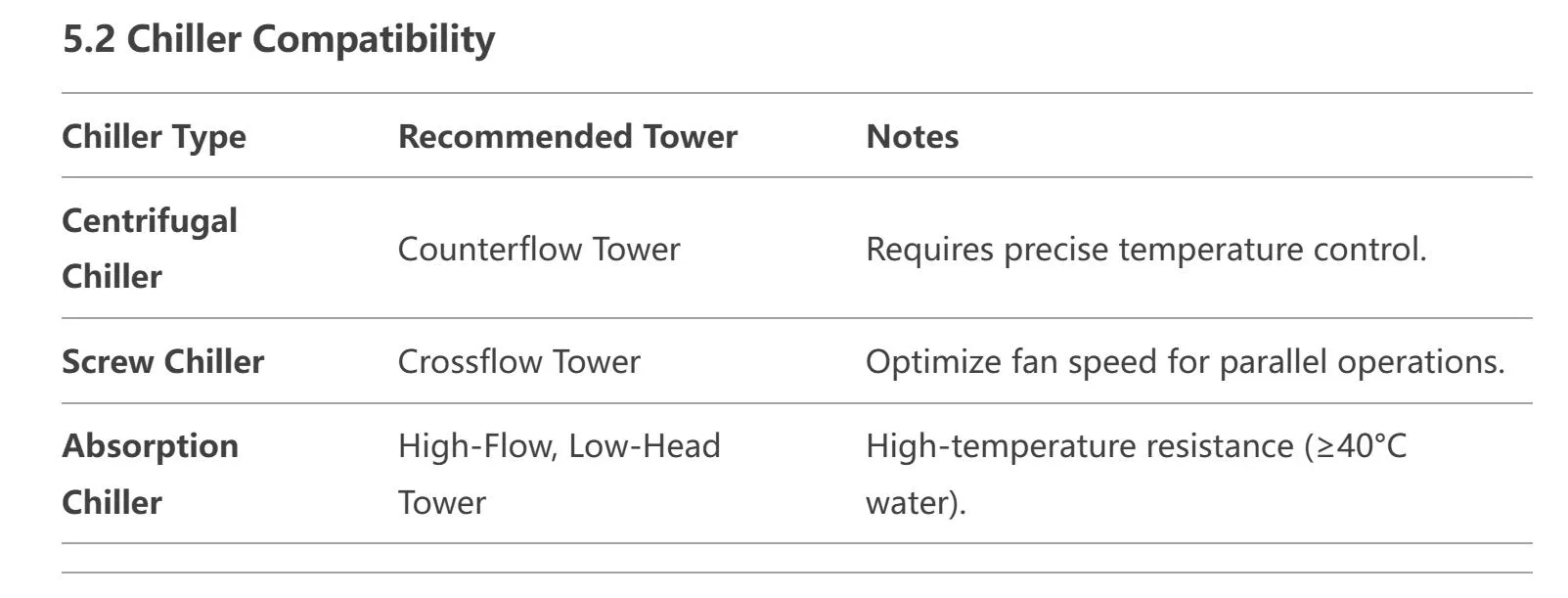
5.1 サイズ決定の計算式
Tower Water Flow (m³/h) = \[ Chiller Capacity (TR) × 3024 × 1.3 \] ÷ 5000
Example: For a 500 TR chiller → ≈393 m³/h.
6. エネルギー効率と持続可能性
- Energy-Saving Technologies:
- Variable Frequency Drives (VFDs) reduce fan power by 20–30%.
- High-efficiency fill media (15% higher heat transfer).
- Eco-Friendly Features:
- FRP compatible with low-GWP refrigerants (e.g., R-1233zd).
- Noise control ≤65 dB(A) @ 1m (ASHRAE compliant).
7. メンテナンスとトラブルシューティング
- Routine Maintenance:
- Weekly: Check water level/pH (6.5–8.5).
- Monthly: Clean fill media and filters.
- Common Issues:
- Reduced Efficiency: Clogged fills or fan imbalance.
- Abnormal Noise: Bearing wear or loose blades.
8. 代表的な用途
- Commercial Buildings: Malls, offices (200–1,000 TR towers).
- Data Centers: Redundant N+1 configurations.
- Healthcare Facilities: Closed-loop towers for contamination control.
9. 費用参考額(人民元)
| Capacity (TR) | Price Range (10,000 RMB) | Remarks |
|--------------------|------------------------------|---------------------------------------|
| 100 TR | 8–15 | FRP counterflow, standard config. |
| 500 TR | 40–70 | VFD fans + smart controls. |
| 1,000 TR | 80–150 | Modular design for parallel setups. |
10. 国際規格と認証
- ASHRAE 90.1: Energy efficiency requirements.
- EN 13053: Ventilation system compliance (EU).
- LEED Certification: Credits for water/energy conservation.
結論
空調冷却塔はHVACシステムの効率化に不可欠です。向流式冷却塔は高性能な商業ビルに適しており、横流式冷却塔はスペースが限られた改修に最適です。スマート監視システム(IoT対応)を優先し、地域のWBT(環境負荷低減目標)と持続可能性目標に沿った設計を行ってください。
ブランドの推奨事項(例:BAC、SPX、EVAPCO)または詳細な技術比較については、プロジェクト要件(気候ゾーン、予算など)を指定してください。

お客様の声




住所
中国河北省衡水市棗強県興源南街20号


