



We Are Open 24 Hours a Day, 7 Days a Week, Including Weekends and Public Holidays.

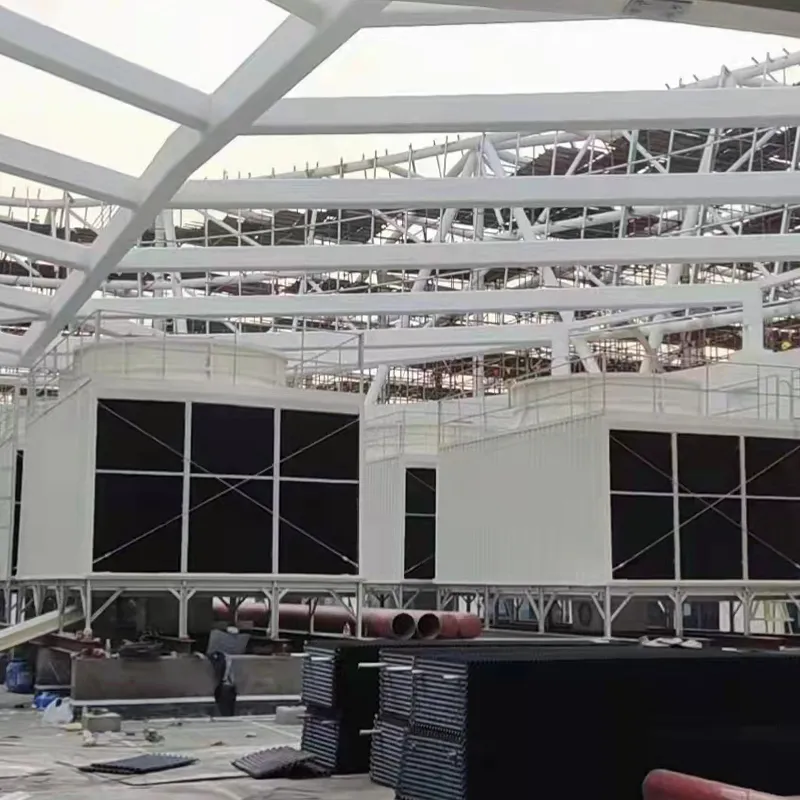
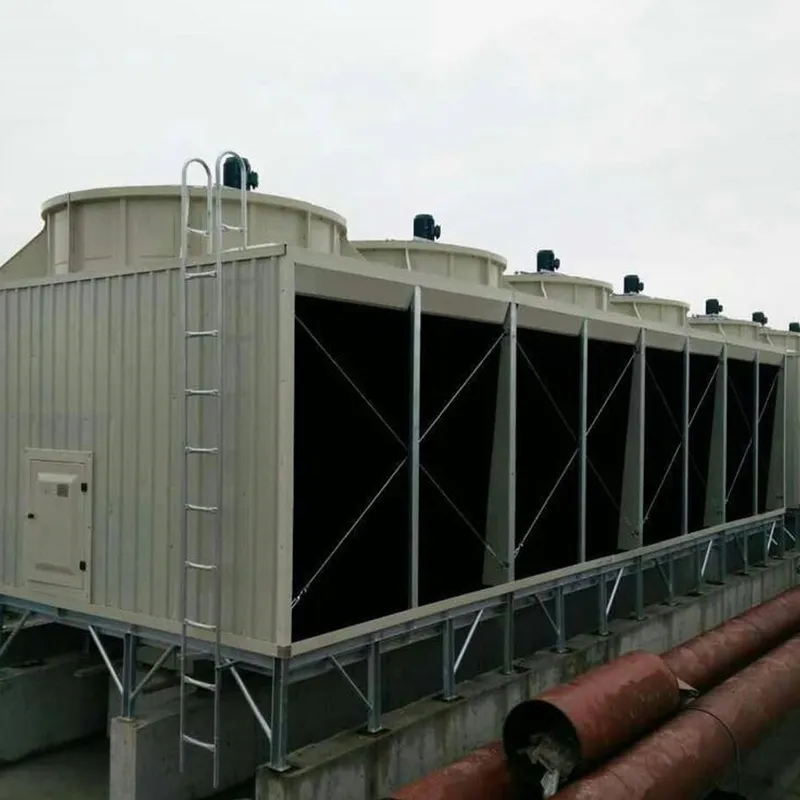
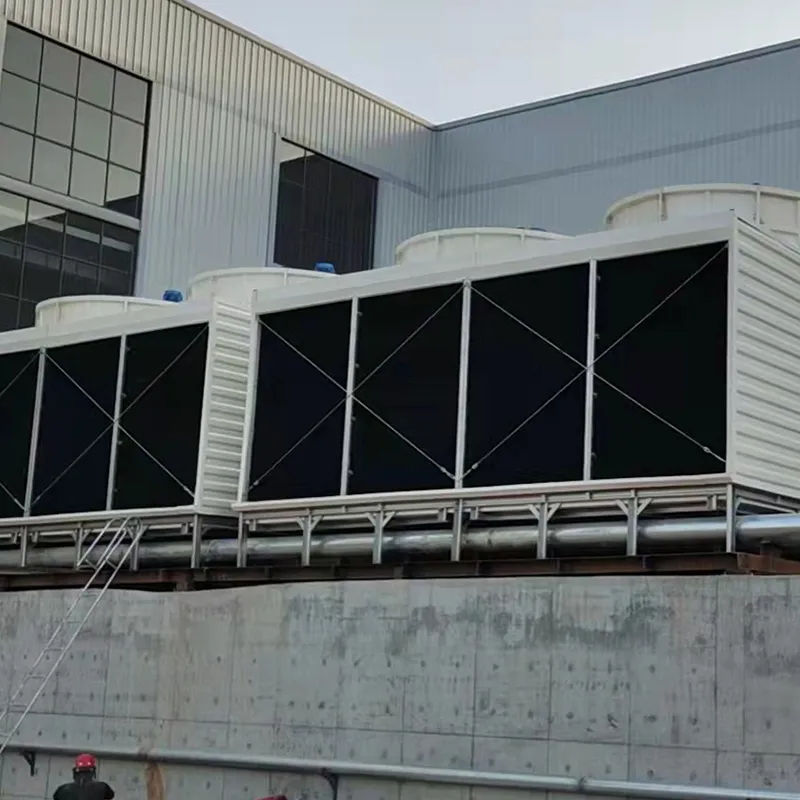
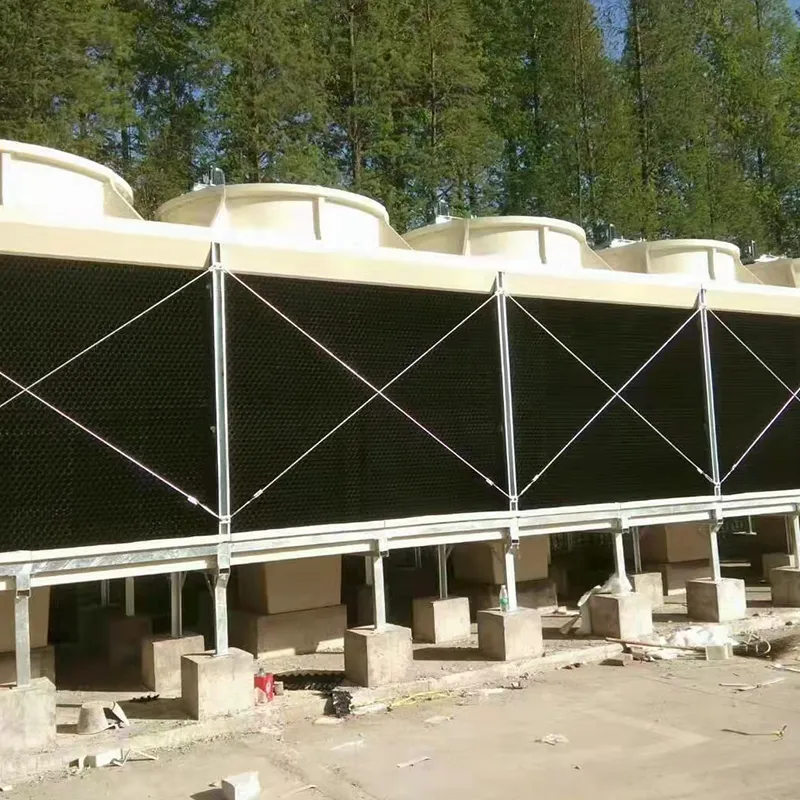
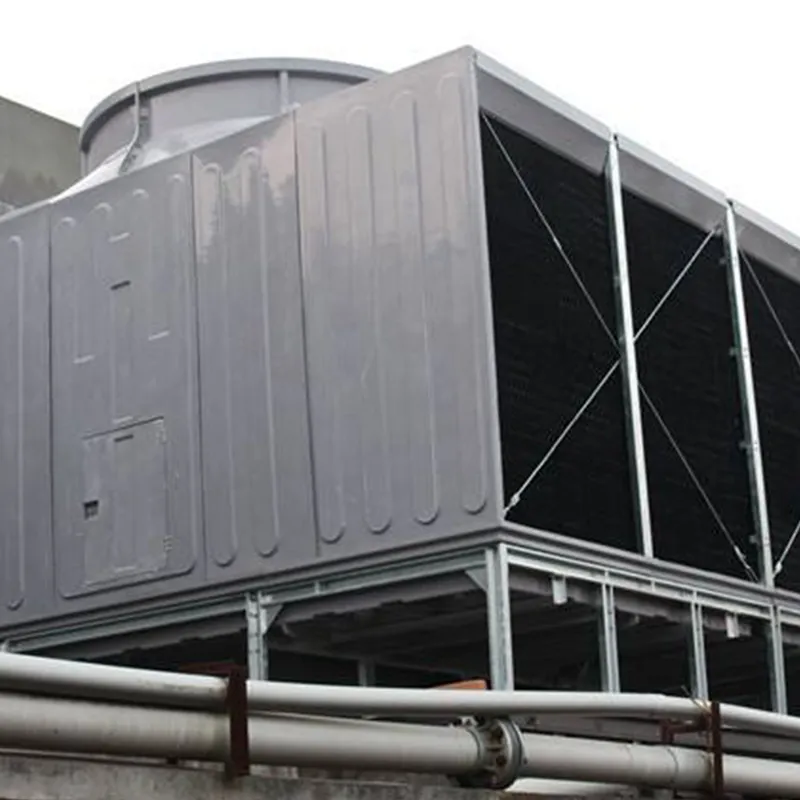
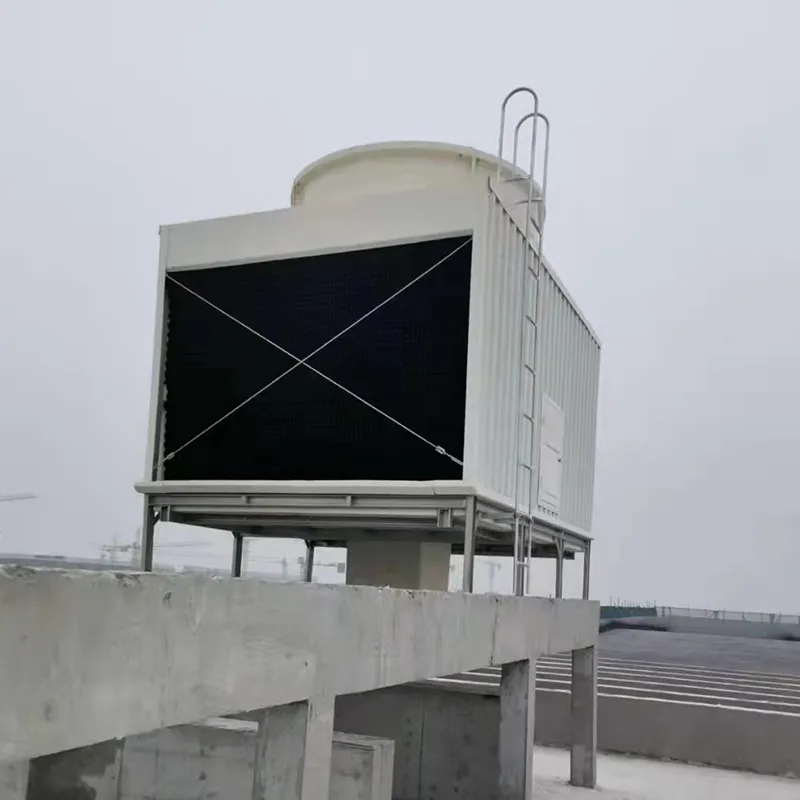
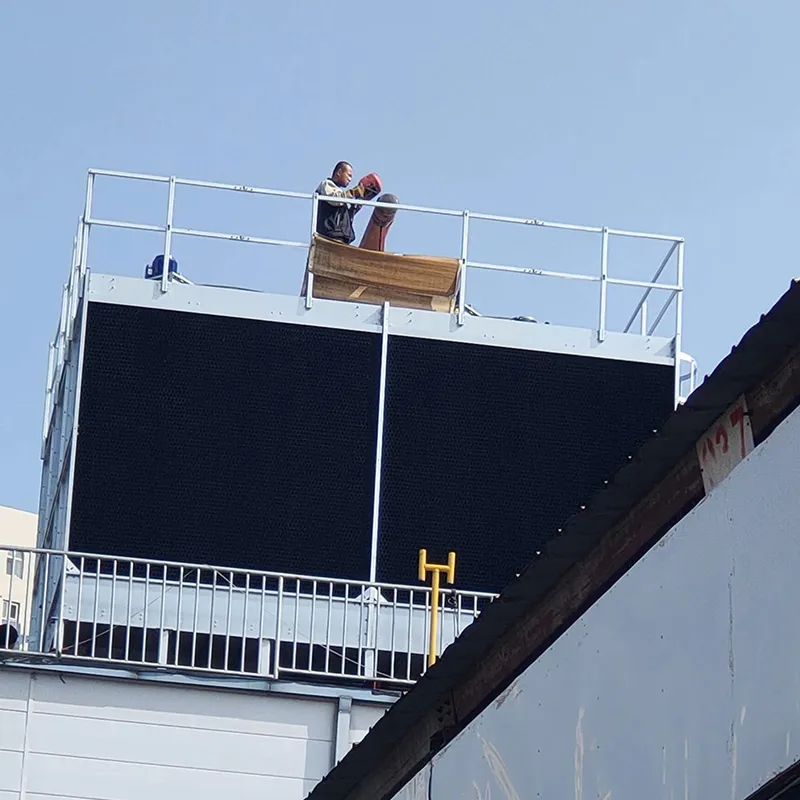
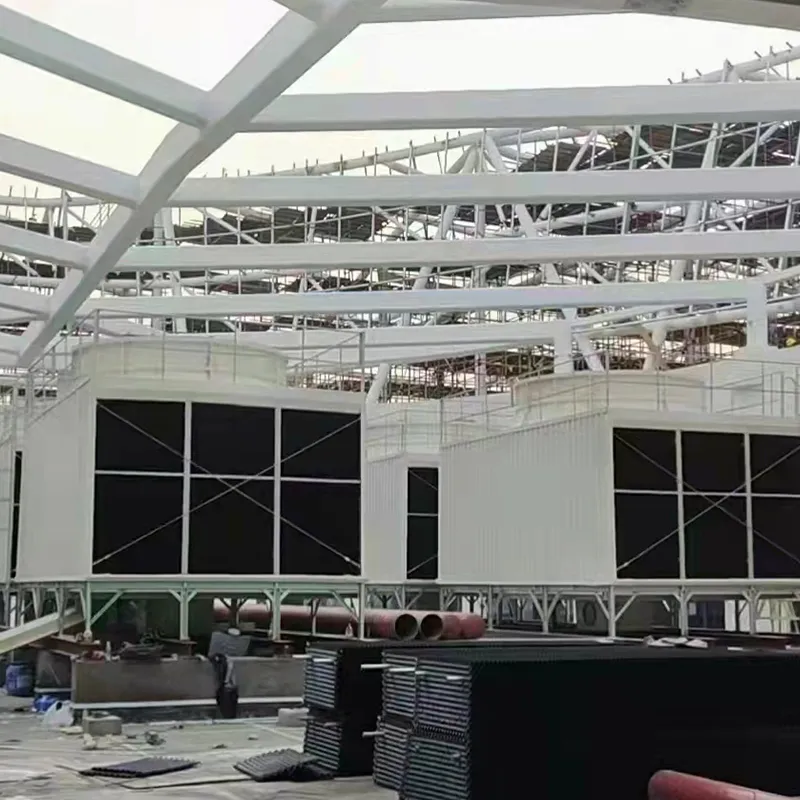
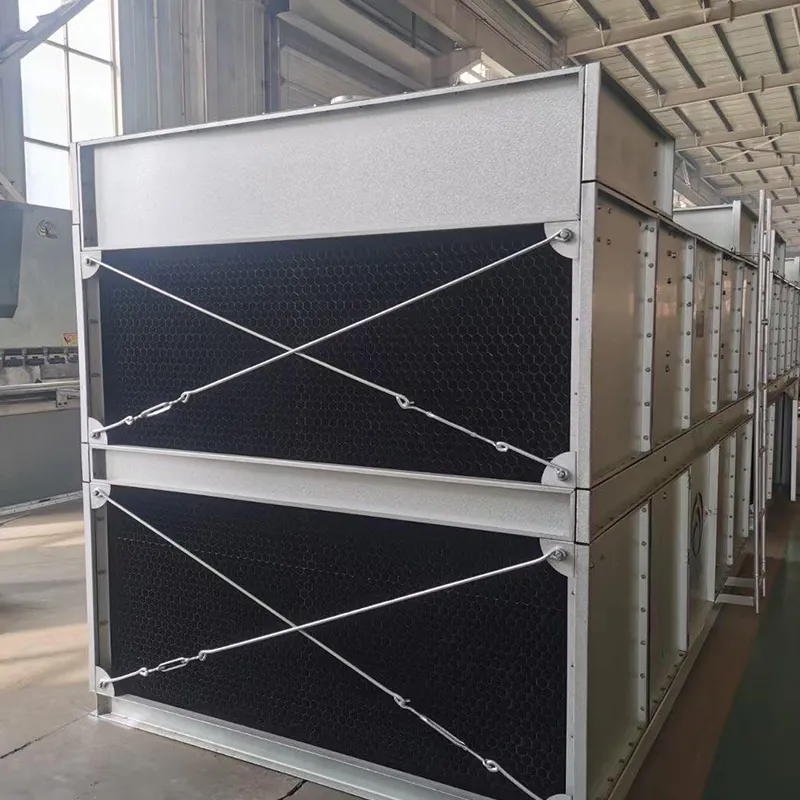
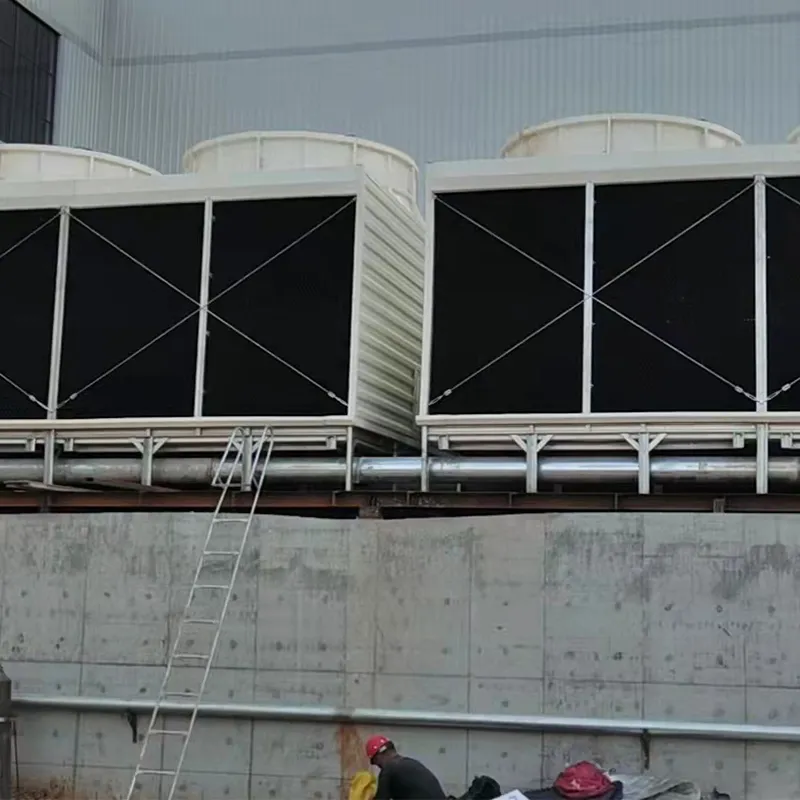
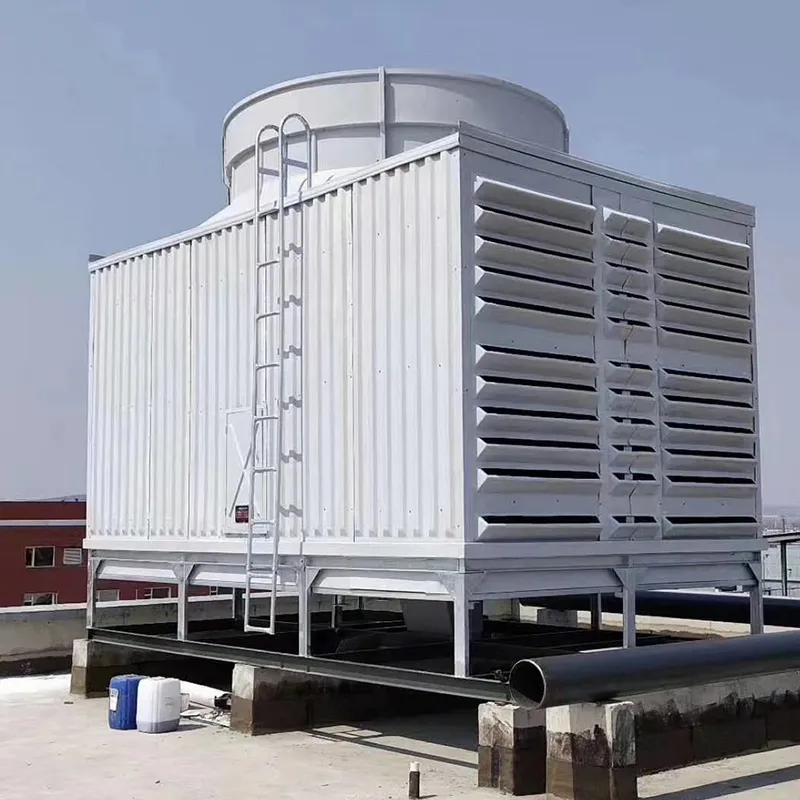
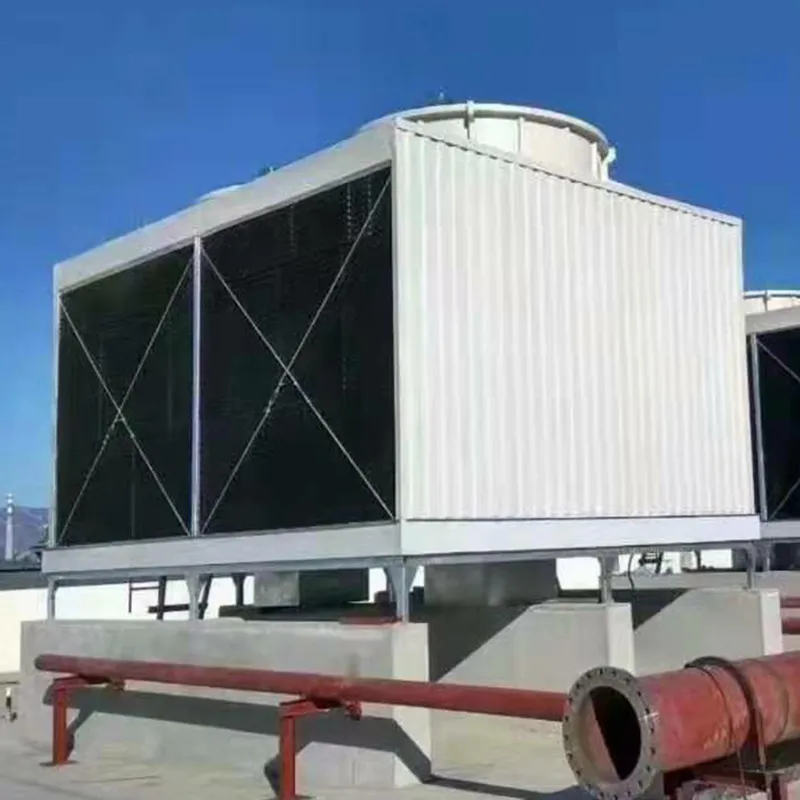
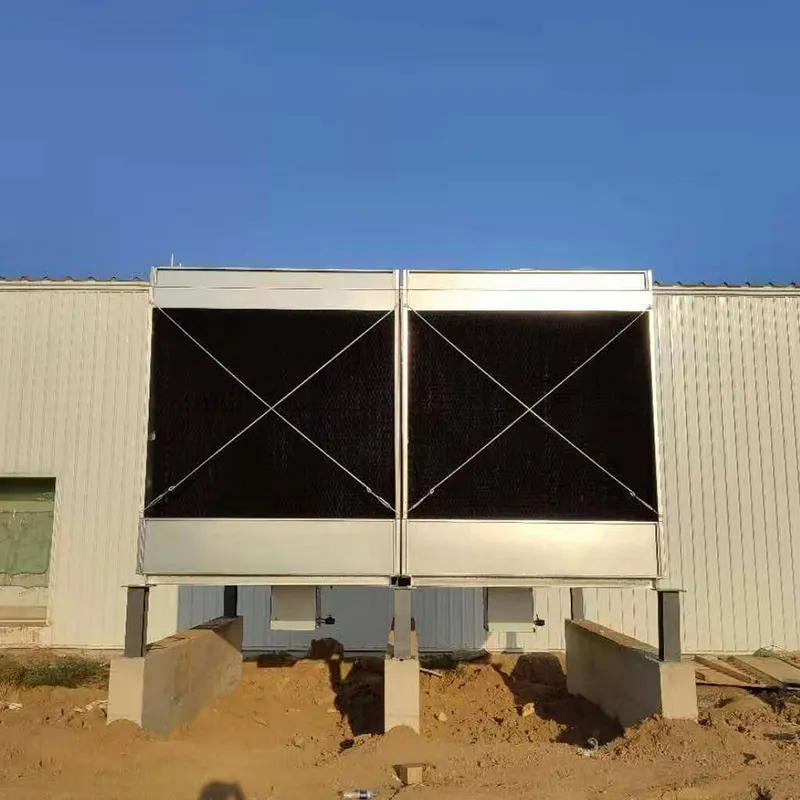
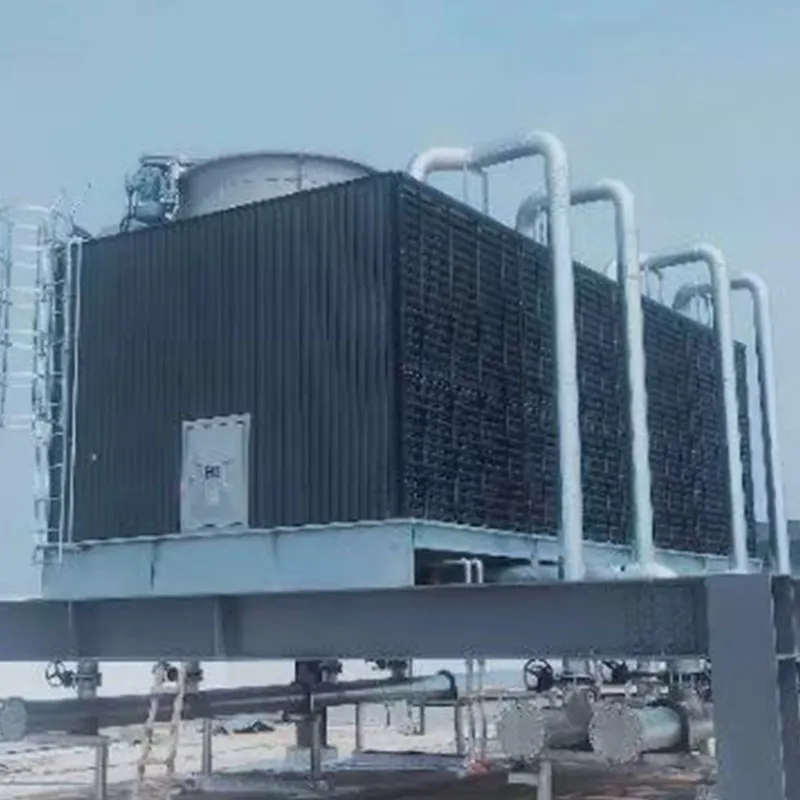
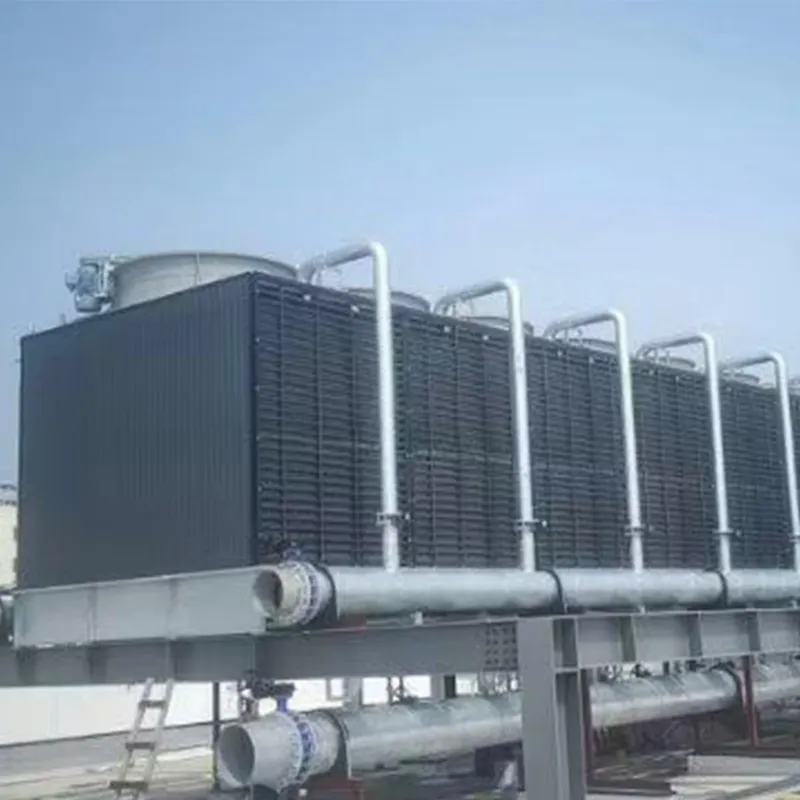
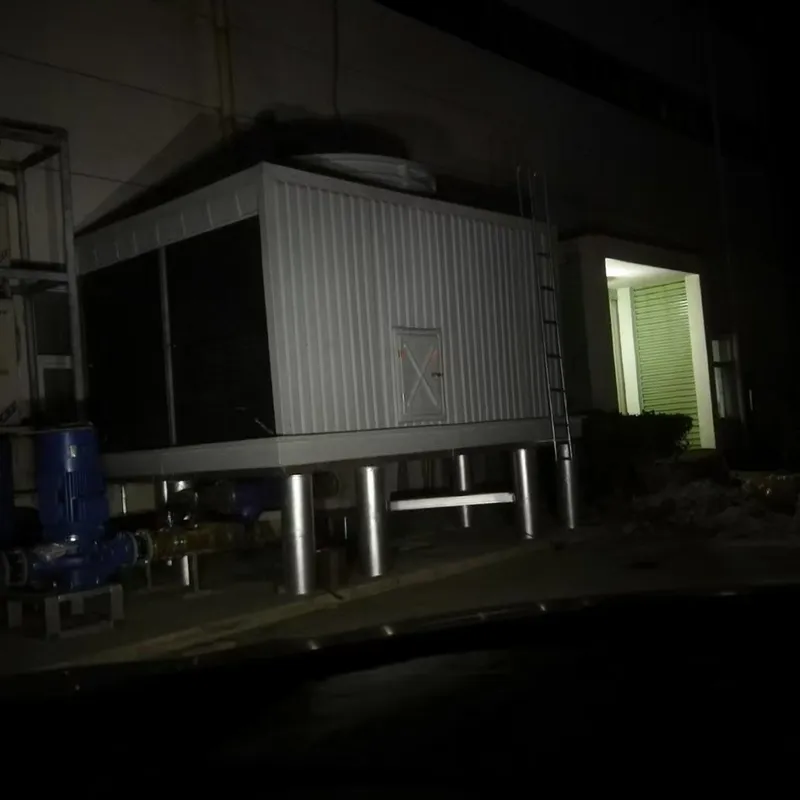
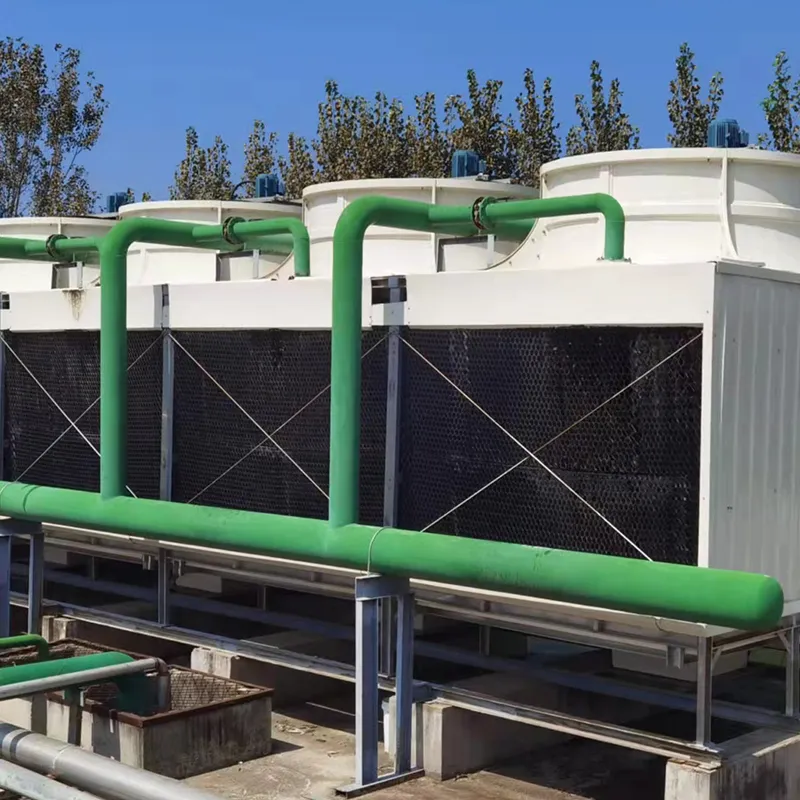
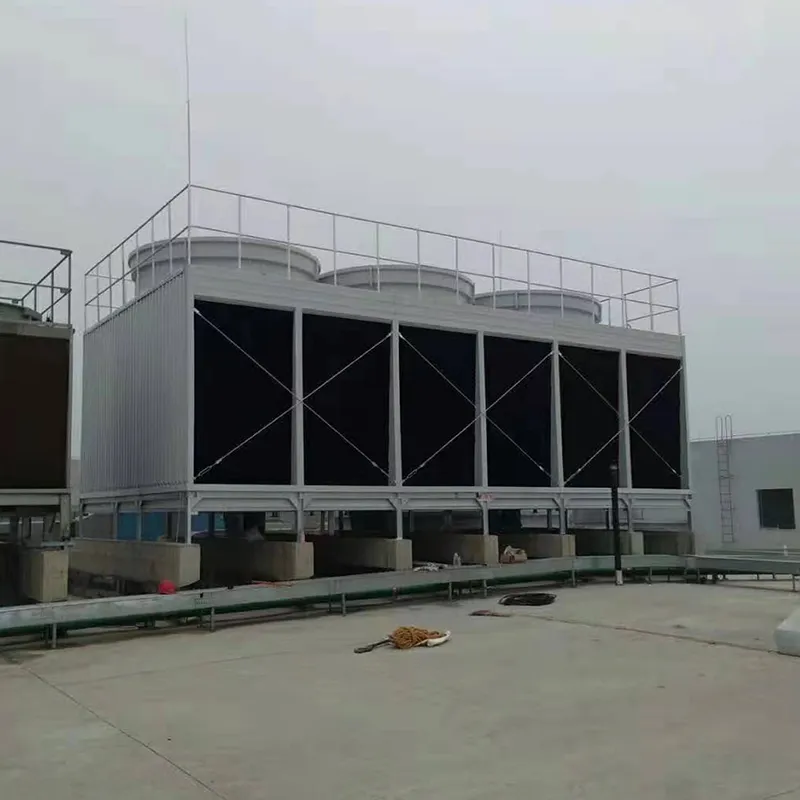
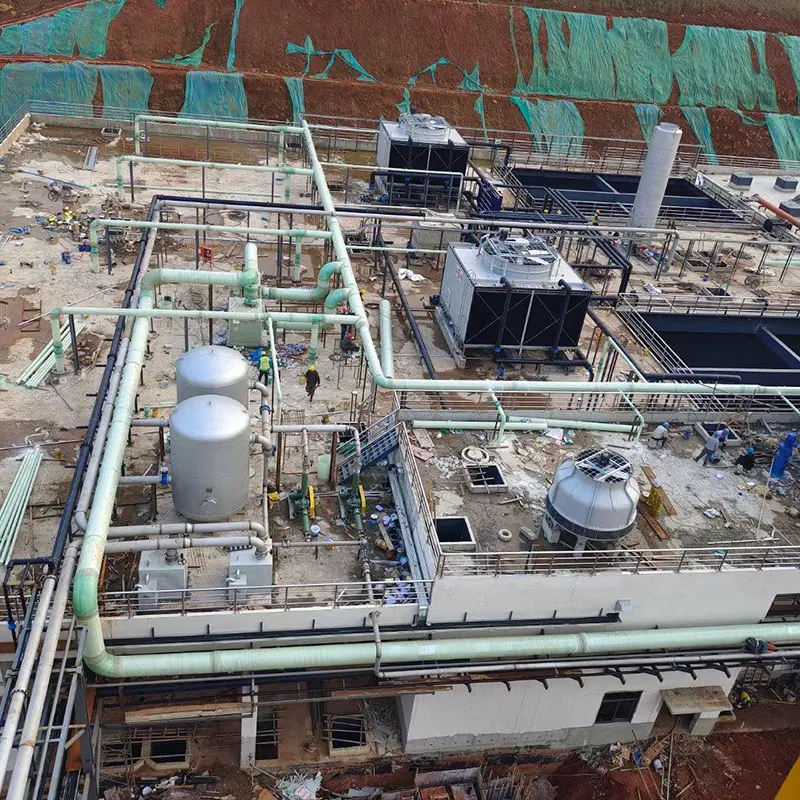
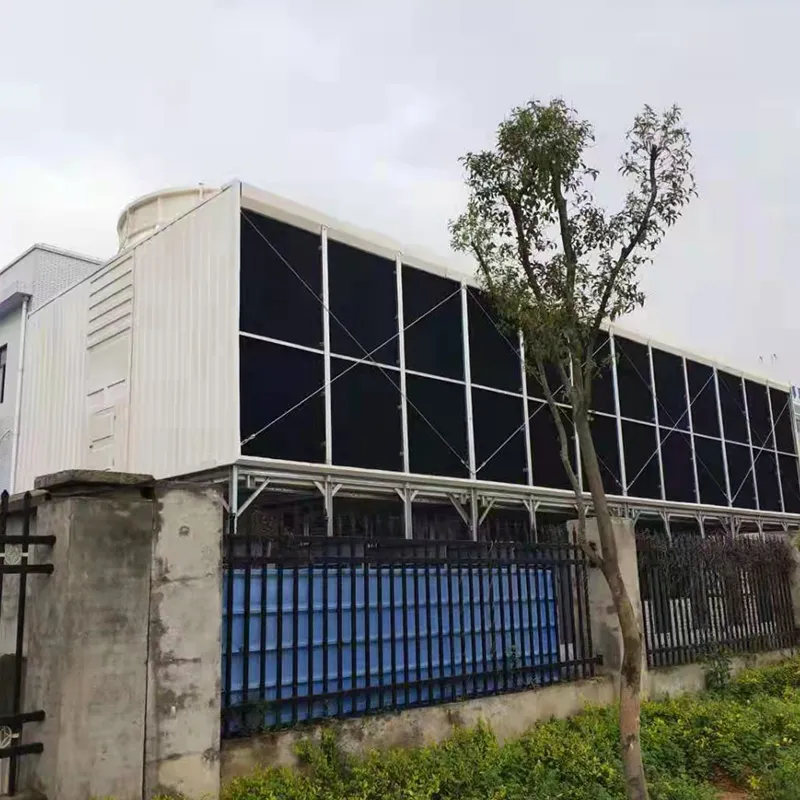
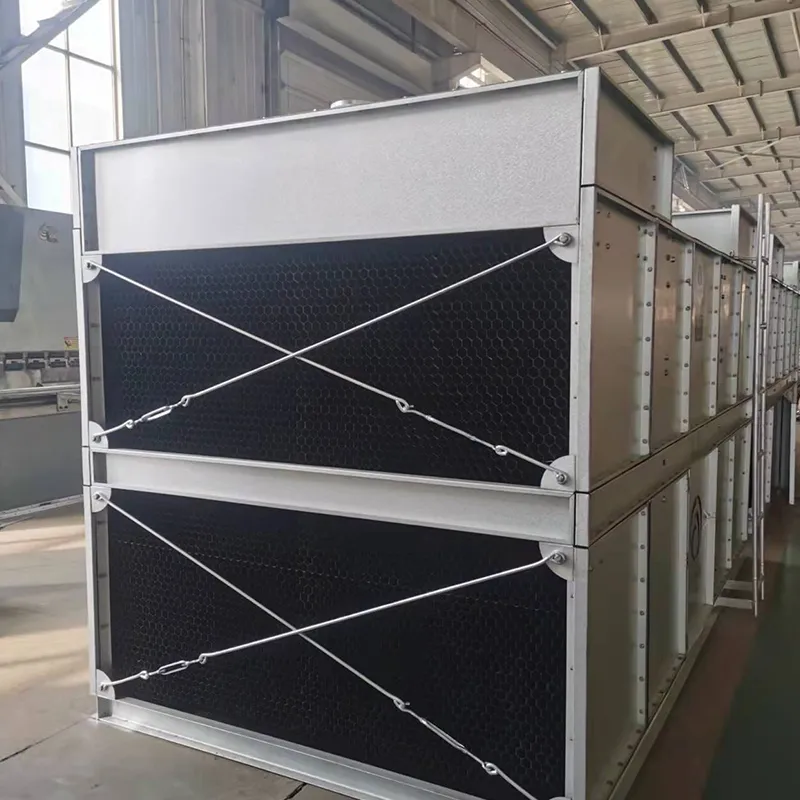
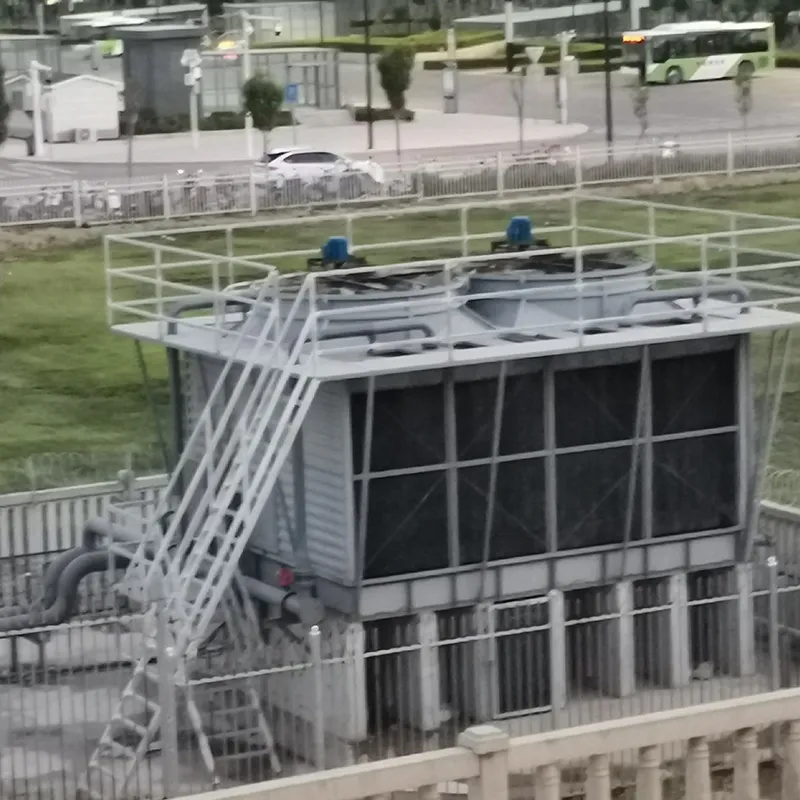
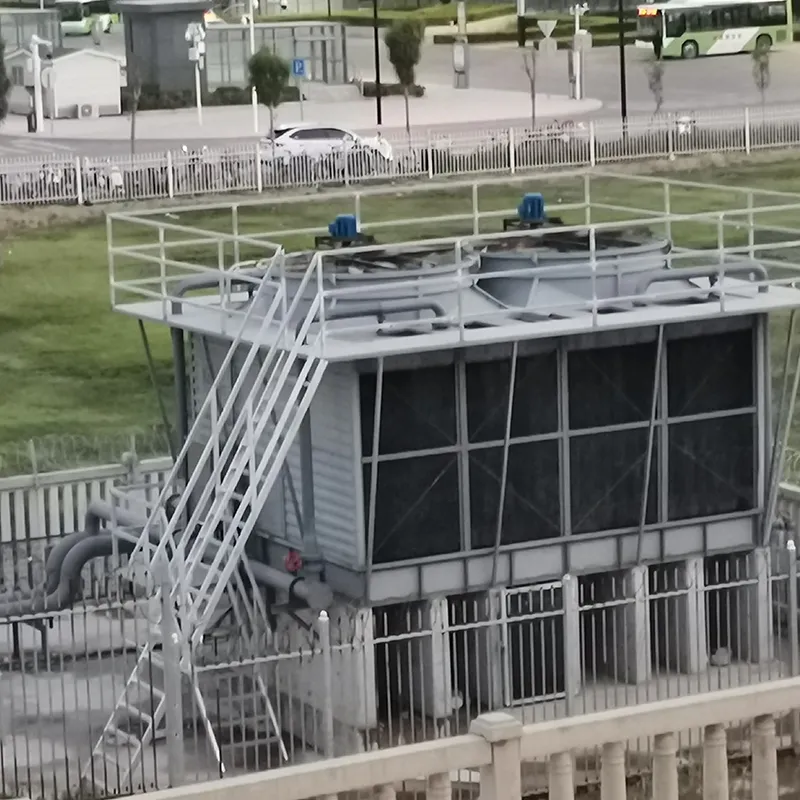
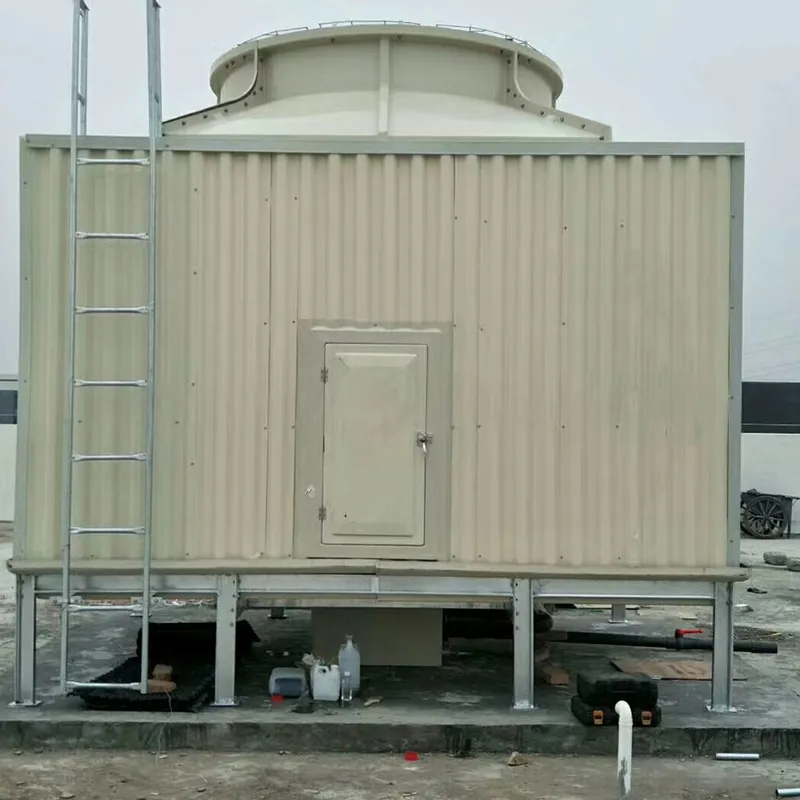
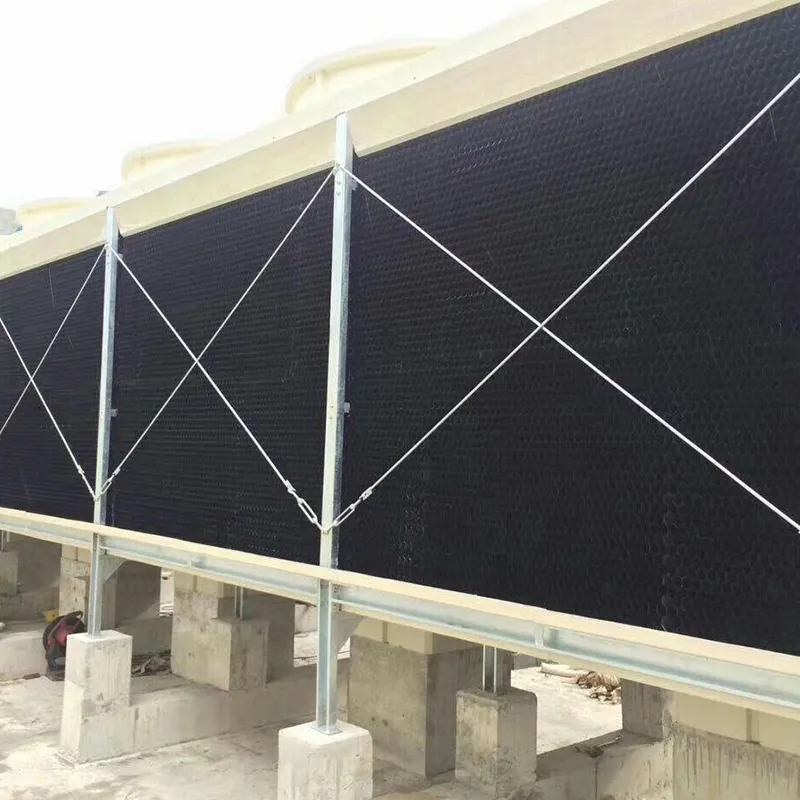
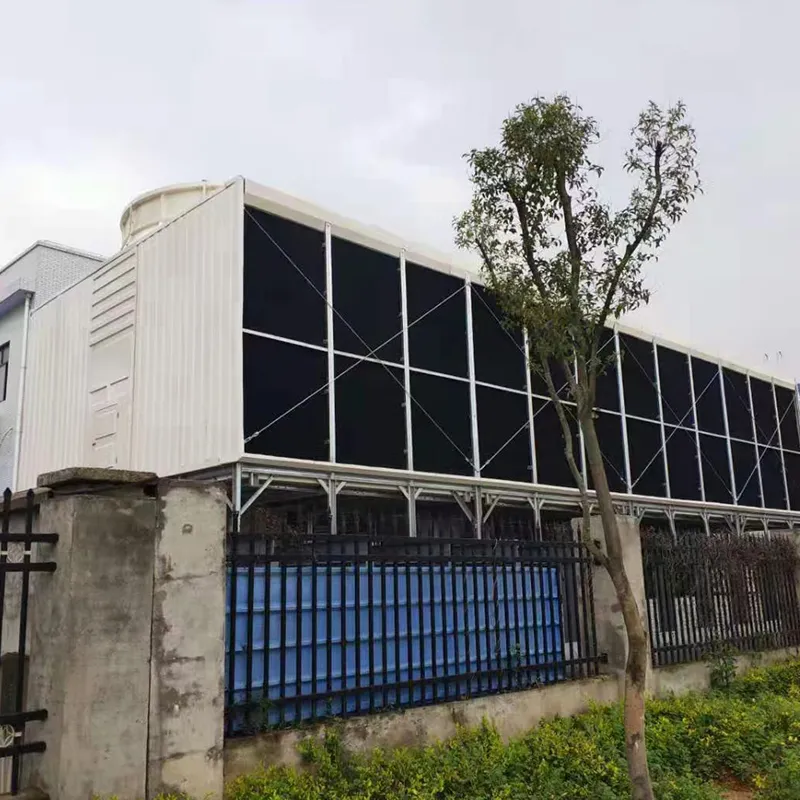
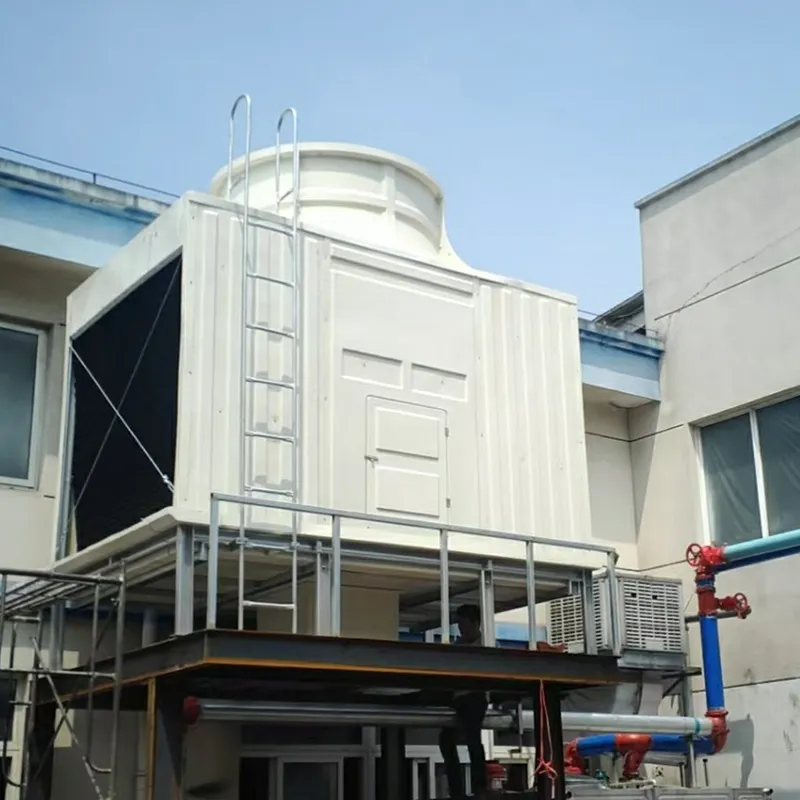
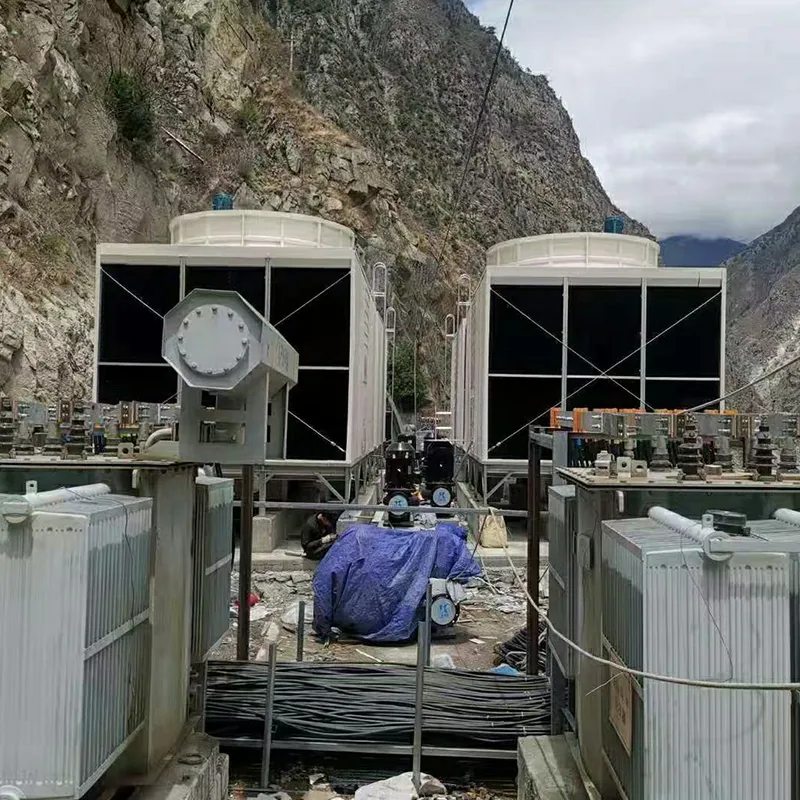
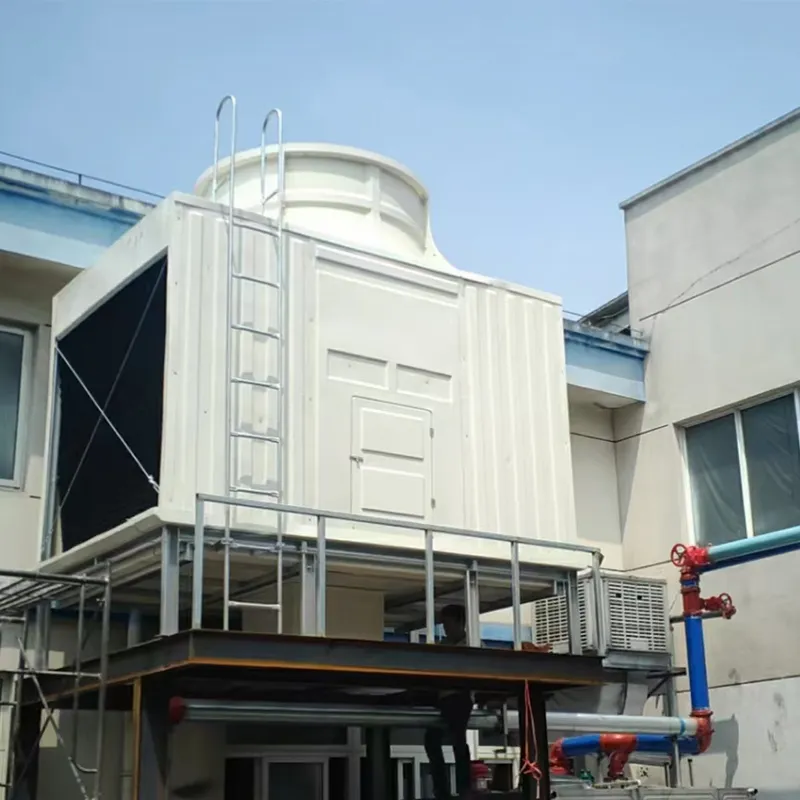
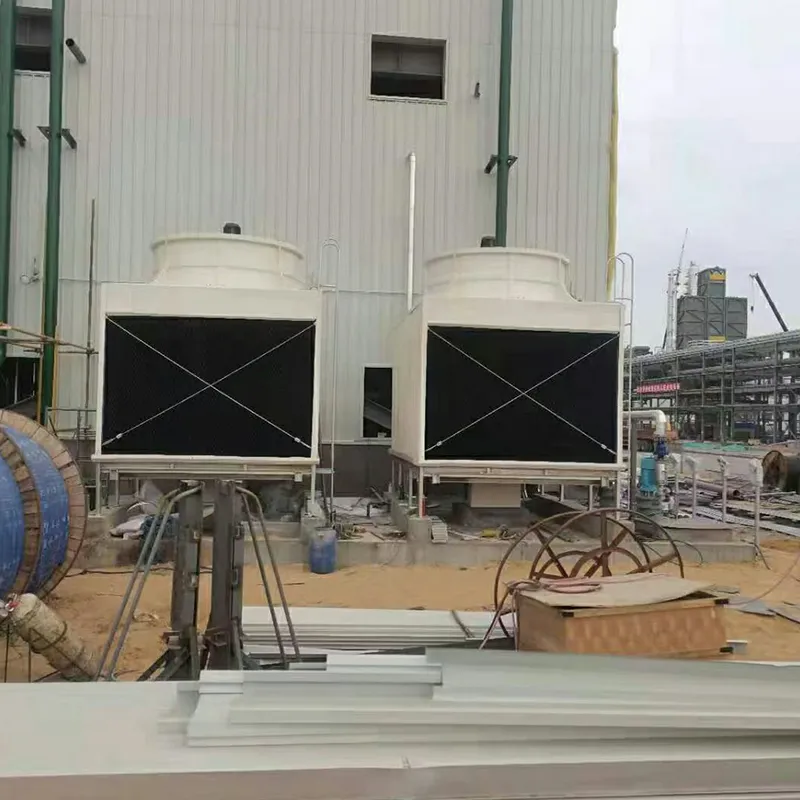
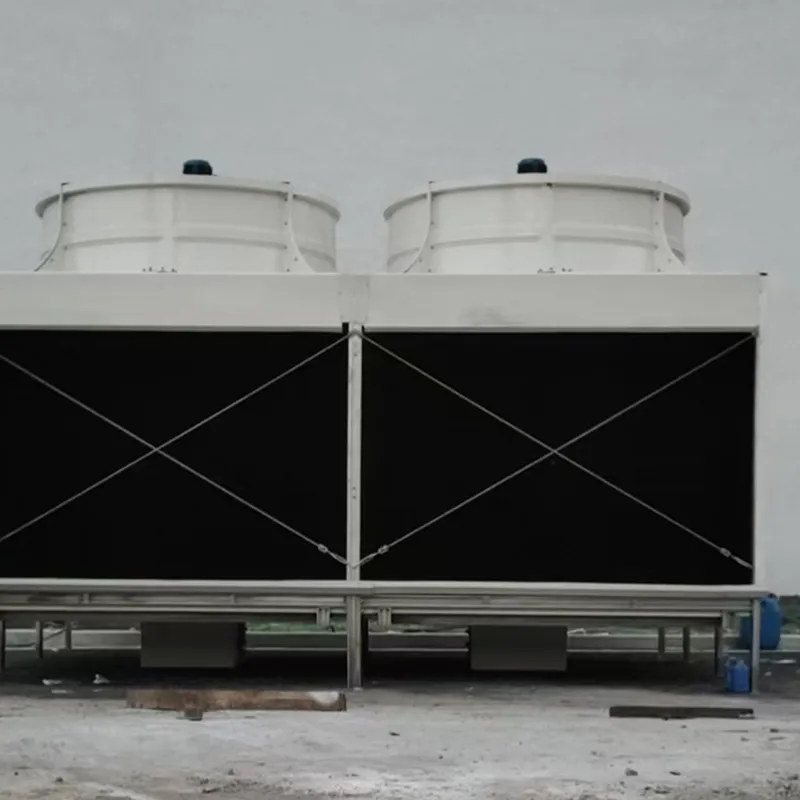
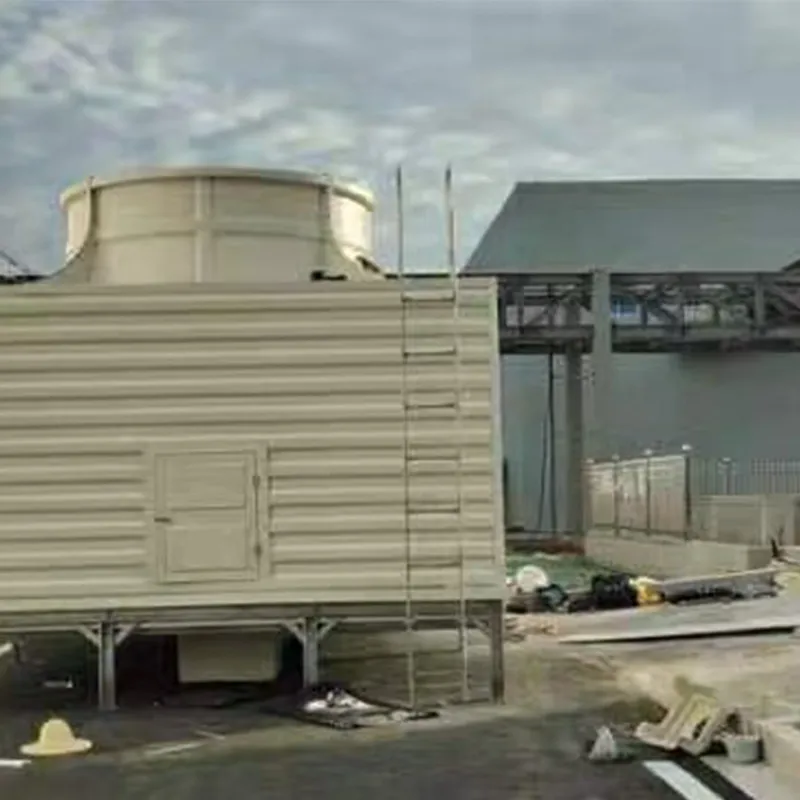
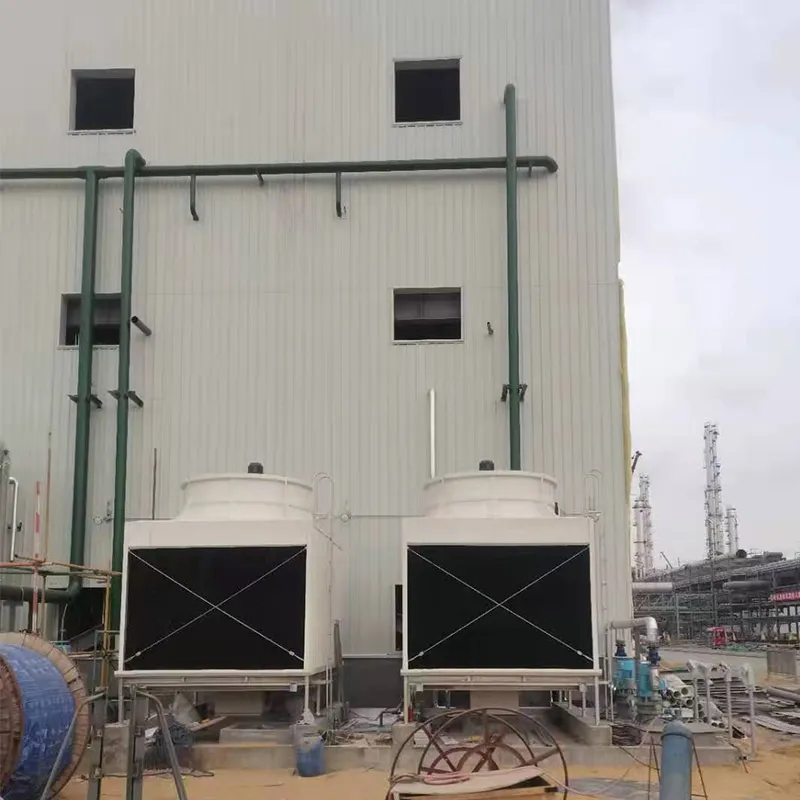
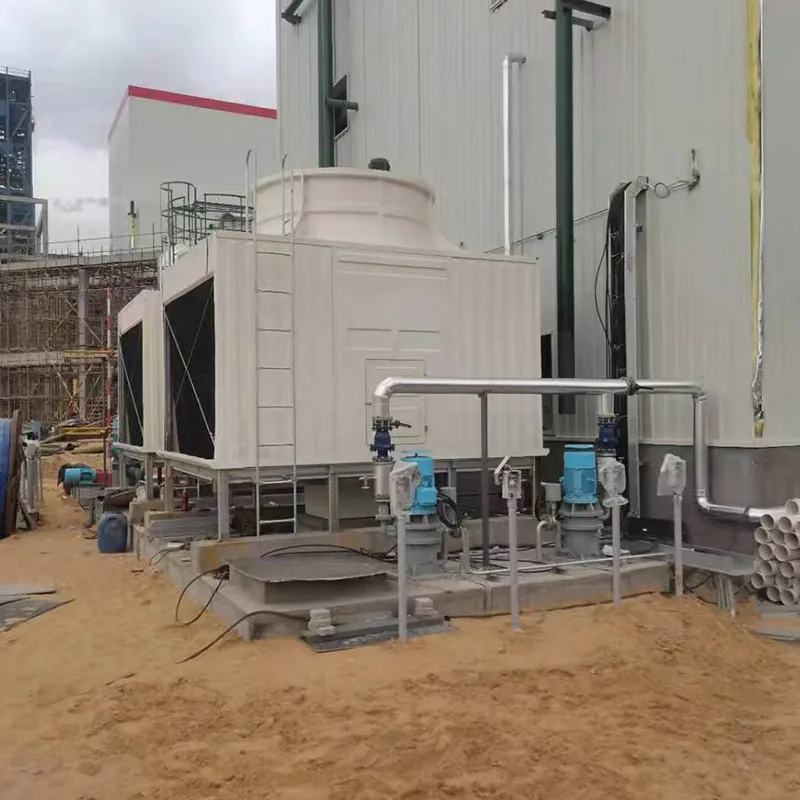
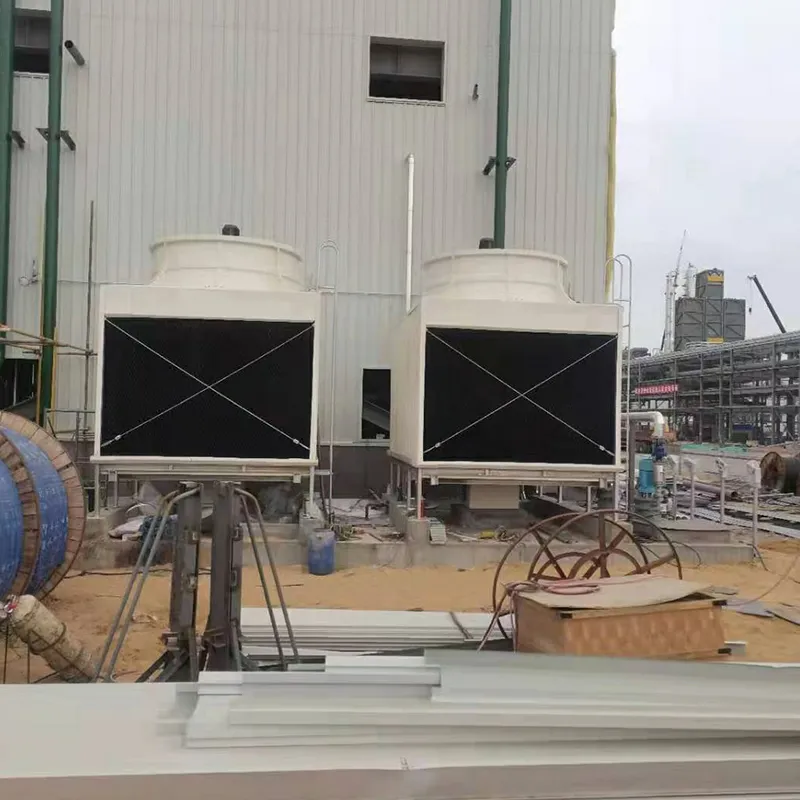
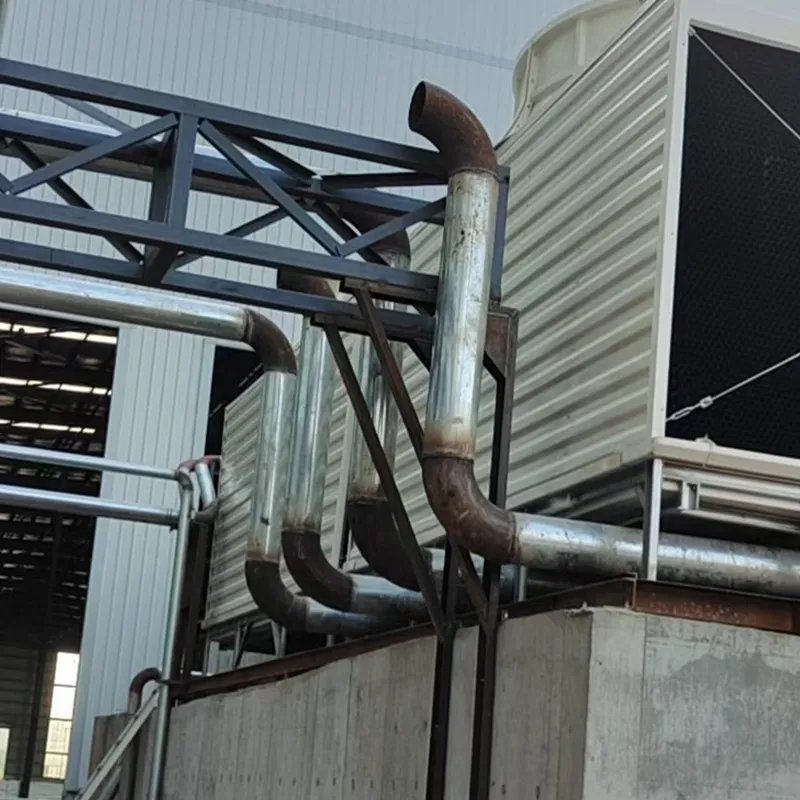
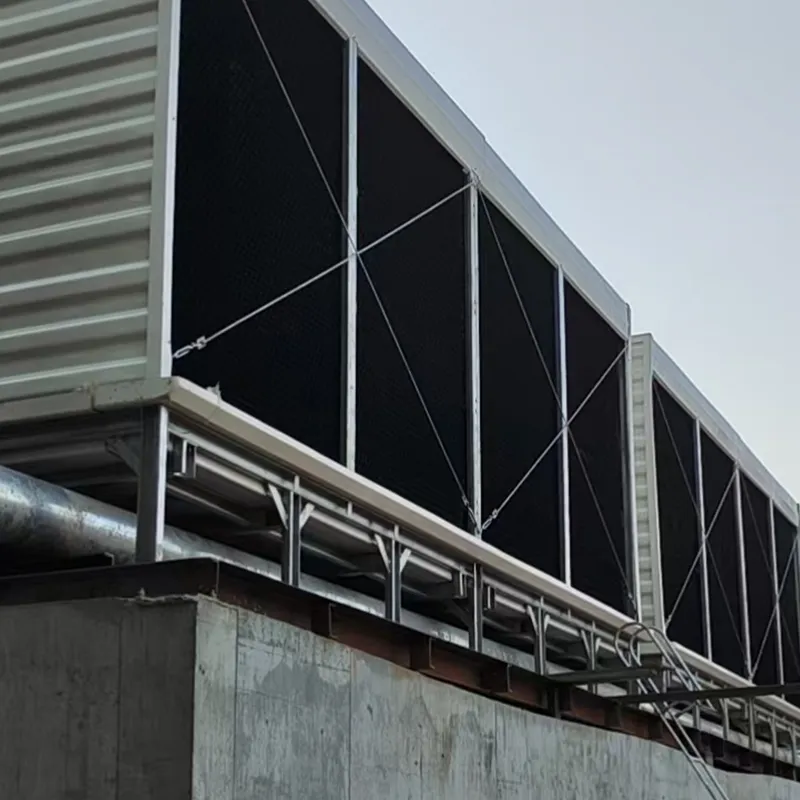
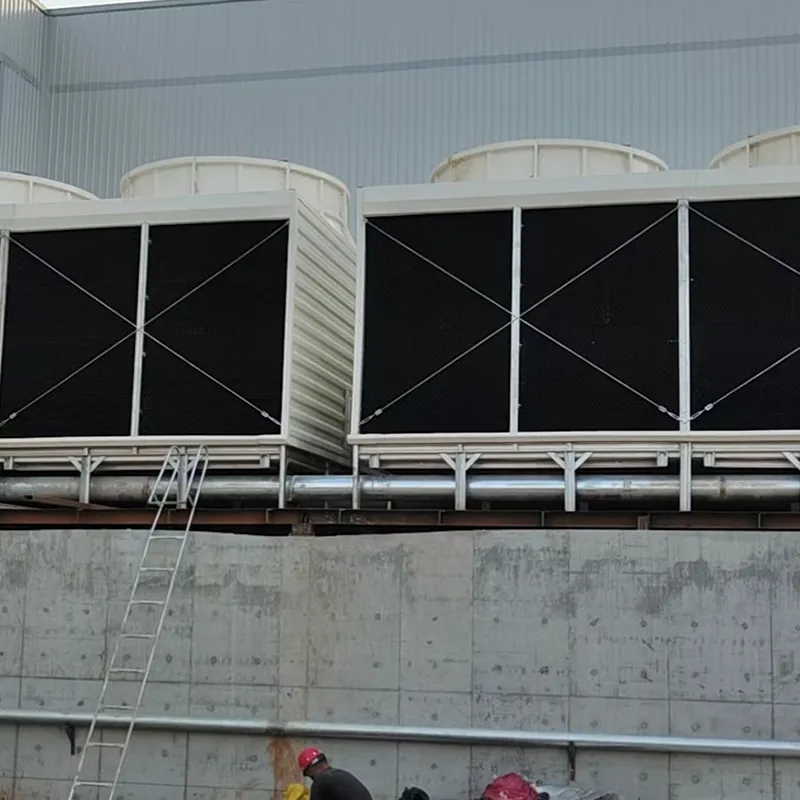
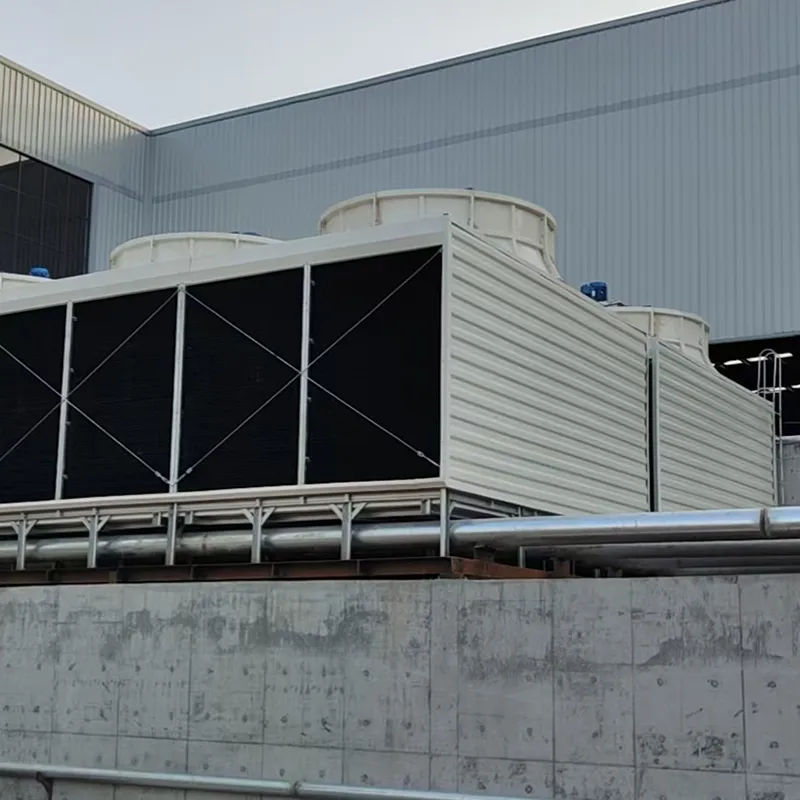
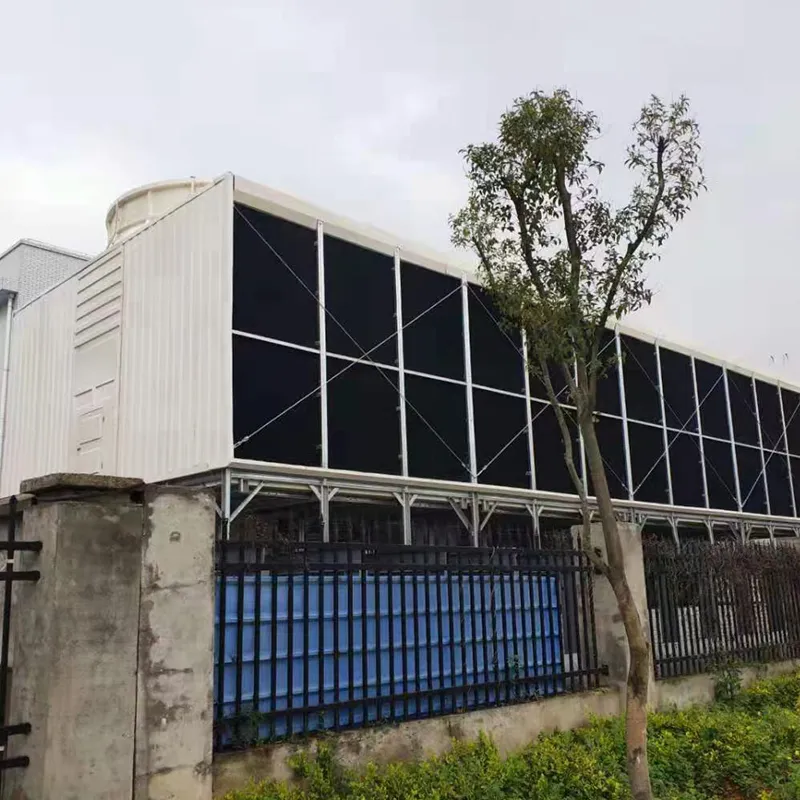
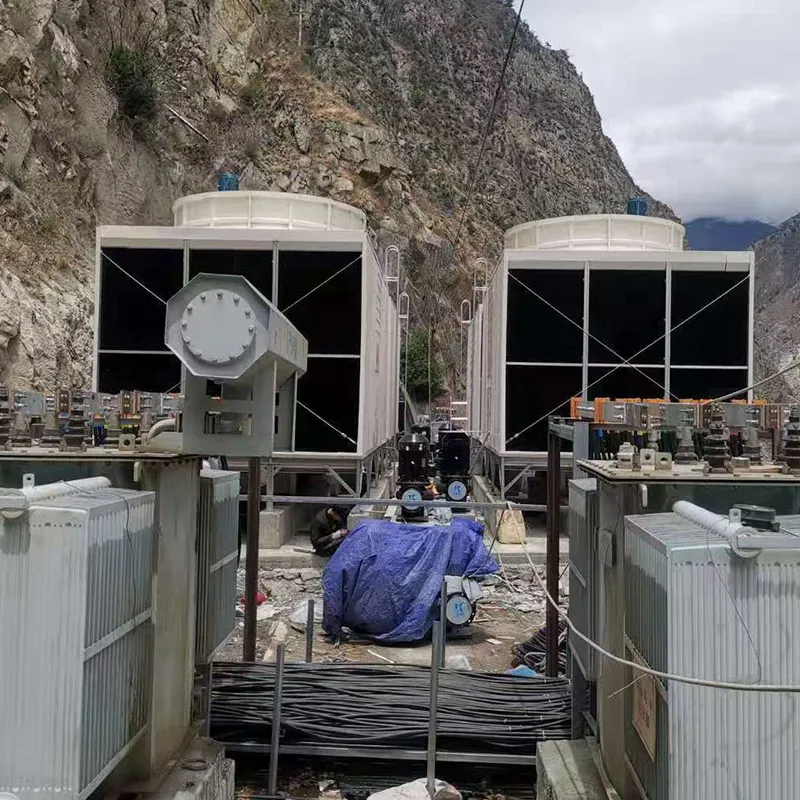
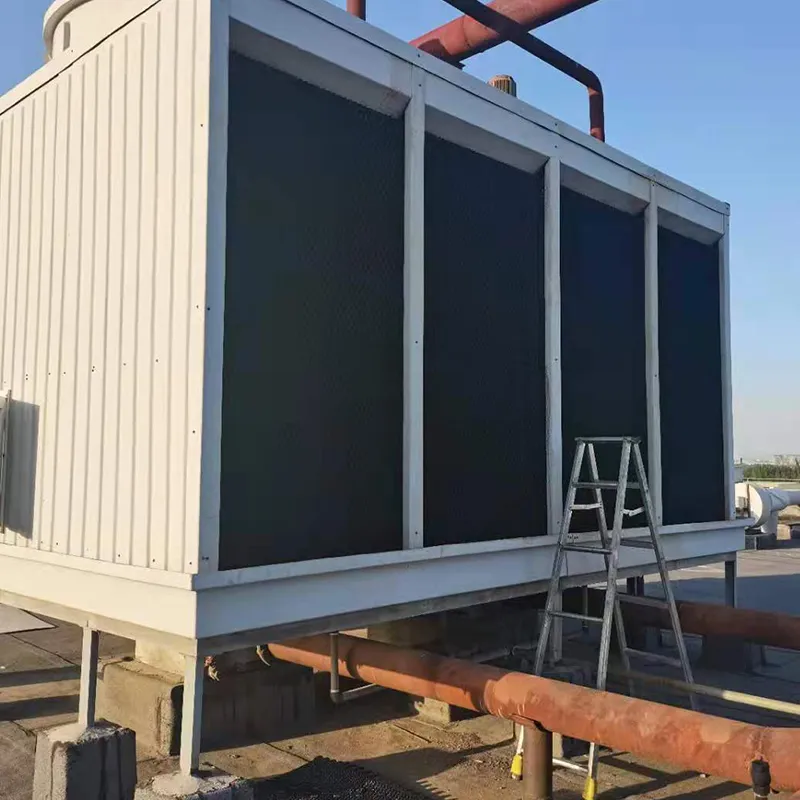
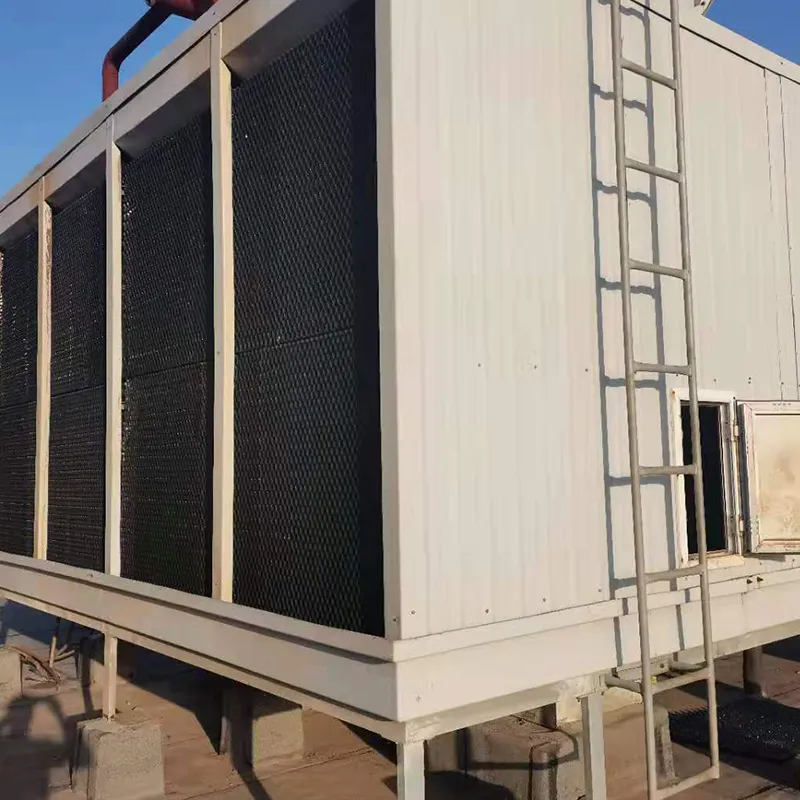
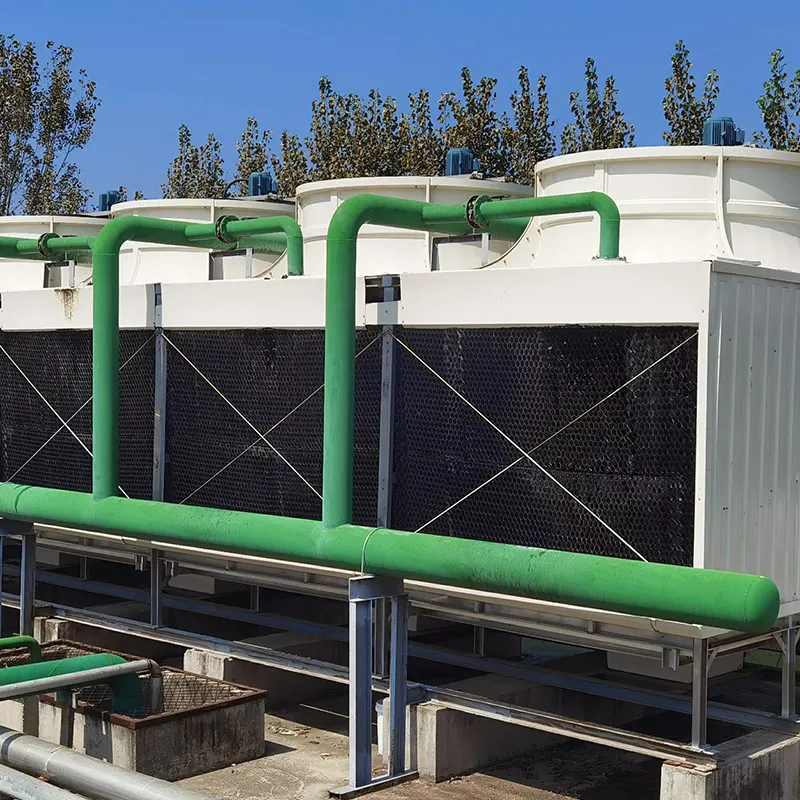
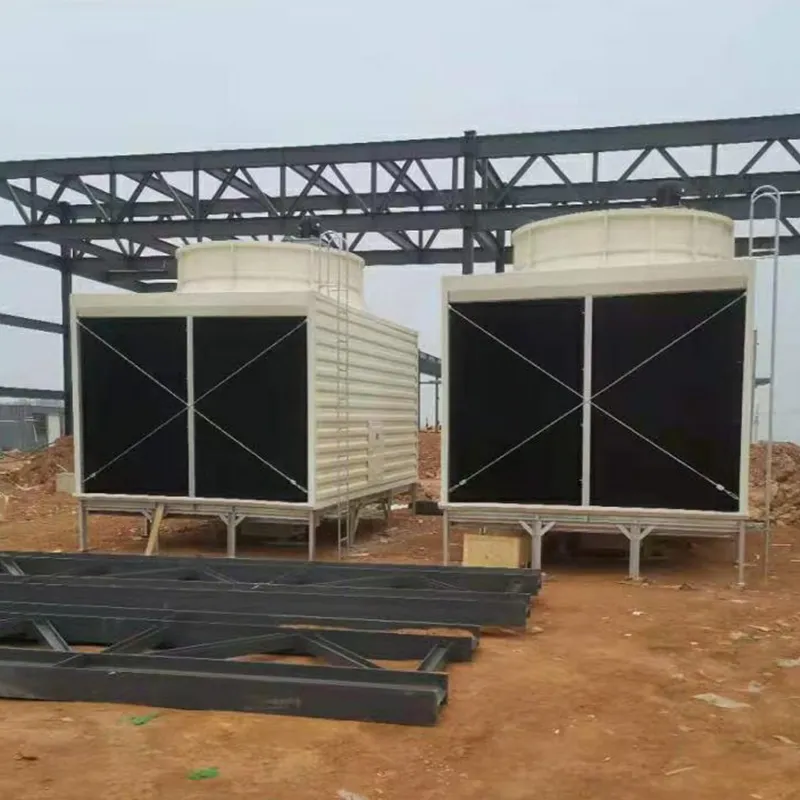
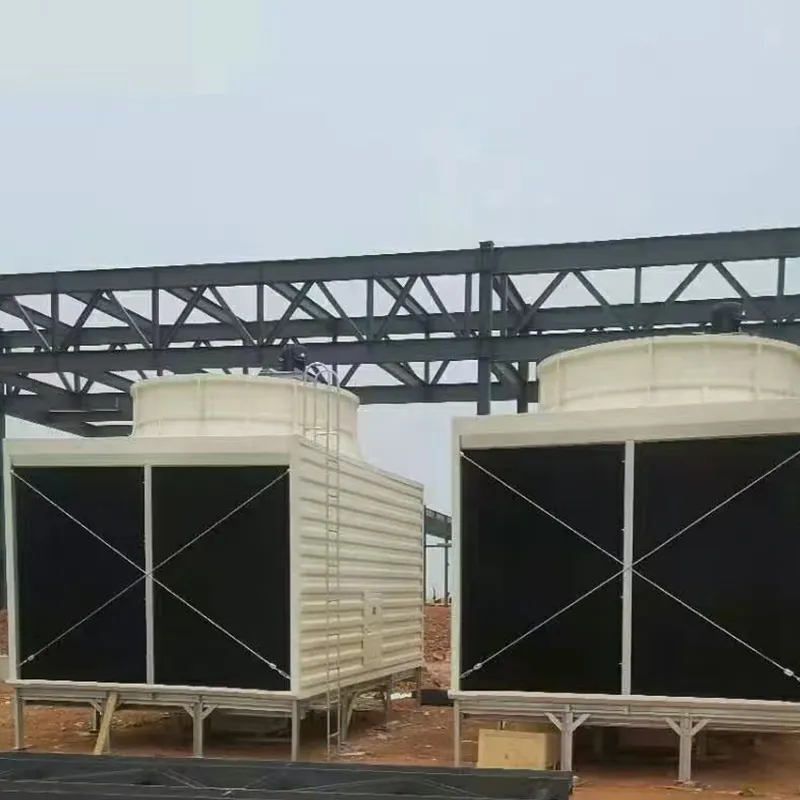
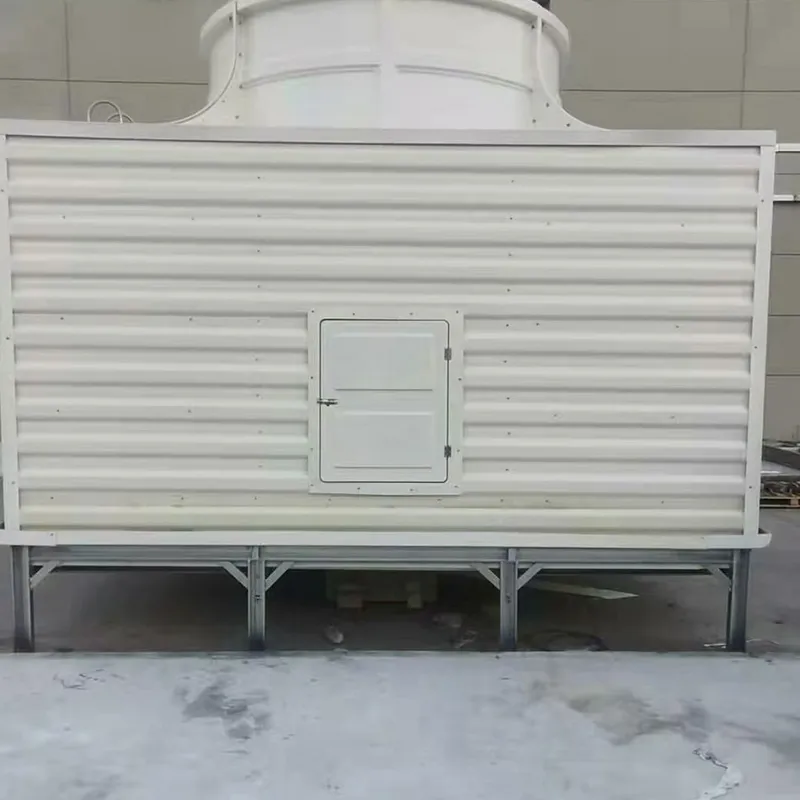
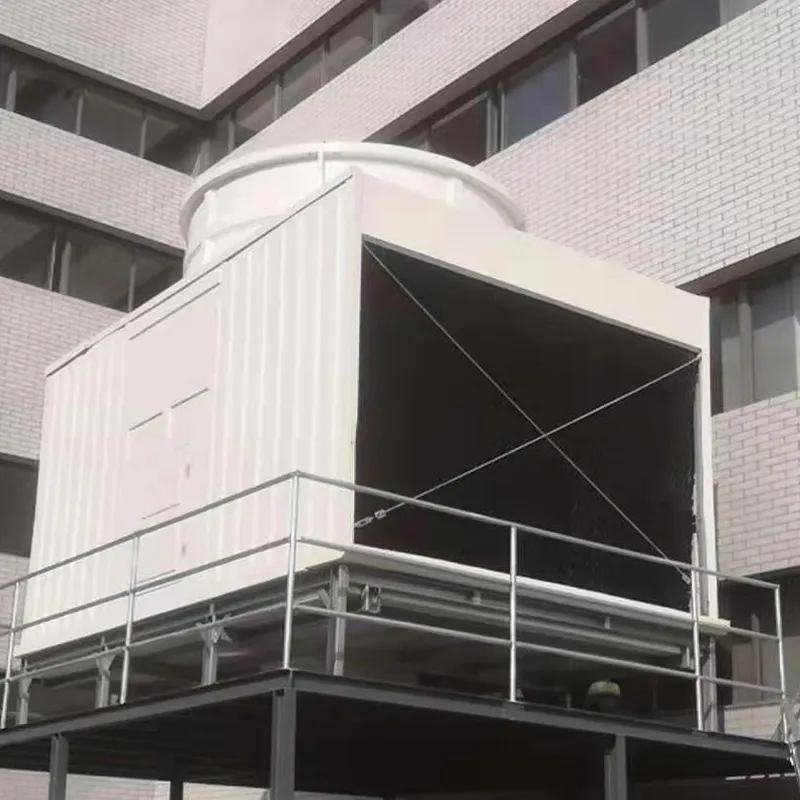
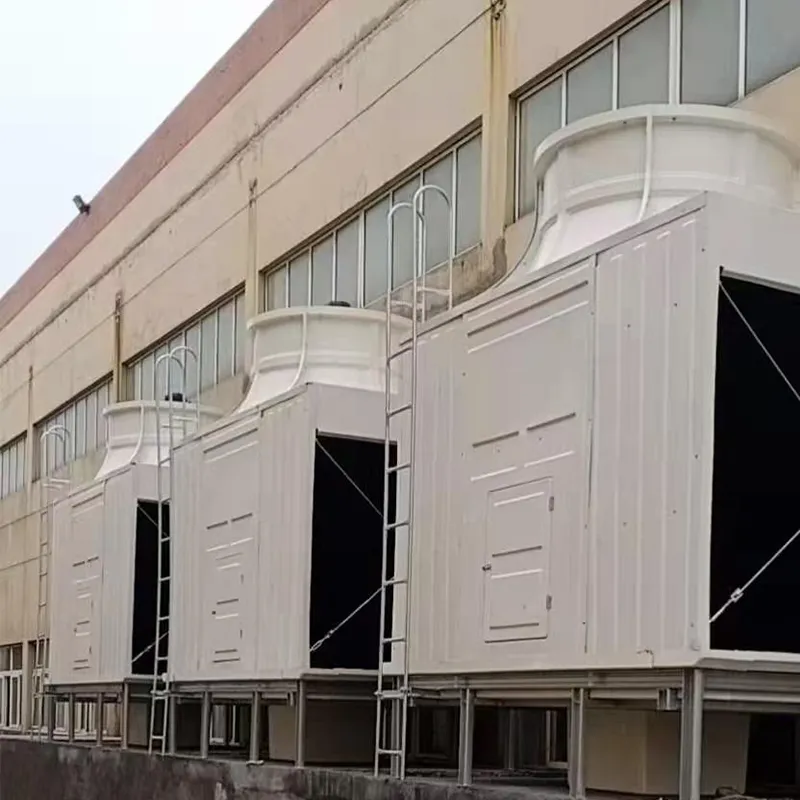
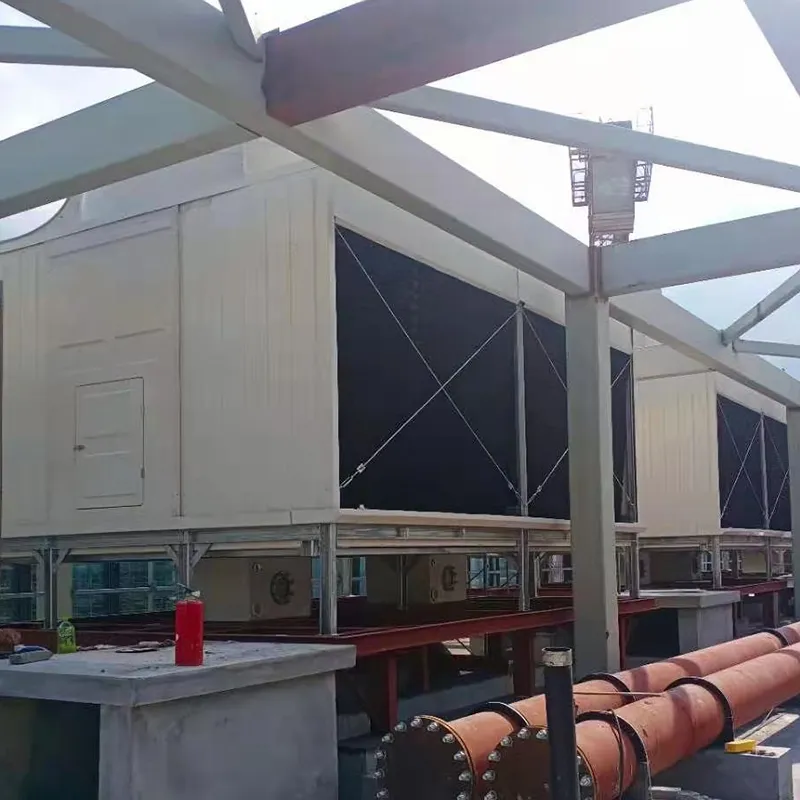
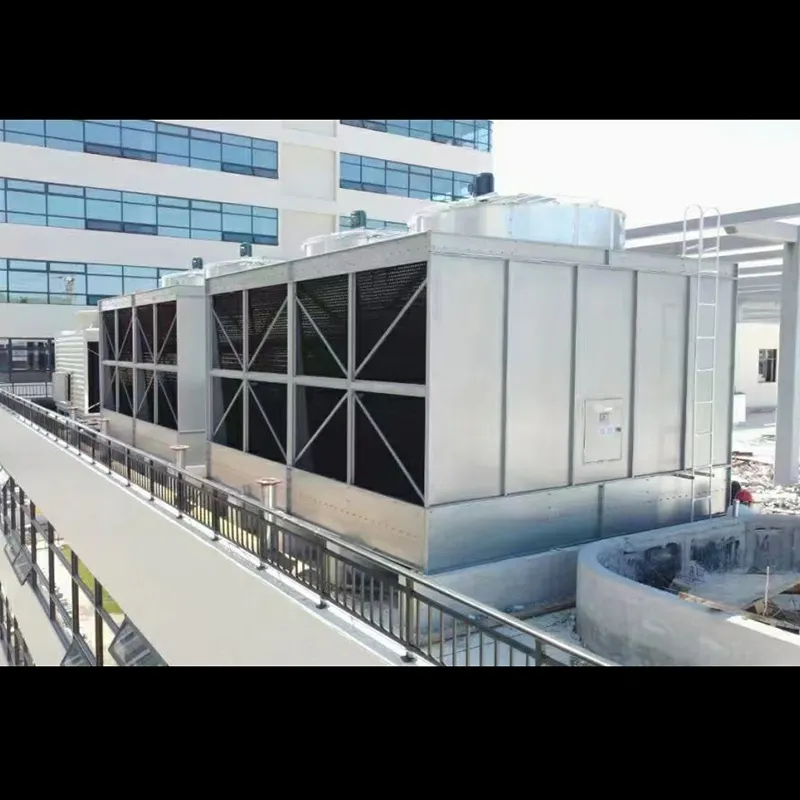
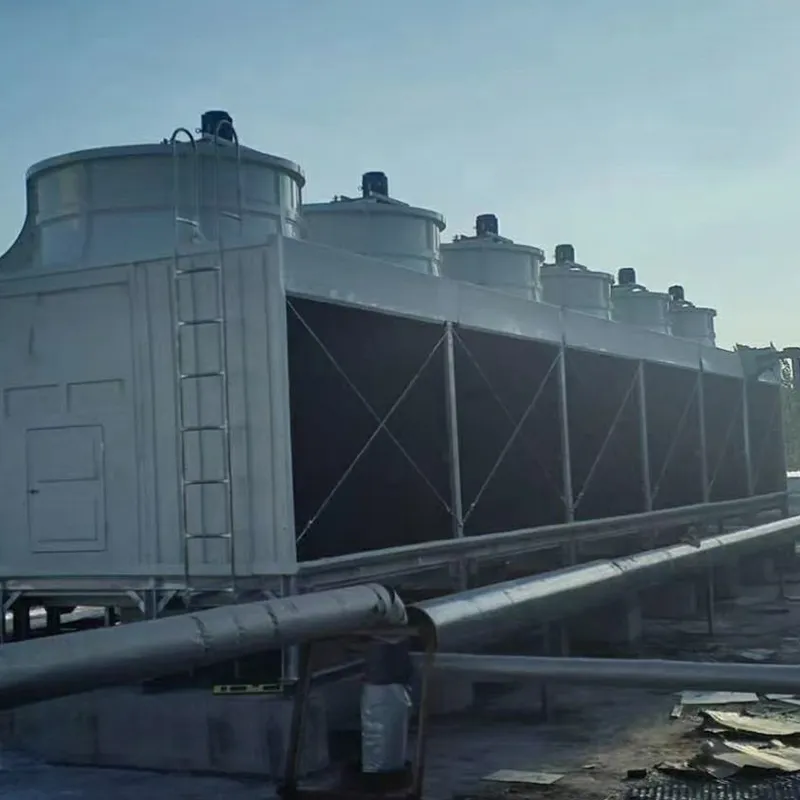
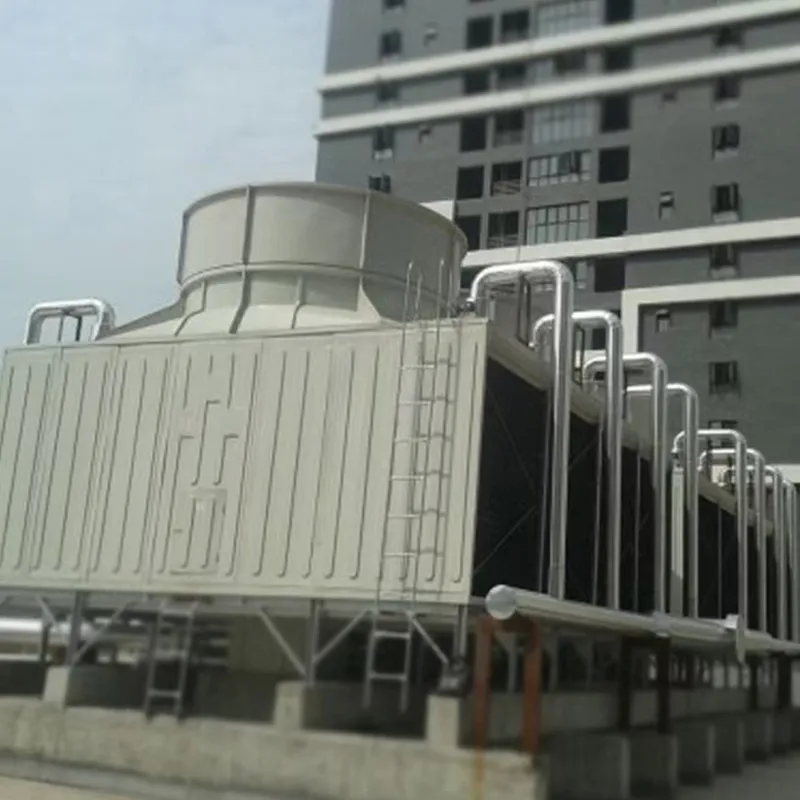
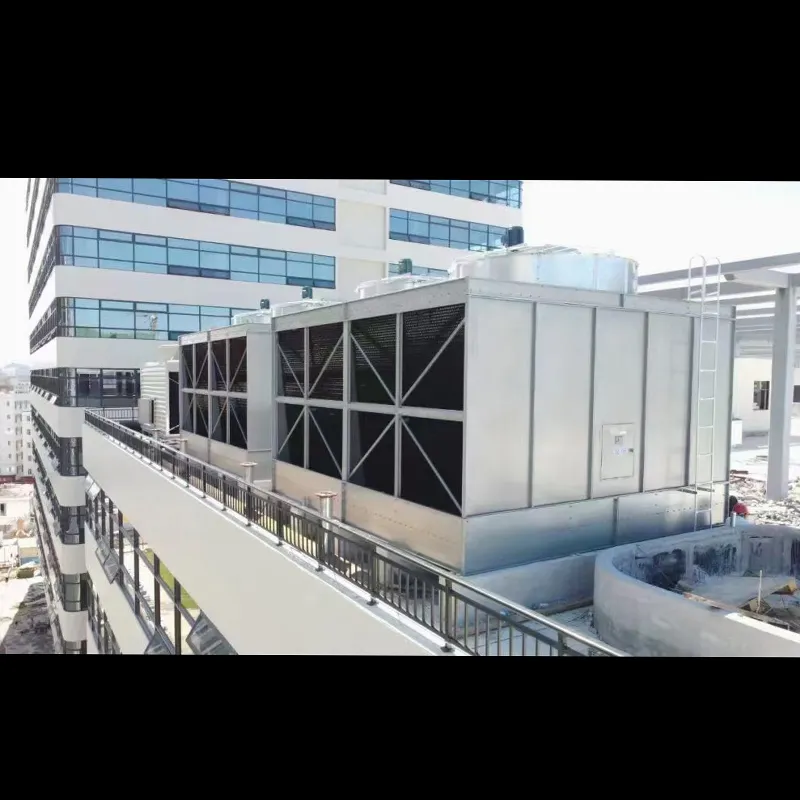
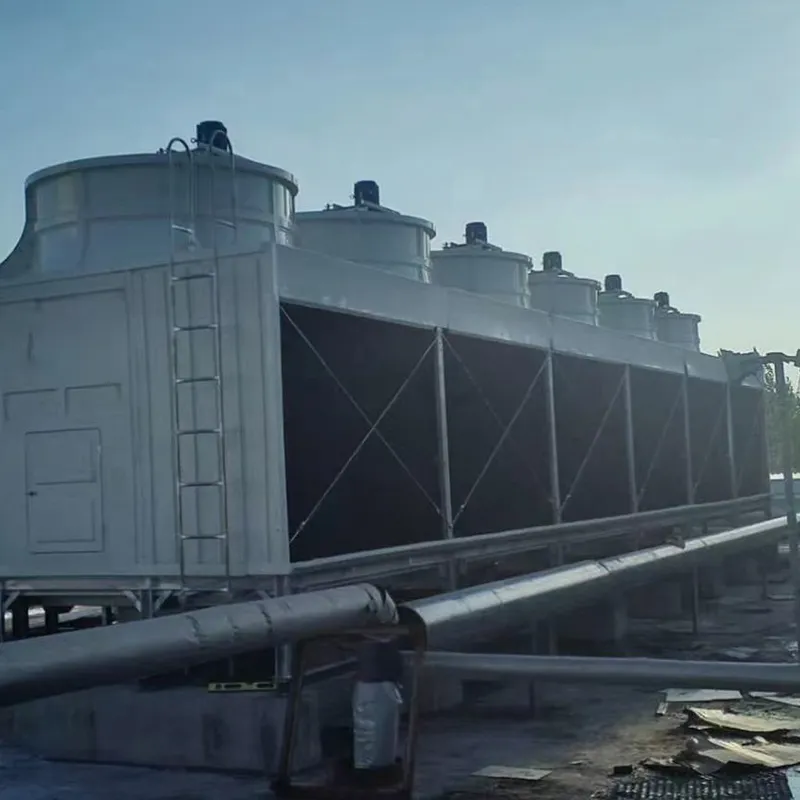
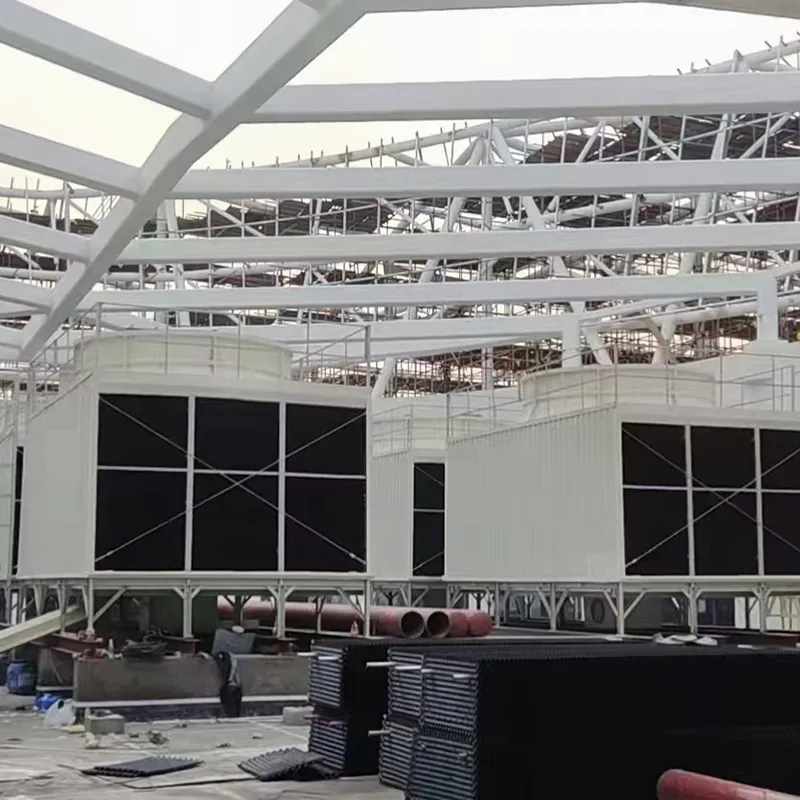
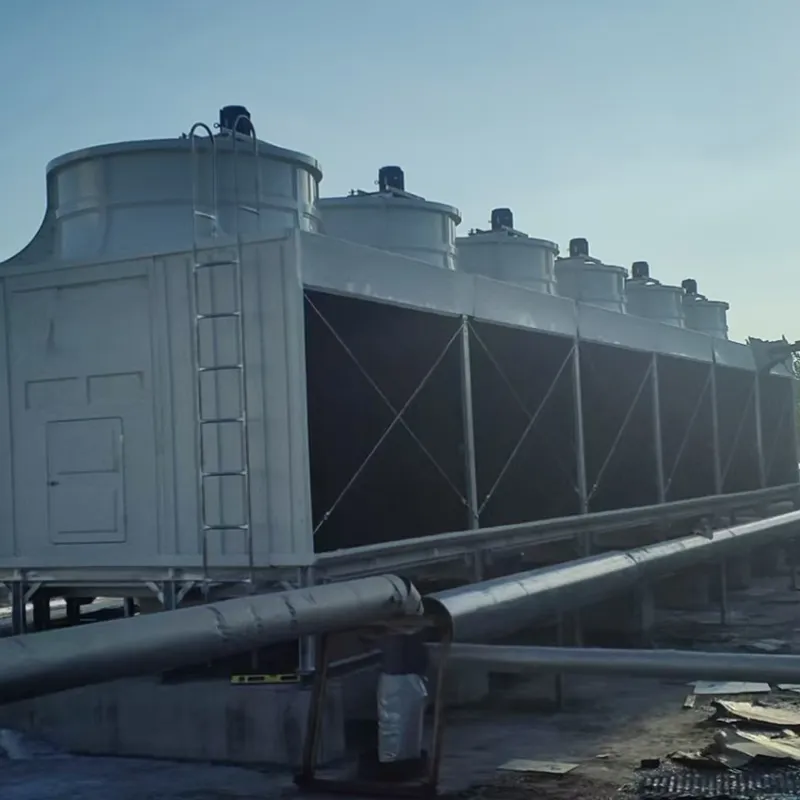
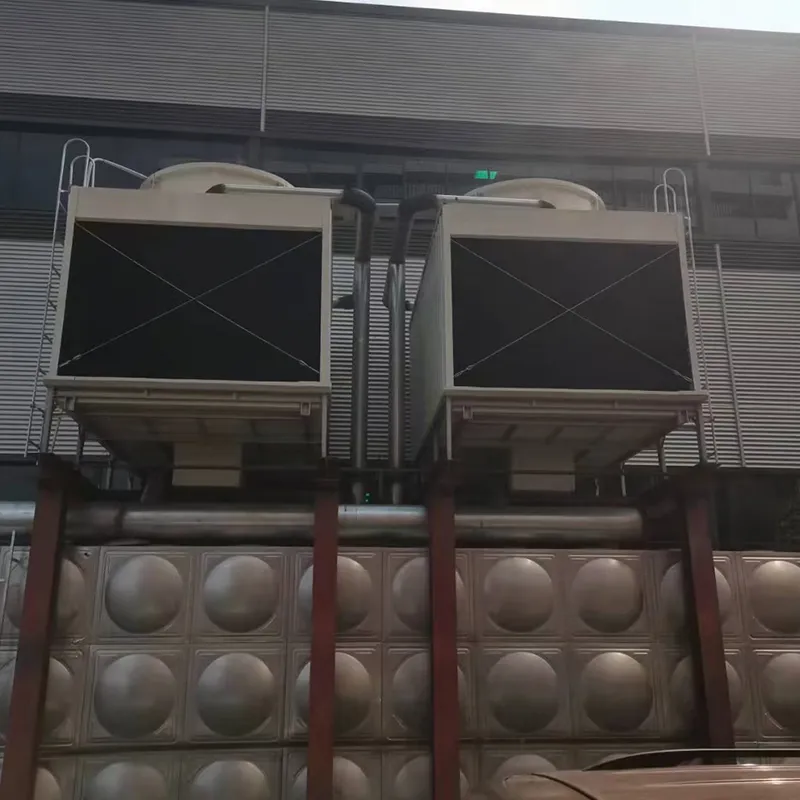
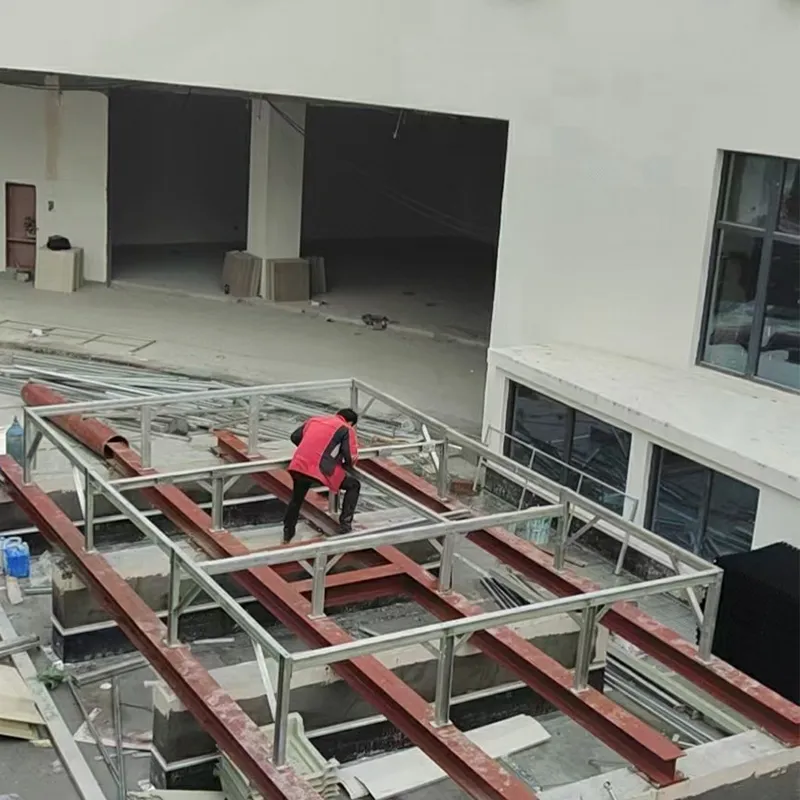
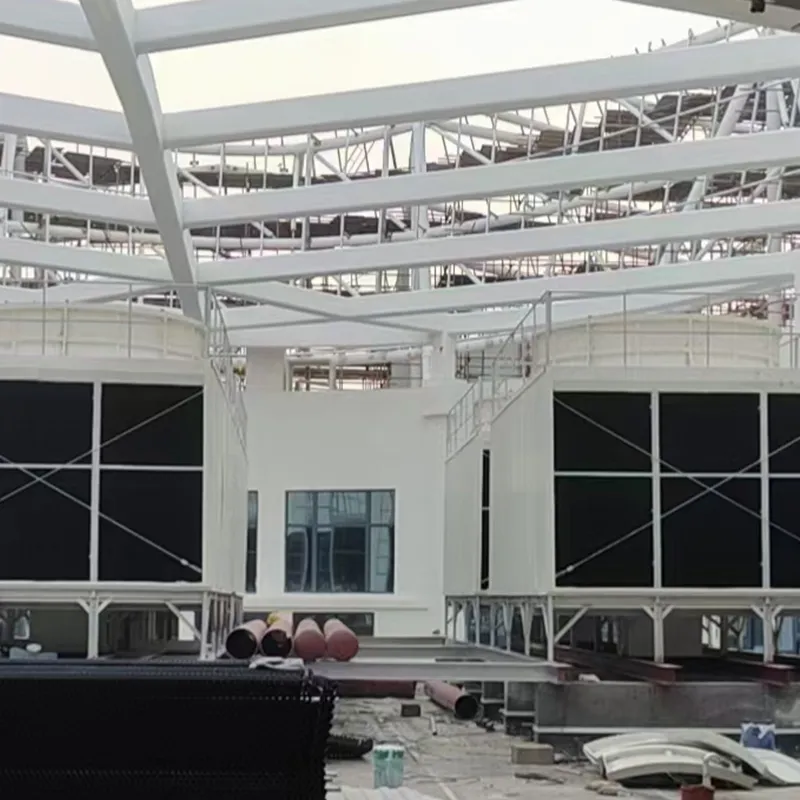
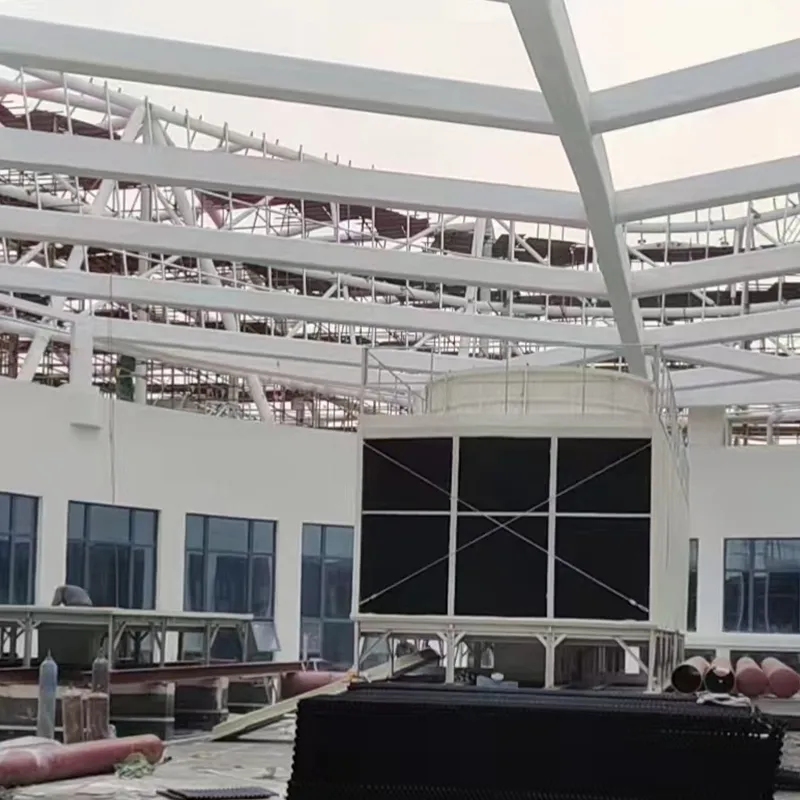
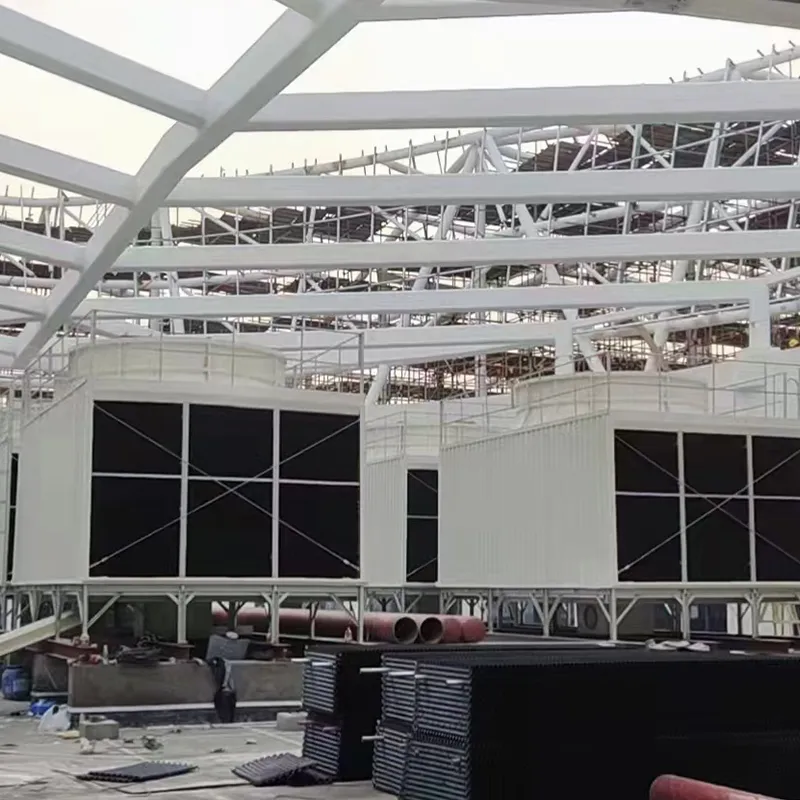
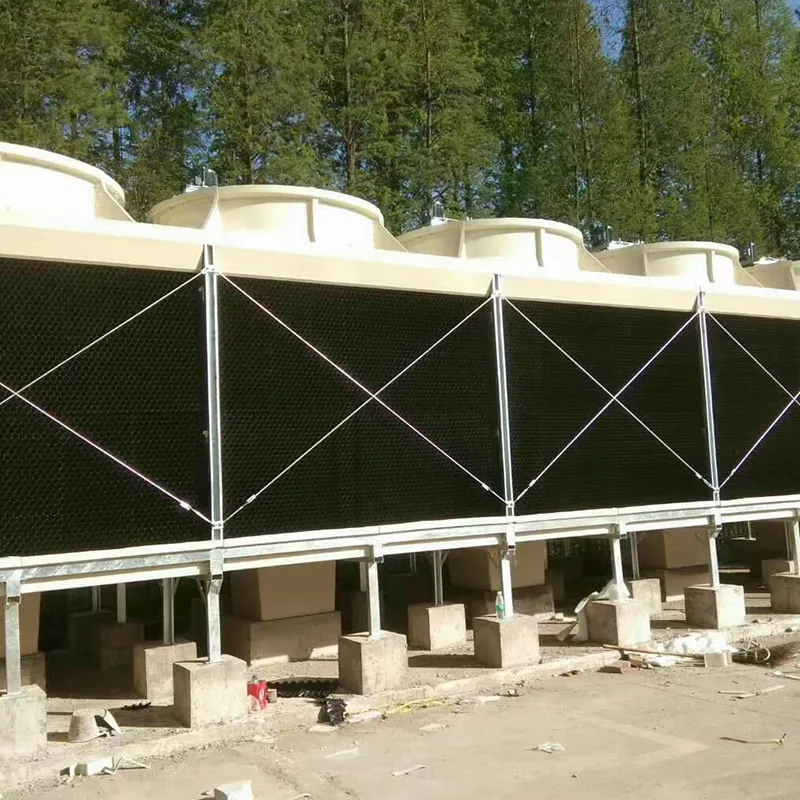
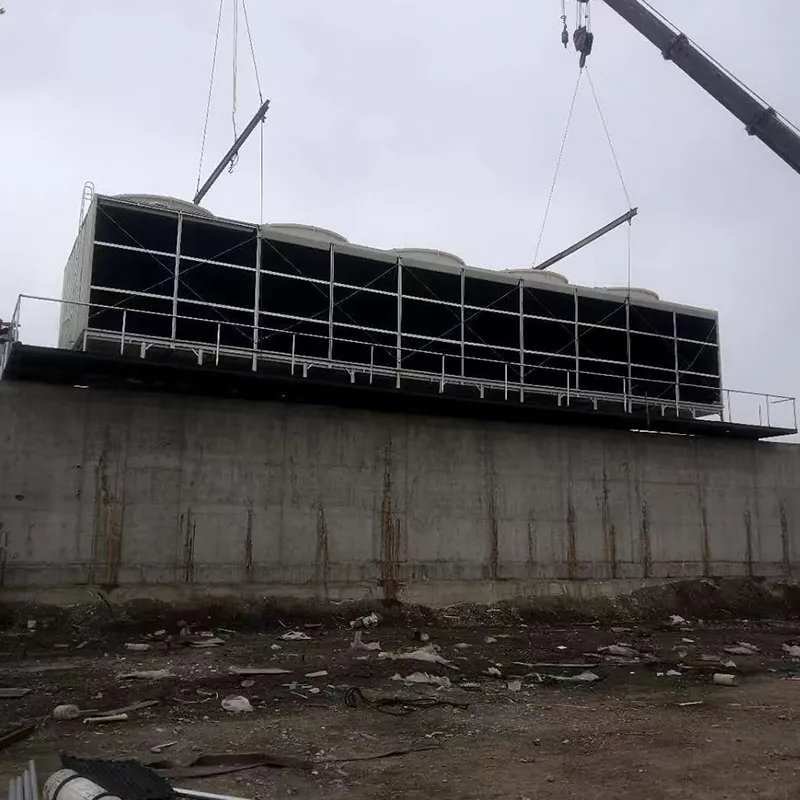
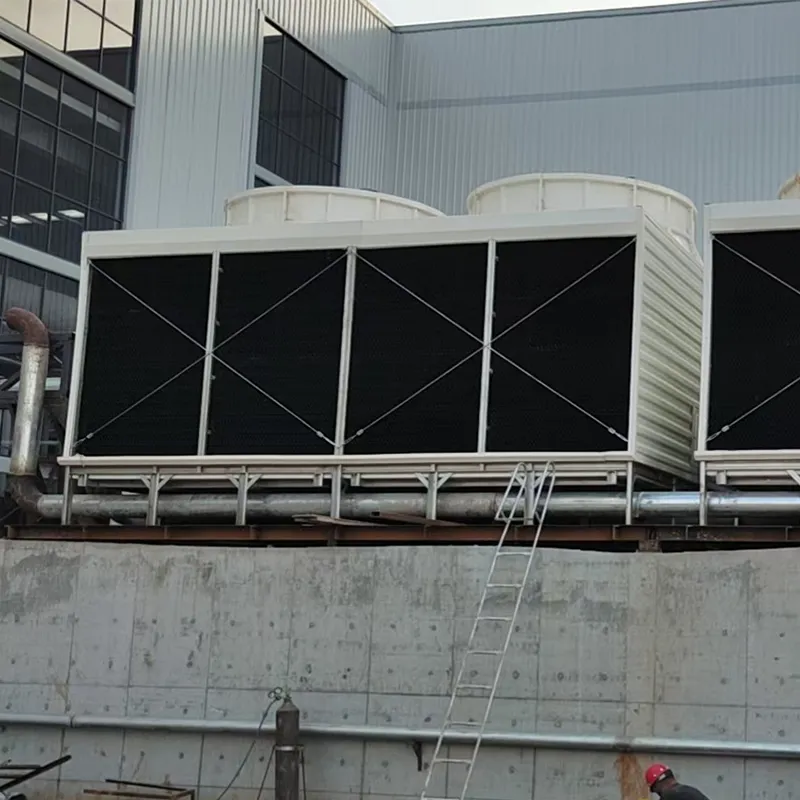
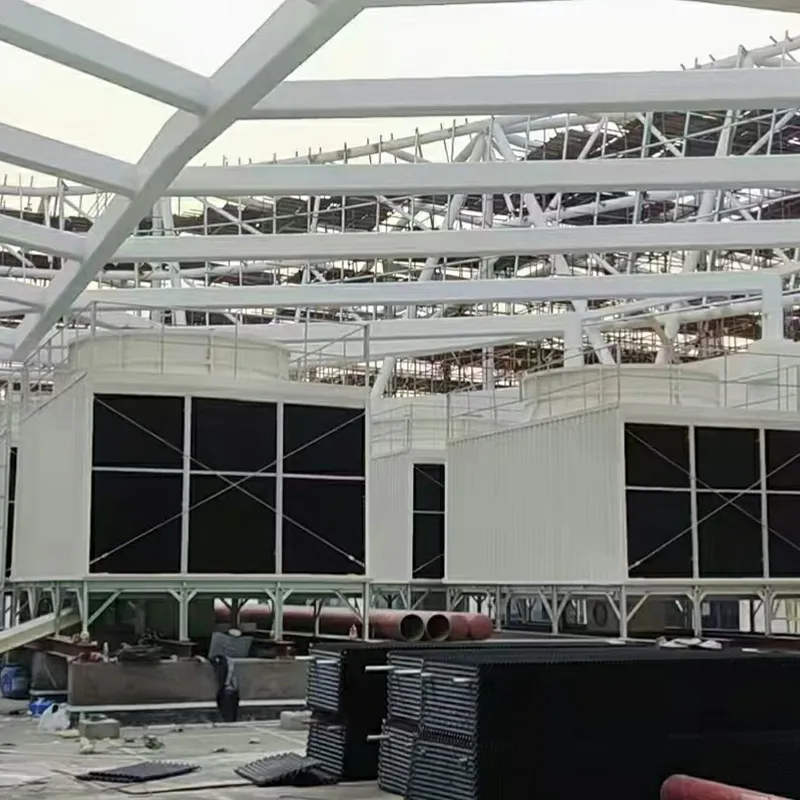
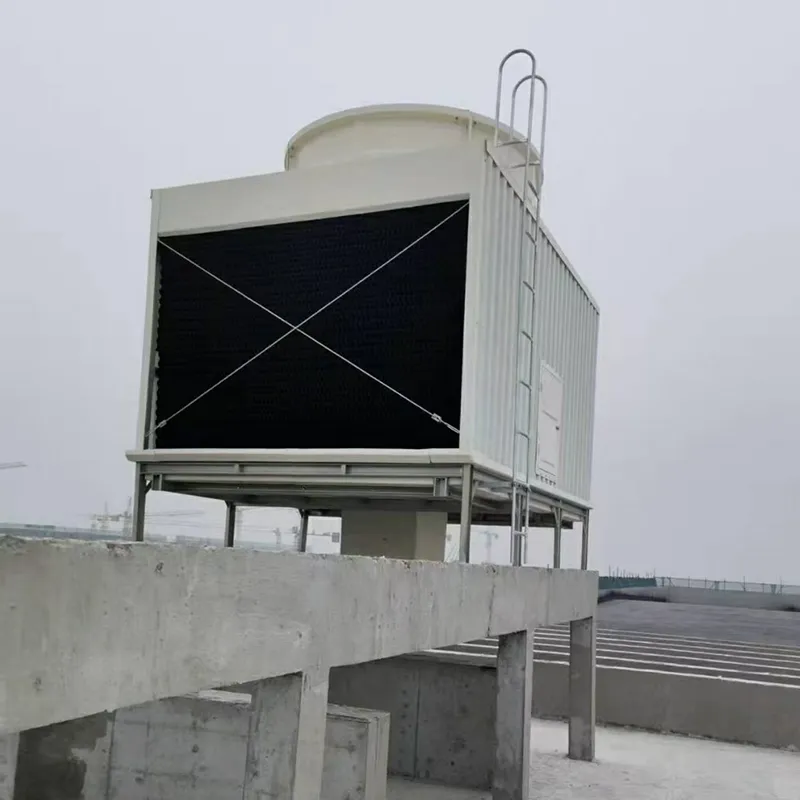
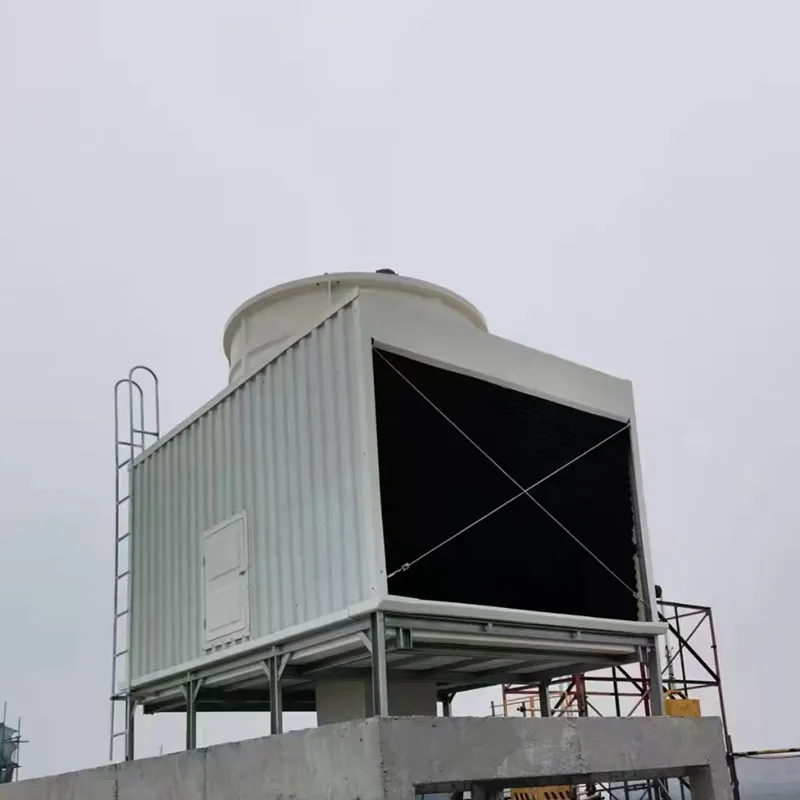
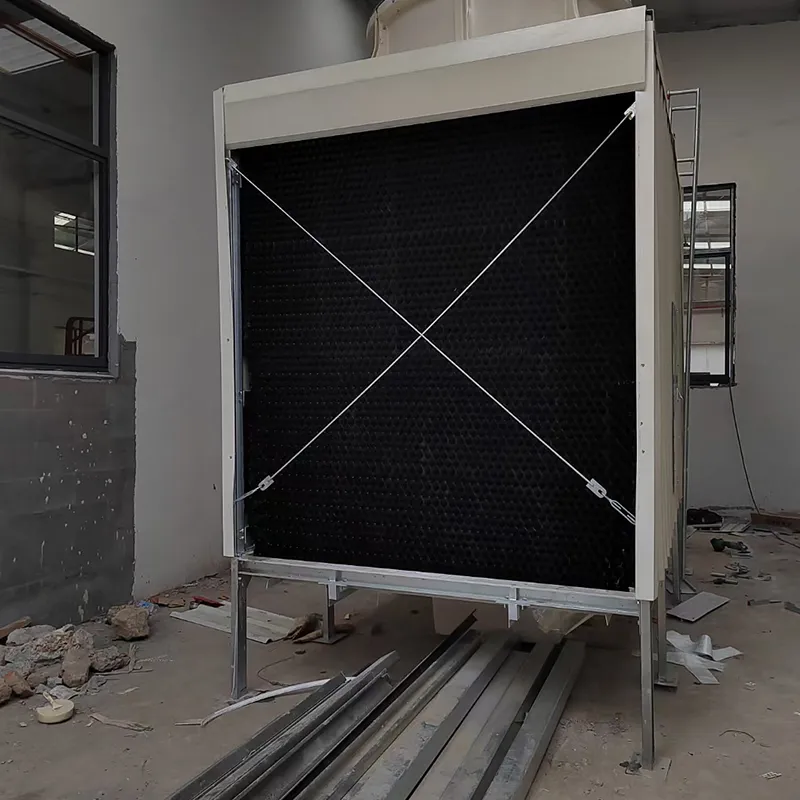
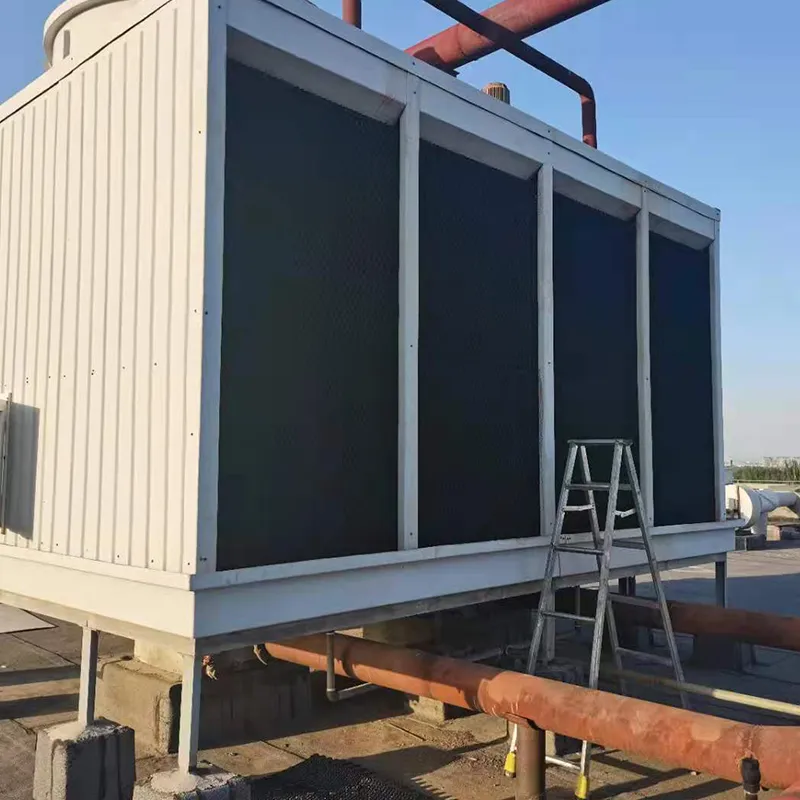
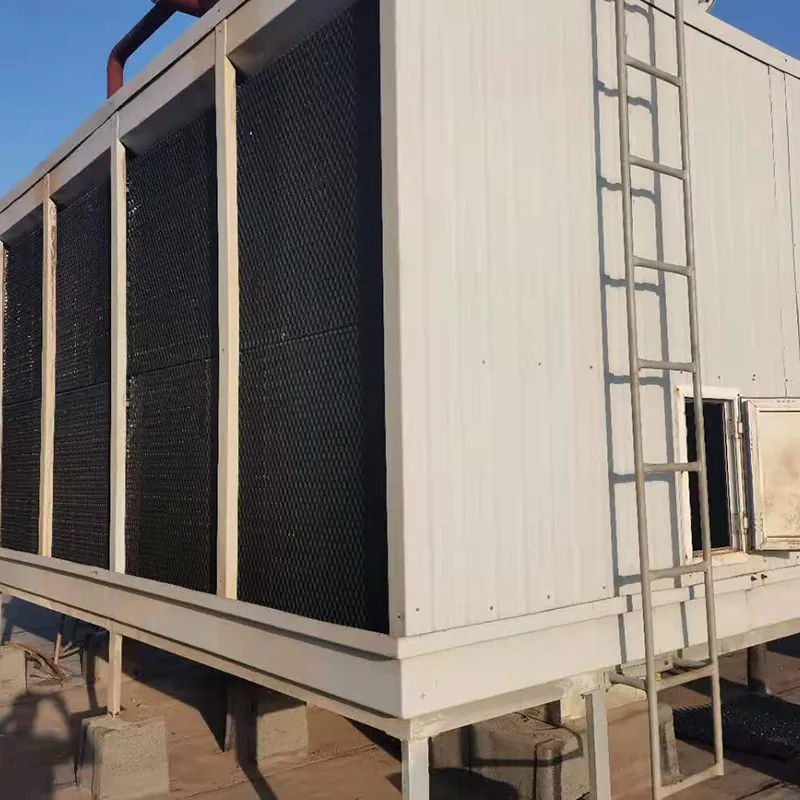
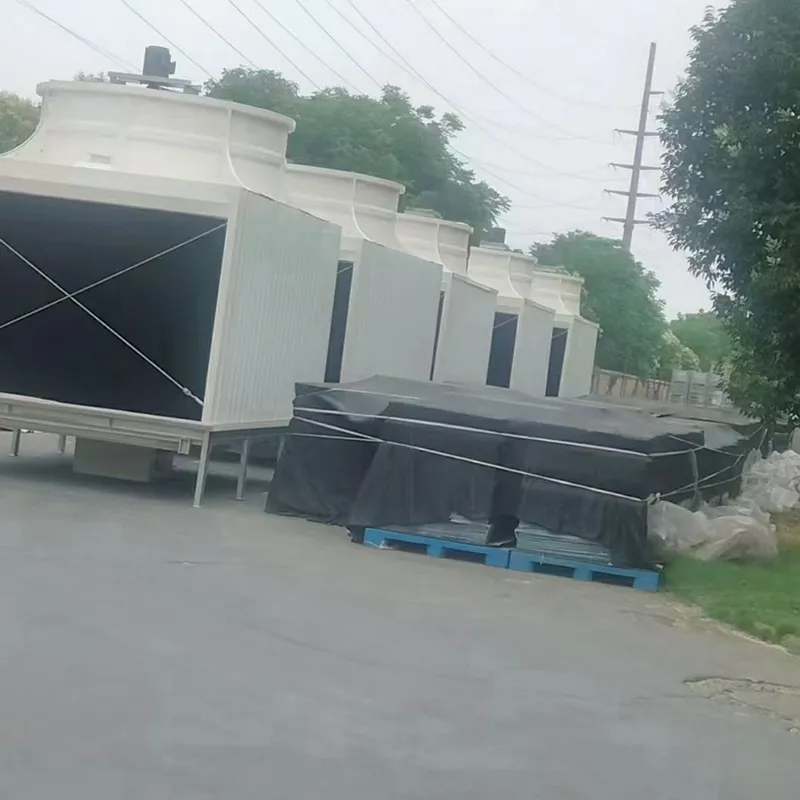
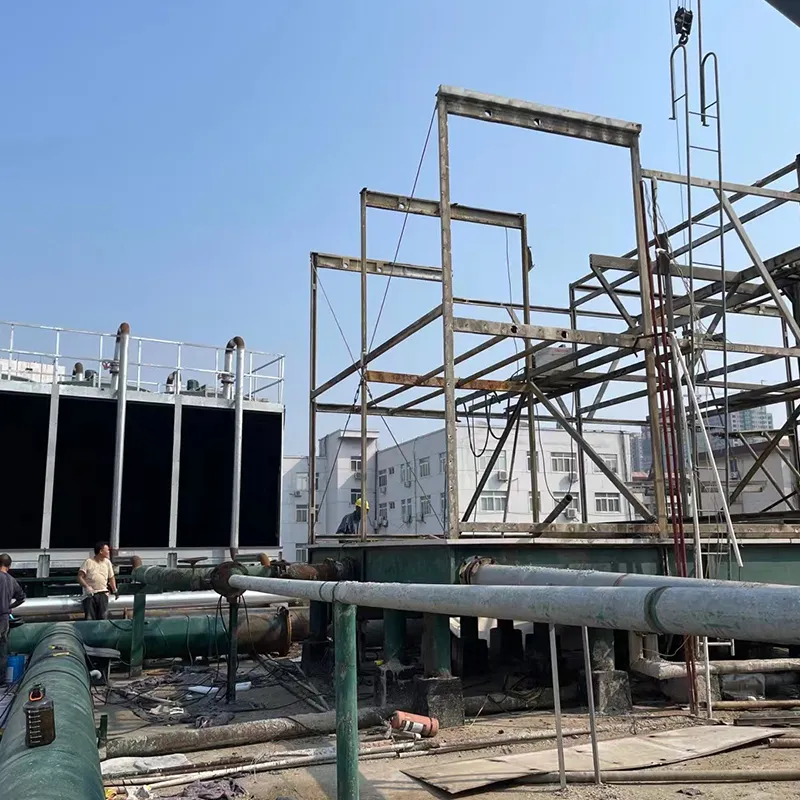
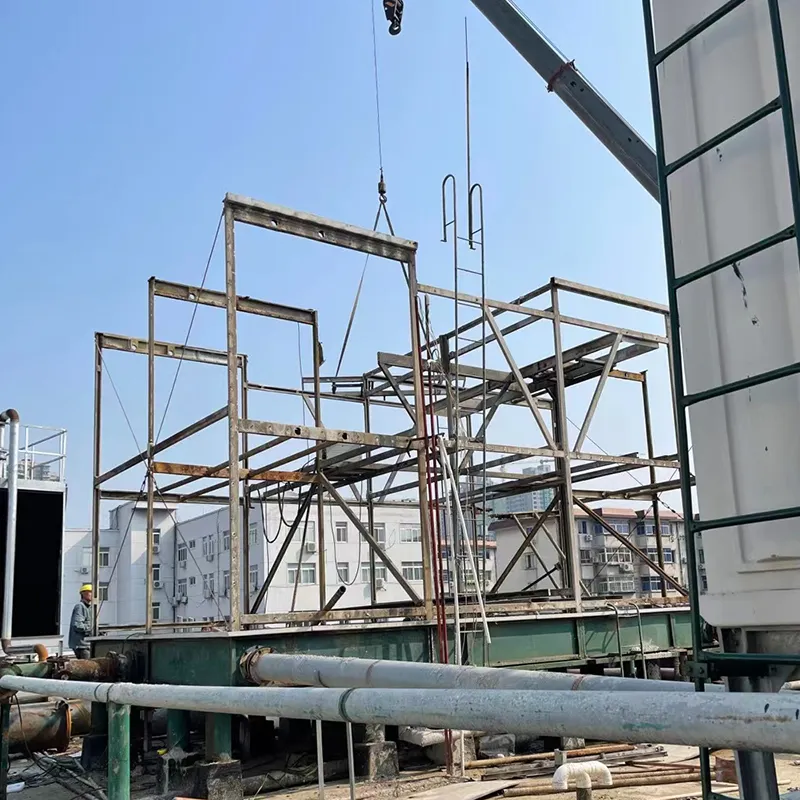
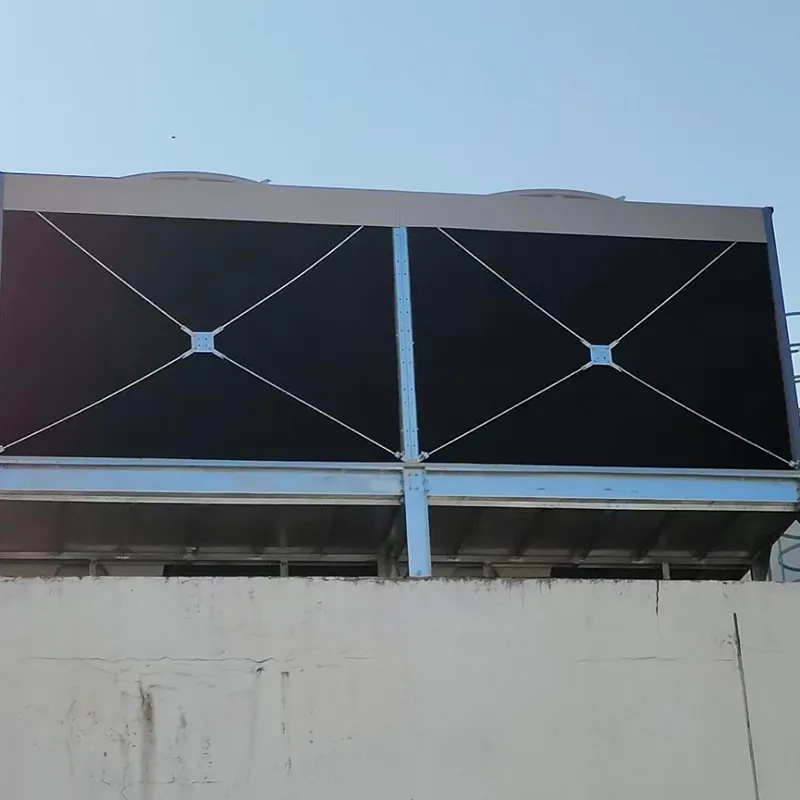
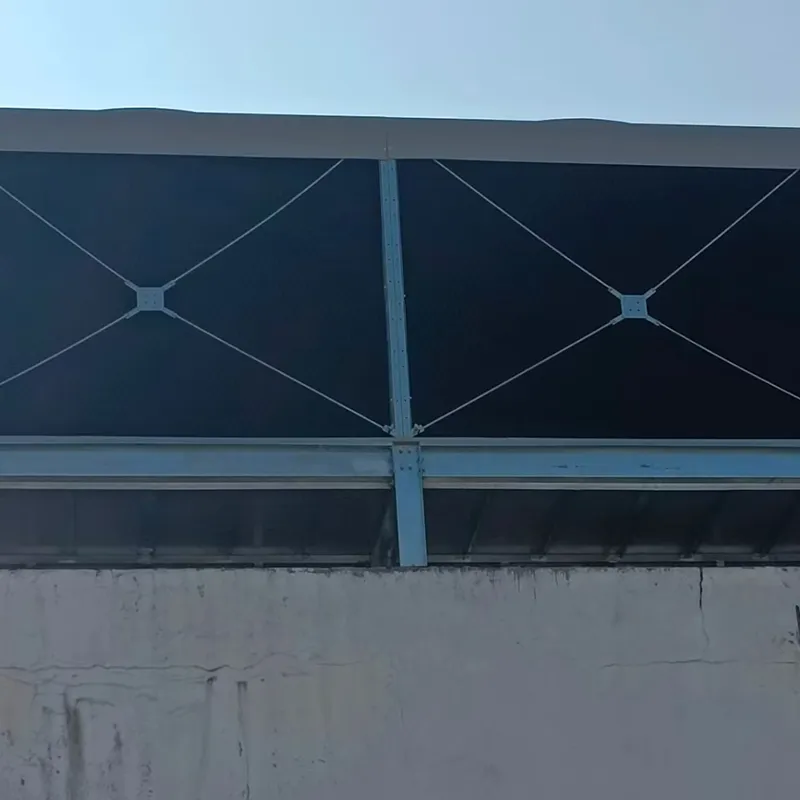
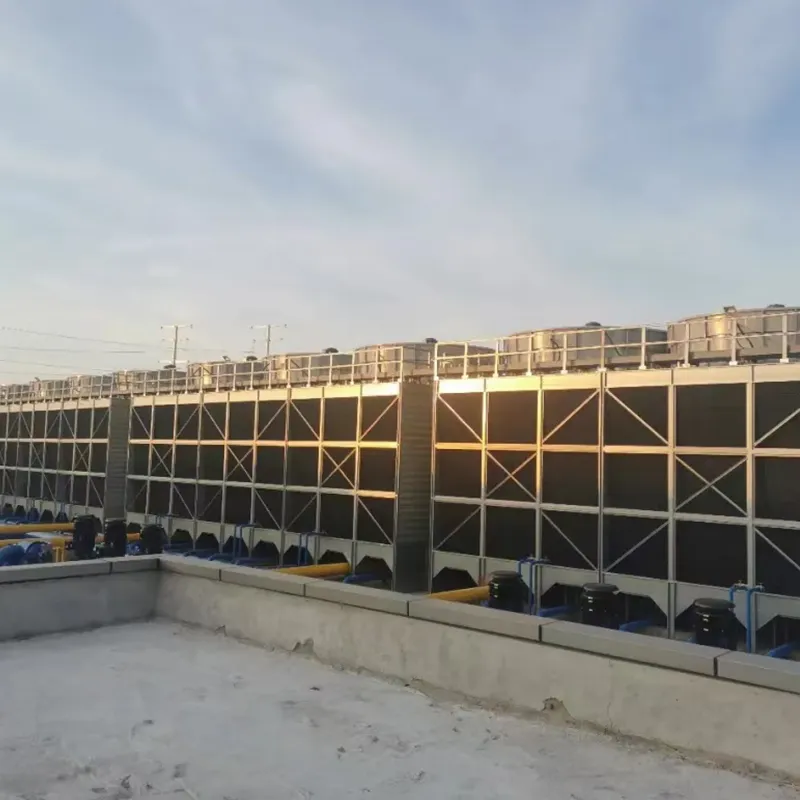
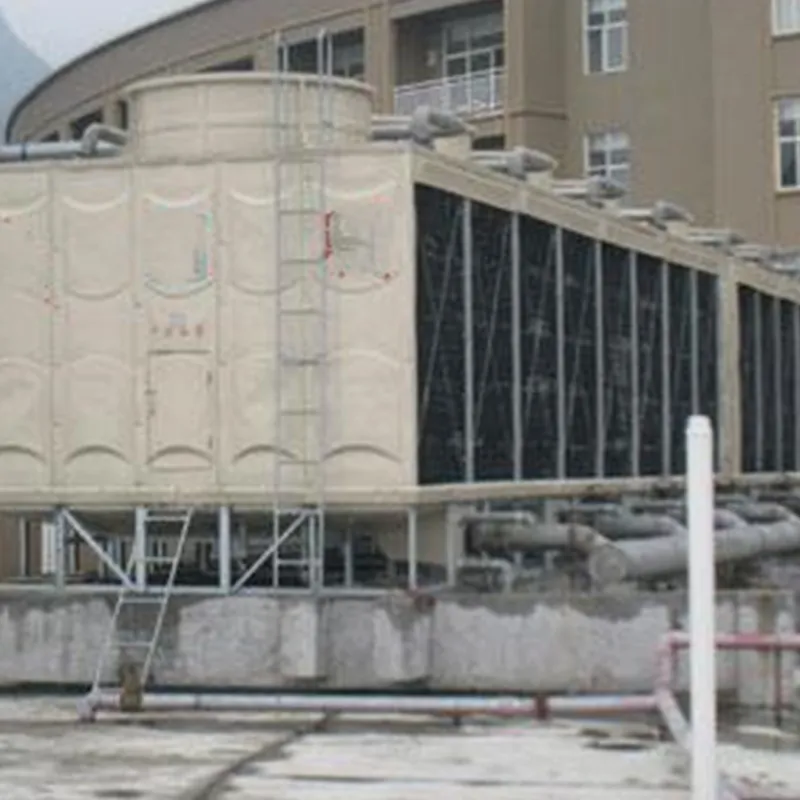
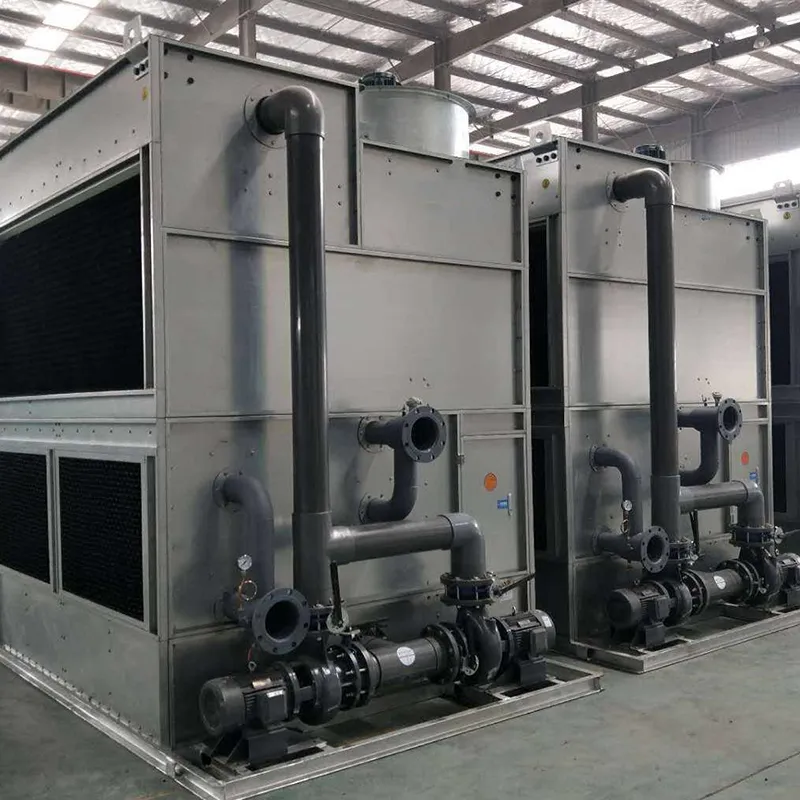
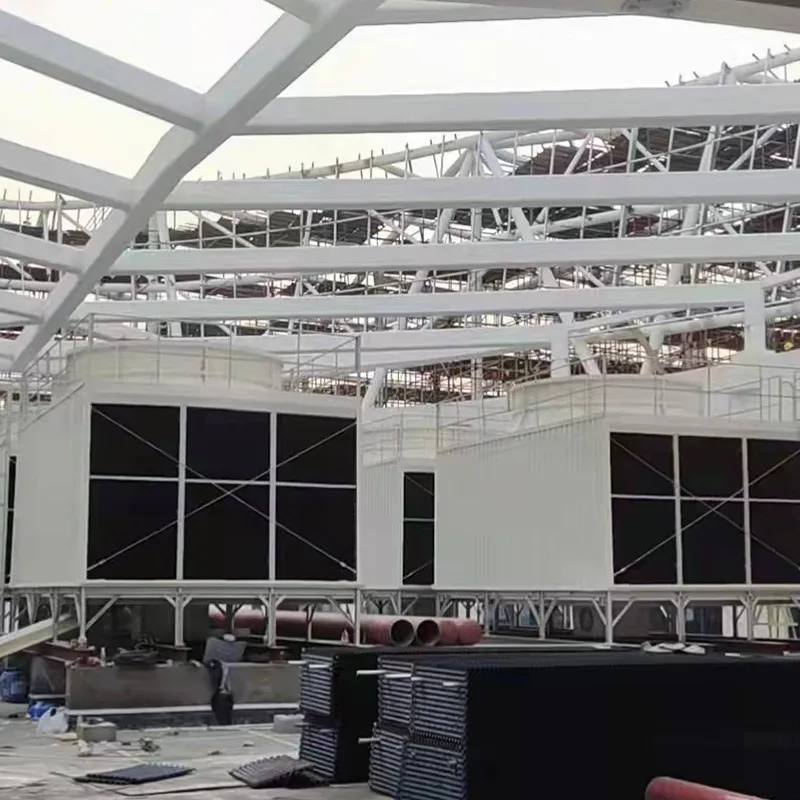
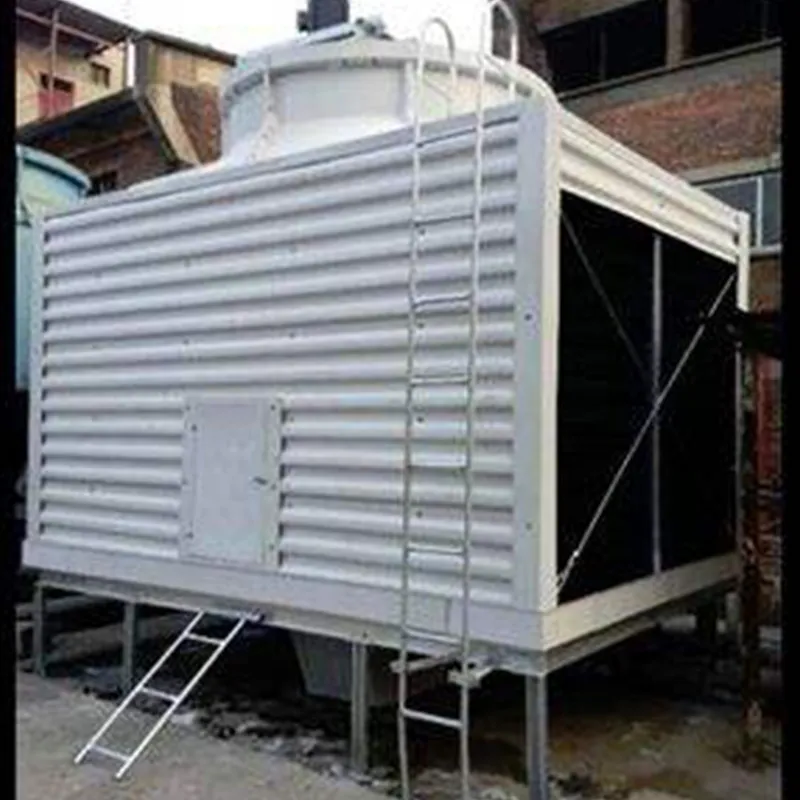
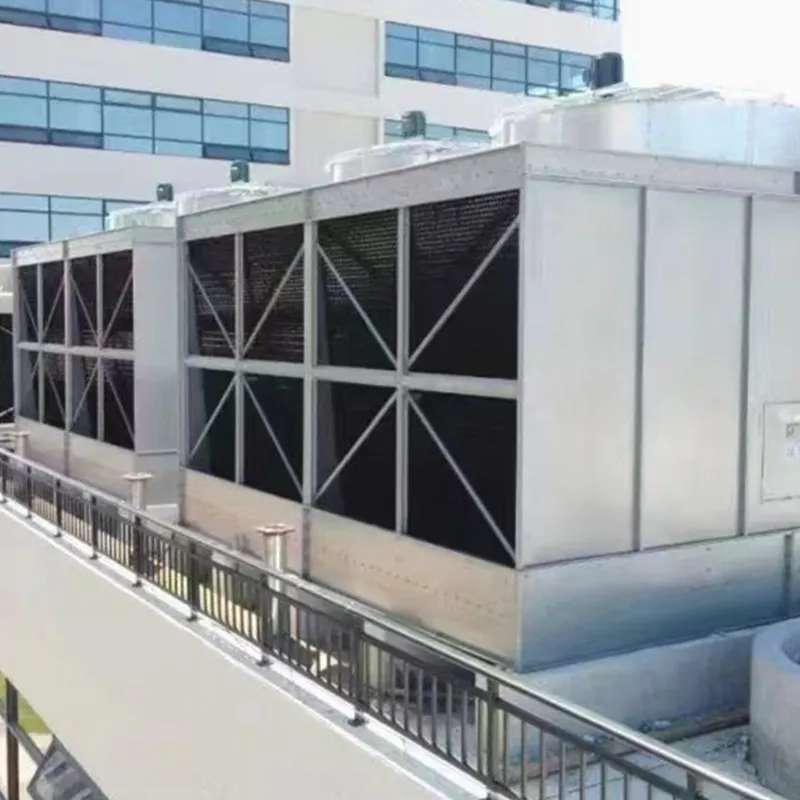
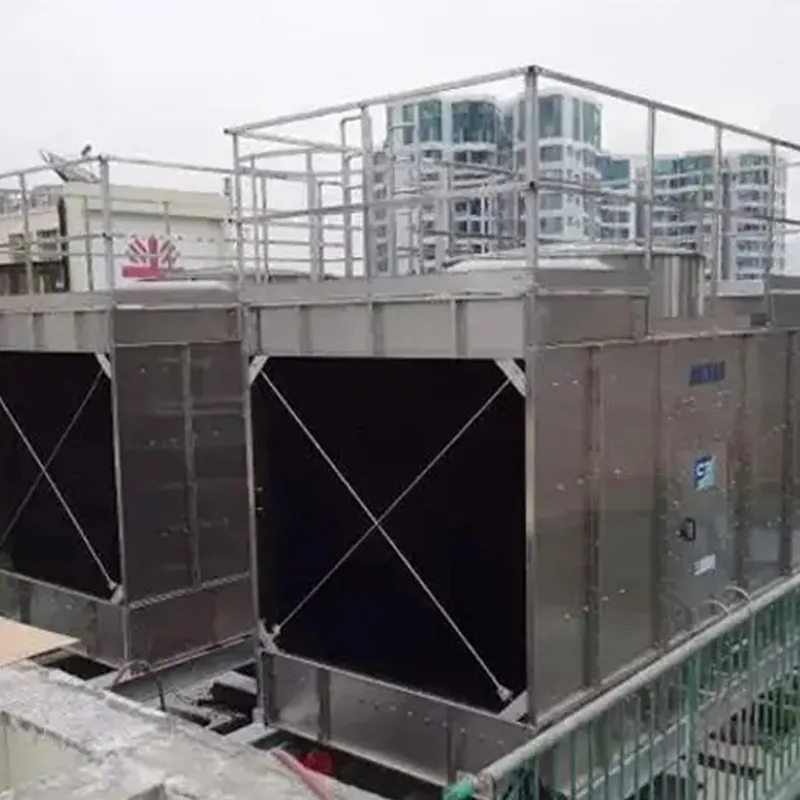
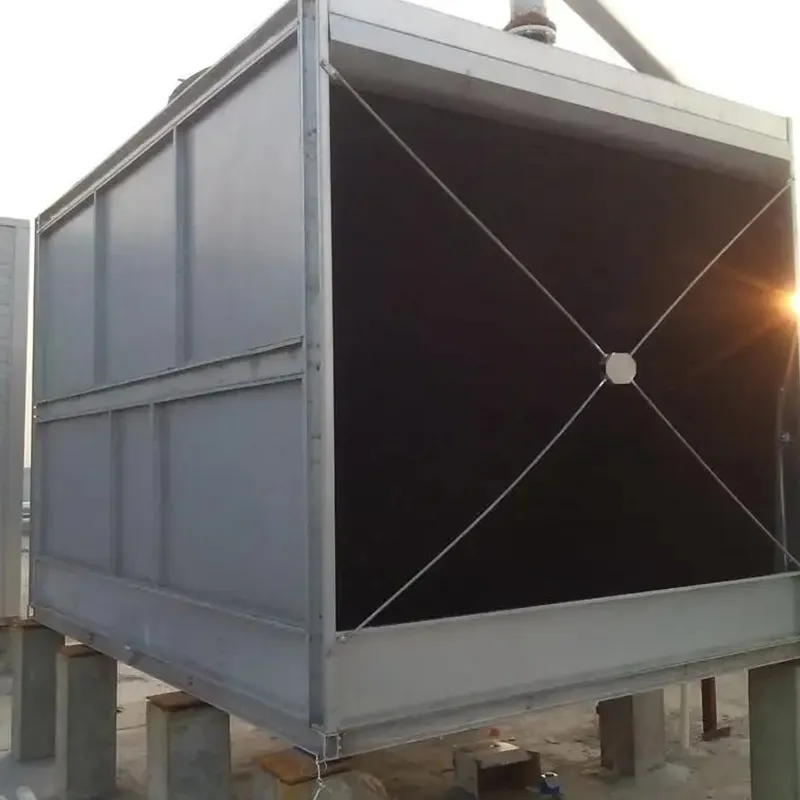
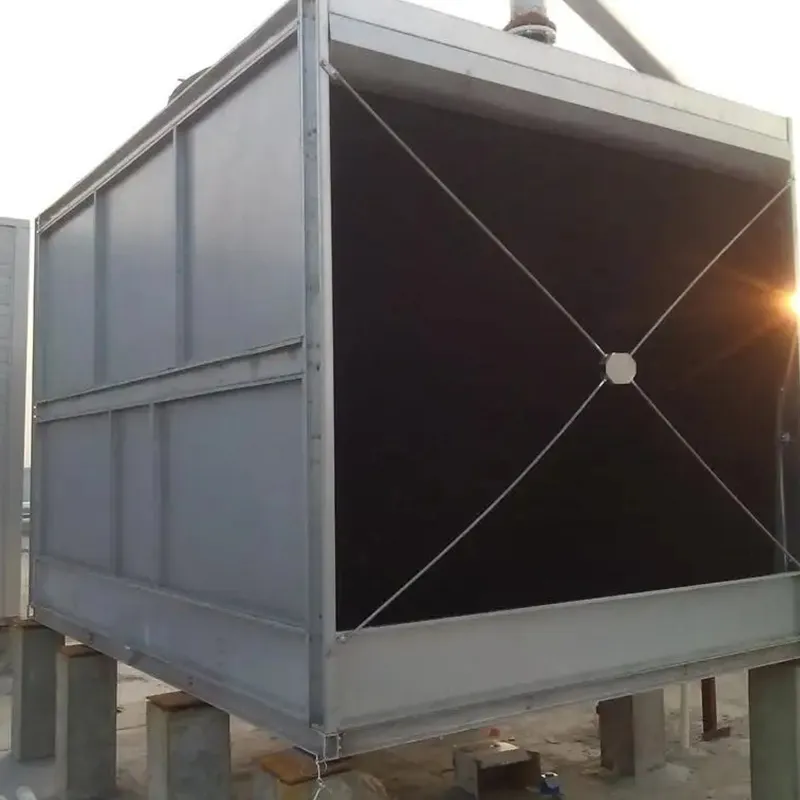
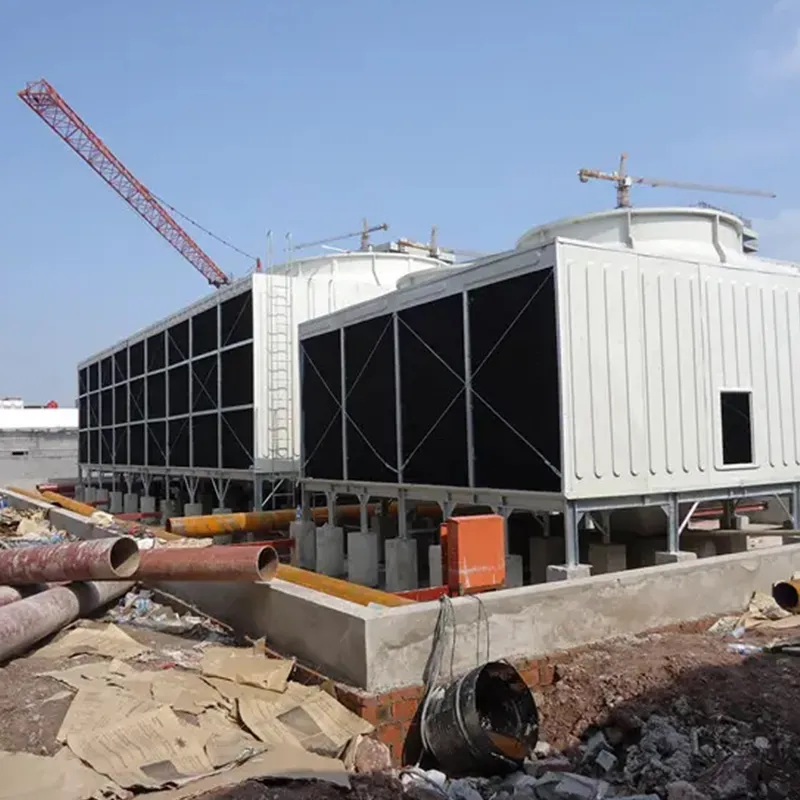
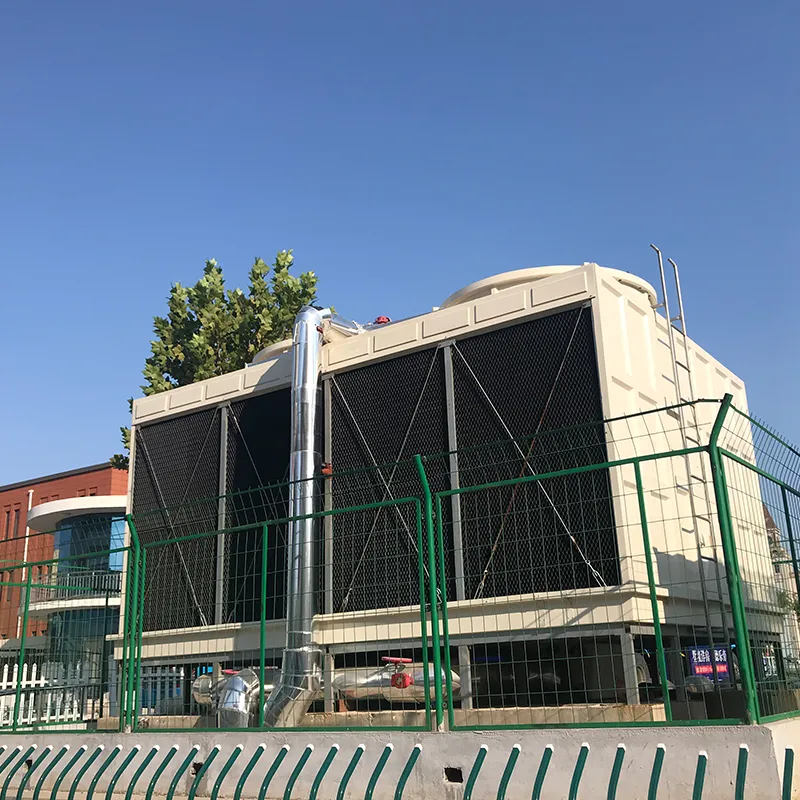
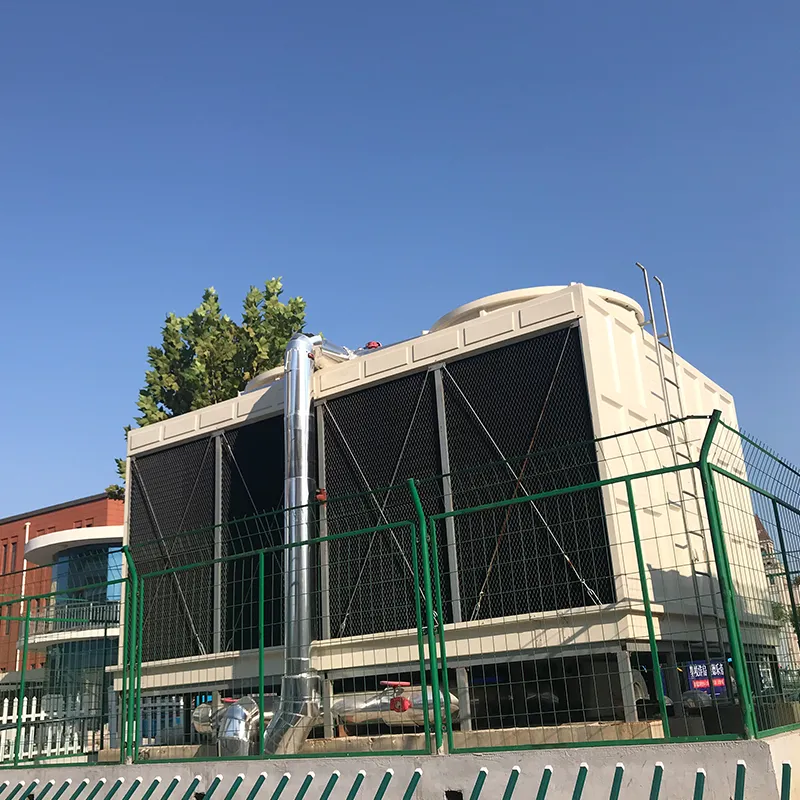
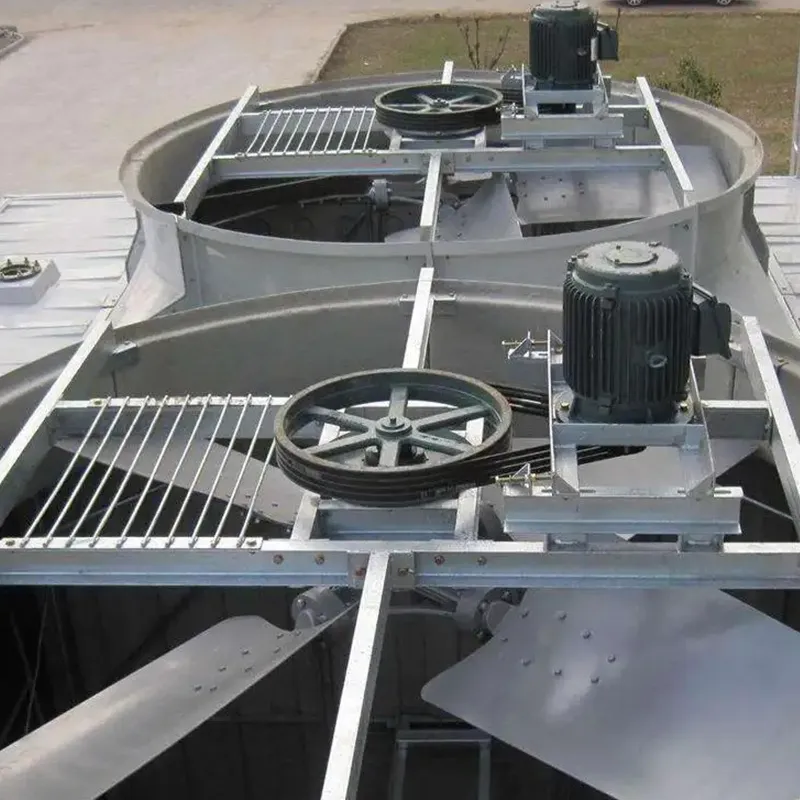
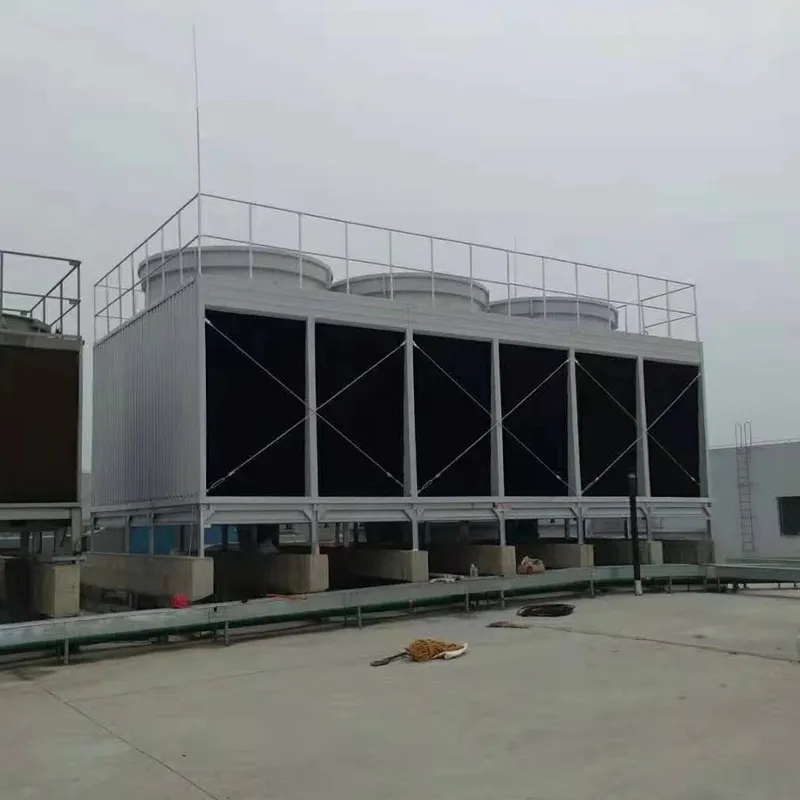
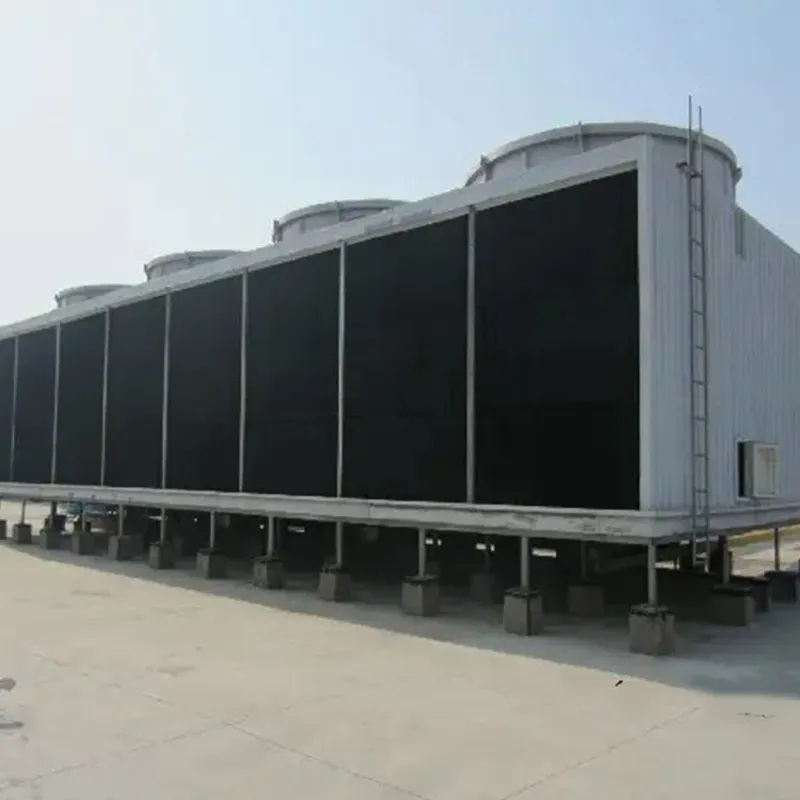
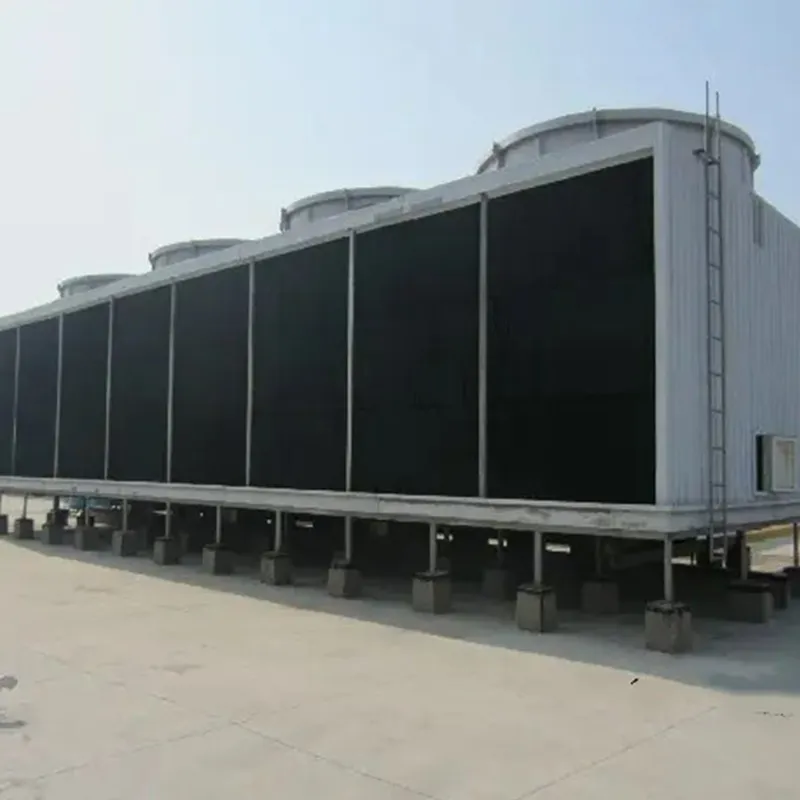
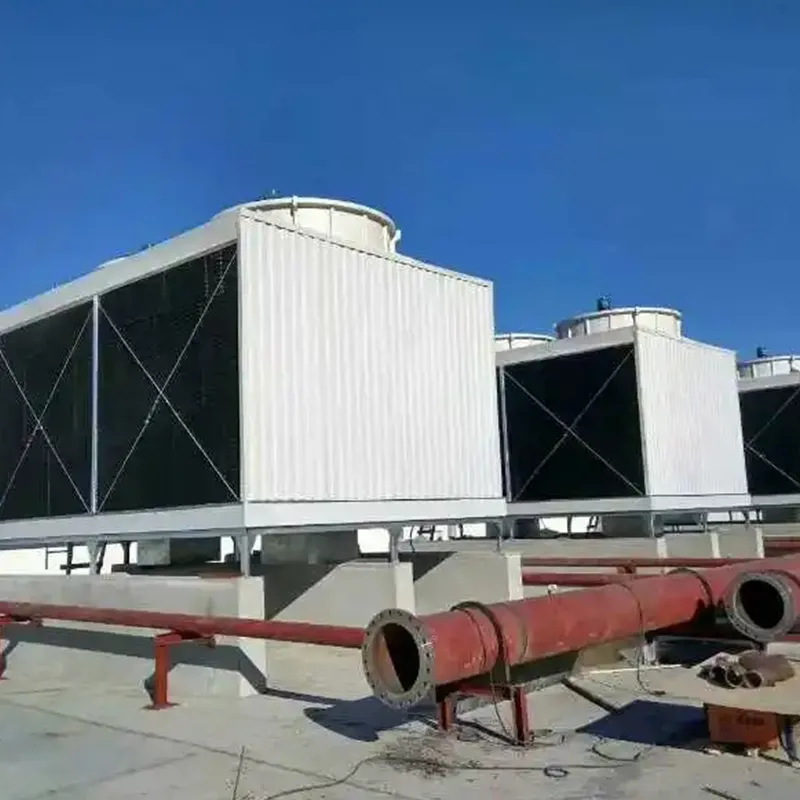
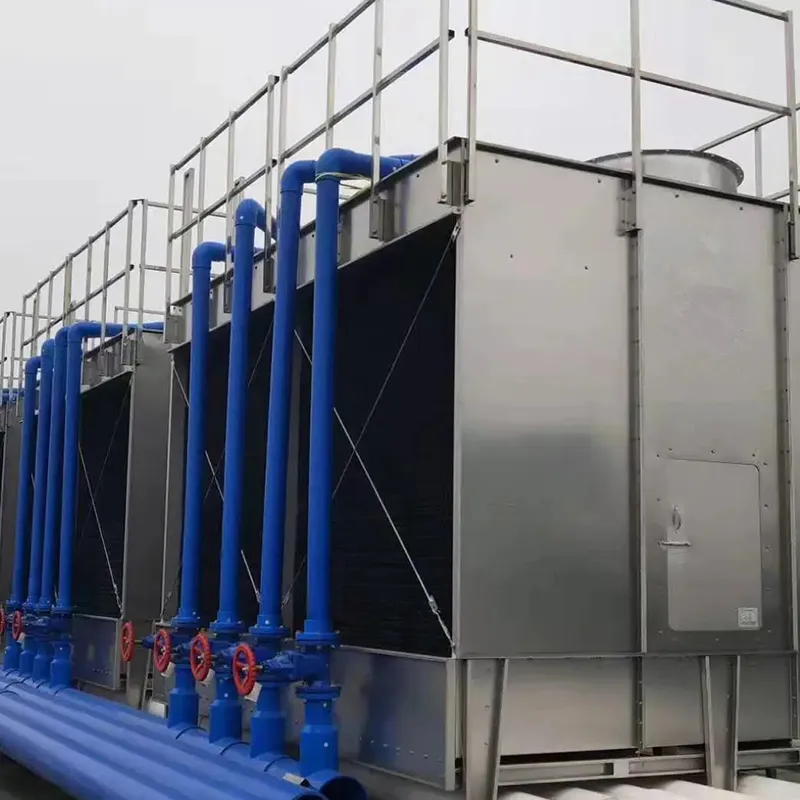
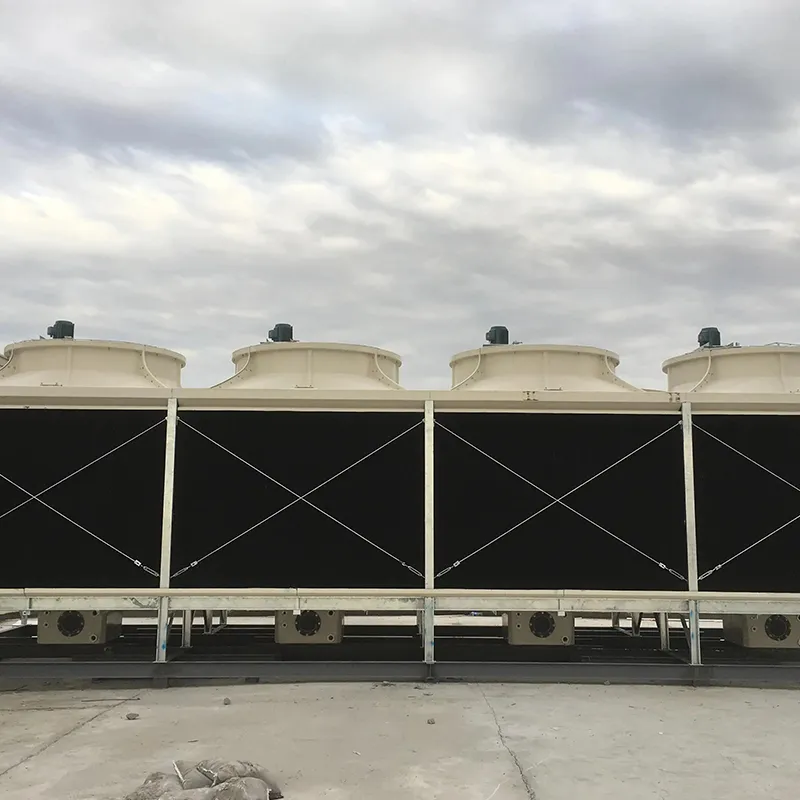
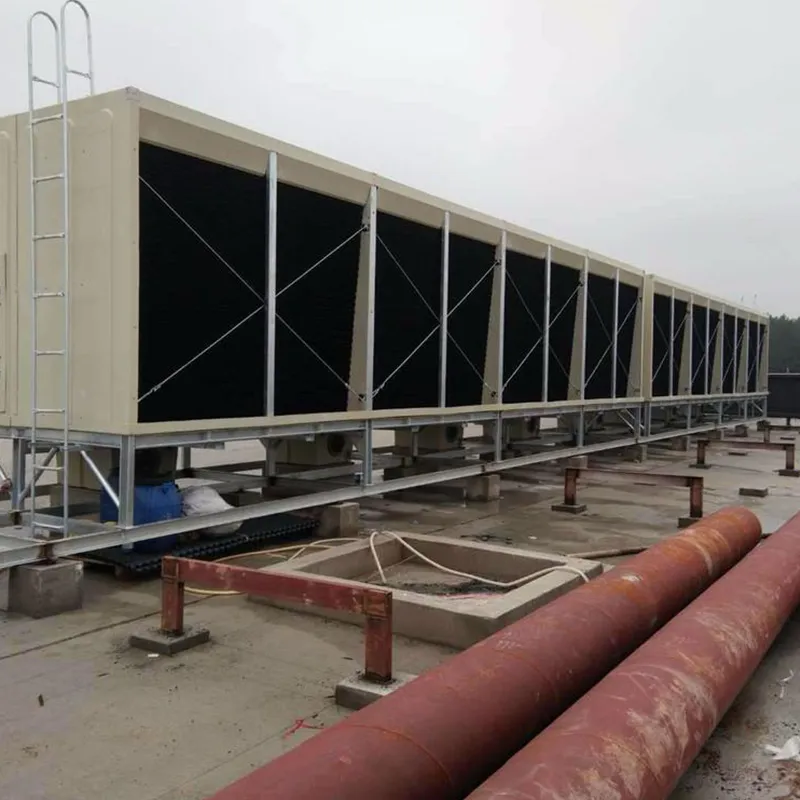
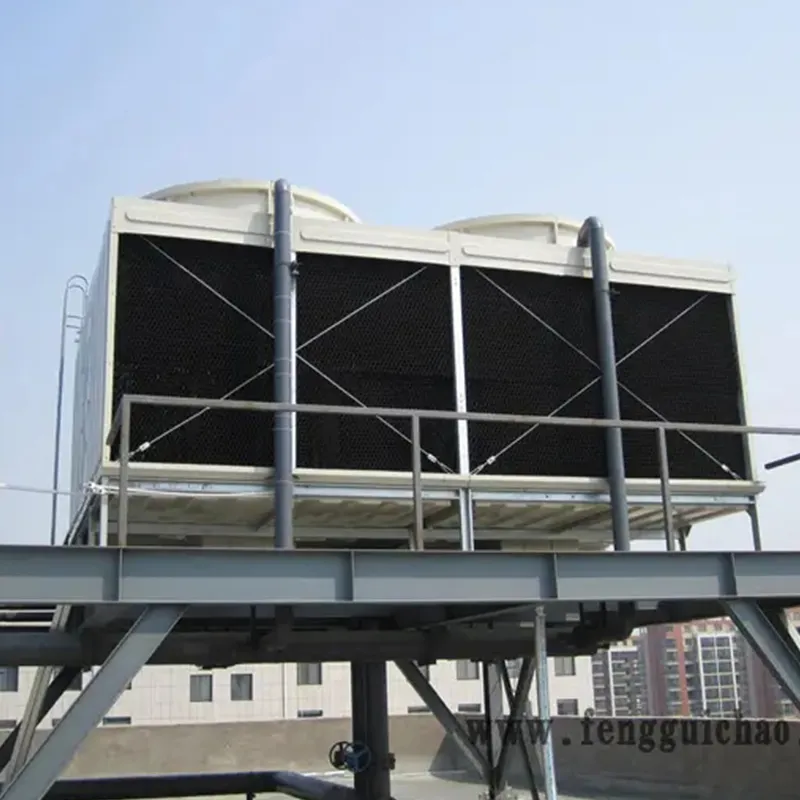
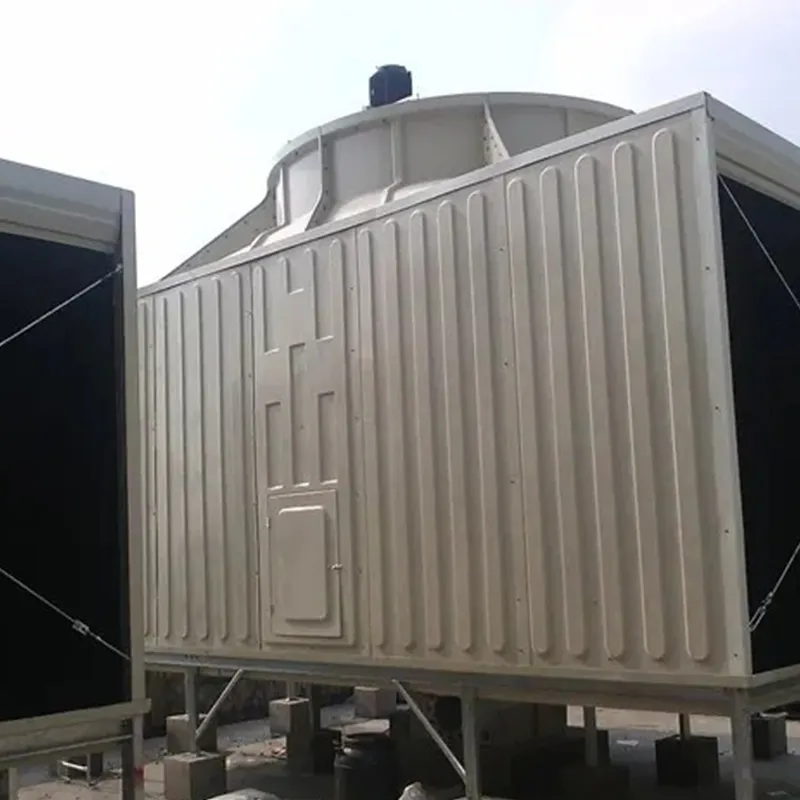
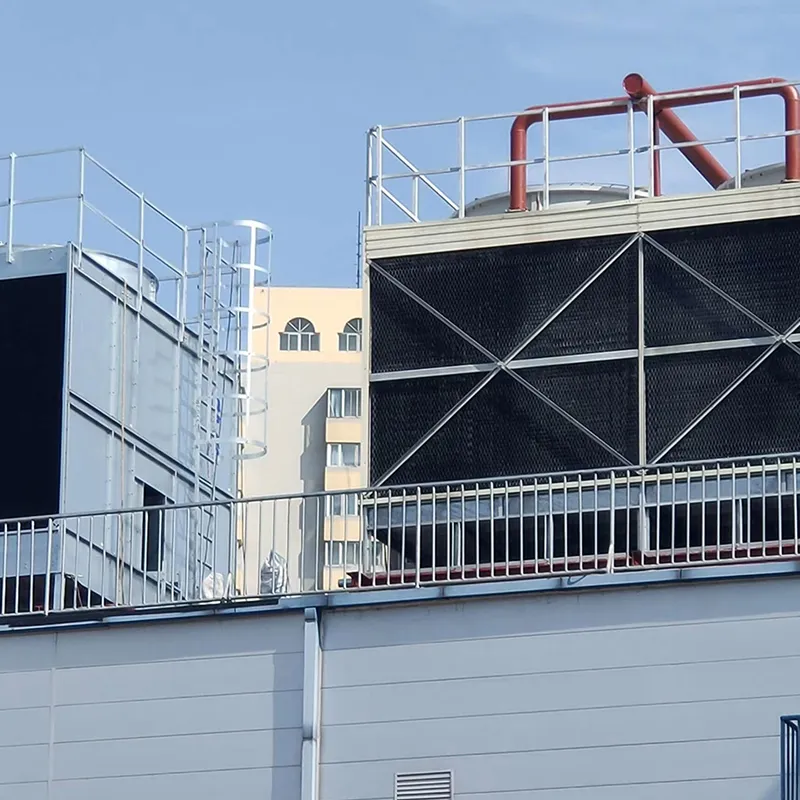
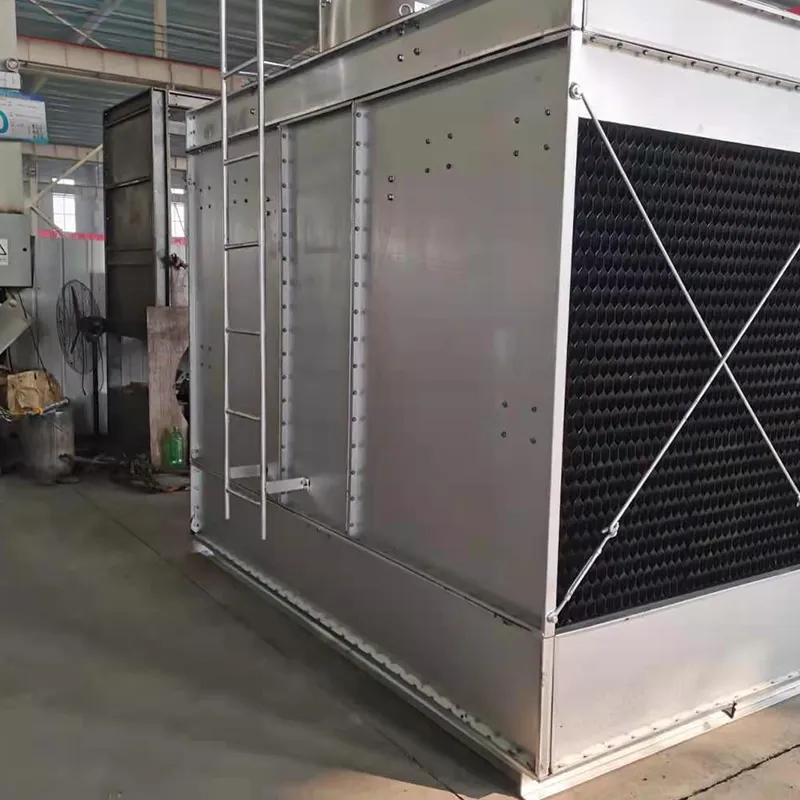
Airconditioning koeltoren
Technische introductie van airconditioningkoeltorens
1. Overview
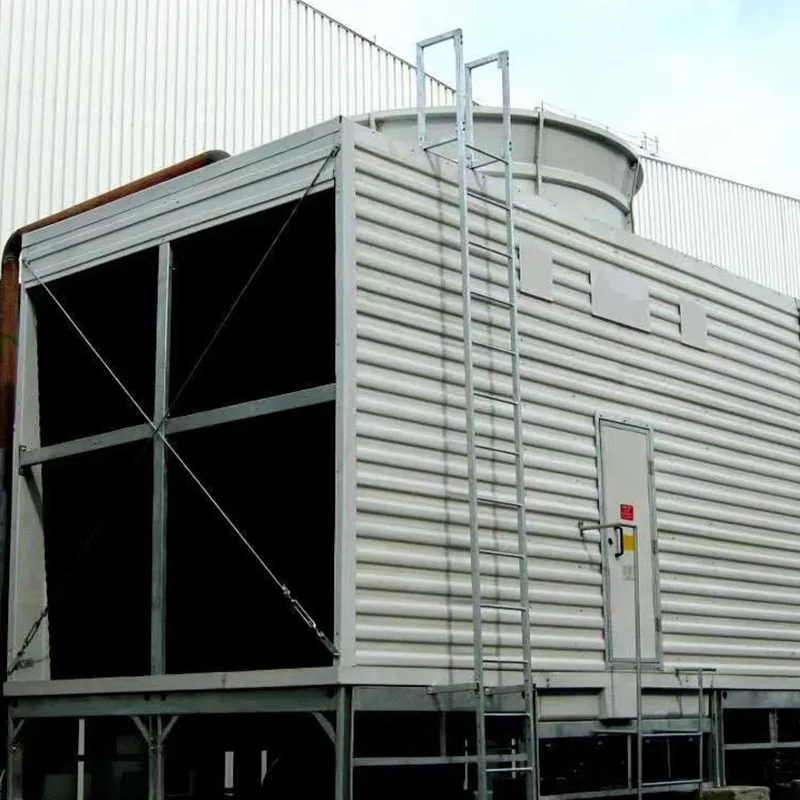
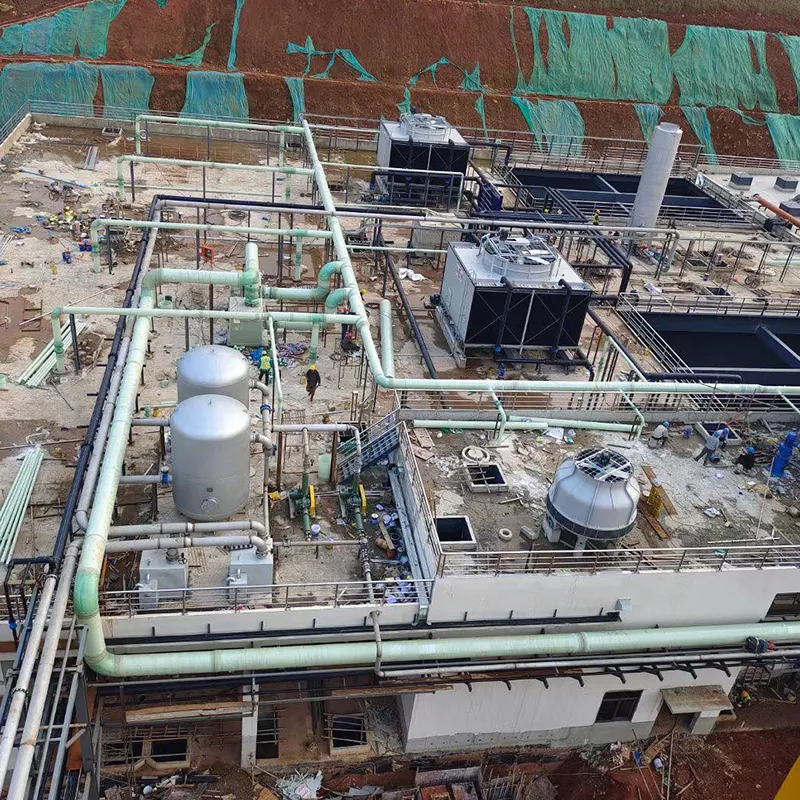
An air conditioning cooling tower is a critical heat rejection component in central HVAC systems, designed to dissipate waste heat from condensers into the atmosphere via **evaporative cooling**. It ensures efficient operation of refrigeration cycles and is widely used in commercial buildings (e.g., offices, hospitals, hotels) and industrial facilities (e.g., data centers). Key design considerations include chiller capacity, ambient wet-bulb temperature, and spatial constraints.
2. Werkingsprincipe
1. Hot Water Inlet: Hot water (typically 37°C) from the chiller condenser enters the cooling tower.
2. Water Distribution: Spray nozzles evenly distribute water over the fill media.
3. Air-Water Heat Exchange: Fans drive air to interact with water in counterflow or crossflow configurations, enabling evaporative cooling.
4. Cooled Water Return: Chilled water (≈32°C) recirculates to the condenser.
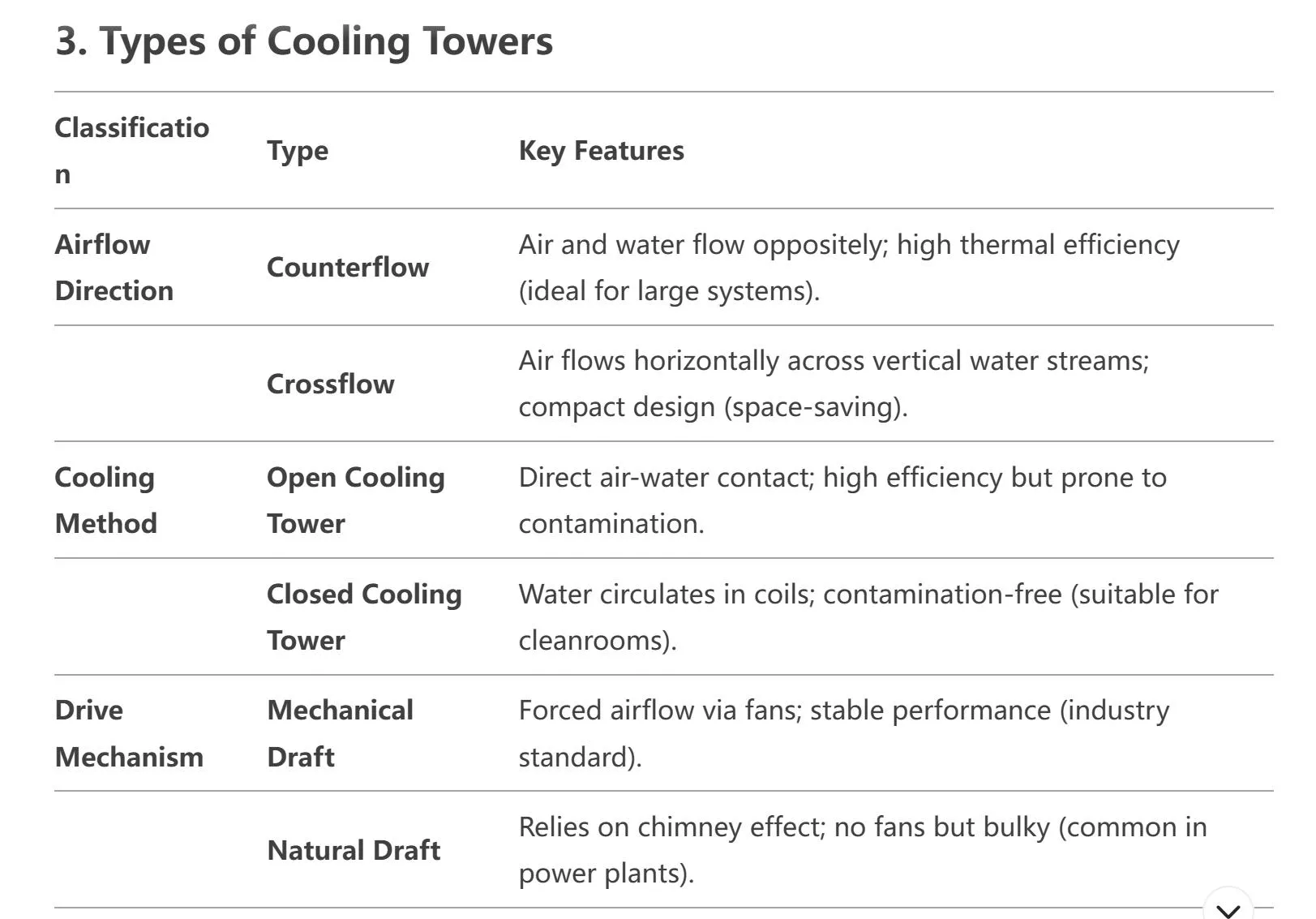
3. Soorten koeltorens
4. Belangrijkste componenten en ontwerp
4.1 Kerncomponenten
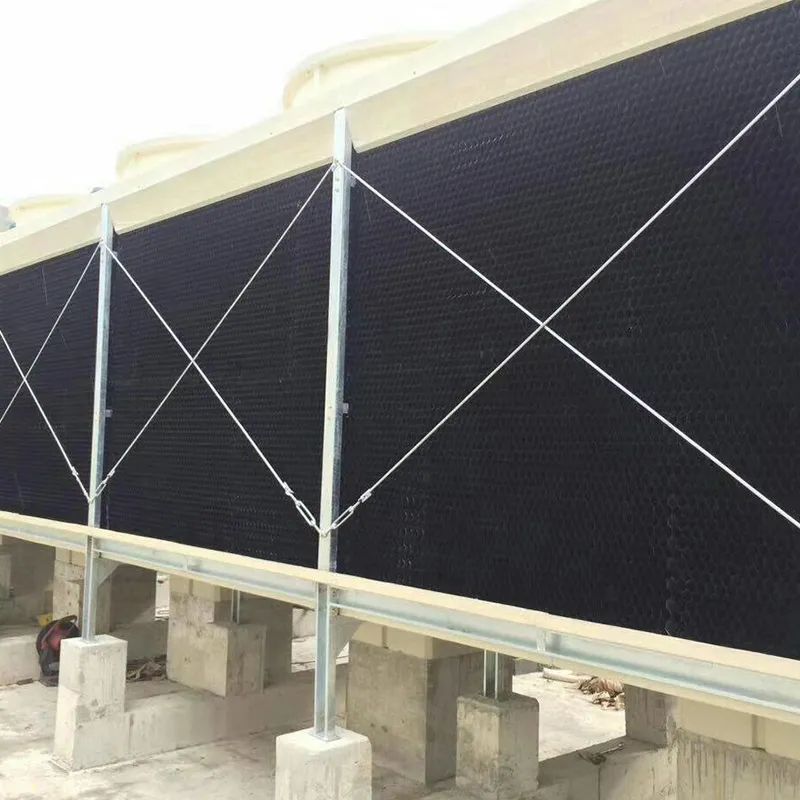
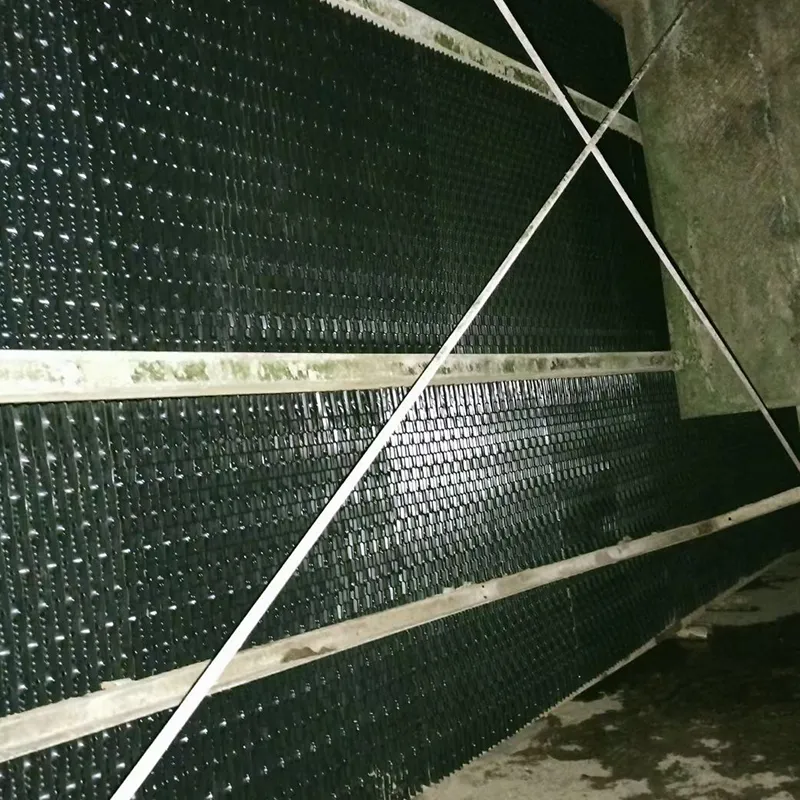
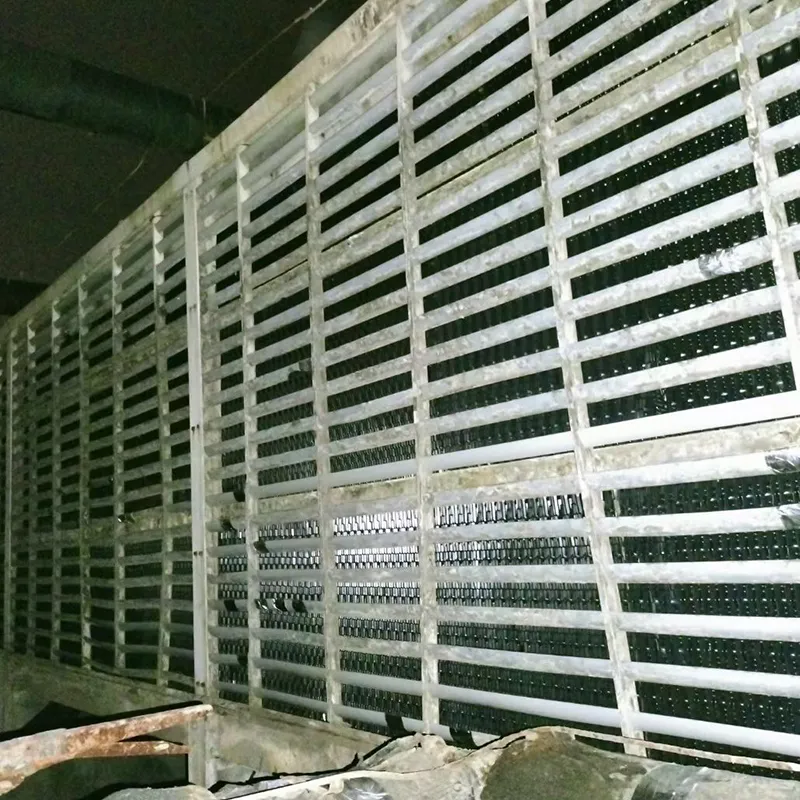
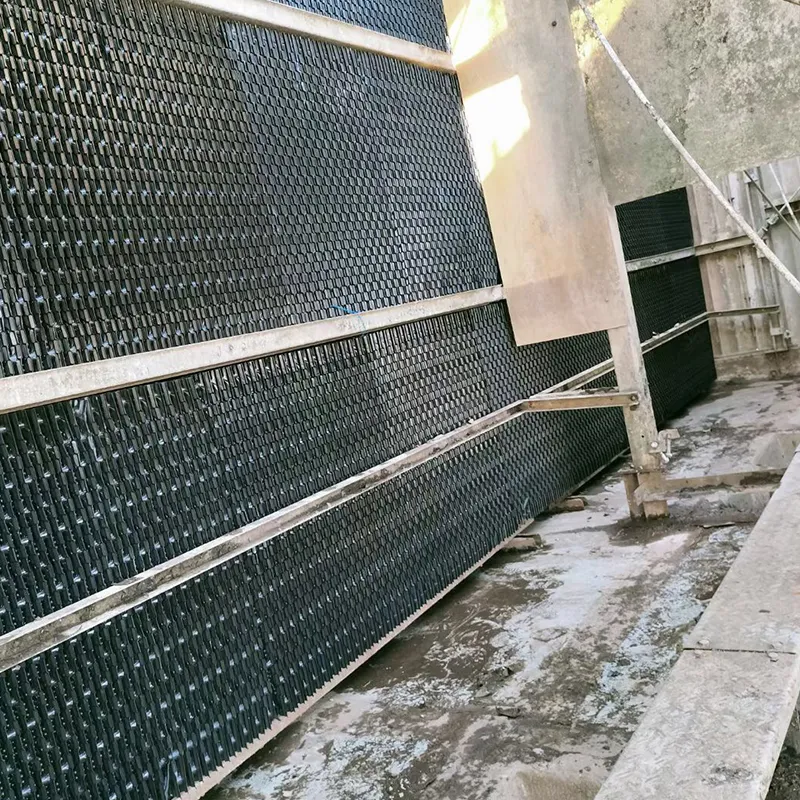
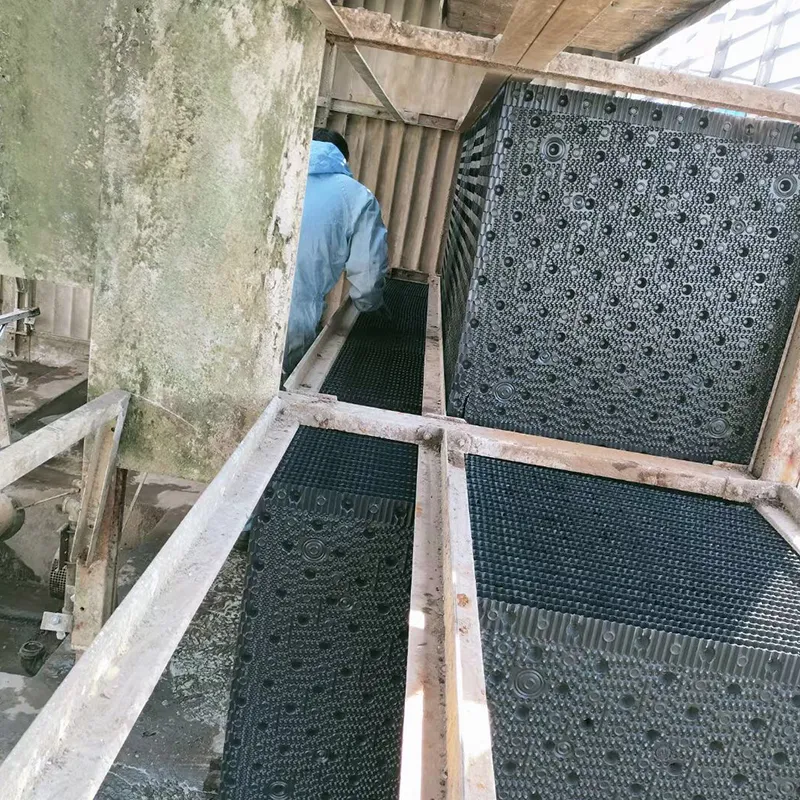
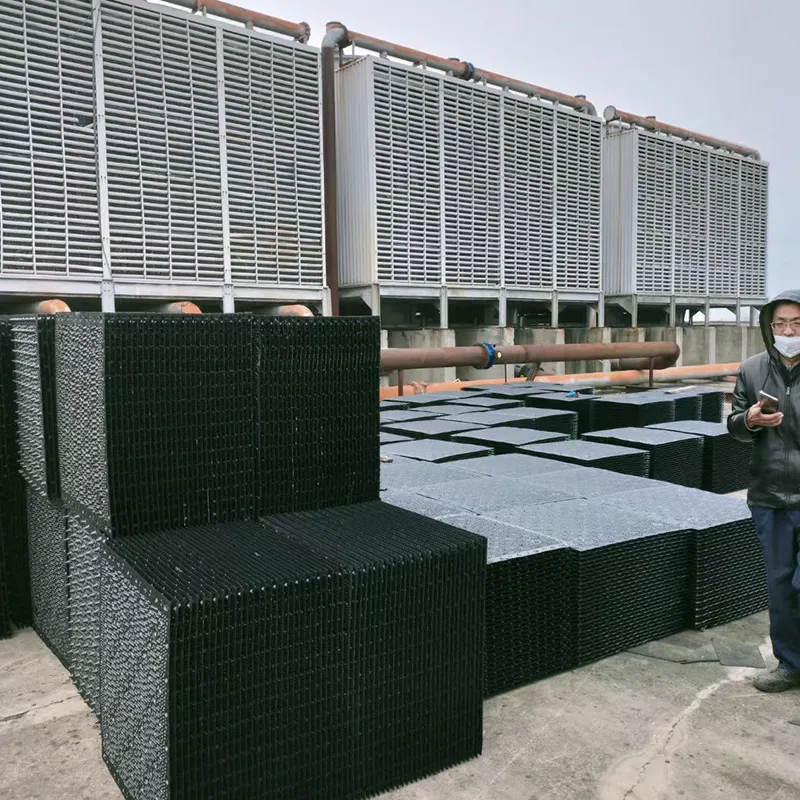
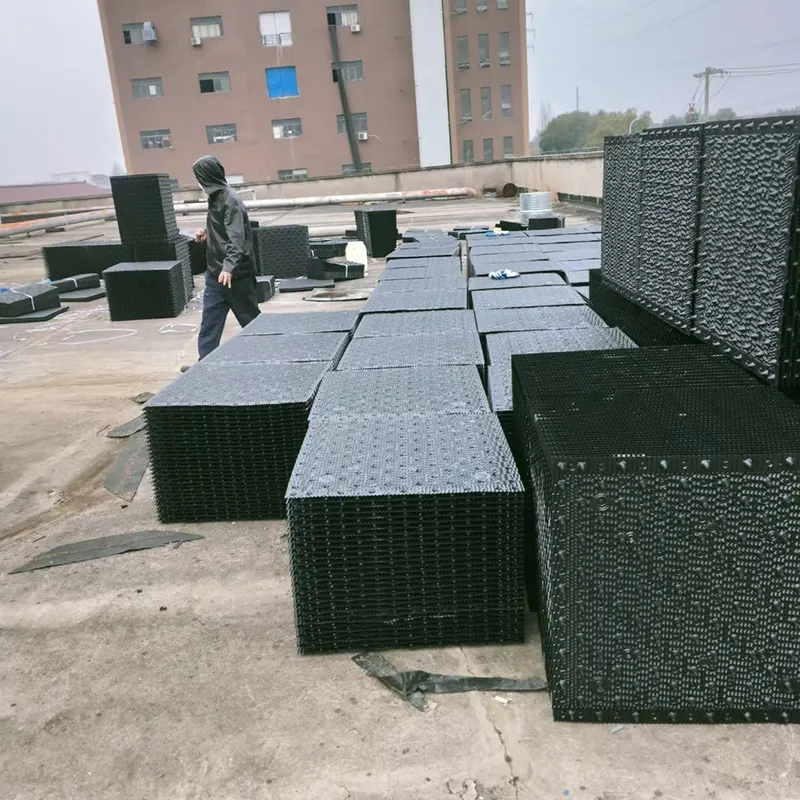
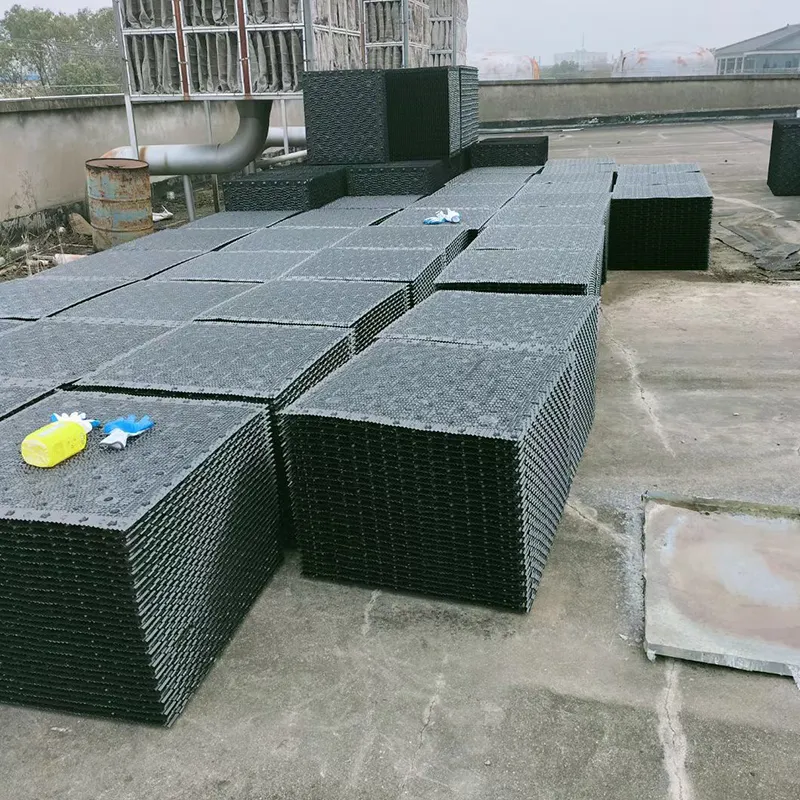
-Fill Media: PVC or PP modules to maximize air-water contact area.
- Fan System: Axial/centrifugal fans (e.g., 7.5 kW motor for a 100 TR tower).
- Water Distribution: Rotary nozzles or fixed spray pipes.
- Drift Eliminator: Reduces water loss (<0.001% drift rate).
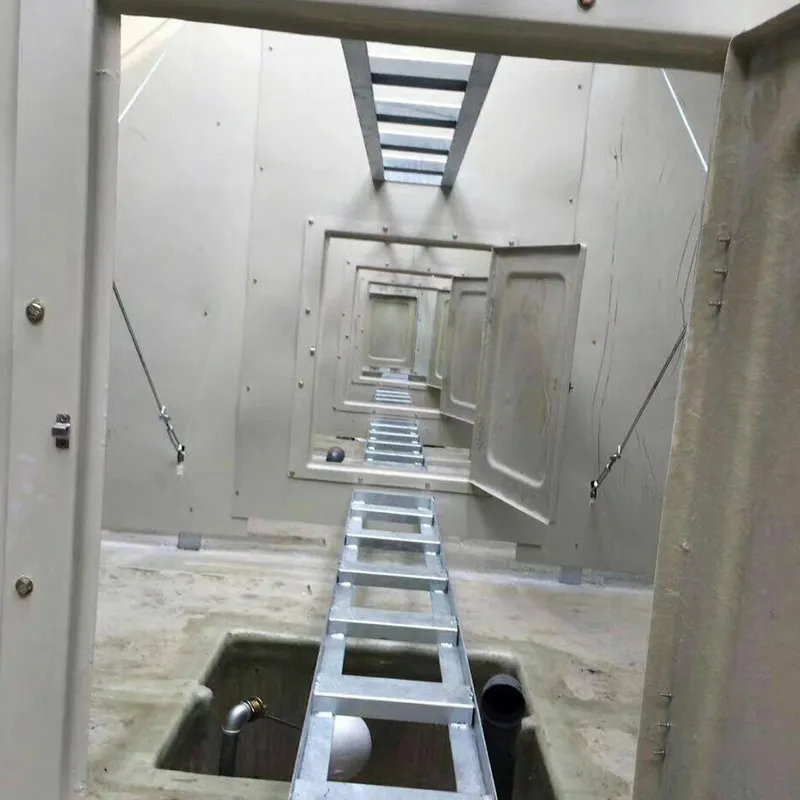
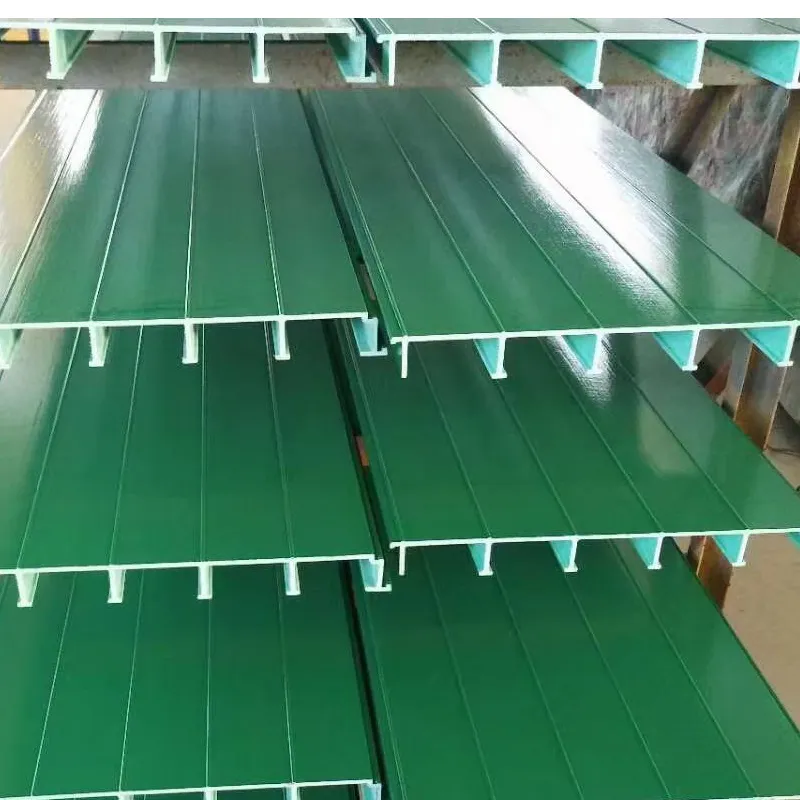
- Casing: FRP (corrosion-resistant) or galvanized steel (cost-effective).
4.2 Ontwerpparameters
- Cooling Capacity (TR): 1 TR = 3.516 kW; tower capacity = 1.2–1.3× chiller TR (to offset heat loss).
- Wet-Bulb Temperature (WBT): Critical design baseline (e.g., 28°C).
- Approach: Temperature difference between cooled water and WBT (typically 3–5°C).
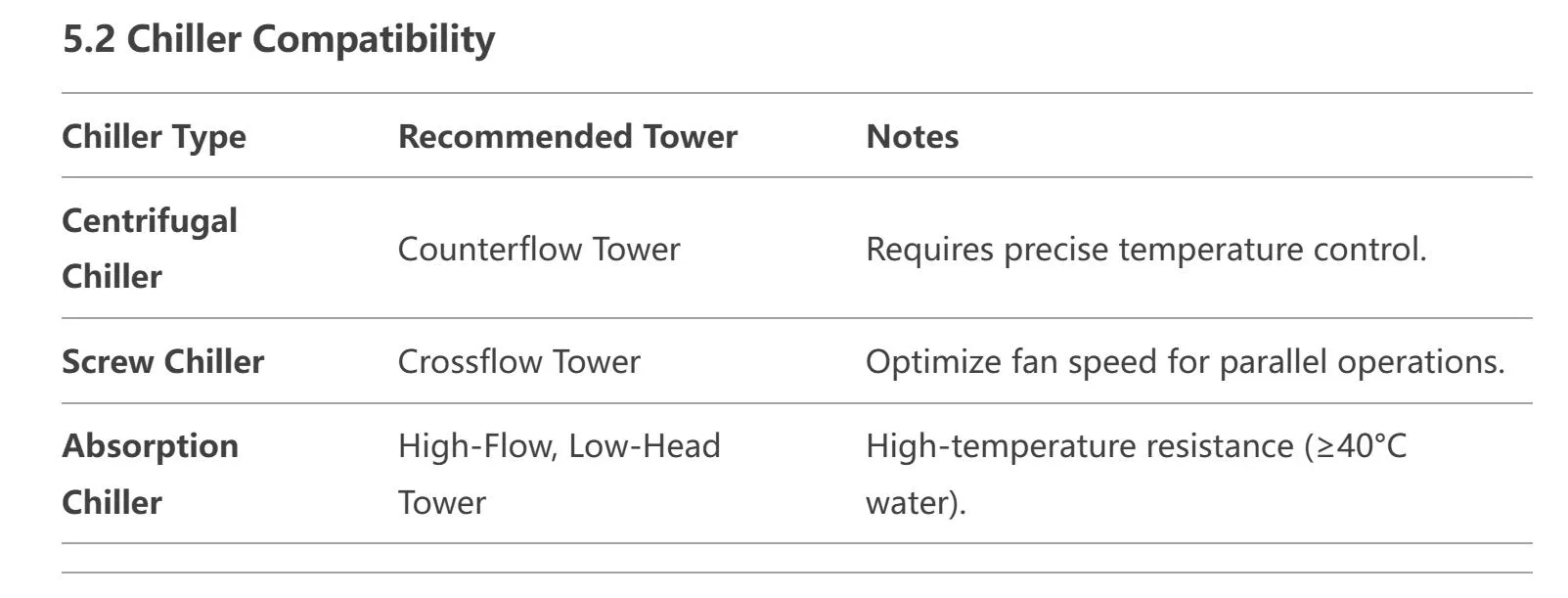
5. Selectie- en configuratierichtlijnen
5.1 Formule voor het bepalen van de maatvoering
Tower Water Flow (m³/h) = \[ Chiller Capacity (TR) × 3024 × 1.3 \] ÷ 5000
Example: For a 500 TR chiller → ≈393 m³/h.
6. Energie-efficiëntie en duurzaamheid
- Energy-Saving Technologies:
- Variable Frequency Drives (VFDs) reduce fan power by 20–30%.
- High-efficiency fill media (15% higher heat transfer).
- Eco-Friendly Features:
- FRP compatible with low-GWP refrigerants (e.g., R-1233zd).
- Noise control ≤65 dB(A) @ 1m (ASHRAE compliant).
7. Onderhoud en probleemoplossing
- Routine Maintenance:
- Weekly: Check water level/pH (6.5–8.5).
- Monthly: Clean fill media and filters.
- Common Issues:
- Reduced Efficiency: Clogged fills or fan imbalance.
- Abnormal Noise: Bearing wear or loose blades.
8. Typische toepassingen
- Commercial Buildings: Malls, offices (200–1,000 TR towers).
- Data Centers: Redundant N+1 configurations.
- Healthcare Facilities: Closed-loop towers for contamination control.
9. Kostenreferentie (RMB)
| Capacity (TR) | Price Range (10,000 RMB) | Remarks |
|--------------------|------------------------------|---------------------------------------|
| 100 TR | 8–15 | FRP counterflow, standard config. |
| 500 TR | 40–70 | VFD fans + smart controls. |
| 1,000 TR | 80–150 | Modular design for parallel setups. |
10. Internationale normen en certificeringen
- ASHRAE 90.1: Energy efficiency requirements.
- EN 13053: Ventilation system compliance (EU).
- LEED Certification: Credits for water/energy conservation.
Conclusie
Koeltorens voor airconditioning zijn essentieel voor de efficiëntie van HVAC-systemen. Tegenstroomtorens zijn geschikt voor hoogwaardige commerciële gebouwen, terwijl kruisstroommodellen uitblinken in renovaties met beperkte ruimte. Geef prioriteit aan slimme monitoringsystemen (geschikt voor IoT) en stem ontwerpen af op lokale WBT- en duurzaamheidsdoelen.
Voor merkaanbevelingen (bijv. BAC, SPX, EVAPCO) of gedetailleerde technische vergelijkingen, specificeert u uw projectvereisten (klimaatzone, budget, enz.).

Wat onze klanten over ons zeggen





Adres
20 Xingyuan South Street, Zaoqiang County, Hengshui City, provincie Hebei, China


