



We Are Open 24 Hours a Day, 7 Days a Week, Including Weekends and Public Holidays.

Fan Draught Solutions: Enhancing Ventilation for Industry and Relief Efforts
Fan Draught: A Quiet Power in Ventilation and Beyond
At first blush, "fan draught" might sound like some old-school industrial jargon best left to dusty engineering manuals. Yet, this humble principle plays a quietly crucial role across industries worldwide — from ensuring safe airflow in complex factories to aiding humanitarian relief setups where breathable air and ventilation literally save lives. Understanding fan draught is more than a geeky tidbit; it reveals insights into airflow management that underpin building safety, environmental control, and energy efficiency. So why should we care? Because in an increasingly urbanized, energy-conscious globe, mastering controlled "draughts" of air is a small but mighty link in the chain of sustainability and human comfort.
The Global Relevance of Fan Draught: More Than Just Airflow
Worldwide, ventilation is a priority — cities, factories, and even remote emergency shelters depend on it. According to the International Organization for Standardization (ISO 16890), proper airflow management reduces pollutant levels indoors by up to 60%, which directly impacts public health. The World Health Organization (WHO) similarly highlights that poor ventilation exacerbates respiratory diseases in crowded urban centers. Fan draught is a prime solution here: it involves the controlled movement of air using mechanical fans or natural air currents to create desired airflow patterns.
In fact, the global HVAC market (Heating, Ventilation, and Air Conditioning systems employing fan draught principles) is expected to reach over $367 billion by 2027. The challenge: ensuring this airflow is efficient, sustainable, and adaptable to diverse environments. Fan draught technology tackles these issues head-on by optimizing air exchange while reducing energy waste.
What Exactly Is Fan Draught?
Fan draught, in simple terms, refers to the movement of air generated by a fan to achieve ventilation or exhaust effects. Unlike natural draught—where air moves passively due to temperature differences—fan draught uses mechanical power to push or pull air through ducts, rooms, or machinery, ensuring consistent, controlled airflow regardless of external conditions.
This principle is essential not only in industrial plants or commercial buildings but also in humanitarian contexts. For example, in temporary shelters or medical tents, fan draught ensures clean, fresh air circulation, reducing risks of airborne disease and fighting high humidity or heat.
Core Components of Fan Draught Systems
1. Durability
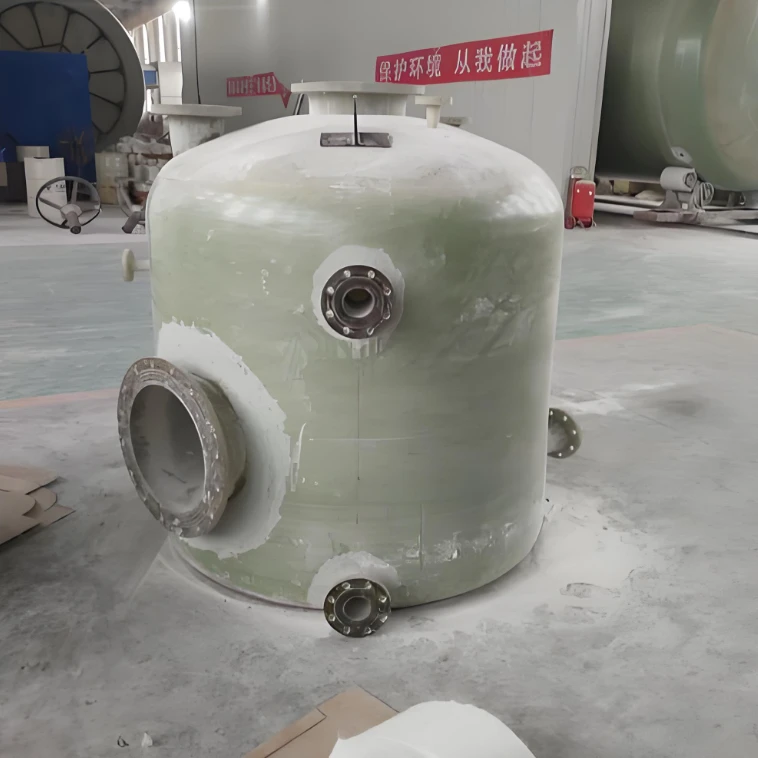
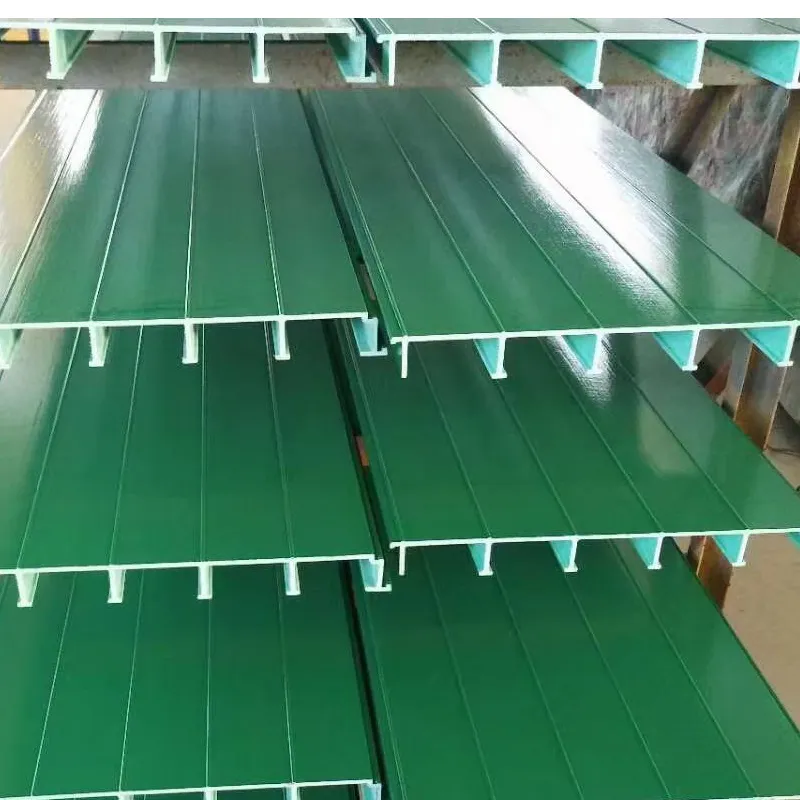
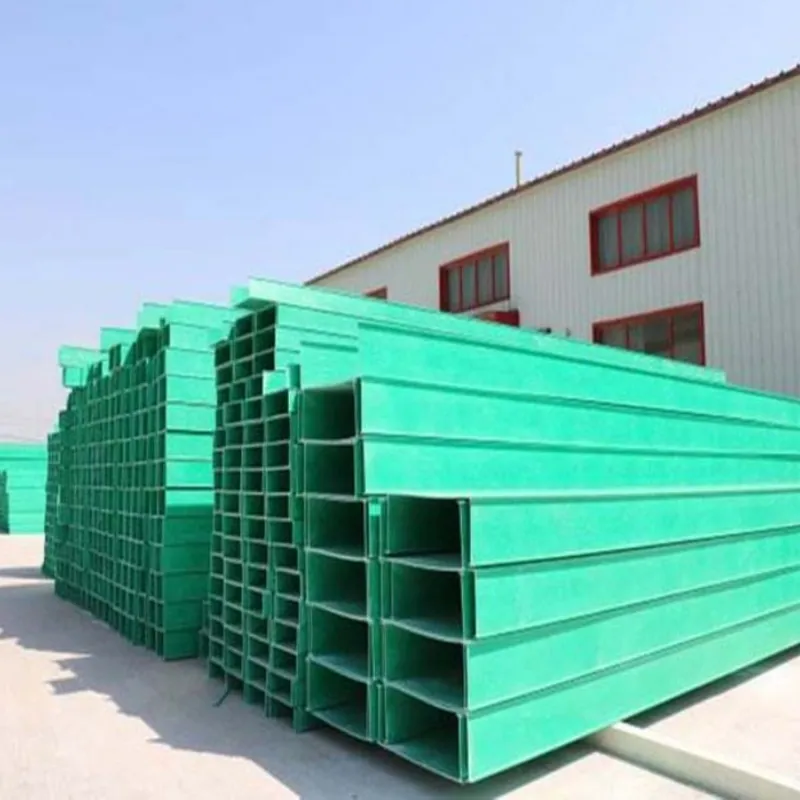
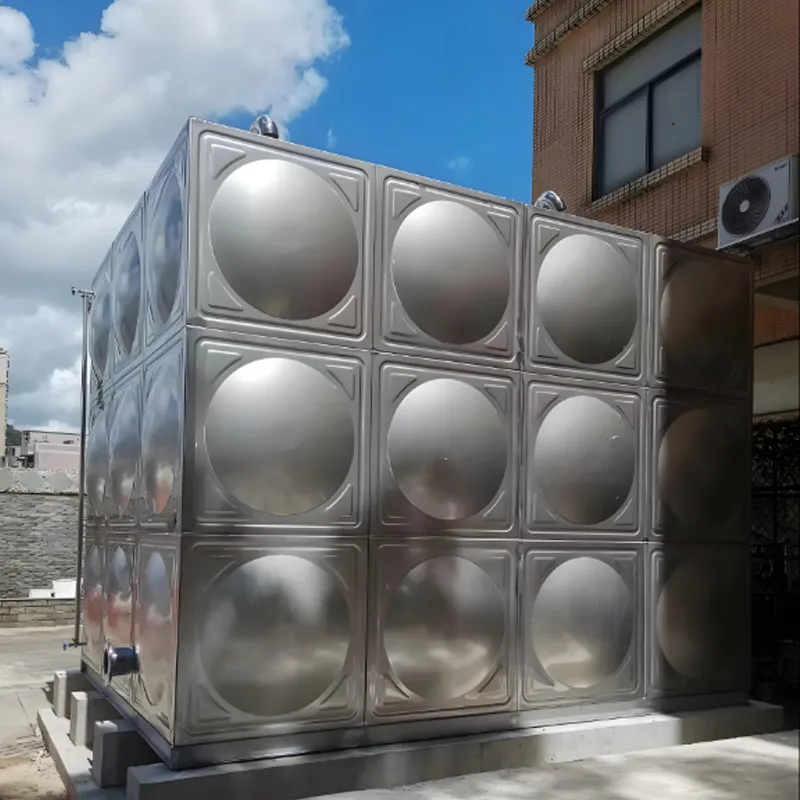
Fans generating draught must withstand continuous operation, often in harsh environments. Materials and design affect their lifespan — stainless steel or reinforced composites often take the lead for longevity.
2. Scalability
Whether ventilating a small server room or an expansive factory floor, fan draught solutions need to scale efficiently. Modular designs allow operators to add or reduce fan units depending on demand.
3. Energy Efficiency
The energy used by fans can be significant. Manufacturers increasingly shift to variable speed drives and smart sensors that dial the draught up or down to meet actual ventilation needs—cutting unnecessary power use.
4. Control and Automation
Modern fan draught systems integrate with building management systems, enabling real-time adjustments. IoT-enabled fans monitor air quality and adjust airflow, enhancing safety while conserving power.
5. Noise Reduction
No one wants a noisy fan in their workspace or shelter; hence, engineers focus on blade design, mounting methods, and acoustic treatments to keep fan draught applications quiet.
Mini takeaway: Fan draught solutions blend mechanical resilience with smart automation and energy foresight to meet the demands of diverse, evolving environments.
Where Fan Draught Makes a Difference Around the World
Fan draught solutions are everywhere—in heavy industry the obvious stronghold, but also unexpected places. In Southeast Asia, fans ventilate rice mills and fish processing factories where high humidity can cause rapid spoilage. In the Middle East’s desert factories, fan draught combats extreme heat, protecting both machinery and workers.
Post-disaster relief efforts rely on portable fan draught setups to keep temporary shelters breathable. For example, after the 2015 Nepal earthquake, NGOs deployed fan-assisted tents to reduce airborne illness risks in crowded relief camps.
Even remote mining operations use robust fan draught systems to ventilate underground shafts where natural airflow is nearly nonexistent.
Product Specification Table: Typical Industrial Fan Draught Unit
| Specification | Value |
|---|---|
| Airflow Capacity | 2,500 – 10,000 CFM (cubic feet/minute) |
| Power Consumption | 0.5 – 2.5 kW |
| Material | Stainless Steel / Fiberglass Reinforced Plastic |
| Noise Level | 58 – 72 dB(A) |
| Operating Temp Range | -20°C to 60°C |
| Control | Manual / Automated via BMS |
Comparing Leading Fan Draught Vendors
Choosing a vendor often depends on your project’s scale, budget, and control preferences. Here’s a rough snapshot of three popular providers:
| Vendor | Price Range | Energy Efficiency | Tech Integration | Customization |
|---|---|---|---|---|
| VentriTech | $$$ | High | Full IoT-enabled | Extensive |
| AirFlow Solutions | $$ | Medium | Basic Automation | Moderate |
| BreezeWorks | $ | Standard | Manual Control Only | Limited |
Why Fan Draught Matters: Benefits From Many Angles
Let’s be honest: we rarely notice the air moving around us—until it stops or turns foul. Fan draught isn’t just about airflow; it’s about safety, dignity, and environmental responsibility. Industries benefit from reduced equipment failures and better workplace air quality. NGOs gain reliable ventilation in difficult-to-access relief zones, boosting health outcomes.
Over the long term, fan draught solutions cut energy consumption compared to natural ventilation that might rely on inefficient or inconsistent airflow. That translates into cost savings and reduced carbon footprints — a real win-win in a time when sustainability is no mere buzzword.
Emerging Trends in Fan Draught Technology
Frankly, the future is smart and green. Integration with AI and IoT allows fan draught systems to adjust themselves based on occupancy, pollution levels, or temperature swings. Advances in materials, like ultralight composites, reduce fan weight and noise while boosting resilience.
Renewable energy sources — solar-powered fans, for instance — enable off-grid applications in remote or disaster-affected areas. Such innovations not only optimize performance but improve accessibility where traditional power grids fail.
Common Challenges and How to Overcome Them
A perennial headache for fan draught setups is maintenance. Dust, humidity, and corrosive environments can shorten fan lifespan or reduce efficiency. Periodic cleaning and use of anti-corrosive coatings offer practical fixes.
Another challenge is balancing noise with airflow. Innovative blade designs and vibration damping materials help, but sometimes it’s about clever installation choices — placing fans where sound won’t disturb critical operations or residents.
Lastly, budget constraints can lead to undersized or poorly controlled systems. Here, modular, scalable solutions from vendors like fan draught manufacturers make it easier to start small and expand as funds allow.
FAQ: Practical Questions About Fan Draught
- Q: How does fan draught improve indoor air quality?
A: By mechanically moving air through filters or outdoors, fan draught replaces stale or polluted indoor air, minimizing contaminants like dust, smoke, or pathogens. This is especially important in crowded or sensitive workplaces. - Q: Can fan draught systems operate without electricity?
A: Typically, fans require power; however, hybrid systems combine natural and mechanical draught to reduce energy dependence. Some off-grid solutions use solar panels or batteries to power fans in remote locations. - Q: What maintenance does a fan draught unit need?
A: Regular cleaning to remove dust and debris, inspection of blades and motors for wear, and replacement of worn parts help maintain performance. Following manufacturer guidelines ensures longer service life. - Q: Are fan draught systems noisy?
A: Noise levels vary by model and installation. Modern designs focus on low-noise operation, with sound dampening features to keep disruption minimal, especially important in offices or medical tents. - Q: How quickly can fan draught solutions be deployed in emergencies?
A: Many portable fan systems are designed for rapid installation, sometimes within hours, making them ideal for disaster relief where swift breathable air circulation is crucial.
Wrapping Up: The Quiet Backbone of Air Control
Fan draught might not make headlines, but its impact is felt with every breath we take indoors. It’s a testament to how seemingly small engineering principles underpin huge challenges from global health to industrial productivity. Forward-thinking technologies and smarter deployment are opening paths toward safer, greener, and more comfortable spaces everywhere.
Curious to learn more or explore customized solutions? Visit our website at https://www.longxuanfrp.com — because the future of airflow isn’t just in the breeze, it’s the smart draught.
References






Address
20 Xingyuan South Street, Zaoqiang County, Hengshui City, Hebei Province, China


