



We Are Open 24 Hours a Day, 7 Days a Week, Including Weekends and Public Holidays.


Comprehensive Guide to Square Water Tank Price and Its Global Importance
Understanding Square Water Tank Price: What You Need to Know
Water storage is a fundamental need worldwide, whether for residential, agricultural, or industrial use. And when it comes to storing water efficiently, the shape and cost of the tank play critical roles. That’s where square water tank price becomes a discussion worth having—especially for planners, engineers, and organizations looking to optimize both space and budget.
Frankly, understanding the cost dynamics behind square water tanks is more than just number crunching. It reflects decisions that impact sustainability, water access, and infrastructure resilience across the globe.
Why Square Water Tanks Matter Globally
Water scarcity affects about 2.3 billion people globally (source: UN Water). Efficient storage means that clean water can be held safely, minimizing losses and contamination. Square tanks, thanks to their geometry, offer better volumetric efficiency and easier installation in tight spaces compared to traditional cylindrical tanks. The cost of these tanks—your square water tank price—can determine the feasibility of scaling up water infrastructure in urban slums or rural farms.
However, the challenge remains: the initial purchase price varies widely depending on materials, size, and vendor, which complicates budget planning for NGOs or municipalities.
What Is Square Water Tank Price?
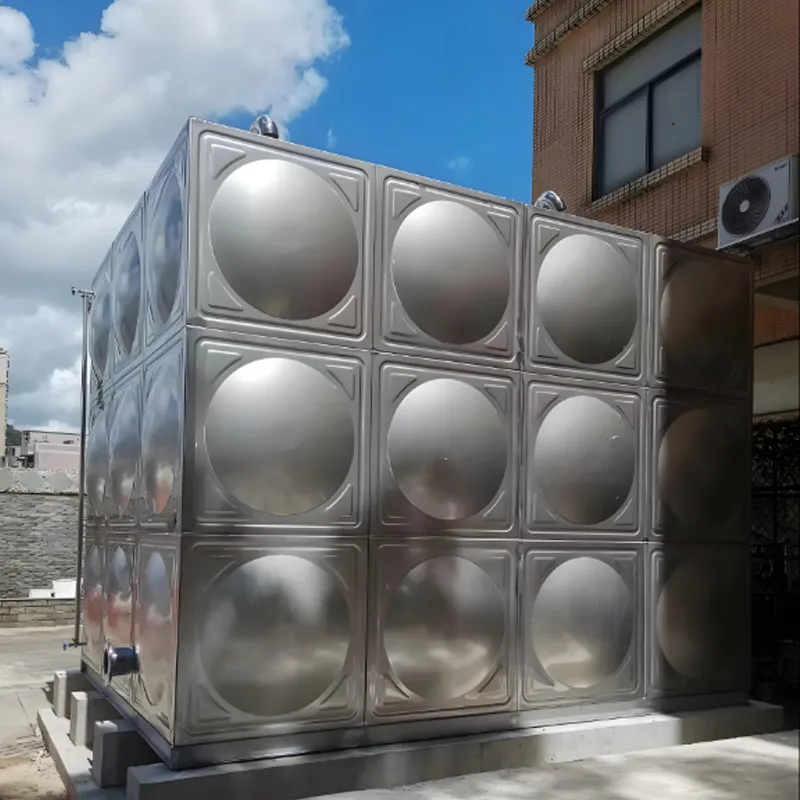
In simple terms, the square water tank price refers to the cost of manufacturing, transporting, and installing a water tank shaped typically as a cuboid or square prism instead of a cylinder. These tanks are predominantly made from materials like fiberglass reinforced plastic (FRP), polyethylene, or stainless steel. The price influences not just the immediate affordability but also maintenance and long-term availability.
These tanks tie closely with modern infrastructure needs—offering modularity, ease of expansion, and adaptability to varied environments. Humanitarian efforts, for example, often rely on cost-effective square tanks for quick setup in disaster zones.
Key Factors Influencing Square Water Tank Price
1. Material Quality and Durability
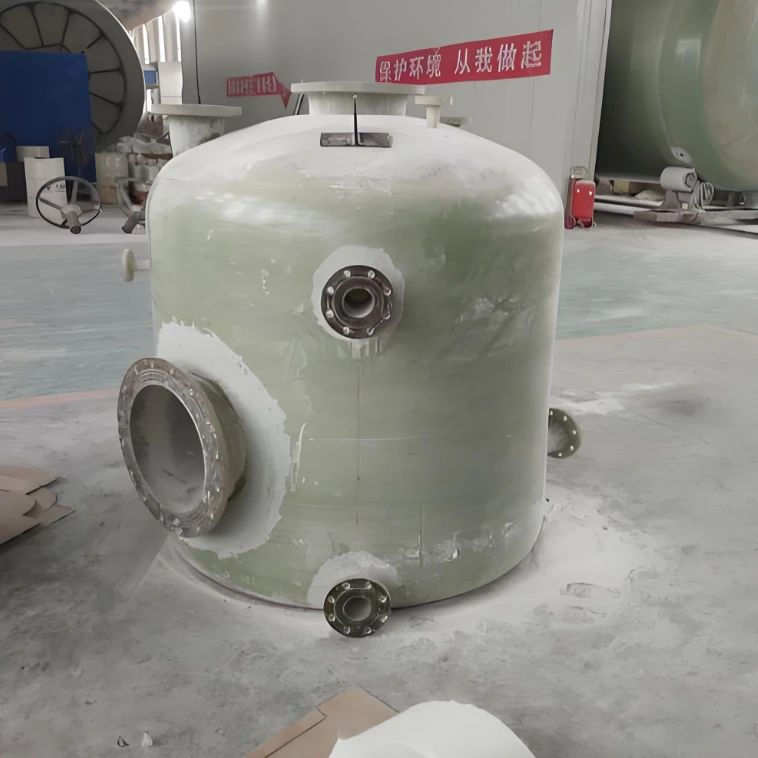
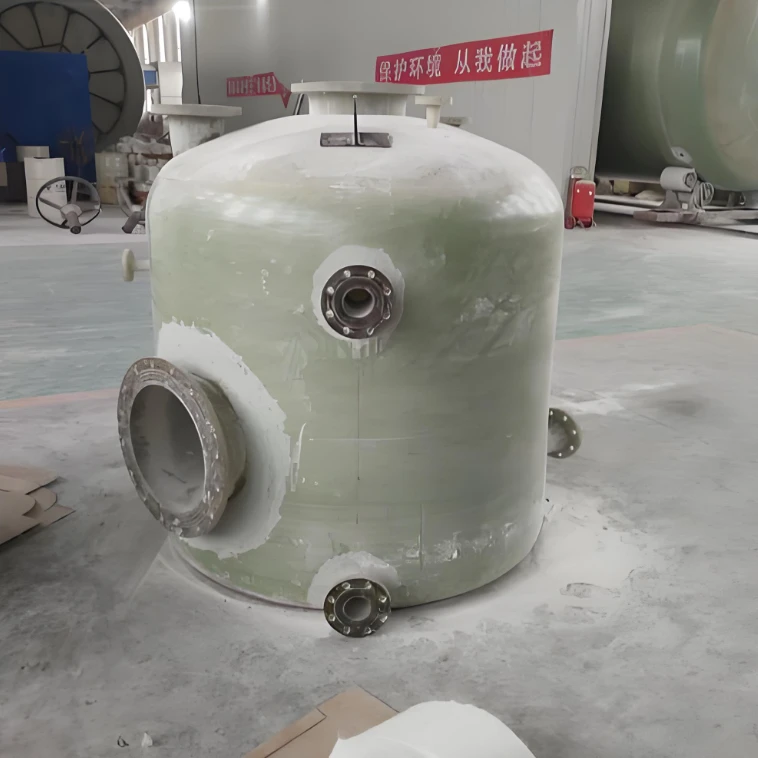
The longevity and robustness of a water tank is mostly dictated by its material. FRP tanks cost slightly more upfront, but they resist corrosion and UV damage better than standard plastic variants. Stainless steel tanks come in at a premium but have unmatched durability — mostly used in high-value industrial applications.
2. Size and Capacity
The volume requirement directly impacts price. Larger tanks can sometimes bring reduced cost per gallon but increase logistical complexity. Square tanks offer space efficiency, which can translate into lower overall installation costs in tight spots.
3. Manufacturing Technology
Advances in molding and fabrication influence costs. Skilled craftsmanship and automation reduce waste but add to initial capital.
4. Vendor Location and Logistics
Where tanks are produced relative to delivery sites affects freight costs. Import duties and taxes can inflate prices in some countries.
5. Custom Features and Accessories
Including fittings, UV coatings, insulation, or automation sensors bumps up the price but offers improved functionality.
A Mini Takeaway:
- Price depends on material, size, manufacturing, logistics, and custom features.
- Square water tanks balance space efficiency and cost, important in varied global settings.
Global Applications & Use Cases of Square Water Tanks
Across continents, square water tanks serve diverse functions. In India and Southeast Asia, municipal water vendors rely on them to supplement erratic supply during dry seasons. In industrial zones of Europe and North America, these tanks are integrated into chemical processing lines, sometimes customized with liners to resist harsh chemicals.
In post-disaster relief operations—as seen after the 2010 Haiti earthquake—square tanks have been rapidly deployed to provide safe drinking water, their shape making them easier to stack and transport. African agricultural cooperatives similarly value these tanks for rainwater harvesting programs, enabling better drought resilience.
Square Water Tank Price: Sample Product Specifications
| Feature | Specification | Typical Cost Range (USD) |
|---|---|---|
| Material | Fiberglass Reinforced Plastic (FRP) | $1,200 - $3,000 (5,000–10,000 liters) |
| Capacity | 5,000–10,000 liters | Varies with size |
| UV Protection | Yes | Included |
| Accessories | Inlet/outlet valves, overflow pipes | Additional $100-$250 |
Vendor Comparison: Square Water Tank Price & Features
| Vendor | Material | Price Range (USD) | Warranty | Delivery Time |
|---|---|---|---|---|
| LongXuan FRP | FRP | $1,500 - $3,200 | 5 years | 2-3 weeks |
| AquaSafe Tanks | Polyethylene | $1,200 - $2,500 | 3 years | 3-4 weeks |
| SteelTanks Co. | Stainless Steel | $3,500 - $5,000 | 10 years | 4-6 weeks |
Advantages & Long-Term Value of Square Water Tanks
When considering the investment, the square water tank price isn’t just about upfront cost. Square tanks make better use of space, allowing installation in narrow areas where cylindrical tanks don’t fit well. This saves on construction costs, especially in urban or industrial environments where every inch counts.
Moreover, their design eases the stacking and modular expansion—a promising feature for growing communities. Emotionally, having reliable water storage means peace of mind and dignity—fundamental needs often overlooked.
Future Trends & Innovations
Looking forward, manufacturers increasingly experiment with eco-friendly composites and nanomaterials, aiming to enhance durability while reducing environmental impact. Smart tanks equipped with IoT sensors monitor water levels and quality remotely, minimizing waste and maintenance costs.
Policies pushing for green building standards (ISO 14000 series) are nudging buyers toward tanks that consume less energy in manufacture and recycle materials at end-of-life.
Challenges & Solutions
Despite these advancements, some challenges persist. For one, price volatility in raw materials—like resins or steel—can spike costs unexpectedly. Remote regions might struggle with shipping bulky tanks economically.
Solutions? Modular, flat-pack tank systems could ease transport, and local manufacturing partnerships offer a buffer from global supply chain disruptions. Engineers also emphasize proactive maintenance and water treatment integration to extend lifespan.
FAQ: Frequently Asked Questions About Square Water Tank Price
- Q: What factors most significantly affect the square water tank price?
A: Primarily, the choice of material (FRP, polyethylene, steel), capacity, and any added customization like UV protection or sensor integration. - Q: How does a square tank compare cost-wise to a cylindrical one?
A: Square tanks often have a similar or slightly higher initial price due to manufacturing complexity but save money over time through better space usage and ease of expansion. - Q: Can I install a square water tank on a rooftop?
A: Yes, especially lightweight FRP models are ideal for rooftops, but structural assessment of the building is crucial. - Q: Are maintenance costs included in the square water tank price?
A: Usually not. Buyers should budget for periodic cleaning and inspection, but durable materials reduce these expenses. - Q: Where can I find the best square water tank price?
A: Vendors like LongXuan FRP offer competitive pricing along with international shipping expertise.
Conclusion: The Value of Smart Water Storage Choices
Ultimately, knowing the square water tank price empowers better decision-making—whether you’re an NGO managing water projects, an industrial engineer, or a city planner. The fusion of durability, size efficiency, and technological advances means these tanks aren’t just containers but vital infrastructure components supporting health and development worldwide.
If you want to explore affordable, high-quality water storage solutions tailored to your specific needs, visit https://www.longxuanfrp.com. It’s a good first step for anyone seeking trustworthy, transparent pricing and dependable products.
Oddly enough, in a world brimming with innovation, simple things like choosing the right water tank still require careful thought. But when done right, the impact can ripple from local homes to global welfare.
References






Address
20 Xingyuan South Street, Zaoqiang County, Hengshui City, Hebei Province, China


